Council on Energy, Environment and Water Integrated | International | Independent

400+ million
Since it's conception in 2010, CEEW has impacted more than 400+ million lives
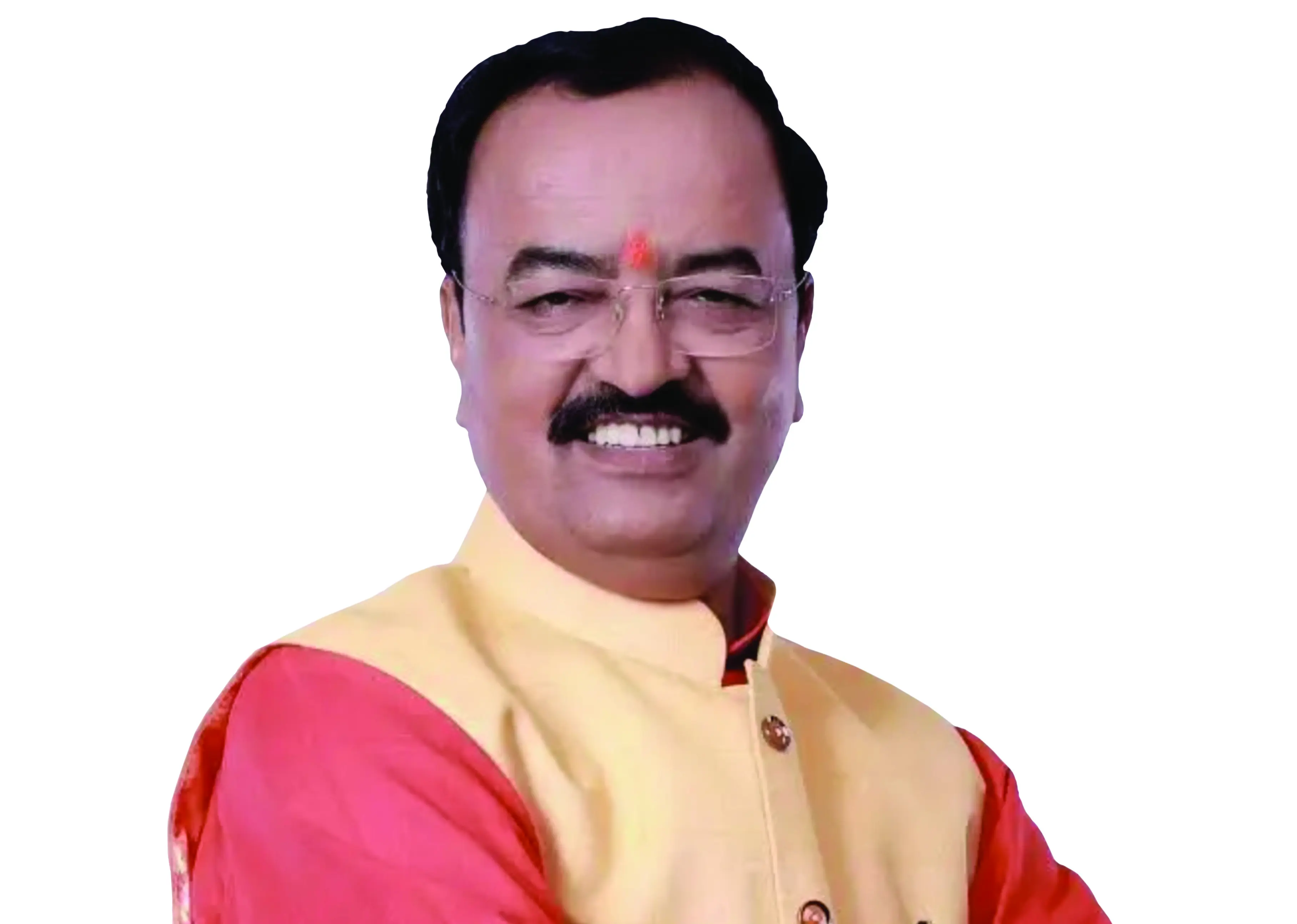
The Vidyut Sakhi scheme is a bold step towards the financial empowerment of rural women in Uttar Pradesh, giving them a newfound sense of self-confidence...
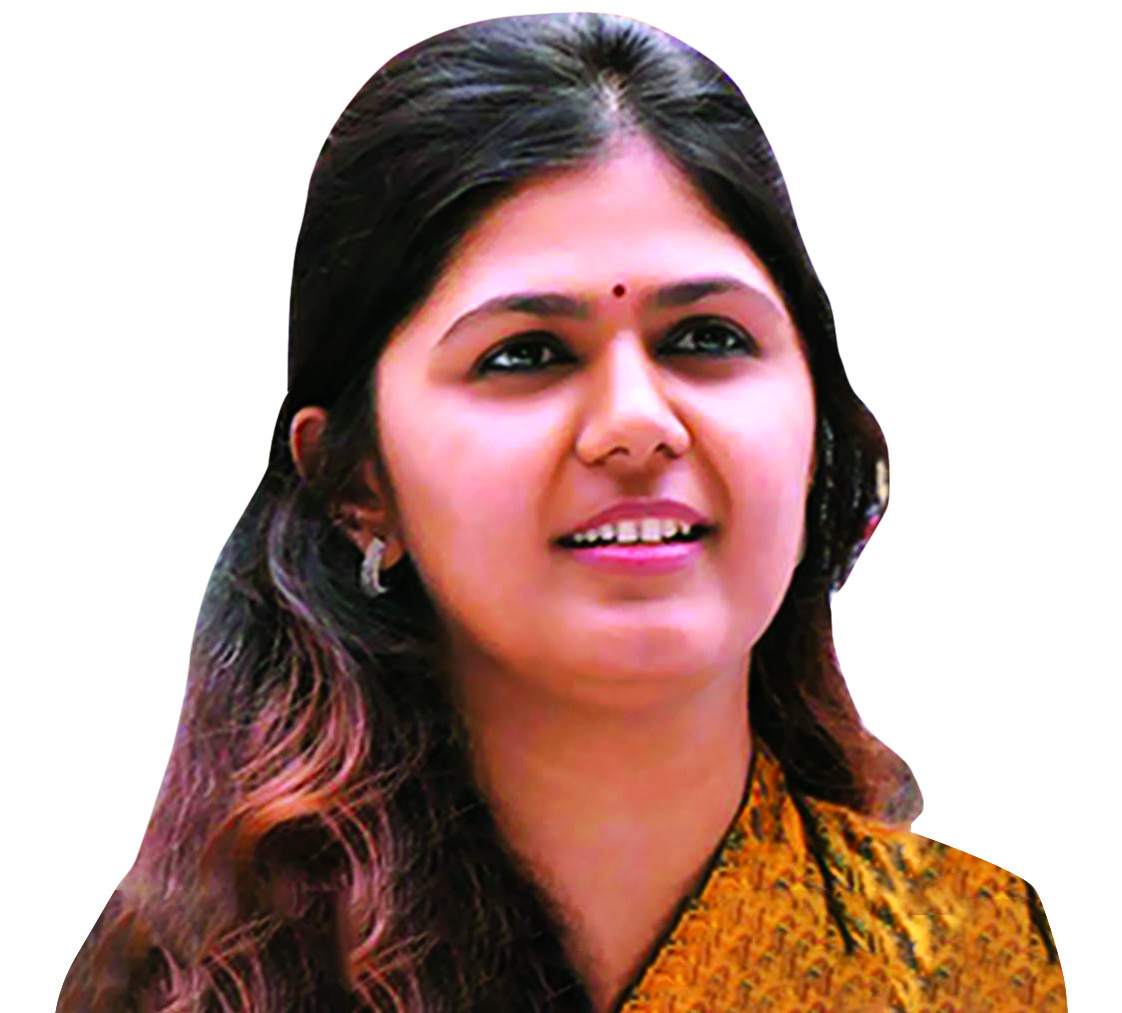
Read moreAir pollution is a boundary issue. It calls for a shared approach and honest coordination across every level of government...
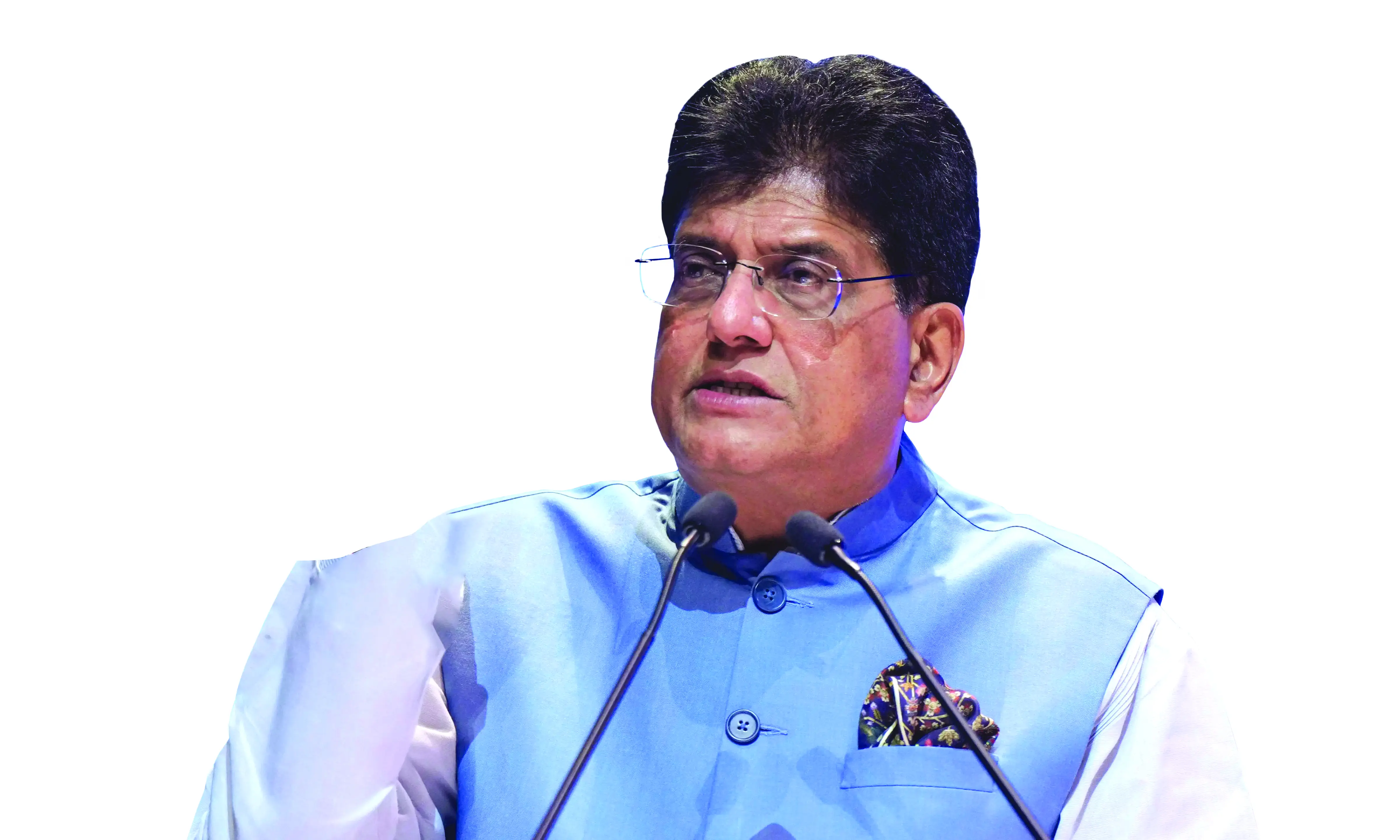
Read moreInstitutions like CEEW are helping the country to move forward in its endeavour towards clean energy...
Read moreConferences and seminars like these open eyes, open thoughts, and give directions in which one can actually plan...
Read moreI would like to congratulate Dr Arunabha Ghosh and CEEW for their achievements these past years...
Read moreFifteen years ago, we began with a whiteboard and a question: can data speak to dignity? Can the Global South build its own analytical capacity, on its own terms, without waiting for permission?…
Read more
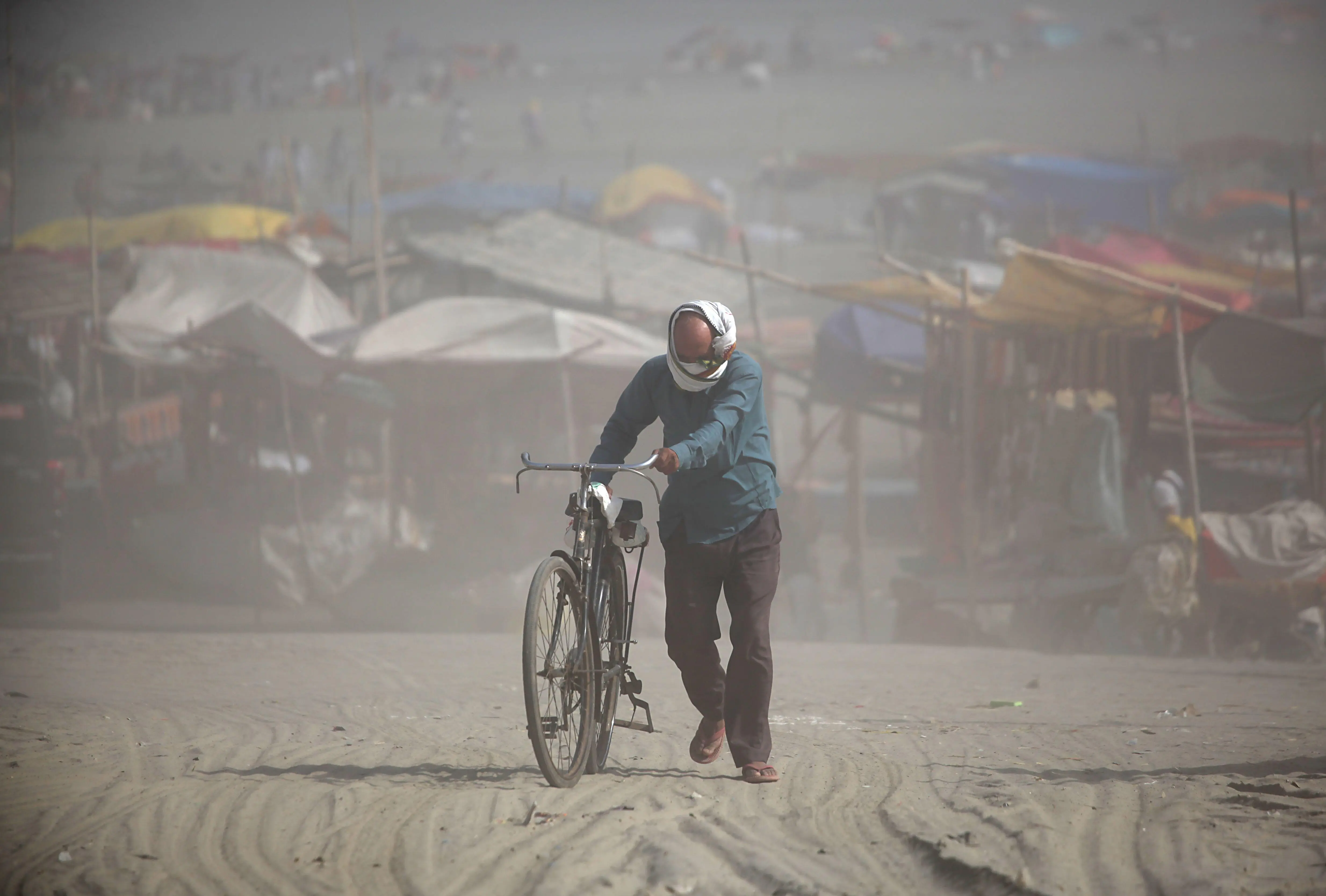
CEEW is working with 50 cities across eight states/union territories — Andhra Pradesh, Delhi (NCT), Goa, Gujarat, Maharashtra, Odisha, Tamil Nadu, and Uttarakhand — to design and implement localised Heat Action Plans, aiming to reach 300 cities by 2027. Over the last year, the CEEW team has co-developed Heat Action Plans for more than 50 Indian cities, covering close to 60 million citizens to tackle periods of extreme heat.
These plans combine ward-level heat-risk assessments, early-warning thresholds, sustainable cooling solutions, training of first responders, and adaptation-finance pathways to protect vulnerable communities and build long-term climate resilience.

In March 2025, CEEW hosted the National Dialogue Powering India’s Future: Policy, Markets, and Innovation for a Clean Grid, convening senior policymakers, practitioners, and experts to discuss practical solutions for enabling the clean energy transition. The dialogue highlighted the sector’s recent progress, the critical role of state-level leadership, and the reforms needed to meet India’s fastrising power demand with renewables. It also marked the release of CEEW report How Can India Meet its Rising Power Demand? that offers actionable pathways for balancing growth and clean energy integration through 2030 and beyond.

This year, CEEW advanced India’s low-carbon transition by deepening research across hard-to-abate sectors, and supporting policymakers on future capacity needs. We contributed to Greening the Steel Sector in India: Roadmap and Action Plan with the Ministry of Steel, developed emissions targets for the fertiliser sector with the Bureau of Energy Efficiency under the Carbon Credit Trading Scheme, assessed pathways for deploying green hydrogen in refineries and fertilisers with the Ministry of New and Renewable Energy, and informed research on decarbonising India’s automobile industry.
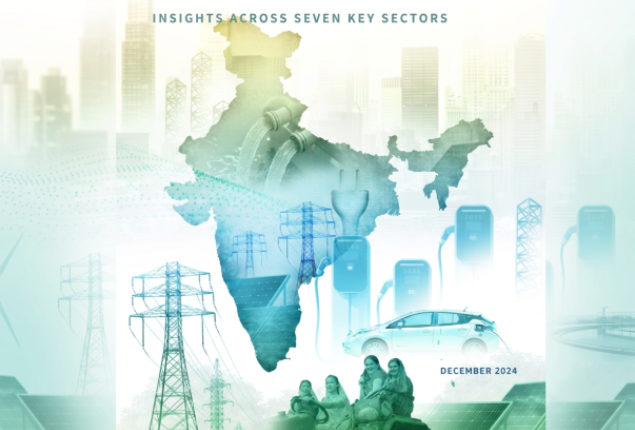
In December 2024, CEEW, in collaboration with World Resources Institute (WRI) India and Rocky Mountain Institute (RMI), hosted an event on Pathways for Building a Circular Economy in India, focusing on opportunities to advance circular and sustainable growth across seven priority sectors— solar panels, batteries, steel, construction, agricultural waste, wastewater, and municipal solid waste. Along with the launch of a joint discussion paper, Unlocking India’s Circular Economy Potential for Sustainability: Insights Across Seven Key Sectors, the event also featured a keynote address by Amitabh Kant, former G20 Sherpa of India.
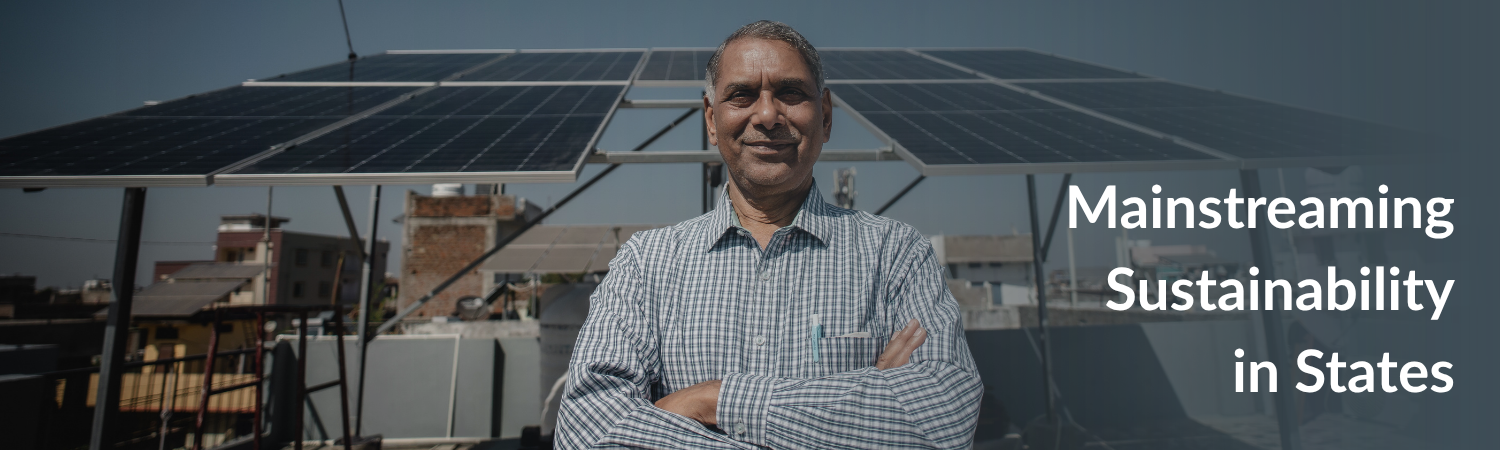
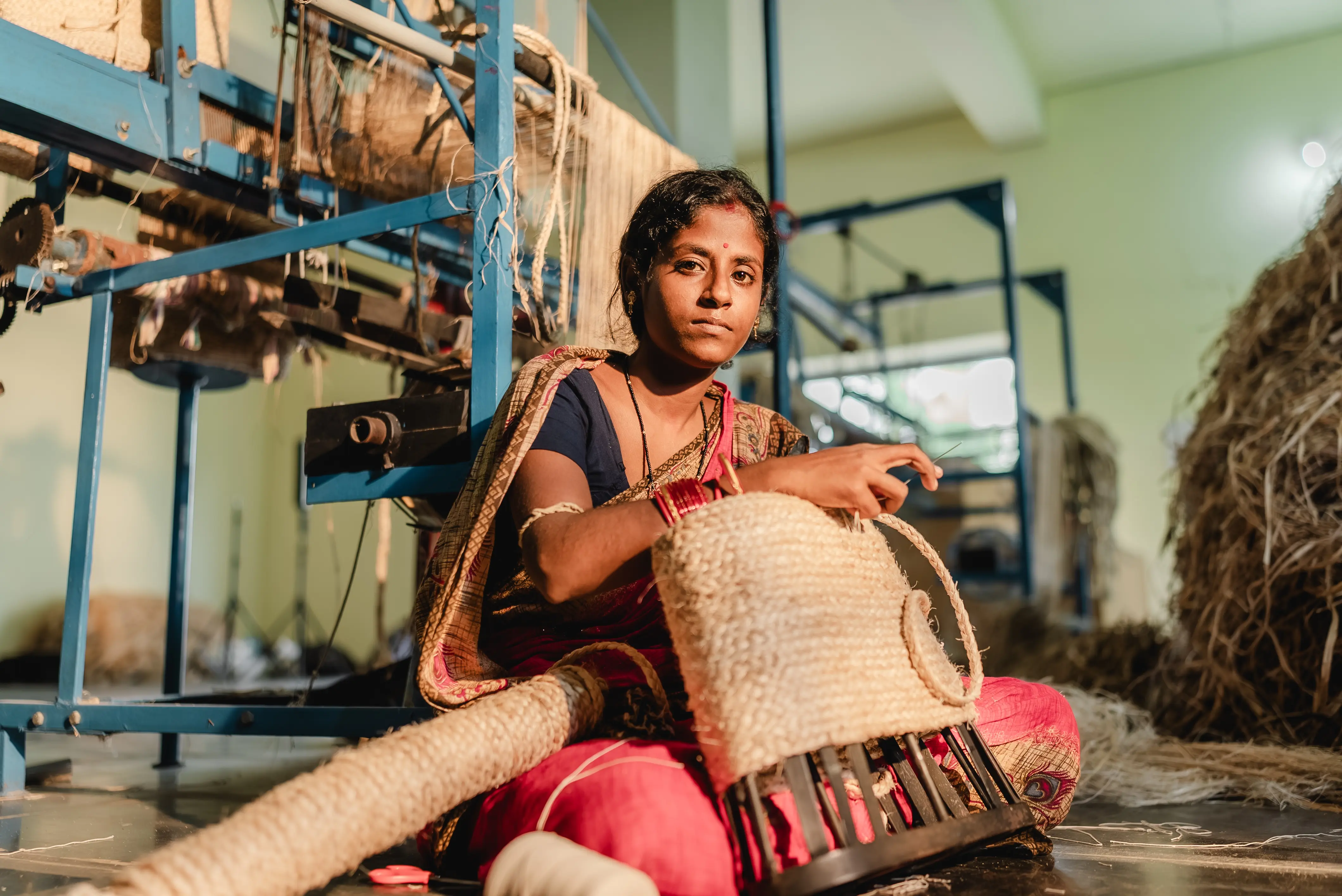
CEEW's landmark study on Odisha's green economy unveiled a potential to create 1 million jobs, attract INR 3.5 lakh crore (USD ~$42 billion) in investments, and boost the state's GDP by 23 per cent by 2030 across the energy transition, circular economy, and bio-economy sectors. The study identified 28 green value chains — from solar and battery storage to seaweed farming and e-waste recycling.
It also laid the groundwork for the Green Odisha Initiative, a roadmap to align policies, mobilise resources, and foster inclusive, job-intensive growth while positioning the state as a national leader in sustainable development.
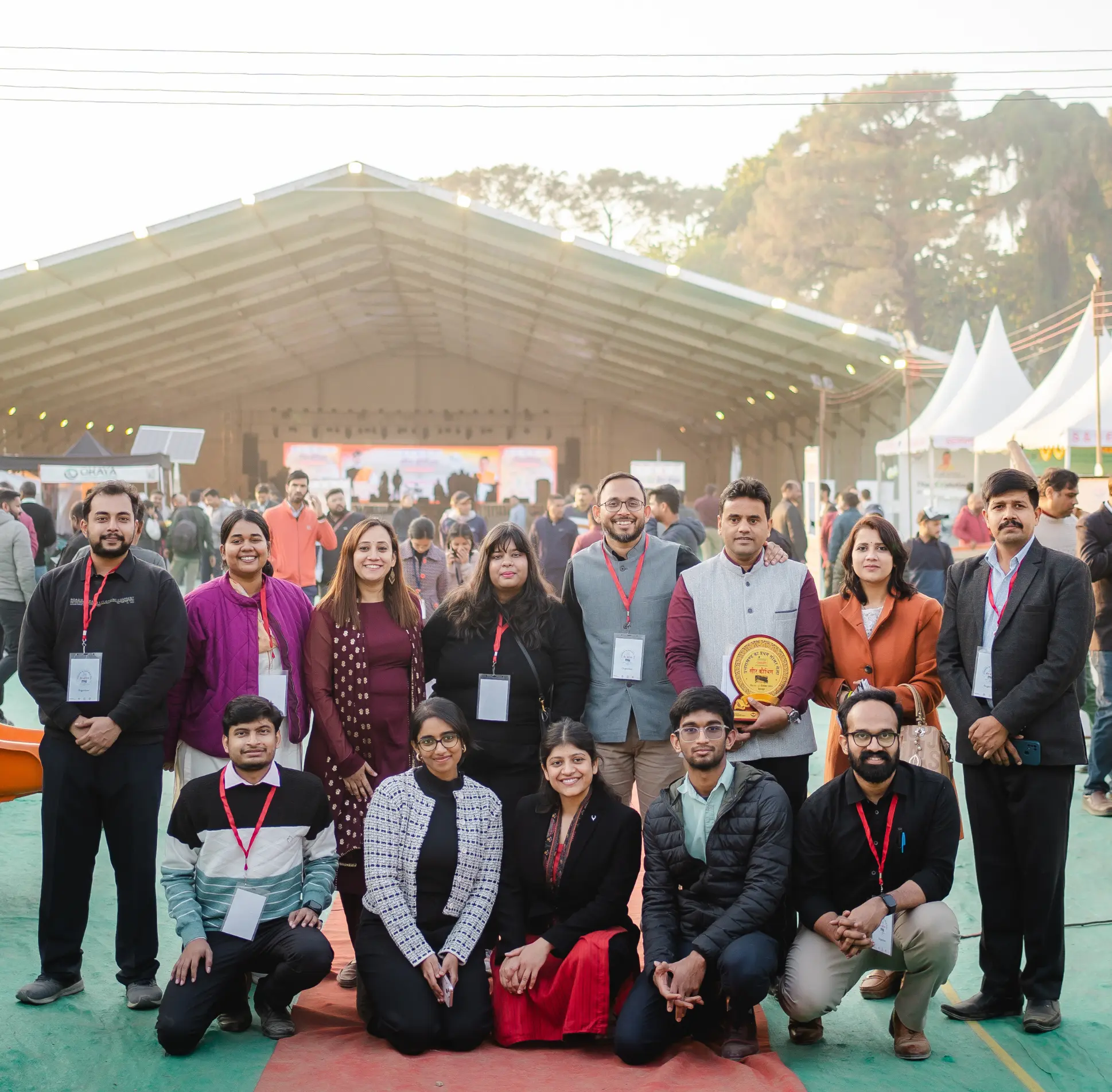
CEEW’s rooftop solar work combines policy research, technical analysis, and large-scale communications to accelerate adoption across India. Our research identifies regulatory, financial, and technical barriers, while our campaigns aims to build awareness, trust, and consumer demand. Through research and strategic outreach, this year, we supported governments with data-driven insights to strengthen programme design, streamline processes, and expand access to rooftop solar.
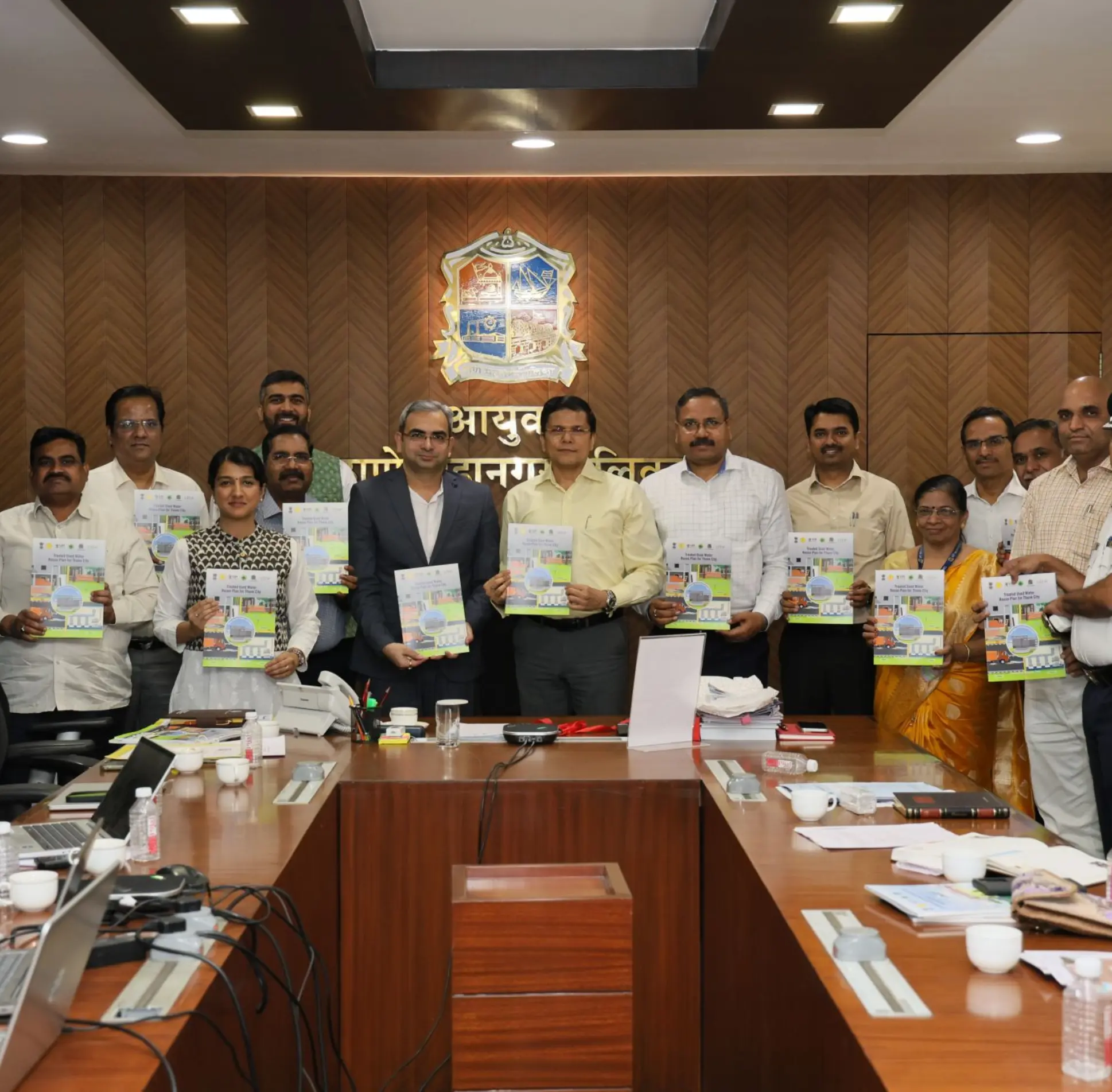
In January 2025, CEEW partnered with the Thane Municipal Corporation to create India’s first Treated Used Water (TUW) Reuse Plan. It brings a circular economy approach to urban water management. The plan sets reuse-specific quality standards, promotes TUW for non-potable purposes, and aims to reduce freshwater dependency while protecting local water sources.
CEEW is also proud to have partnered with Thane to help create flood and heat action plans, and set up the Air Quality Decision Support System (AQDSS). The initiatives reflect Thane’s journey towards becoming a climateresilient city.
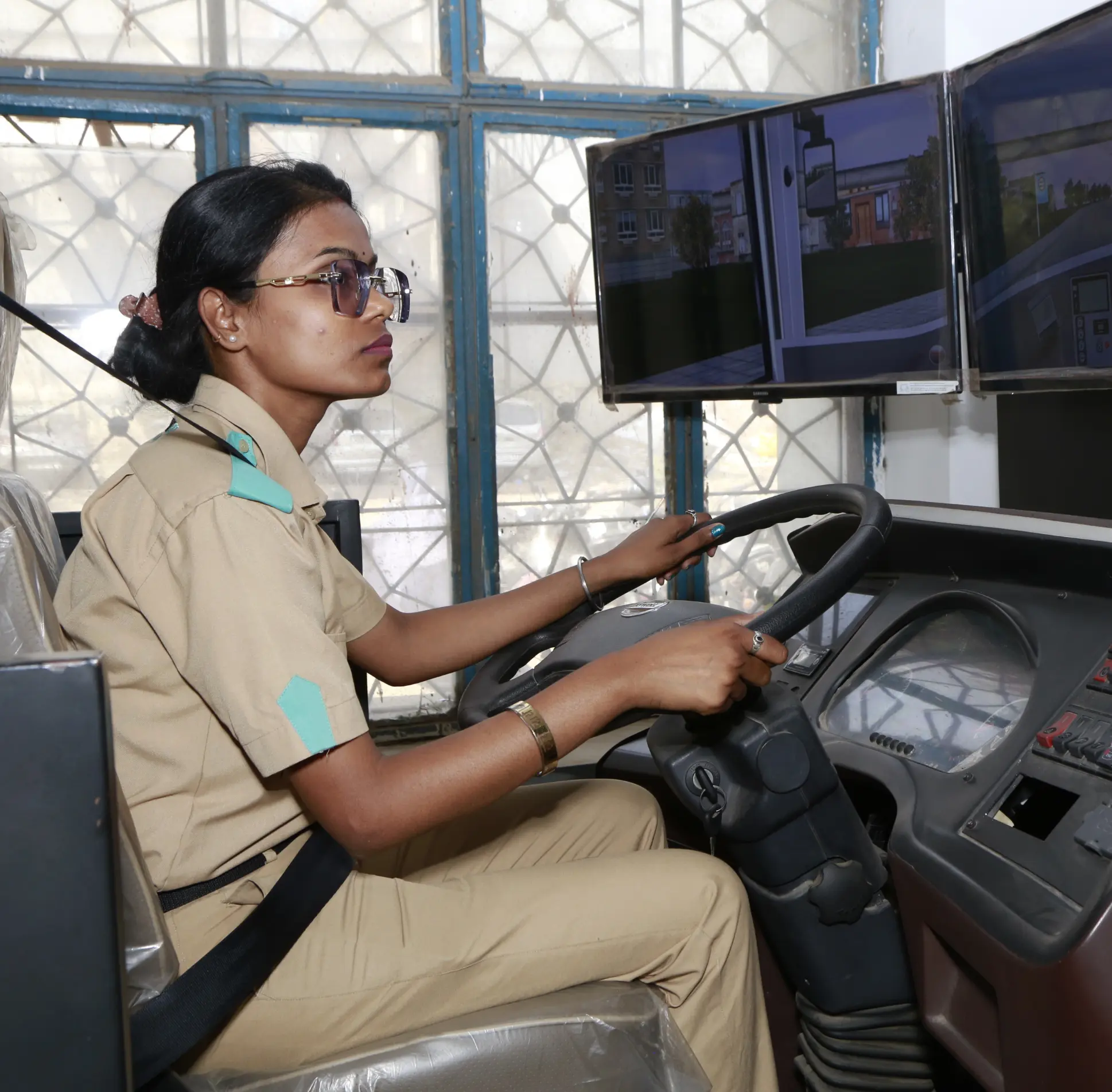
As part of the India–UK Partnering for Accelerated Climate Transitions (PACT) partnership, CEEW is supporting low-carbon, climate-responsive urban development in Tamil Nadu’s Tier-2 cities—strengthening integrated mobility and planning in Erode with Institute for Transportation and Development Policy (ITDP) India, and enabling data-driven urban transitions in Thoothukudi through digital twin technologies developed with IIT Madras, TERI, The Energy and Resources Institute (ITDP) India, and Cenex. In parallel, CEEW formalised a partnership with the Punjab Municipal Infrastructure Development Company and Sandeep Gandhi Architects to improve the bus transport ecosystem across Punjab’s cities.
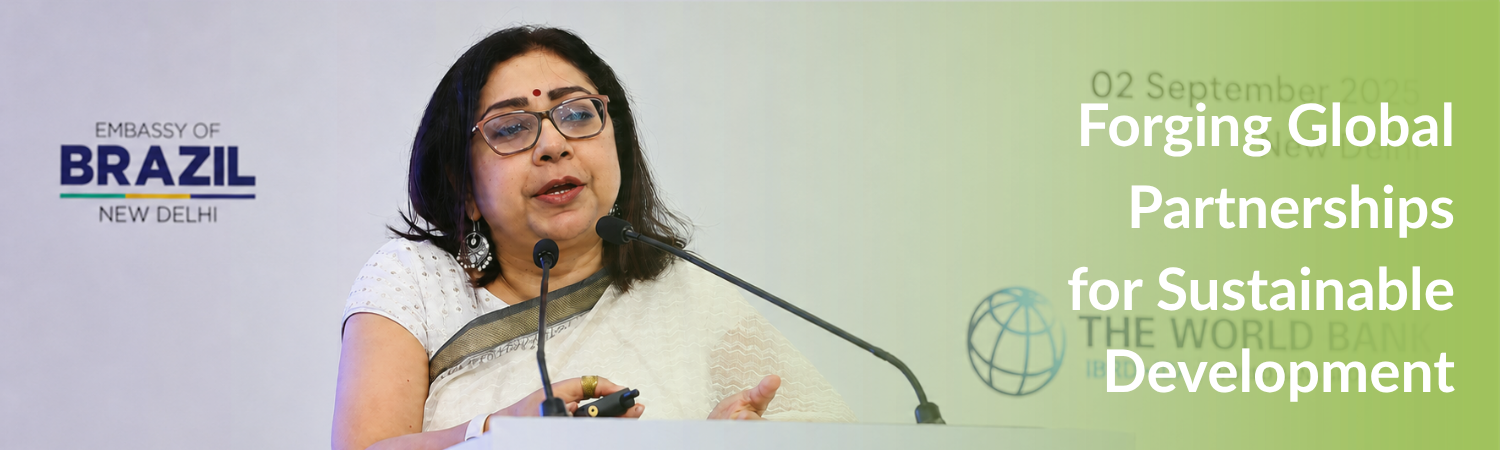
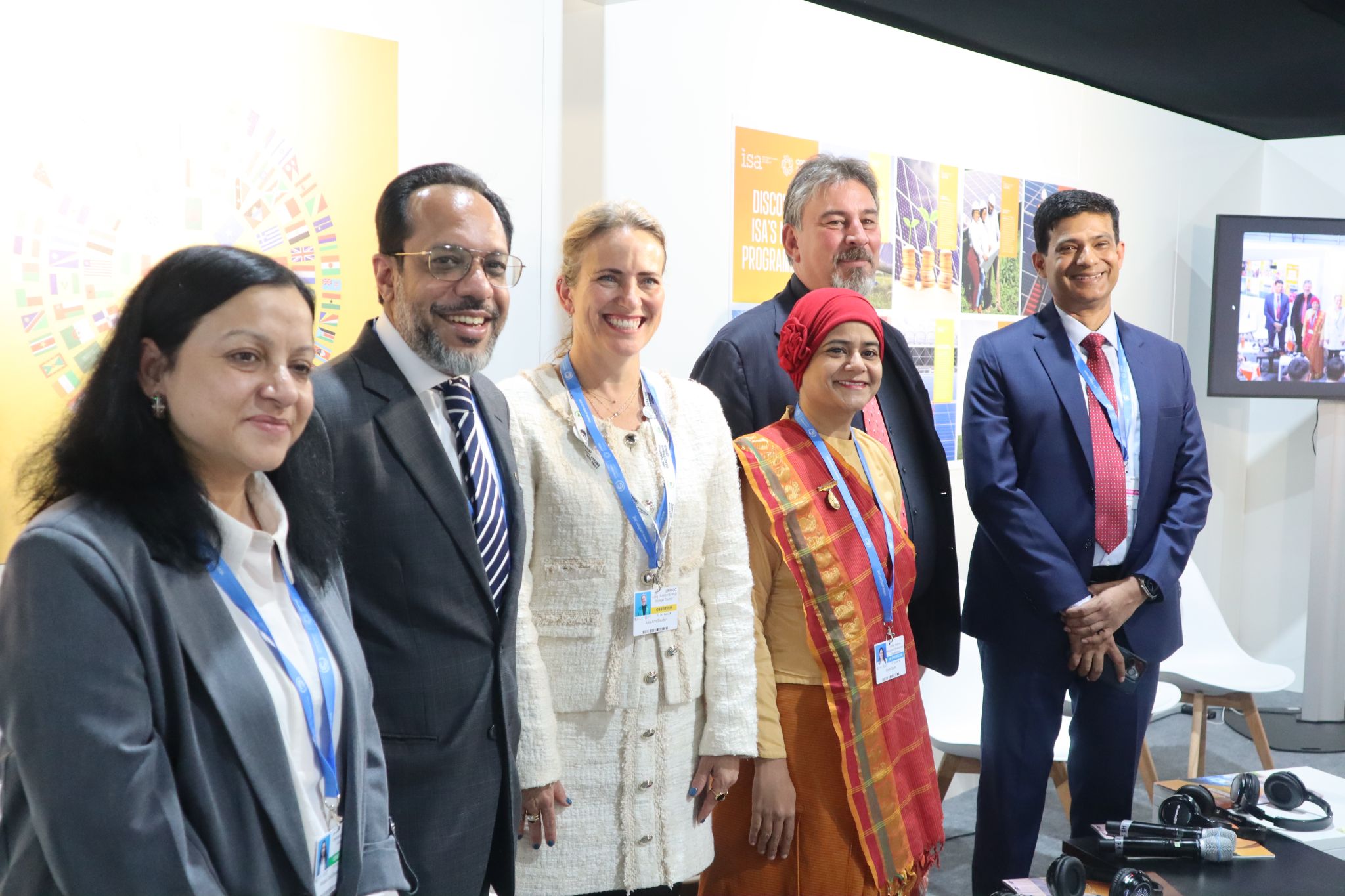
At COP29, CEEW convened global experts, policymakers, and leaders to explore actionable pathways for energy transition, climate resilience, and accountable progress toward a net-zero future.
In the banner: UN Secretary-General António Guterres at Integrity Matters, a high-level event at COP29, with CEEW's Arunabha Ghosh, discussing global net-zero commitments and emphasising accountable climate action.
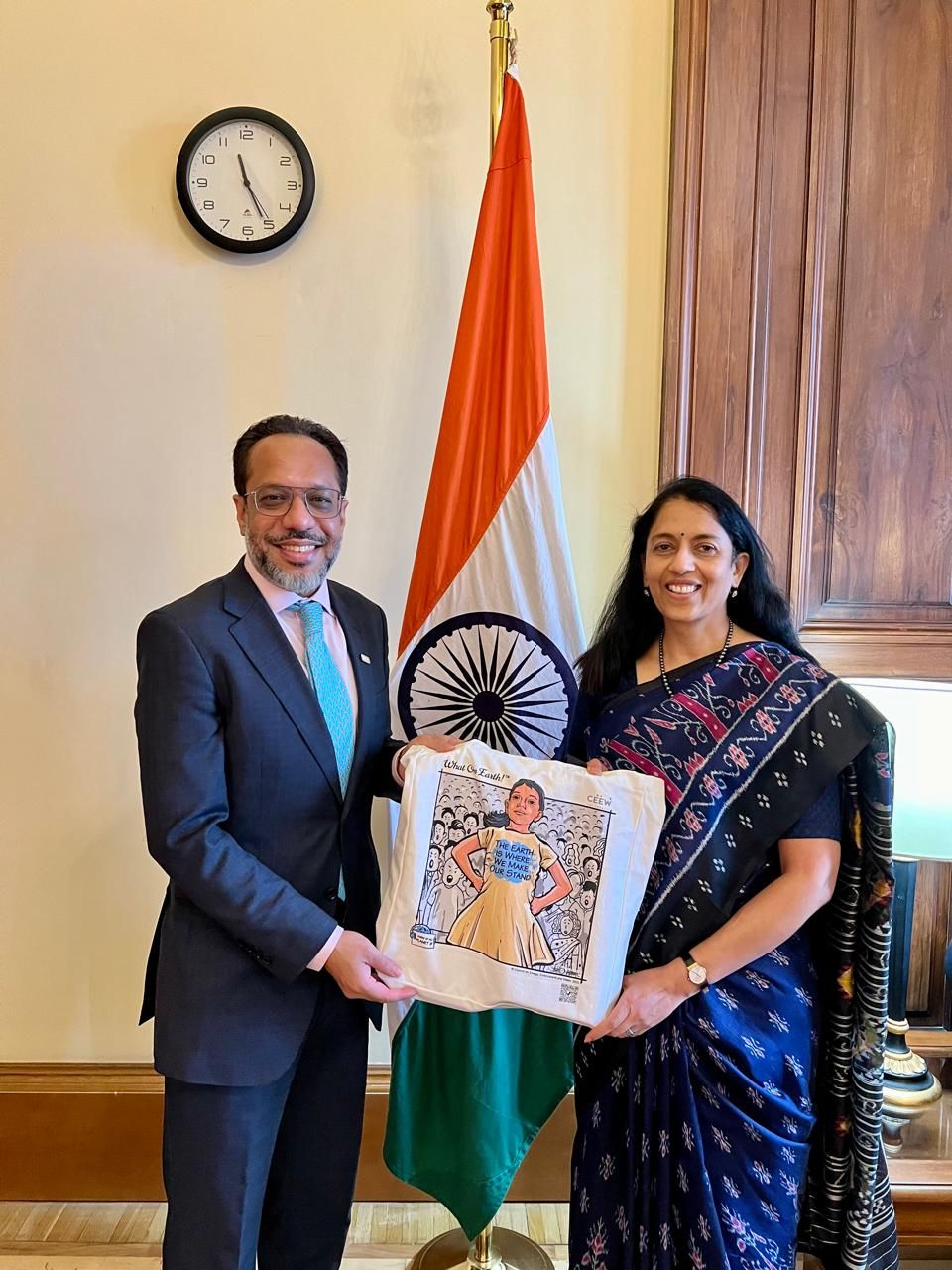
ITALY: H.E. VANI RAO, Ambassador of India to Italy, with ARUNABHA GHOSH, CEO, CEEW, discussing deeper India–Italy cooperation in clean energy and sustainable development investments, New Delhi, September 2024.
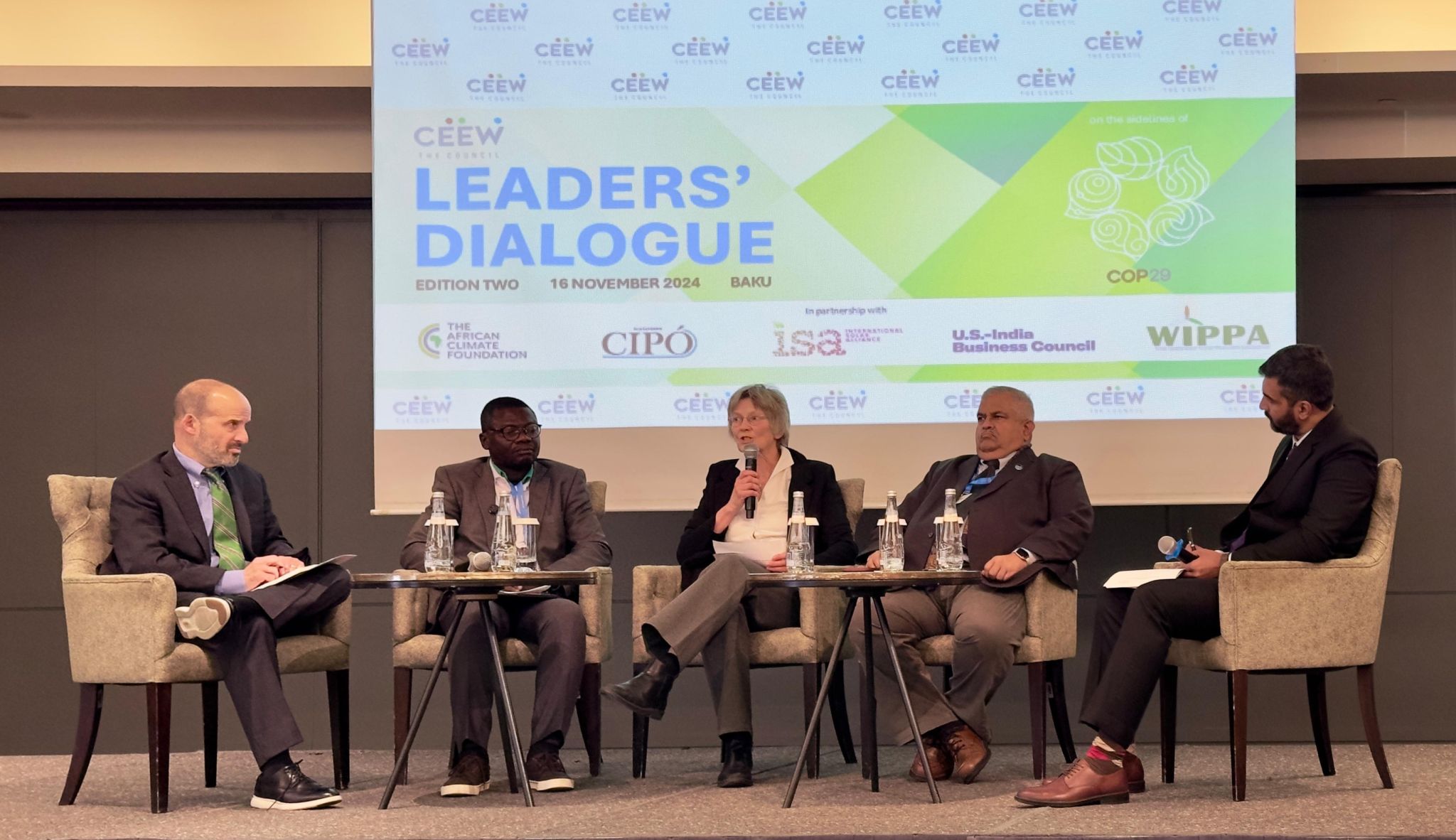
The second edition of the CEEW Leaders’ Dialogue hosted five panel discussions and brought together 19 speakers from 13 countries, including HANAN MORSY, Deputy Executive Secretary (Programme) and Chief Economist at the UNECA.
CEEW convened the COP30 Conversations, a high-level international dialogue, in partnership with the World Bank, Coalition for Disaster Resilient Infrastructure (CDRI), India Climate Collaborative, Jindal Global University, and Plataforma CIPÓ (Brazil). The in-person event brought together 100+ senior leaders, diplomats, and experts to explore whole-of-society solutions on climate investment, biofuels, resilient infrastructure, digital public infrastructure, and circular economies.
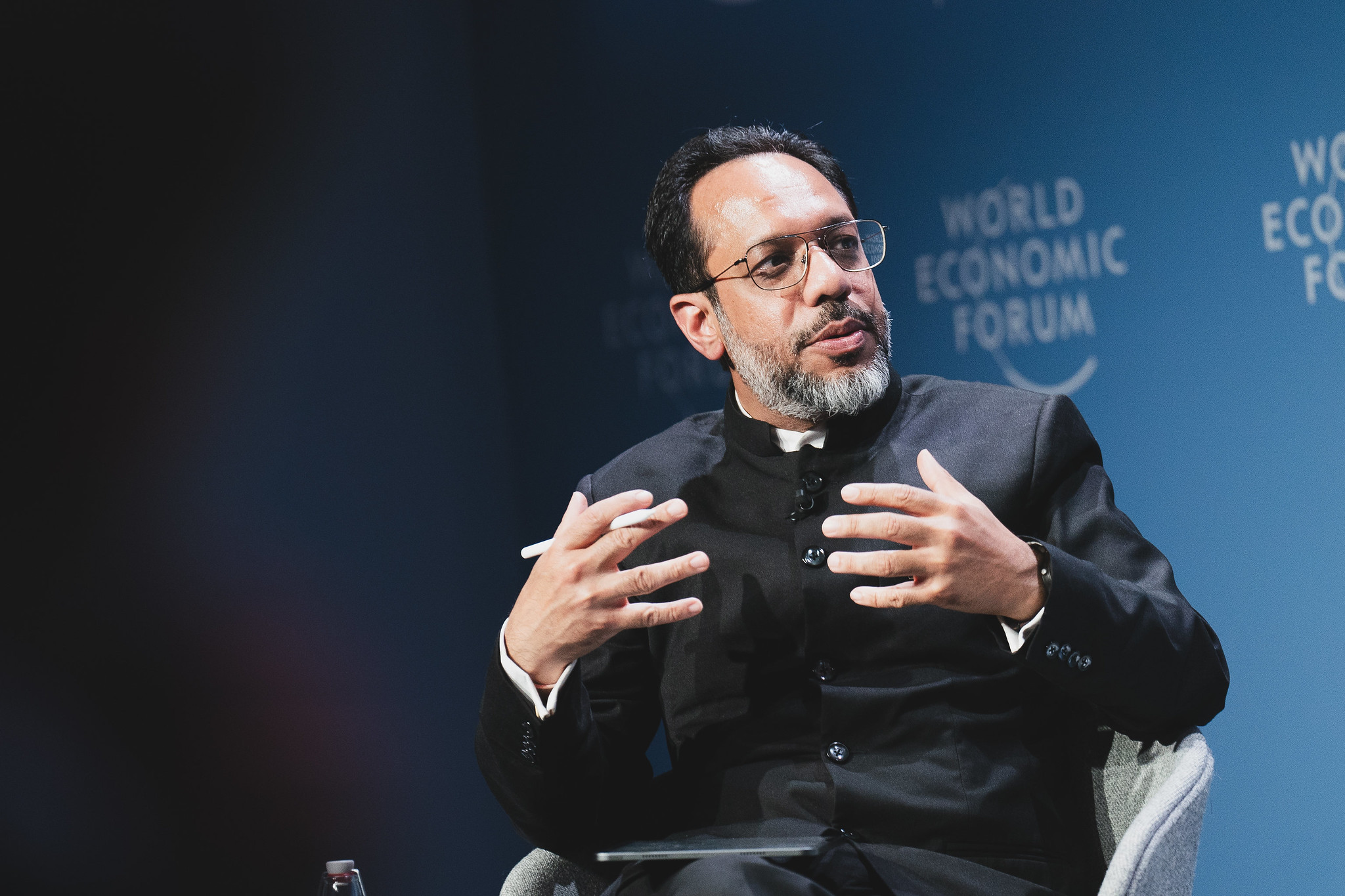
As one of eight international envoys for strategic regions, Dr Ghosh played a key role in facilitating dialogue and ensuring strong representation of South Asian voices at the global climate conference.
“COP30 must be a platform where the Global South is not only heard, but where their unique forms of climate leadership are recognised and supported.”

CEEW and artists Thukral and Tagra hosted the second Sustaina India exhibition in February 2025 at STIR Art Gallery, Chhatarpur, alongside the India Art Fair and India Design ID.
Read more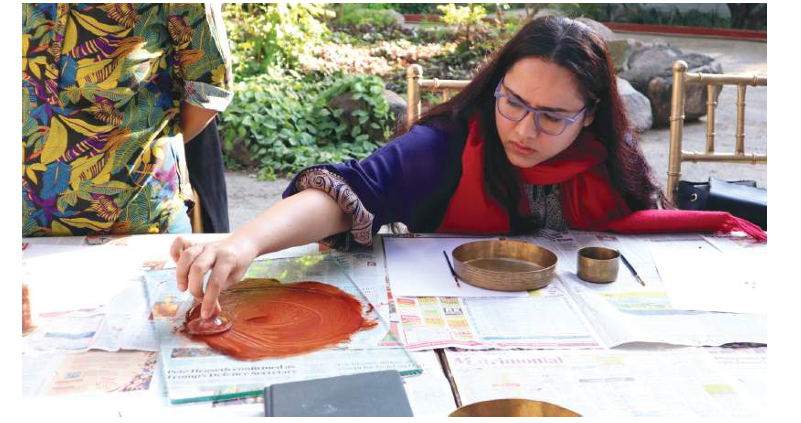
CEEW's flagship cartoon series What On Earth!® (WoE)! was showcased at the Hyderabad Literary Festival (HLF) 2025 through a three-day exhibition (24–26 January) at Sattva Knowledge City.
Read more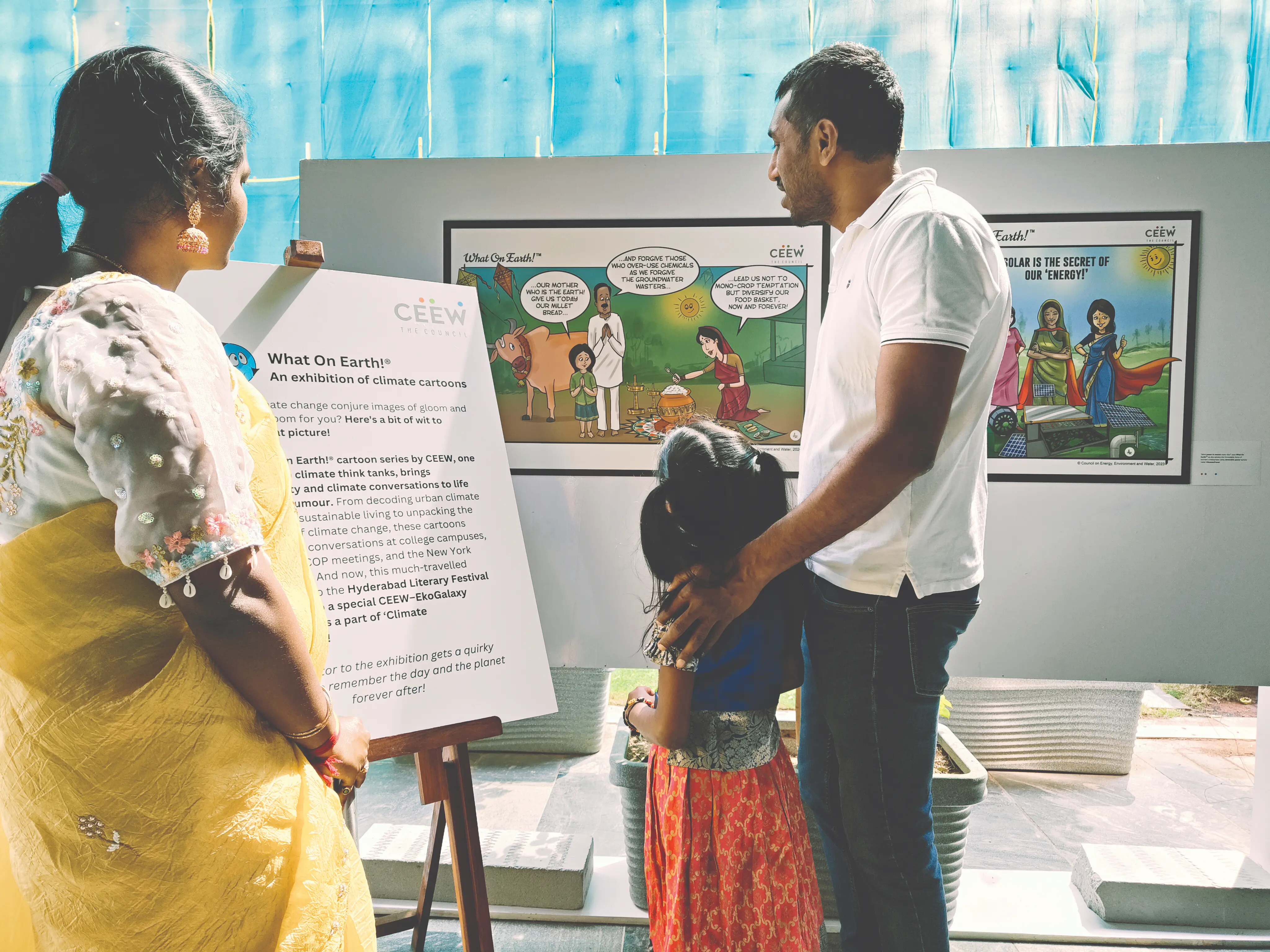
CEEW Annual Review 2024-25
Explore how CEEW's research and policy engagement shaped India’s
jobs, growth and sustainability agenda this year.