Council on Energy, Environment and Water Integrated | International | Independent

GEA works with value chains, not individual enterprises — solving the demand, finance, innovation and policy gaps that keep green sectors pilot-heavy and scale-light.
Value-chain specific · Partnership driven · solution agnostic · time-bound, designed for exit
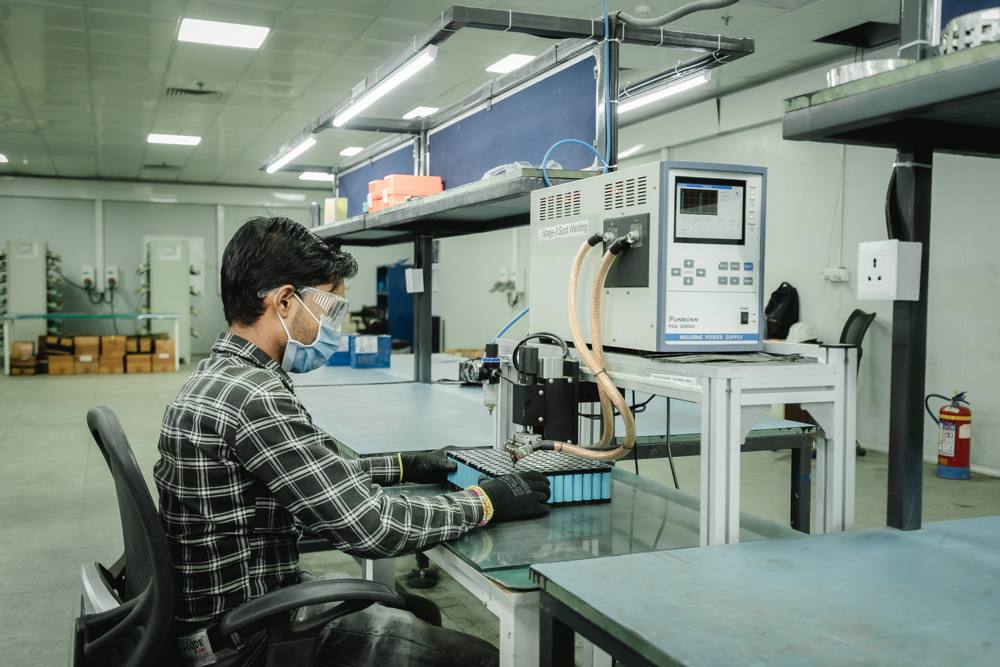
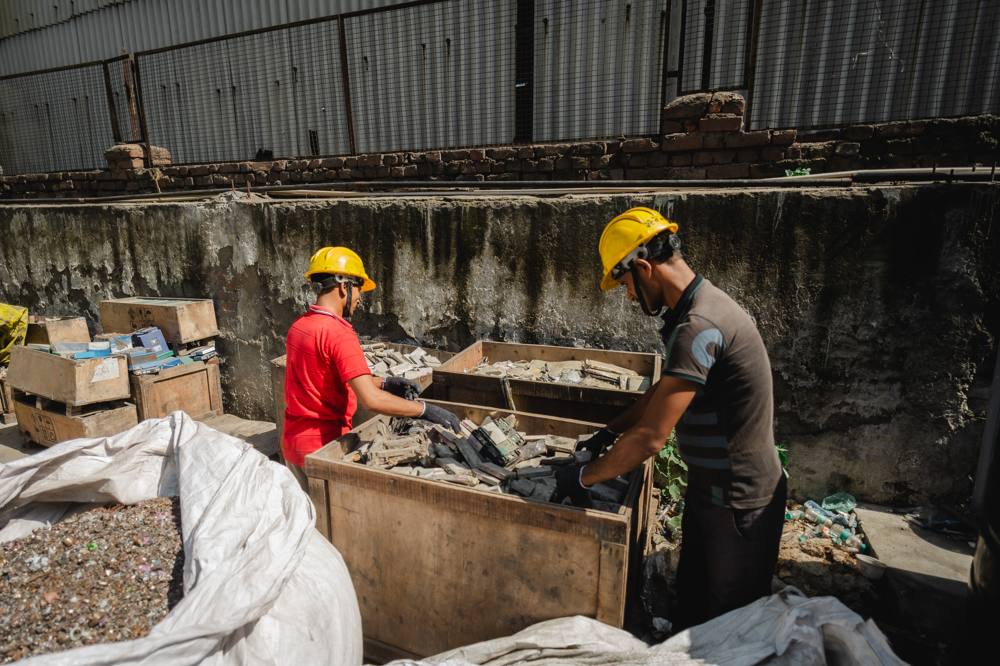
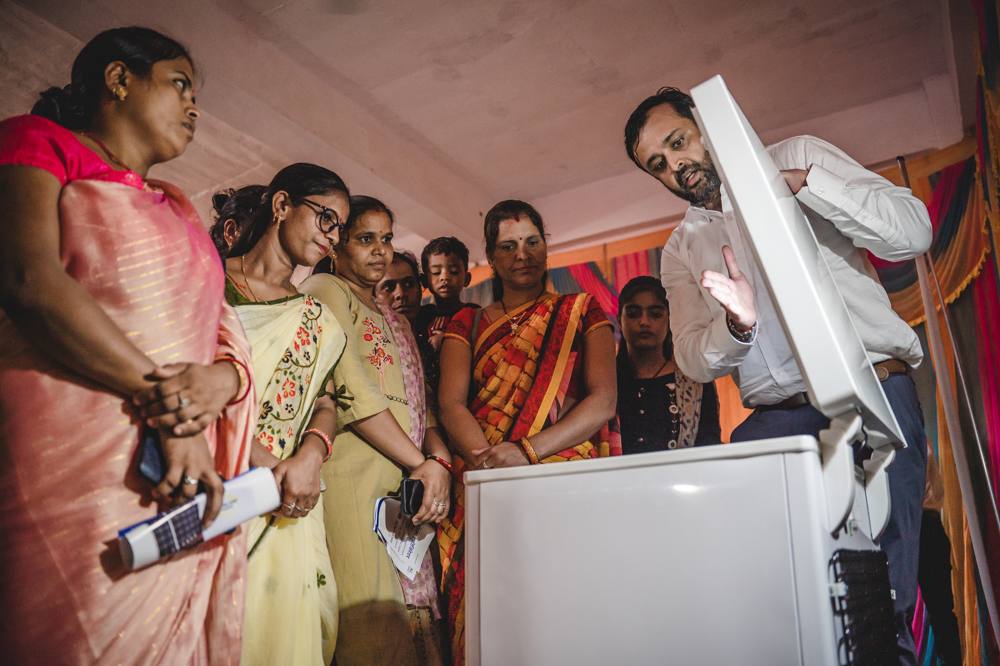
CEEW’s Building a Green Economy for Viksit Bharat (Nov 2025) sizes what India’s green economy could become by 2047, across energy transition, the circular economy, and the bioeconomy and nature-based solutions.
market opportunity by 2047 (₹97.7 lakh crore)
full-time equivalent jobs potential by 2047
cumulative investment required by 2047
CO₂ abatement potential — about 78% of India’s 2024 emissions
Every green enterprise, from a startup to an FPO to an industrial player, depends on conditions no single one of them controls.
of India’s DPIIT-recognised startups are climate-tech — a rounding error against 2.3 lakh+ startups, 4.8 crore+ MSMEs and 8 lakh+ FPOs.
1. Includes startups, social enterprises, CSOs, SHGs and FPOs
This is where GEA comes in. Enterprise accelerators strengthen individual firms — sourcing ventures, running mentorship, pitching investors — but none of that builds shared infrastructure, aligns standards and policy, or mobilises long-term demand for the sector/value chain. GEA works one level up: on the conditions themselves, across an entire value chain, so many enterprises — not just the ones in a cohort — can emerge and scale.
GEA follows a two-phase, time-bound model designed for eventual self-exit, once the ecosystem has the institutions, partnerships, and capabilities to sustain progress independently.
GEA collaborates with a variety of partners (individuals, organisations, consortiums, accelerators) to jointly discover, prioritise and mobilise for action. We offer access to our networks, existing research, outreach and visibility as we co-create outcomes with partners.
Activities: surface systemic bottlenecks across the value chain, prioritise the highest-leverage interventions, and convene ecosystem actors to take up specific responsibilities.
Deliverable: fundable concepts and action plans to enable desired solutions — example actionable ideas include prizes/challenges, coalitions, cluster-building, or building ventures/market platforms.
GEA enables fundraising for Phase 01 outputs, and may also evolve to play a secretariat role to coordinate or anchor initiatives that emerged, where relevant and needed.
Activities: depend on what surfaces in the Momentum Building phase — typically steps to unlock finance and innovation, enable policy, generate market demand, or facilitate consortiums.
Deliverable: interventions designed and iterating based on learnings and evolving needs.
Want to help lead one of these layers for a value chain you know well?
Partner with us →Momentum Building surfaces the mechanisms that make a value chain investable; Acceleration is where those mechanisms compound into system-level change. Powering Livelihoods — CEEW’s ecosystem accelerator for clean energy in rural livelihoods, run with Villgro — shows what this approach can achieve: close to 48,000 livelihoods enabled, 29,000+ technology deployments, and $7.3M in follow-on capital raised. GEA extends the same approach across a wider set of green value chains.
Outputs from Momentum Building
Outcomes from Acceleration
GEA works through whichever archetype suits a value chain’s gaps and needs — an individual changemaker, an organisation, a consortium, or an enterprise accelerator.
Have deep expertise in one part of a value chain?
Incubation, knowledge or convening — join where your expertise has the most leverage. A flexible, time-bound engagement suited to organisations with a narrow but deep capability — a research lab, a certification body, a convening network.
Already working inside a value chain and ready to lead from within?
Embedded and sector-focused — surface barriers, broker connections, build momentum from inside. We co-design your role together.
Ready to co-own outcomes from diagnosis through to systemic shift?
Co-design value chain acceleration end-to-end, with shared responsibility throughout the Acceleration phase.
Tell us where your strength fits, and we’ll work out the right role together.Get in touch →
CEEW mapped 36 value chains across energy transition, circular economy, and the bioeconomy and nature-based solutions in Building a Green Economy for Viksit Bharat (Nov 2025). GEA further prioritises these value chains based on their current state, impact potential, and ecosystem-building opportunities.
Building a pipeline of regenerative agriculture entrepreneurs and practices, led from inside the sector.
Venky Ramachandran · Catalyst
Feedstock aggregation is fragmented and seasonal, with no shared standards for agro-residue material performance or recyclability.
Biomass aggregation for bio-based packaging is fragmented and seasonal, with no shared standards for compostability or end-of-life performance.

India contributes just 0.02% of global seaweed volume despite strong cultivation potential, held back by broken unit economics and no formal industry platform.
88% of high-end raw material is imported, and engineered bamboo composites remain at low technology readiness, capping the furniture and construction opportunity.
Working on one of the value chains above, or one we haven’t listed yet?
Partner with us →