Council on Energy, Environment and Water Integrated | International | Independent

Suggested Citation: Tyagi, Niharika and Om Prakash Singh. 2026. Whose Air? Assessing Equity in India’s Air Quality Policies. New Delhi: Council on Energy, Environment and Water.
India faces some of the highest levels of air pollution globally: 14 of the world's 20 most polluted cities are in India, and 99.9 per cent of the country's population lives in areas where air quality falls below World Health Organization (WHO) standards. In 2019 alone, air pollution was linked to roughly 1.6 million premature deaths and USD 95 billion in economic losses, equivalent to 3 per cent of India's GDP. In response, the government has introduced several air quality management programmes in past years, including the National Clean Air Programme (NCAP), launched in 2019, and the Graded Response Action Plan (GRAP), which targets the National Capital Region. Despite substantial funding, these initiatives have delivered mixed results and have paid limited attention to the unequal impacts of air pollution on marginalised and vulnerable groups, including women, children, the elderly, indigenous communities, low-income households, and people with disabilities.
This report presents a systematic Gender Equity and Social Inclusion (GESI) analysis of 19 Indian air quality policies, spanning five sectors: energy access and power generation, low-emission transport, waste management, air quality management, and air pollution and health. The study examines whether these policies acknowledge and substantively address gender-differentiated impacts and the needs of socially excluded groups, as well as how they define vulnerability to air pollution.
The analysis classifies selected policies as GESI-blind, GESI-aware, or GESI-responsive. It also examines the specific drivers of vulnerability- socioeconomic status, occupational exposure, age, and disability; that leave some groups more exposed and less safeguarded than others. Based on these findings, the report identifies gaps in India's air quality governance and offers a set of targeted recommendations to build more inclusive and equitable policy options.
The State of Global Air 2025 report estimates that approximately 143,000 deaths among children under five in India in 2023 were attributable to air pollution, which translates to more than one death every five minutes. India faces one of the most severe air pollution crises globally, with millions suffering each year from its adverse health and environmental impacts (Jiang 2023). In response, the Government of India has implemented air quality management programmes and policies aimed at mitigating pollution, reducing exposure, and improving public health. For instance, the National Clean Air Programme (NCAP), launched in 2019, is a five-year initiative that has set ambitious targets for India’s most polluted cities, while the Graded Response Action Plan (GRAP), 2023 specifically addresses the National Capital Region. Despite receiving substantial funding, these programmes have had mixed results. These initiatives overlook a critical dimension – the disproportionate impact on marginalised and vulnerable groups, including women, the elderly, children, indigenous communities, low-income households, and the differently abled. Economic and social inequities, along with gender and cultural dynamics, exacerbate the vulnerability of these groups to the health impacts of air pollution (Kumar et al. 2023). Addressing the crisis requires solutions that extend beyond introducing regulations and technological fixes and instead embrace a more inclusive approach that integrates the lens of gender equity and social inclusion (GESI) into air quality management policies and practices.
Recognising this need, we systematically evaluate Indian air quality management policies’ compliance with GESI norms. Through a set of selection criteria, 19 policies across five key sectors were identified: energy access and power generation, low-emission transport, waste management, air quality management, and air pollution and health. While the primary focus was on policies formulated from 2010 to 2024, critical policies from before 2010 are also considered if they are still applicable (e.g., The Air (Prevention and Control of Pollution) Act, 1981, and Guidelines for Ambient Air Quality Monitoring, 2003). Erstwhile policies are excluded from the review.
Our analysis underscores gender-differentiated access to resources and healthcare, emphasising how socioeconomic status, traditional gender roles, and biological differences, particularly in relation to reproductive health, shape the varied impacts of air pollution across different genders.
For example, evidence shows that expectant mothers are especially vulnerable to the adverse effects of air pollution, which can increase the likelihood of negative birth outcomes. Yet, only one was found out of the selected policies (National Programme on Climate Change and Human Health) substantively acknowledging and addressing this specific vulnerability. Moreover, many policies fail to account for age and socioeconomic disparities, leaving some vulnerable groups under-protected. A notable gap is the limited consideration of individuals with disabilities, who face compounded challenges due to both physical barriers and the lack of policy attention. This analysis reveals a significant gender bias and social exclusion in the current policy landscape, emphasizing the need for a GESI-integrated approach. By employing an intersectional framework, we identify key drivers of marginalisation – including factors such as socioeconomic status, geographic location, and political powerlessness – that drive vulnerability to the impacts of air pollution. As a result, we present a more informed and nuanced understanding of how these compounded vulnerabilities amplify the effects of air pollution on marginalised communities.
The selected policies have been analysed for their GESI-responsiveness, focusing on whether they acknowledge and substantively address both gender equity and social inclusion, and how they define and assess vulnerability to air pollution. A GESI-responsive policy explicitly acknowledges and addresses GESI concerns by recognising the differentiated impacts of air pollution on various genders and socioeconomic groups and integrating measures to address them. This includes implementing targeted measures such as prioritising healthcare access for women and children, ensuring equitable distribution of resources and benefits, incorporating gender-sensitive language and perspectives, and actively engaging marginalised communities, including those with disabilities, in decision-making and policy-implementation processes. Using the methodologies of content and discourse analyses, along with tools like NVivo 14, we critically examine the language and context of these policies and the impact these entail on ground.
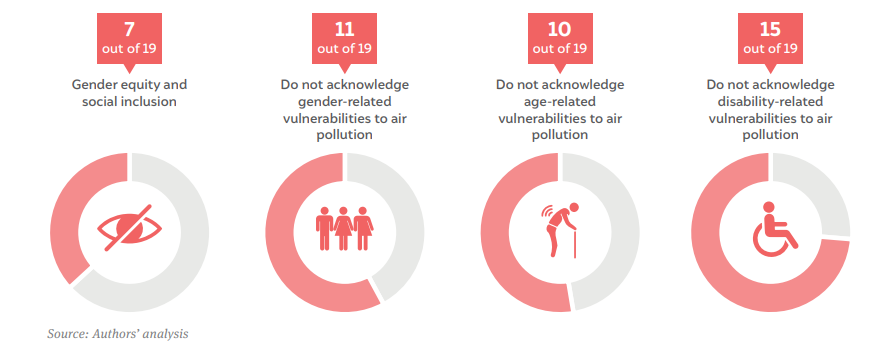
Figure 1 Highlights of the air quality management policy analysis, highlighting the degree to which they factor in gender equity and social inclusion
Our analysis emphasises the need to integrate gender equity and social inclusivity into air pollution regulations to mitigate health disparities and achieve equitable outcomes. Implementing GESI-responsive policies can ensure a smooth transition to a net-zero-inclusive and equitable future, leaving no one behind.
To enhance the GESI-responsiveness of policies addressing air pollution in India, CEEW recommends the following:
GESI-responsive policies and programmes hold the key to formulating transformative solutions. Policies have the potential to push gender-responsive climate action that addresses both environmental and societal concerns and can contribute to the realisation of India’s National Determined Contributions (NDCs) and NCAP goals.
GESI-responsive policies and programmes hold the key to formulating transformative solutions. Policies have the potential to push gender-responsive climate action that addresses both environmental and societal concerns and can contribute to the realisation of India’s National Determined Contributions (NDCs) and NCAP goals.
India addresses air pollution through a range of policy instruments, including laws, national programmes, sectoral schemes, and regulatory measures implemented by multiple institutions across different levels of government. Most of these measures focus on monitoring air pollution, reducing emissions, ensuring regulatory compliance, and promoting technological solutions (Ganguly et.al. 2020). However, they do not always account for differences across population groups in exposure, health risks, access to protective resources, and participation in decision-making (Joshi and Swarnakar 2023). Consequently, measures designed for the general population may not adequately address the needs and circumstances of those most at risk.
Gender equity and social inclusion (GESI) in air quality management
India grapples with severe air pollution, consistently ranking among the countries with the most polluted cities globally (Jiang 2023). This environmental crisis has profound implications for public health, adversely affecting the respiratory and cardiovascular systems of the Indian population, and damaging ecosystems (Kumar et al. 2023). Marginalised communities, including women, youth, the elderly, differentlyabled individuals, and Indigenous communities, disproportionately experience the detrimental effects of air pollution. Social and economic factors, such as residing near industrial areas and lacking economic resources to combat air pollution, heighten vulnerability (Joshi and Swarnakar 2023). For instance, lowerincome women living in urban slums face both gender and economic disparities that intensify their health risks associated with exposure to polluted air. These women often lack access to adequate healthcare and live in areas with insufficient infrastructure, further compounding their vulnerability.
Similarly, indigenous communities that rely on the natural environment for their livelihoods face higher vulnerability due to socioeconomic disparities, including higher poverty levels and inadequate infrastructure, which exacerbate the health impacts they endure. Age and disability are also significant factors that can increase vulnerability to air pollution. Older adults and children are particularly susceptible to the health impacts of polluted air due to their weaker immune systems (Pandey et.al.,2021; Kumar et.al., 2022). Additionally, individuals with disabilities often encounter additional challenges in accessing information and resources to safeguard themselves from air pollution and in coping with the health impacts of exposure. Geography plays a crucial role in determining exposure levels, with people living in industrial areas or near major traffic routes experiencing significantly higher pollution levels.
Race and ethnicity are also significant drivers of disparity, as marginalised racial and ethnic groups often reside in more polluted areas due to historical and systemic inequalities. The absence of gender-sensitive approaches in policy-making can perpetuate these disparities. Policies that fail to consider the differential impacts of air pollution on people and their capacity to respond may fail to effectively address the issue, leaving vulnerable communities at higher risk.
Enhancing citizen engagement and fostering inclusive governance is pivotal in developing inclusive and equitable pathways toward a resilient, net-zero future. A holistic approach to air quality programming must recognise marginalised populations as agents of change, equipped with the necessary knowledge and skills to combat the air pollution crisis. This entails a thorough understanding of the gender and social norms that shape individuals’ lived experiences, informed by an assessment of the gendered power dynamics that govern access to resources. Further, it is essential to ensure that solutions to air pollution do not inadvertently further inequalities or yield unintended adverse consequences.
Air pollution represents a critical environmental health crisis globally, with India at its epicentre. According to IQAir’s World Air Quality Report 2023, 14 of the top 20 most polluted cities in the world are located in India, and a staggering 99.9 per cent of the country’s population lives in areas where air quality falls below the World Health Organization’s (WHO) recommended standards. The scale of the crisis was evident in 2019 when air pollution in India resulted in approximately 1.6 million premature deaths and economic losses amounting to USD 95 billion, equivalent to 3 per cent of the country’s gross domestic product (GDP) (Pandey et al. 2021; Bagepally and Rakesh 2022). Research indicates that air pollution uniquely impacts women and girls, often more adversely than men and boys, due to a combination of biological, socioeconomic, and genderinfluenced disparities. These disparities can potentially determine exposure levels and affect the efficacy of solutions. For instance, while general improvements in air quality are beneficial, they may not adequately tackle specific pollution sources that disproportionately affect women’s health – a topic explored further in this analysis.
Our analysis is based on a comprehensive desk review to evaluate the integration of gender equity and social inclusion within various policies, programmes, and regulatory frameworks that directly or indirectly influence air quality. We identify and assess the extent to which these initiatives consider and address the diverse impacts of air pollution on different genders and marginalised groups. Further, we propose recommendations for more inclusive policy development.
Conceptual framework
Our conceptual framework for policy analysis emphasises not only gender-differentiated access and impacts but also employs the lens of intersectionality in air pollution management. We highlight how individuals’ access to and control over resources, opportunities, and benefits are shaped by intersecting factors such as gender, socioeconomic status, geographic location, and power dynamics.
Gender-differentiated access to and control over resources and benefits related to air pollution management
In the context of air pollution and health, women and men experience differentiated access to and control over assets, resources, opportunities, and services. These differences are significantly influenced by their respective socioeconomic status, gender roles, and power dynamics. Traditionally, men have better access to financial resources and employment opportunities, which provides them with greater financial freedom to invest in air pollution management solutions and services (Abbas et al. 2023; Sadika et al. 2023) (Figure 2). In contrast, women often face financial limitations that hinder their capacity to make comparable investments, rendering them more vulnerable to the adverse impacts of air pollution. Additionally, education and access to information also hold significant weight in empowering individuals to make informed decisions regarding health and environmental concerns.
Further, gender disparities in healthcare access pose significant challenges in addressing the impacts of air pollution. Women frequently encounter obstacles in accessing healthcare support, hindering their ability to manage health disorders arising from poor air quality, such as respiratory and cardiovascular diseases. These disparities are further exacerbated by traditional, cultural, and societal expectations that ascribe specific gender roles and household responsibilities to women (Ahmed and Mahapatro 2023; Hussian et al. 2023). For instance, women often spend more time indoors cooking with biomass fuels, which exposes them to elevated levels of household air pollution (Choudhuri and Desai 2020; James et al. 2020). Conversely, men’s roles typically involve spending more time outdoors, potentially subjecting them to higher levels of outdoor air pollution. Additionally, transportation and mobility are influenced by gender, with women in developing regions often facing limitations in accessing public or personal modes of transportation.
The inherent biological differences between the genders also contribute to the unequal impact of air pollution on health. For example, expectant mothers are particularly vulnerable to the adverse effects of air pollution, which can lead to a higher occurrence of adverse birth outcomes (Pandey et al. 2020). This poses a significant public health challenge, with women enduring most of the consequences, while men, although also affected, do not face the same direct implications for their reproductive health (Ali et al. 2021).
Public health efforts must address this stark disparity by implementing targeted policies and interventions to minimise the detrimental effects of air pollution on women’s health. Moreover, when governance structures and decision-making institutions are predominantly male, the resulting policies may fail to acknowledge and adequately address women’s unique needs and obstacles concerning air quality and access to health services. This uneven gender representation in policy and governance can further entrench inconsistencies in how men and women are impacted by and can combat the risks of air pollution.
Analysing differentiated impacts of air pollution through the lens of intersectionality
Intersectionality is a powerful lens through which one can assess how race, class, gender, sexuality, age, ability, and ethnicity intersect and shape social hierarchies. By employing this framework, valuable insights can be gained into how the effects of air pollution are not uniform for all; different groups are disproportionately affected due to their overlapping identities and social statuses. Within the intersectionality framework, we introduce the concept of ‘drivers of marginalisation’ (Figure 1), which unpacks the critical contextual factors or conditions that render specific individuals or communities more vulnerable to the adverse effects of air pollution. These drivers include socioeconomic status, geographic location, health disparities, limited education and awareness, inadequate infrastructure, and political powerlessness.
For instance, in the waste management sector, the drivers of marginalisation may include factors such as individuals’ or communities’ proximity to waste facilities, income levels, residence in informal settlements, occupational exposure, lack of awareness, and the absence of regulatory frameworks. Similarly, when examining indoor air quality management, factors like income and affordability, gender roles, choice of cooking fuels, and cooking practices become crucial in understanding an individual’s degree of exposure to and ability to manage the adverse effects of indoor air pollution.
We analysed selected policies and regulatory frameworks to understand the following:
• How and to what extent is gender equity acknowledged and enabled in the selected policies?
• How and to what extent is social inclusion acknowledged and enabled in the selected policies?
• How is vulnerability to air pollution defined in the policies, and which groups or individuals are considered vulnerable?
In our analysis of the GESI-responsiveness of policies, we incorporate two criteria – gender-responsiveness and social inclusion. Initially, policies are assessed for gender-responsiveness (adapted from Tyagi and Das 2018) and are categorised as gender-blind, genderaware, or gender-responsive. Simultaneously, they are assessed for their level of social inclusion, which encompasses various social groups beyond gender. The policy typologies are as follows:
Gender-blind: Policies falling in this category fail to recognise existing gender disparities, inadvertently perpetuating biases and typically favouring male-centric needs.
Gender-aware: Such policies acknowledge that people have different needs based on gender but do not seek to alter the underlying gender relations. Their aim is primarily to accommodate these differences within existing frameworks.
Gender-responsive: Policies deemed gender-responsive go a step further by focusing on the fundamental sociocultural underpinnings of gender inequalities and entrenched power dynamics. They strive for genderequitable participation by focusing on distinct needs, roles, and relations to ensure fair access to resources and equitable decision-making processes.
Social equity–targeted: These policies do not explicitly acknowledge or address existing gender inequities but address the air pollution exposure of particular social groups and are socially inclusive.
GESI-blind: These policies do not consider gender or social inclusion and may inadvertently reinforce existing inequalities. Their main objective is to address issues such as air pollution without considering how it may affect different genders or social groups differently.
GESI-aware: These policies recognise the significance of gender and social inclusion and may include some elements that address these issues but do not actively or systematically address them. These policies attempt to be wary of gender and social inclusion issues and to avoid reinforcing existing inequalities.
GESI-responsive: These policies actively address gender and social inclusion issues and are designed to reduce inequalities. The main objective of these policies is to reduce gender and social inequalities by providing targeted support and interventions that address the specific needs and vulnerabilities of different groups.
Policy selection criteria
We used a thorough and methodical process for identifying pertinent policies within air quality management. Specifically, our policy selection criteria identified guidelines, regulations, and initiatives concerning air quality management and pollution control through targeted keyword searches.
• Keywords searches for policies: ‘air quality‘ and ‘policy‘; ‘air pollution‘ and ‘regulations’; ‘environmental policy’ and ‘air quality management’; ‘clean air’ and ‘legislation’; ‘air quality’ and ‘standards’; ‘air pollution control’ and ‘government initiatives’; ‘airborne emissions’ and ‘regulatory framework’; ‘climate policy’ and ‘air pollutant reduction’; ‘urban air quality’ and ‘policy measures’; ‘industrial emissions’ and ‘environmental policy’; ‘gender equity’ or ‘social inclusion’ and ‘air pollution regulation’; ‘inclusive’ and ‘air quality standards’; ‘gender-sensitive’ and ‘air pollution control’.
• Type of policy document: guidelines, regulations, rules, notifications, circulars, acts, and schemes (mostly at the national level, with two policies at the Delhi–NCR level).
• Database: FAOLEX,1 ECOLEX2 databases, and nodal ministry websites and portals.
• Timeframe: Policies formulated from 2010 to the present are considered. Critical policies before 2010 are also considered if they are still applicable (e.g., The Air (Prevention and Control of Pollution) Act, 1981, and Guidelines for Ambient Air Quality Monitoring, 2003); erstwhile policies are excluded.
• Format: Documents available in English and in a readable format are included (PDF, Word, HTML).
Policy analysis method
We employ a mixed-method approach that integrates both qualitative and quantitative techniques. This allowed for a comprehensive assessment of how Gender Equity and Social Inclusion (GESI) concerns are reflected and addressed in air quality management policies. The following sections outline the key methodologies used in this analysis:
• Content analysis: Content analysis is a quantitative and qualitative research method that involves the systematic interpretation of textual data to understand not only what is being communicated but also how it is communicated. Its primary goal is to identify patterns, themes, biases, and meanings within the text. To achieve this, a coding scheme is developed to quantify and analyse the presence, meanings, and relationships of certain words, themes, or concepts. In the context of air pollution management, content analysis can be employed to quantify the frequency of specific words or phrases related to GESI in policy documents, such as ‘gender equality’, ‘inclusive growth’, or ‘marginalised groups’. This allows for the identification of patterns and trends, enabling comparisons of different policies regarding their responsiveness to GESI concerns and the extent to which these concerns are integrated into the policies.
• Discourse analysis: Discourse analysis is a qualitative research method that examines the language used in policy documents, along with the broader social and political context within which this language is employed. Within the context of air pollution management, discourse analysis can reveal how GESI issues are framed in policy documents, providing insights into the underlying assumptions, values, and power structures. It can also help predict potential outcomes of policy implementation by examining how different groups and issues are represented.
• Software-based policy review: We used qualitative data analysis software NVIVO 14 for machine-assisted content analysis of the policy documents.
• Coding scheme: We utilised a combination of deductive and inductive coding. Initially, codes were predefined based on air quality management literature and the study’s conceptual framework. Subsequently, these codes were refined iteratively while analysing the policy data. Table 1 presents the codebook used for the policy analysis.
Limitations of the analysis
• Our policy analysis does not account for the gaps between policy design and implementation; due to time and resource constraints, policy impact or implementation status could not be analysed.
• Since the analysis was primarily undertaken at the national level, the results cannot be generalised for different Indian states. This would require another round of state-level policy analysis.
List of policies
Based on the selection criteria, we identified 19 policies from 2010 to 2024, distributed across five sectors (Table 2): energy access and power generation, lowemission transport, waste management, air quality management, and air pollution and health.
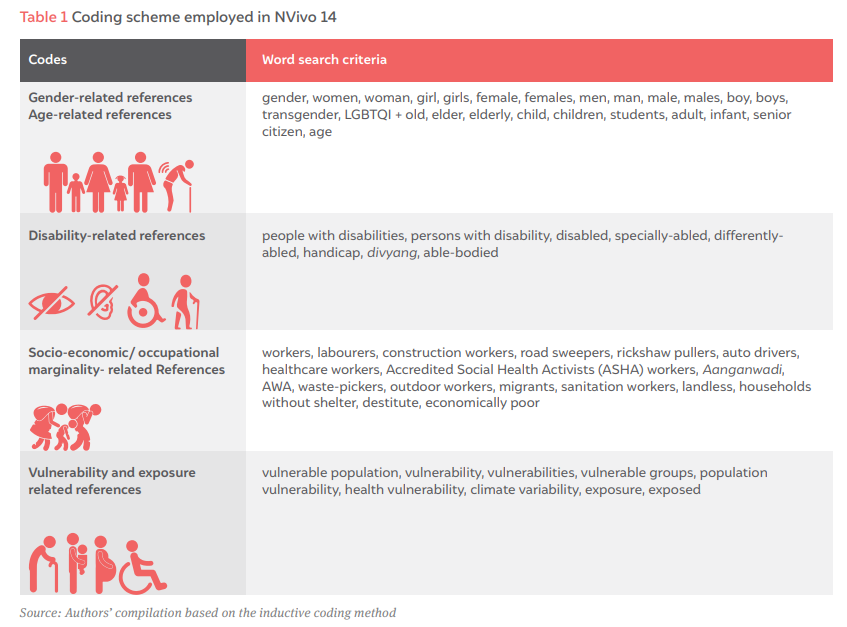
Table 2 List of policies selected for GESI analysis
| Sector | Policy | Year | Abbreviation |
|---|---|---|---|
| Energy access and power generation | Pradhan Mantri Sahaj Bijli Har Ghar Yojana (Saubhagya) | 2017 | PMSBHGY |
| National Solar Mission (Jawaharlal Nehru National Solar Mission) | 2010 | NSM | |
| Pradhan Mantri Ujjwala Yojana (PMUY) | 2016 | PMUY | |
| Environment (Protection) Amendment Rules, 2015 (Thermal Power Plant Emissions Regulations) | 2015 | EPAR (Thermal Power) | |
| Low-emission transport | FAME (Faster Adoption and Manufacturing of Hybrid and Electric Vehicles) Scheme-2 | 2019 | FAME 2 |
| Auto Fuel Policy | 2014 | AFP | |
| Waste management | Crop Residue Management Operational Guidelines | 2023 | CRM |
| Solid Waste Management Rules | 2016 | SWMR | |
| Construction and Demolition Waste Management Rules | 2016 | CDWMR | |
| Air quality management | National Ambient Air Quality Standards | 2019 | NAAQS |
| The Air (Prevention and Control of Pollution) Act | 1981 | APCPA | |
| National Clean Air Program (NCAP) | 2019 | NCAP | |
| Graded Response Action Plan (GRAP) | 2023 | GRAP | |
| Commission for Air Quality Management Act | 2021 | CAQM | |
| Smart City Mission | 2015 | SCM | |
| Guidelines for Ambient Air Quality Monitoring | 2003 | GAAQM | |
| Air pollution and health | National Programme on Climate Change and Human Health – Guidelines | 2022 | NPCCHH-G |
| National Programme on Climate Change and Human Health – Advisory on air pollution and health | 2022 | NPCCHH-A | |
| National Programme on Climate Change and Human Health – Adaptation plan for diseases due to air pollution | 2021 | NPCCHH-AP |
Source: Authors' compilation
For an explanation of each policy’s relevance to the analysis, see Annexure 1.
In this section, we delve into the GESI landscape within air pollution policies. Identified patterns reveal a spectrum of responsiveness, ranging from policies lacking GESI integration to those demonstrating targeted approaches. Our analysis methodically identifies and quantifies the occurrences of specific themes or concepts pertinent to GESI within the policy texts. We analyse policies through the lens of the following questions:
1. To what extent do the selected policies acknowledge and enable gender equity?
2. How effectively do the selected policies acknowledge and enable social inclusion?
3. How do the policies define vulnerability to air pollution, and which groups or individuals are considered vulnerable?
Table 3 illustrates the outcomes of the content analysis, mapping the frequency of the concepts identified through the developed coding scheme (Table 1) within each selected policy document.
GESI-blind policies
Seven of the 19 reviewed policies lack a GESI perspective in their regulatory frameworks. These policies are the Environment (Protection) Amendment Rules, 2015, which pertain to thermal power plant emissions regulations; the Faster Adoption and Manufacturing of Hybrid and Electric Vehicles Scheme-2 (FAME); the Guidelines for Ambient Air Quality Monitoring; the Commission for Air Quality Management Act; the Air (Prevention and Control of Pollution) Act; the National Ambient Air Quality Standards; and the Crop Residue Management Operational Guidelines. These policies fail to acknowledge the differential impact of air quality issues on various genders and marginalised groups.
Table 3 Results of the content analysis of the selected policies showcasing the extent of themes or concepts pertinent to GESI within the policy texts
| Policy | Gender-related references (Frequency) | Age-related references (Frequency) | Disability-related references (Frequency) | Socio-economic/ occupational marginality-related references (Frequency) |
|---|---|---|---|---|
| PMSBHGY | 1 | 2 | 1 | 3 |
| NSM | 1 | 1 | 0 | 0 |
| PMUY | 19 | 6 | 0 | 0 |
| EPAR (thermal power) | 0 | 0 | 0 | 0 |
| FAME 2 | 0 | 0 | 0 | 0 |
| AFP | 0 | 8 | 1 | 1 |
| CRM | 0 | 0 | 0 | 0 |
| SWMR | 0 | 0 | 0 | 21 |
| CDWMR | 0 | 0 | 0 | 6 |
| NAAQS | 0 | 0 | 0 | 0 |
| APCPA | 0 | 0 | 0 | 0 |
| NCAP | 4 | 4 | 0 | 1 |
| GRAP | 0 | 2 | 0 | 0 |
| CAQM | 0 | 0 | 0 | 0 |
| SCM | 2 | 4 | 1 | 0 |
| GAAQM | 0 | 0 | 0 | 0 |
| NPCCHH-G | 2 | 0 | 2 | 17 |
| NPCCHH-A | 3 | 3 | 0 | 2 |
| NPCCHH-AP | 17 | 22 | 24 | 30 |
Source: Authors' analysis
Gender equity
Gender-blind: When analysed for the integration of gender equity concerns, 11 of the 19 policies were found to be gender-blind. Specifically, all low-emission transport and waste management policies failed to incorporate gender equity considerations. Further, 5 out of 7 policies on air quality management were identified as gender-blind.
Gender-aware: While some policies acknowledge the disproportionate impacts of air pollution on women, they do not engage with concerns of gender equity in depth. These policies are Pradhan Mantri Sahaj Bijli Har Ghar Yojana (Saubhagya) 2017, National Solar Mission (Jawaharlal Nehru National Solar Mission) 2010, National Clean Air Program (NCAP) 2019, Smart City Mission 2015, the guidelines and advisory on the National Programme on Climate Change and Human Health 2022. For example, Saubhagya aims to ensure electricity connectivity for all households without power in India.
It identifies female-headed households as one of its target groups based on deprivation indicators. However, it overlooks gender dimensions in other marginalised categories, such as SC/ST communities, landless individuals, and casual labourers. This approach implies a lack of depth in addressing gender equity across all disadvantaged groups.
Gender-responsive: Two policies, i.e., the Pradhan Mantri Ujjwala Yojana, 2016, and the National Programme on Climate Change and Human Health Adaptation Plan for Diseases due to Air Pollution, 2021, had the most significant number of gender references in the policy text.
PMUY explicitly addresses:
• Health hazards from traditional cooking fuels: The policy highlights the significant health risks that traditional cooking fuels such as firewood and cow dung pose to women and children. These fuels emit harmful smoke containing particulate matter and chemicals, which can lead to both acute and chronic respiratory illnesses, including pneumonia and lung cancer.
• Transition to clean cooking fuels: The primary objective of the scheme is to safeguard the health of women and children by transitioning from traditional biomass fuels to clean cooking fuels, specifically liquefied petroleum gas (LPG). This transition aims to reduce exposure to harmful kitchen smoke and improve overall health outcomes.
• Reduction in drudgery for women: The policy acknowledges the burden placed on women and girls in gathering, processing, and transporting firewood for cooking. By providing LPG connections, it aims to alleviate this drudgery, saving time spent on cooking and related activities, and potentially enabling women to participate in productive economic activities, thus improving their economic status.
Likewise, NPCCHH-AP addresses gender equity concerns in the following ways:
• Identification of vulnerable populations: The policy specifically identifies vulnerable groups, such as pregnant women, children under 14, and others who are particularly susceptible to the health impacts of air pollution. This recognition is considered crucial for developing targeted interventions that address the unique needs of these groups.
• Women and child development focus: The policy acknowledges the significant role of the Women and Child Development Department in advocating for measures to protect women and children from exposure to indoor air pollution, especially from biomass burning. It highlights the disproportionate impact that air pollution has on women and children, stressing the need for specific protective measures.
• Community engagement and empowerment: The policy encourages community engagement through awareness campaigns and social mobilisation, often engaging women’s self-help groups and community leaders. This approach recognises and utilises the influential role of women in community health and environmental initiatives.
• Linkage with cleaner fuel initiatives: The policy recognises initiatives like PMUY, which increase the availability of cleaner fuels to rural and tribal areas. This linkage is essential for addressing the impacts of air pollution on women and children, who are typically the primary users of household fuels.
• Healthcare capacity building: The policy emphasises strengthening the capacity of the health system, by training health professionals and community health workers. Through this, the policy aims to ensure that healthcare providers are equipped to address air pollution–related health issues, which disproportionately affect women and children.
• Role of community health workers: The policy underscores the role of community health workers, such as ASHA workers, in raising awareness at the community level about air pollution sources, health problems, and prevention methods. These workers are often women and are influential in reaching out to and educating other women in the community.
Social inclusion
In addition to gender equity concerns, we also focused on social inclusion, particularly examining how policies address vulnerabilities related to age, economic status, occupational exposure, and disability in the context of air pollution.
Our analysis reveals that age-related vulnerabilities related to air pollution, particularly those affecting children and the elderly, were explicitly acknowledged in 9 policy instances, reflecting a reasonable level of consideration. Socioeconomic and occupational exposure vulnerabilities, affecting groups such as workers, labourers, construction workers, road sweepers, rickshaw pullers, auto drivers, healthcare workers, ASHA workers, Aanganwadi workers, AWA, waste-pickers, outdoor workers, migrants, sanitation workers, landless, households without shelter, and destitute, are referenced in eight instances, indicating a moderate recognition of these factors. However, disability-related vulnerabilities were mentioned only in five instances, highlighting a substantial gap in the policy framework and stressing a need for greater inclusivity for individuals with disabilities in the context of air pollution.
Policies specifically addressing vulnerabilities due to occupational exposure:
• The Guidelines on Environmental Management of Construction & Demolition (C&D) Wastes mention the provision of drinking water, sanitary facilities, and washing/bathing facilities for construction workers, proper lighting arrangements for night operations to ensure worker safety during landfill operations after dark, and earplugs for workers during operations.
• The Solid Waste Management Rules, 2016 highlights the importance of engaging key stakeholders, such as waste pickers and self-help groups, in solid waste management strategies. It facilitates the formal registration of waste pickers and promotes their integration into the solid waste management system. It also encourages SHGs to undertake training on safe waste handling and management practices. Further, it mandates using personal protective equipment for all workers handling waste to safeguard their health and safety
• The National Programme on Climate Change and Human Health (NPCCHH) identifies occupational hazards faced by groups exposed to air pollution, including outdoor workers such as traffic police, construction workers, and street vendors. While it aims to capacitate and strengthen the healthcare workforce, the policy also prioritises measures that safeguard the health and safety of healthcare workers and professionals who address diseases related to air pollution.
Policies addressing age-related vulnerabilities to air pollution:
• The Pradhan Mantri Ujjwala Yojana, 2016, implicitly acknowledges the health risks faced by children, particularly due to smoke exposure from traditional cooking methods. By providing LPG connections to households, the policy aims to create a healthier living environment for children, safeguarding them against respiratory problems and other health hazards associated with smoke and soot. Additionally, the policy recognises that in many households, girls often near the responsibility of gathering firewood and assisting in cooking with traditional fuels, which can impede their education. By reducing these burdens, PMUY indirectly contributes to better school attendance and educational opportunities for girl children.
• The Graded Response Action Plan (GRAP), 2023, includes specific provisions for children and the elderly, particularly in response to ‘severe’ and ‘severe+’ air quality conditions. Recognising the vulnerability of young children to air pollution, the GRAP policy suggests that state governments in the National Capital Region (NCR) and the Government of the National Capital Territory of Delhi (GNCTD) may discontinue physical classes in schools for children up to Class V during severe air quality conditions. The shift to online classes is recommended to ensure educational continuity while protecting the health of children. As air quality worsens, the policy extends the recommendation to include higher grades (VI–X and XI).
The elderly, children, and individuals with chronic health conditions are advised to limit outdoor activities and stay indoors as much as possible during high-pollution days.
Policies addressing vulnerabilities of differentlyabled individuals to air pollution:
• The perception of disability as a critical vulnerability in policy responses to climate change and air pollution is often limited. However, in its guidelines and adaptation plan, the NPCCHH explicitly addresses disability. In collaboration with the WHO, the NPCCHH developed a checklist to help identify gaps and actions for enhancing climate resilience in healthcare facilities (HCFs). This checklist includes open-ended questions on various aspects, such as emergency management, facilities management, services, and supply chain management. Notably, one of the questions in the checklist is, “Does your facility have separate clean, functional toilets for male, female, LGBT, Divyang, etc., with a regular supply of running water?” By integrating Divyangfriendly (differently-abled-friendly) measures at the design stage, the policy highlights the importance of ensuring that the design and infrastructure of these facilities are accessible and accommodating to people with disabilities from the outset.
Definition of ‘vulnerability/ vulnerable groups’
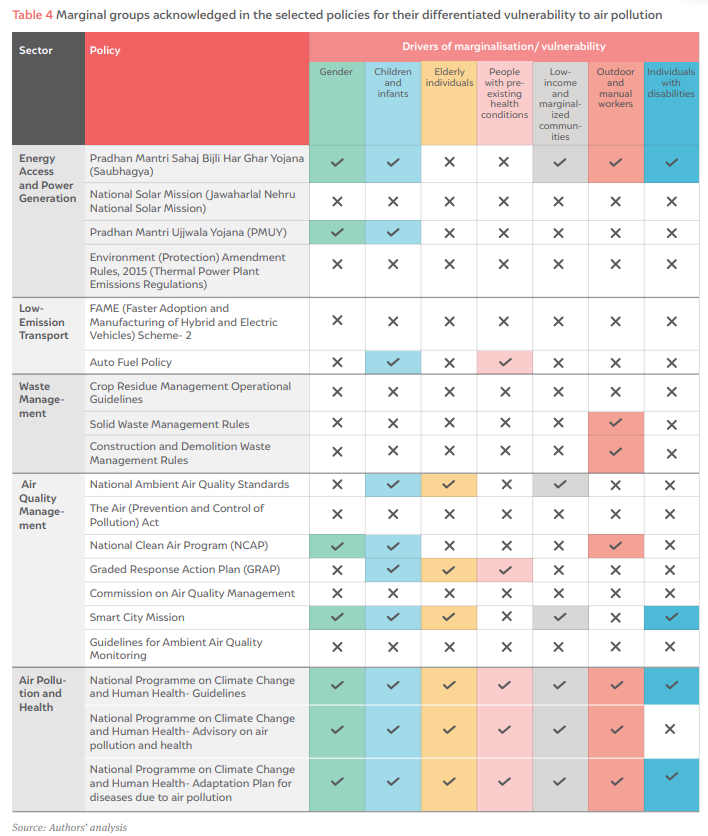
In the context of air pollution, ‘vulnerable groups’ refer to sections of the population that are more susceptible to the adverse health impacts of air pollution due to diverse factors such as age, health status, socioeconomic conditions, or exposure levels. These groups often include children and infants; elderly individuals; people with pre-existing health conditions (respiratory or cardiovascular conditions, such as asthma, COPD, heart disease, or diabetes); pregnant women; low-income and marginalised communities; outdoor and manual workers; and individuals with disabilities.
Policy-wise, there is variability in the recognition of vulnerable groups. The NPCCHH stands out as the most comprehensive. In contrast, policies like the FAME Scheme and the Guidelines on Ambient Air Quality have a more limited scope in acknowledging vulnerability to air pollution. Children and infants, along with elderly individuals, are the most consistently recognised across policies, whereas pregnant women and individuals with disabilities are the least recognised. Table 4 presents the various vulnerable groups that are acknowledged in the selected policies.
The NPCCHH provides a comprehensive definition of vulnerable groups.
The following people may be considered vulnerable to health consequences of air pollution:
• Age group: Children under the age of five and elderly individuals.
• Pregnant women: Exposure during pregnancy may have consequences for the child in the womb.
• Predisposed health or medical conditions: Individuals with pre-existing illnesses of the respiratory and cardiovascular system, etc., are at high risk.
• Low socioeconomic conditions: Individuals with poor nutritional status and those living in poor housing, using fossil fuels for cooking, heating, and lighting purposes have high risk.
• Occupational group: Individuals with the possibility of prolonged exposure, such as traffic police officers, traffic volunteers, construction workers, road sweepers, rickshaw pullers, auto-rickshaw drivers, roadside vendors, and those working outdoors in polluted settings are at high risk. Women burning biomass for cooking and sweeping dust are vulnerable on account of their household work.
Table 5 Overall results for GESI-responsiveness of selected policies
| Overall GESI-responsiveness3 of policies addressing air pollution | |||||||||
|---|---|---|---|---|---|---|---|---|---|
| Sector | Policy | Year | Policy Relevance | Direct/ Indirect relevance | Does it acknowledge gender concerns? | Does it address gender concerns? | Does it acknowledge social equity concerns? | Does it address social equity concerns? | Overall GESI (Gender Equity and Social Inclusion) responsiveness |
| Energy access and power generation | PMSBHGY | 2017 | Electrification and pollution reduction | Indirect | ✓ | ✗ | ✓ | ✓ | Gender-aware; social-equity-targeted |
| NSM | 2010 | Clean energy utilization | Direct | ✓ | ✗ | ✓ | ✗ | GESI-aware | |
| PMUY | 2016 | Indoor air quality improvement | Direct | ✓ | ✓ | ✓ | ✓ | GESI-responsive | |
| EPAR (Thermal Power) | 2015 | Emission control installation | Direct | ✗ | ✗ | ✗ | ✗ | GESI-blind | |
| Low-emission transport | FAME-2 | 2019 | Electric vehicle adoption | Indirect | ✗ | ✗ | ✗ | ✗ | GESI-blind |
| AFP | 2014 | Fuel quality enhancement | Direct | ✗ | ✗ | ✓ | ✗ | GESI-blind | |
| Waste management | CRM | 2023 | Agricultural burning prevention | Direct | ✗ | ✗ | ✗ | ✗ | GESI-blind |
| SWMR | 2016 | Open burning minimisation | Indirect | ✗ | ✗ | ✓ | ✓ | Gender-blind; social-equity-targeted | |
| CDWMR | 2016 | Construction pollution management | Direct | ✗ | ✗ | ✓ | ✓ | Gender-blind; social-equity-targeted | |
| Air quality management | NAAQS | 2019 | Air quality standards setting | Direct | ✗ | ✗ | ✗ | ✗ | GESI-blind |
| APCPA | 1981 | Pollution prevention framework | Direct | ✗ | ✗ | ✗ | ✗ | GESI-blind | |
| NCAP | 2019 | Targeted pollution mitigation | Direct | ✓ | ✗ | ✓ | ✗ | GESI-aware | |
| GRAP | 2023 | Air quality emergency response | Direct | ✗ | ✗ | ✓ | ✓ | Gender-blind, Social-equity-targeted | |
| CAQM | 2021 | Air quality governance | Direct | ✗ | ✗ | ✗ | ✗ | GESI-blind | |
| SCM | 2015 | Urban environment enhancement | Direct | ✓ | ✗ | ✓ | ✗ | GESI-aware | |
| GAAQM | 2003 | Monitoring system establishment | Direct | ✗ | ✗ | ✗ | ✗ | GESI-blind | |
| Air pollution and health | NPCCHH-G | 2022 | Health risk mitigation | Direct | ✓ | ✓ | ✓ | ✓ | GESI-responsive |
| NPCCHH-A | 2022 | Pollution exposure reduction | Direct | ✓ | ✓ | ✓ | ✓ | GESI-responsive | |
| NPCCHH-AP | 2021 | Health adaptation strategies | Direct | ✓ | ✓ | ✓ | ✓ | GESI-responsive | |
Source: Authors' analysis
3. GESI-blind: These policies do not take gender or social inclusion into consideration and may inadvertently reinforce existing inequalities. Their main objective is to address the issue at hand, such as air pollution, without considering how it may affect different gender or social groups differently.
GESI-aware: These policies recognise the importance of gender and social inclusion and may include some elements that address these issues, but do not actively or systematically address them. The main objective is to be mindful of gender and social inclusion issues and to avoid reinforcing existing inequalities.
GESI-responsive: These policies actively address gender and social inclusion issues and are designed to reduce inequalities. The main objective is to actively reduce gender and social inequalities by providing targeted support and interventions that address the specific needs and vulnerabilities of different groups.
Social-equity-targeted: These policies only acknowledge and address existing social inequities while addressing air pollution without addressing gender concerns. These policies identify and aim to mitigate the unique impacts that air pollution may have on certain social groups.
Our policy analysis reveals a significant gap in integrating Gender Equity and Social Inclusion (GESI) within India’s air quality management framework. Of the 19 reviewed policies, 7 were identified as GESIblind, indicating a systemic oversight in acknowledging the nuanced impacts of air pollution across different social strata and genders. Most of the reviewed policies did not recognise gender differences in exposure and susceptibility to air pollution, rendering them genderblind. This oversight suggests a pervasive gender bias within policy frameworks, potentially resulting in interventions that fail to address or even exacerbate existing disparities.
Despite recognising the disparate impact of air pollution on women, the policies classified as gender-aware lacked the depth needed to address these inequities effectively. For instance, policies like the Saubhagya scheme fell short in their gender equity considerations, reflecting only a surface-level engagement with these critical issues. In contrast, the Pradhan Mantri Ujjwala Yojana (PMUY) and the National Programme on Climate Change and Human Health (NPCCHH) demonstrated a higher degree of gender-responsiveness. However, the limited number of gender-responsive policies highlights the need for a broader and more consistent application of a gender lens in policy development.
Additionally, most policies failed to acknowledge age and socioeconomic factors, leaving certain vulnerable groups inadequately protected. A critical gap is the limited consideration given to individuals with disabilities, who face compounded challenges due to both physical barriers and policy neglect. The following recommendations aim to foster a more inclusive policy environment. However, the successful implementation of these recommendations depends on several factors, such as the diligent collection and application of gender-disaggregated data to inform policy decisions, political commitment to embed gender analysis throughout policy cycles, ensuring that policies are not just nominally but substantively gender-responsive and inclusive, the commitment to move beyond recognition to active redressal of identified vulnerabilities, and the effectiveness of community engagement strategies.
Specific policy recommendations to enhance the GESI-responsiveness of policies regulating air pollution in India
1. Mandate systematic data collection: government and policy making bodies like MOEFCC and MoHFW should enact policies that mandate the systematic collection of disaggregated data on air pollution impacts across gender, caste, socioeconomic status, and other parameters of marginalisation. This can be achieved by implementing standardised protocols integrated with health systems. Utilising health data agencies and digital platforms for advanced analytics will enhance data collection, storage, and real-time analysis, ensuring the inclusion of remote and marginalised communities. Additionally, it is essential to strengthen the capacities of nationaland local-level governance bodies to implement and manage this process effectively.
2. Conduct gender analysis in policy design: policy makers and programme designers should incorporate a systematic gender analysis during the policy design and implementation phases to critically assess the unique needs and challenges faced by genderdiverse people. Without this analysis, there is a risk of reinforcing existing inequalities or overlooking distinctive challenges faced by different gender groups.
3. Develop targeted interventions: government and non-government agencies should develop interventions that address specific vulnerabilities associated with gender, age, economic status, occupational exposure, and disabilities. These interventions should be designed to mitigate the unique risks and exposure levels that different groups face due to air pollution, ensuring their needs are substantively and effectively met. For instance, PMUY can be expanded to address indoor air pollution sources beyond cooking, such as fossil fuel-based heating and lighting sources, which may disproportionately affect children and individuals with pre-existing health conditions. Additionally, address the high exposure of transport-disadvantaged groups to on-road pollution – including women, children, older adults, and persons with disabilities – who rely on public transit and shared transport (Goel, 2023; Kakar et.al., 2021) . These groups often spend prolonged periods in highly polluted areas while waiting for transport.
4. Ensure equitable representation: local governance bodies and civil society organizations should ensure and enable inclusion of women, men, and gender minorities in decision-making processes related to air pollution. This includes employing participatory approaches and holding consultations with pertinent groups and stakeholders.
5. Foster ministerial collaboration: Central and State government stakeholders should facilitate active collaboration between key nodal ministries, such as the Ministry of Environment, Forest and Climate Change, Ministry of Health and Family Welfare, Ministry of Women and Child Development, Ministry of Labour and Employment, and Ministry of Housing and Urban Affairs. These ministries should collaborate in the design and implementation of air pollution management policies. Additionally, they should appoint GESI co-ordinators to oversee efforts aimed at mitigating air pollution and reducing the exposure of all vulnerable and marginalised populations.
6. Ensure accessible information and services: national health departments and local authorities should Ensure that health advisories, information campaigns, and healthcare services related to air pollution are accessible to all, including individuals with disabilities. This can be achieved by using multiple languages and formats (including braille and sign language) for communication.
7. Leverage community networks: Government programmes should leverage support from community networks such as women’s self-help groups and local non-governmental organisations (NGOs), to raise awareness and implement air pollution interventions. These groups can be instrumental in addressing the needs of women and socially marginalised groups. These networks can act as a bridge between policymakers and the community, providing feedback on on-ground realities and the effectiveness of air pollution initiatives.
8. Prioritise gender budgeting: Financial planning bodies within key ministries should allocate adequate funding for gender-responsive goals and activities. This would also enable the collection and analysis of gender-disaggregated data.
9. Regularly assess policy impact: Government agencies responsible for monitoring air pollution policies, in collaboration with independent evaluation bodies, should regularly assess impact of policies on gender and social equity through formalised management information systems (MIS). Establish mechanisms for feedback and continuous improvement, such as surveying and interviewing diverse community members to capture their direct experiences and perspectives on the policy’s impact. Incorporate gender-specific indicators and measure gender-differentiated implications in the monitoring and evaluation of policy actions. Additionally, hosting public forums and workshops can provide a platform for these communities, especially the marginalised, to voice their experiences and provide valuable suggestions.
GESI is a framework for evaluating whether policies recognise that people experience the impacts of air pollution differently depending on their gender, age, disability status, occupation, and socioeconomic position. Research shows that women, children, the elderly, low-income households, and people with disabilities are disproportionately exposed to air pollution's health effects, often due to how they cook, work, travel, and access healthcare. A policy that is GESI-blind risks channeling resources and protections toward those already better positioned to access them, while leaving the most vulnerable groups underserved.
The study identified policies through targeted keyword searches (for example, "air quality and policy" and "gender equity or social inclusion and air pollution regulation") across the FAOLEX and ECOLEX databases and nodal ministry websites. It focused on guidelines, regulations, acts, and schemes formulated from 2010-2024, while also including few older but still-applicable policies, such as The Air (Prevention and Control of Pollution) Act, 1981. The resulting 19 policies span five sectors: energy access and power generation, low-emission transport, waste management, air quality management, and air pollution and health. Each policy was analysed using content and discourse analysis, supported by NVivo 14 software, to assess how - and how substantively -it engages with gender equity, social inclusion, and vulnerability.
These are the three categories used to classify each policy's engagement with gender equity and social inclusion. GESI-blind policies do not consider gender or social inclusion at all and may inadvertently reinforce existing inequalities. GESI-aware policies recognise that different groups have different needs but stop short of actively addressing them within the policy design. GESI-responsive policies go furthest: they actively target gender and social inequalities through specific interventions, such as prioritising healthcare access for women and children or engaging marginalised communities in decision-making. A related category, social-equity-targeted, describes policies that address the needs of specific social groups without engaging with gender concerns.
Only two of the 19 policies- the Pradhan Mantri Ujjwala Yojana (PMUY) and the National Programme on Climate Change and Human Health (NPCCHH)- were classified as GESI-responsive. Both explicitly address the health risks of traditional cooking fuels and identify specific vulnerable populations, such as pregnant women and children under five. At the other end, seven policies were found to be entirely GESI-blind, including the National Ambient Air Quality Standards, The Air (Prevention and Control of Pollution) Act, the Commission for Air Quality Management Act, the FAME-2 electric vehicle scheme, and the Environment (Protection) Amendment Rules, 2015 governing thermal power plant emissions.
The UN Convention on the Rights of Persons with Disabilities (UNCRPD) describes persons with disabilities as people with long term physical, mental, intellectual or sensory impairments which, in interactions with various barriers, may hinder their full and effective participation on an equal basis with others. In our analysis, disability-related vulnerabilities were mentioned in just five times across all 19 policies analysed- the lowest of any vulnerability dimension studied, compared with nine instances for age-related vulnerabilities and eight for socioeconomic/occupational vulnerabilities. Only the National Programme on Climate Change and Human Health (NPCCHH) substantively addresses disability, through a checklist developed in collaboration with the WHO that helps healthcare facilities assess their readiness to serve people with disabilities, including asking whether facilities have separate, functional toilets for Divyang (differently-abled) users. This near-total silence means people with disabilities face compounded barriers, both physical and structural, that current policy is not designed to address.
Yes. The analysis found a sharp sectoral divide: all policies in the low-emission transport and waste management sectors were found to be gender-blind, failing to incorporate any gender equity considerations. This stands in contrast to the air pollution and health sector, where three NPCCHH sub-policies were rated GESI-responsive. This suggests that GESI considerations are currently treated as relevant mainly to health-focused policy, rather than integrated across the full range of sectors that shape air quality outcomes.
Unlocking Finance for India’s Textile Waste Management
Understanding Clean Cooking Fuel Usage Among Migrants
Are Clean Cooking Fuels Reaching India's Urban Poor?