Council on Energy, Environment and Water Integrated | International | Independent


Context: India’s public food programmes have improved calorie security but remain heavily dependent on rice and wheat, contributing to persistent micronutrient deficiency among vulnerable populations.
CEEW analysis: Community-led initiatives in Maharashtra show how a kitchen gardener, government official, and a sarpanch can together build kitchen gardens, sustain seed-sharing systems, and diversify diets within public nutrition programmes.
Recommendation: Integrating community-led farming, local value chains, and public food programmes, while bringing local cultures and non-market exchange systems to the centre of programme design, can simultaneously address malnutrition and build climate resilience and rural livelihoods.
In the dense forests of Maharashtra’s Vidarbha region, adivasi-led organisations have made significant strides in reducing malnutrition, stunting, and maternal mortality by increasing access to nutritious food. And at the forefront of these initiatives are a woman growing her kitchen garden, a Child Development Protection Officer (CDPO) linking that kitchen garden to government rations, and a trailblazing sarpanch upholding decentralised governance.
To better understand such stories of leadership on connecting public food programmes with climate-resilient nutrition, researchers from the Council on Energy, Environment and Water (CEEW) travelled across villages in Gadchiroli and Chandrapur districts, interacting with farmers, community leaders, and government officials.
What emerged from these conversations was that the solution to the nutrition crisis lies in reviving local institutions and traditions of collective labour. Crucially, community initiatives on nutrition succeed when communities themselves gain and retain ownership of local institutions, with civil society acting as a facilitator rather than a top-down driver from outside the community. This blog focuses on three individuals whose work embodies this convergence of community action, governance support, and local leadership.
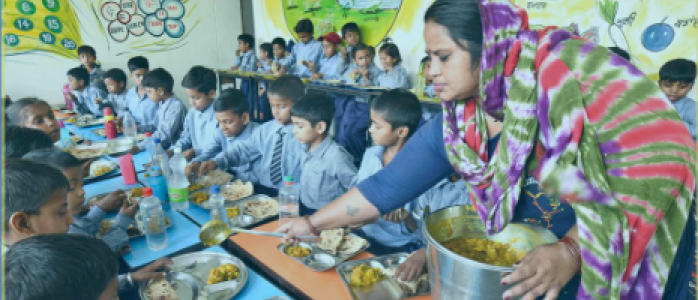
India’s nutrition challenge has its roots in a long history of hunger and food insecurity, shaped in part by colonial-era famines and the weakening of indigenous food systems. In response, post-independence India introduced a range of public food programmes, such as the Public Distribution System (PDS), PM Poshan Shakti Nirman (PM POSHAN), and Saksham Anganwadi and Poshan 2.0 programme (formerly the Integrated Child Development Scheme or ICDS) to ensure access to affordable food for vulnerable populations. These programmes were successful in preventing the recurrence of famines in independent India. However, their design primarily prioritised calorie sufficiency through rice and wheat.
As a result, cereals now account for nearly three-fourths of India’s carbohydrate intake and half of total protein consumption, far exceeding the National Institute of Nutrition’s recommended limit of 32 per cent for protein derived from cereals. Dietary diversity has declined among lower-income populations, with millet consumption falling by nearly 40 per cent in the last decade and meeting barely 15 per cent of the recommended intake. These trends highlight the urgent need to diversify diets and reintroduce locally grown, nutrient-dense crops into public food programmes, a shift that can be enabled by coordinated action among farmers, nutrition experts, and government institutions.
Nirasha and her garden of defiance
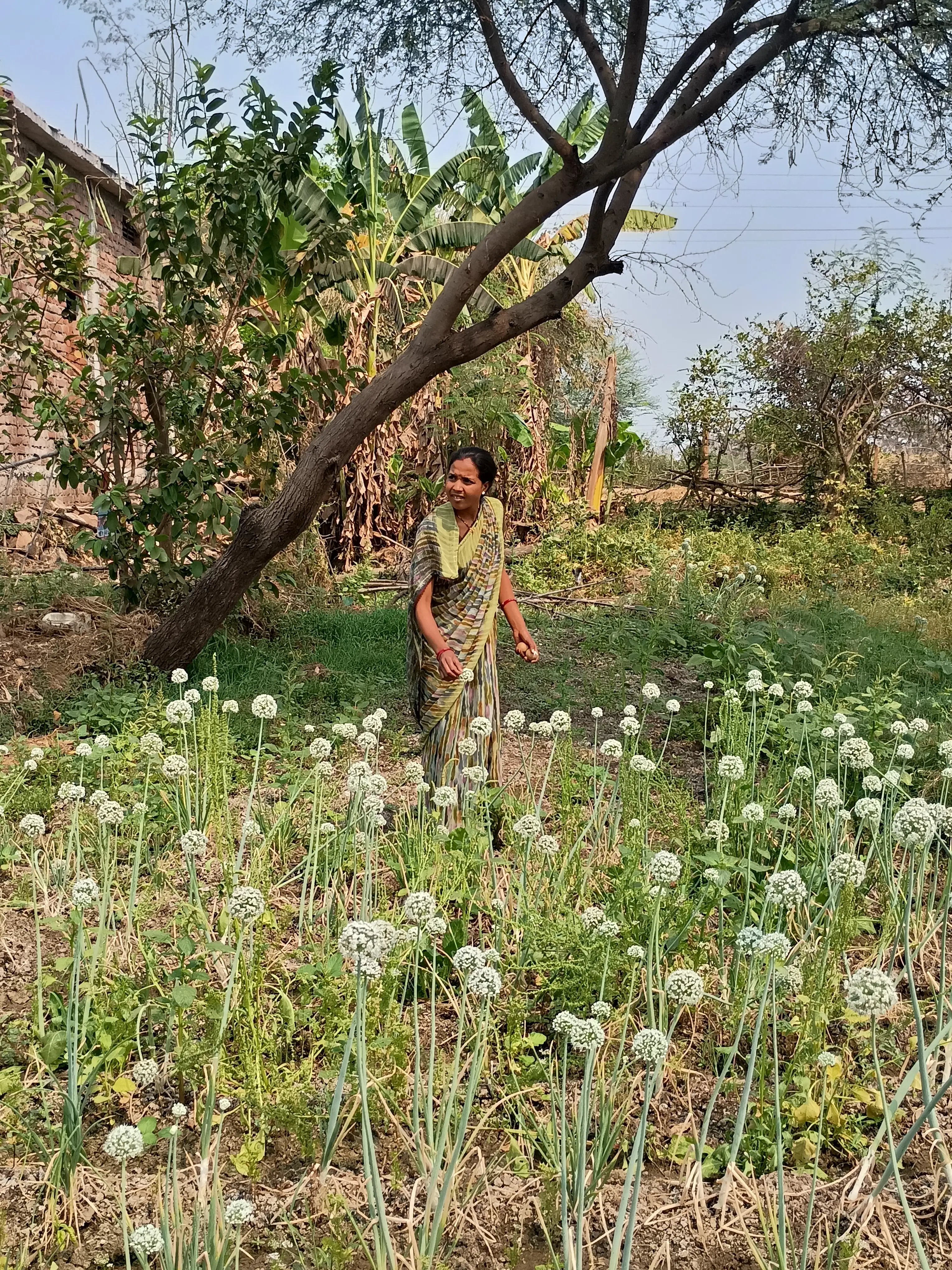
Image 1. Nirasha in her kitchen garden in Ran Botli, Chandrapur. Source: CEEW
Nirasha — whose name translates to 'disappointment' in Marathi — has quietly transformed the meaning once attached to her identity. Born into a Scheduled Tribe family in Chak Bothli village and literally named a disappointment for being the fourth girl child, she today stands as a successful organic farmer and a member of the Mahila Shetkari Gat. The Mahila Shetkari Gat, or Female Farmers' Group, functions as a grassroots collective where women pool indigenous seeds and share agricultural labour. When formalised into a Farmer-Producer Organisation (FPO), the group becomes a registered business entity, enabling the women to undertake commercial operations, such as bulk procurement of farming inputs and aggregating their harvests for better market negotiation.
Through her community, Nirasha learnt organic cultivation and seed-saving techniques, which she soon adopted in her kitchen garden. What began as a small intervention has since transformed her half-acre plot into a flourishing, year-round source of nutrition. The produce feeds her family of eight, and any surplus harvests are supplied to the local anganwadi, contributing to improved nutrition for children in the community.
Nirasha also reflects a community culture of sharing. Women in the community generally exchange seeds and produce when droughts or supply shortages threaten the household. She herself shared her indigenous variety of chikoo (sapota) fruits with others in her Mahila Gat. They saved and returned the seeds, which she planted to grow another tree which can be used in the next year of low harvest. Thus, an indigenous non-market system of resilience keeps the local variety of crops alive across the village.
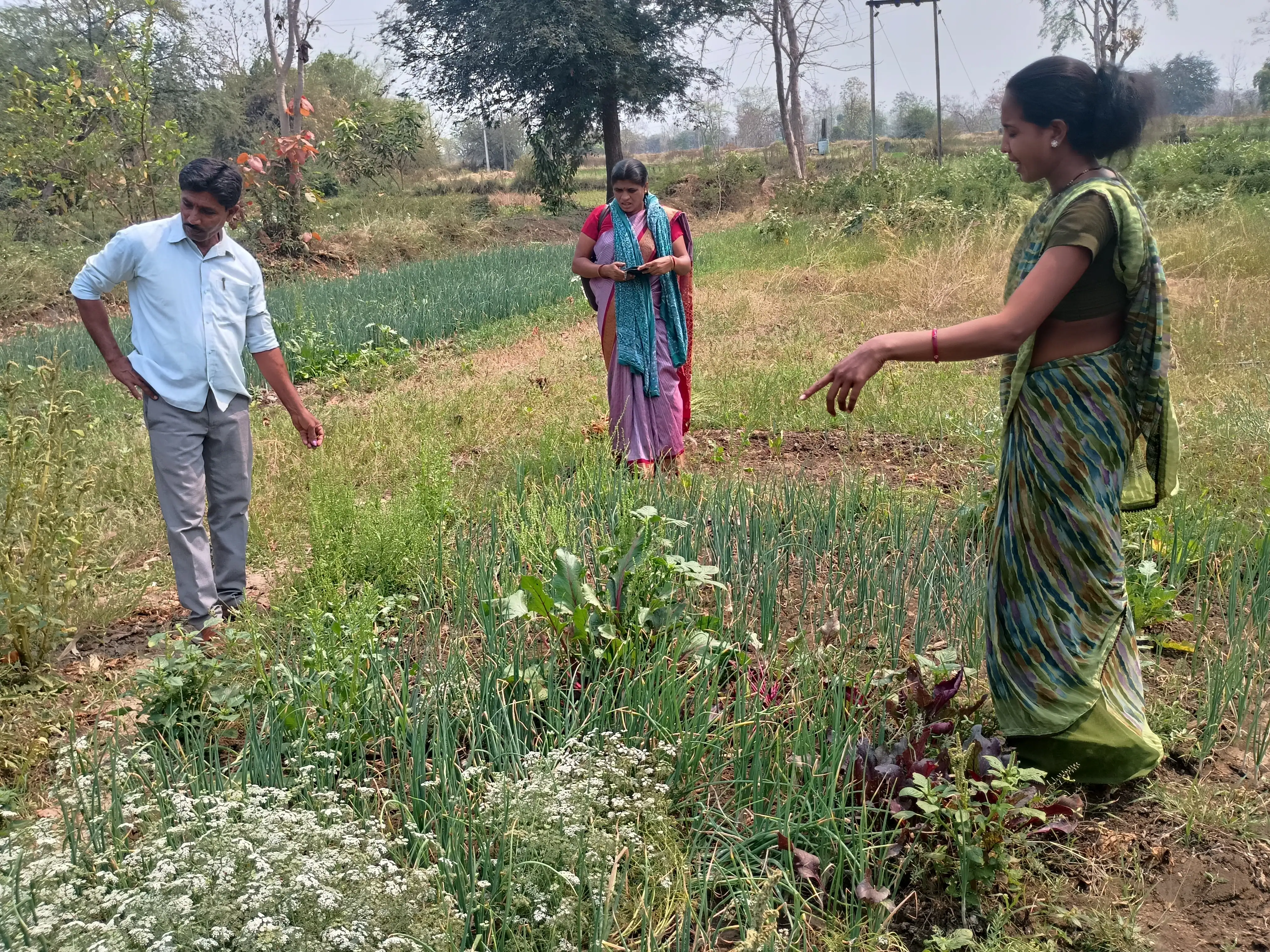
Image 2. Farmers group examining the diverse 365-day crop cover at Nirasha's farm in Chandrapur. Source: CEEW
Her cultivation practice follows an integrated ecological approach: combining intercropping, 365-day cover crops, tree-lined field boundaries, and integrated nutrient management. She grows a variety of crops, including iron-rich ambadi (gongura berry), traditional gourds, indigenous chilli varieties, nigella seeds, jackfruit, and chickoo. This diversity has significantly improved her children’s diets while strengthening farm resilience.
"They called me Nirasha," she says, "but my garden is a source of solace and pride for me."
Today, she trains other women in seed saving, contributing to panchayat-level seed banks where farmers collectively preserve and exchange traditional crop varieties.
To manage water needs during periods of low rainfall, farmers like Nirasha creatively utilise household tap connections provided under the Central government’s Har Ghar Jal scheme. They use this tap water to irrigate their kitchen gardens during extreme heat. The adoption of diversified, traditional seed varieties and continuous soil cover has also revived local insects and worms, which act as mitra keed (friendly pests), enhancing soil health and resilience to climate shocks.
Working with Nirasha made it evident that women farmers, as custodians of traditional ecological knowledge and collective practices, are essential innovators in community nutrition and climate adaptation.
Suresh Rathod and his community nutrition experiment
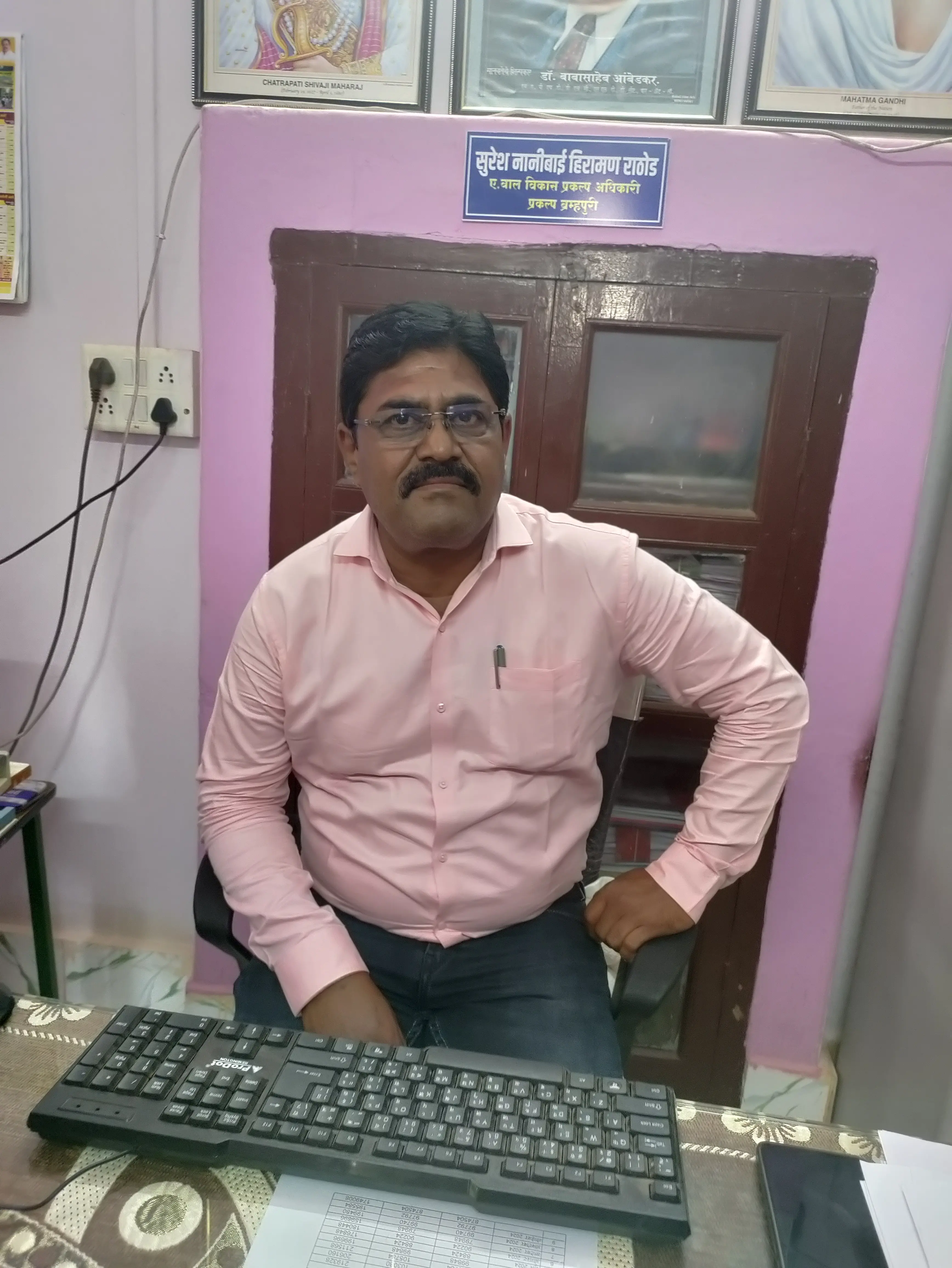
Image 3. Suresh Rathod (CDPO Brahmapuri) bridges formal governance and local reform by regularly hosting community organisations at his office. Source: CEEW
Suresh Rathod, the Child Development Protection Officer (CDPO) in Brahmapuri, plays a pivotal role in bridging community and state systems. His job as a Women and Child Development Department official entails coordinating with anganwadi workers, grassroots organisation members, and block-level officials, while ensuring that locally grown garden produce is integrated into Take Home Rations.
Rathod’s contribution extends beyond administrative coordination. Recognising gaps in nutrition that public provisioning alone could not fulfil, he facilitated the establishment of two programmes under the Department of Women and Child Development: Ek Mutha Dhanya (a fistful of grain) and Aahar Dattak (diet adoption).
Under the Ek Mutha Dhanya programme, anganwadi workers collect voluntary grain contributions from households. Each family donates a handful of millets and/or pulses, which are pooled and redistributed through the Anganwadi system. This simple act of collective sharing supplements the largely rice- and wheat-based government rations, ensuring that community members, especially mothers and children, receive a more diverse range of local staples.
His second initiative, Aahar Dattak (Dietary adoptee), focuses on children classified under Severe Acute Malnutrition and Moderately Acute Malnutrition. The nutritional requirements of these children are ‘adopted’ by relatively well-off community members until they recover from malnutrition. Adoptive families support them by providing freshly cooked meals from their own kitchens, adding to the nutrition children receive through ICDS services. Community members also celebrate their birthdays and track improvements in health and weight through the Mother and Child Protection (MCP) card under the National Health Mission.
The results have been remarkable. “Within three years of this programme being implemented, reported malnutrition cases in these villages have gone down to zero," says Suresh. Such initiatives, due to their low cost, use of local knowledge, and community-led nature, help overcome funding and nutritional shortages in public food programmes.
Suresh’s efforts exemplify how local government officials are crucial and effective first points of collaboration. Their ability to facilitate community-driven redistribution proves that embedding collaborative strategies at the level of local administration is just as vital as central funding. Efforts from the government at the local level thus emerge critical to bridge the gap between community action and scaled impact.
Devaji Tofa and his leadership transformation
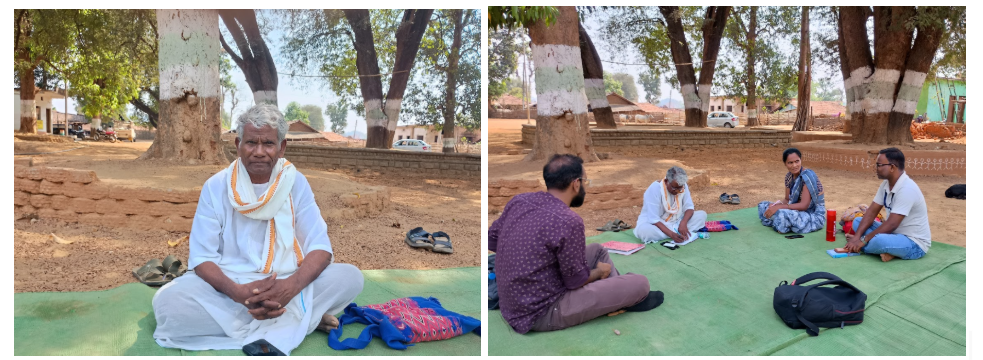
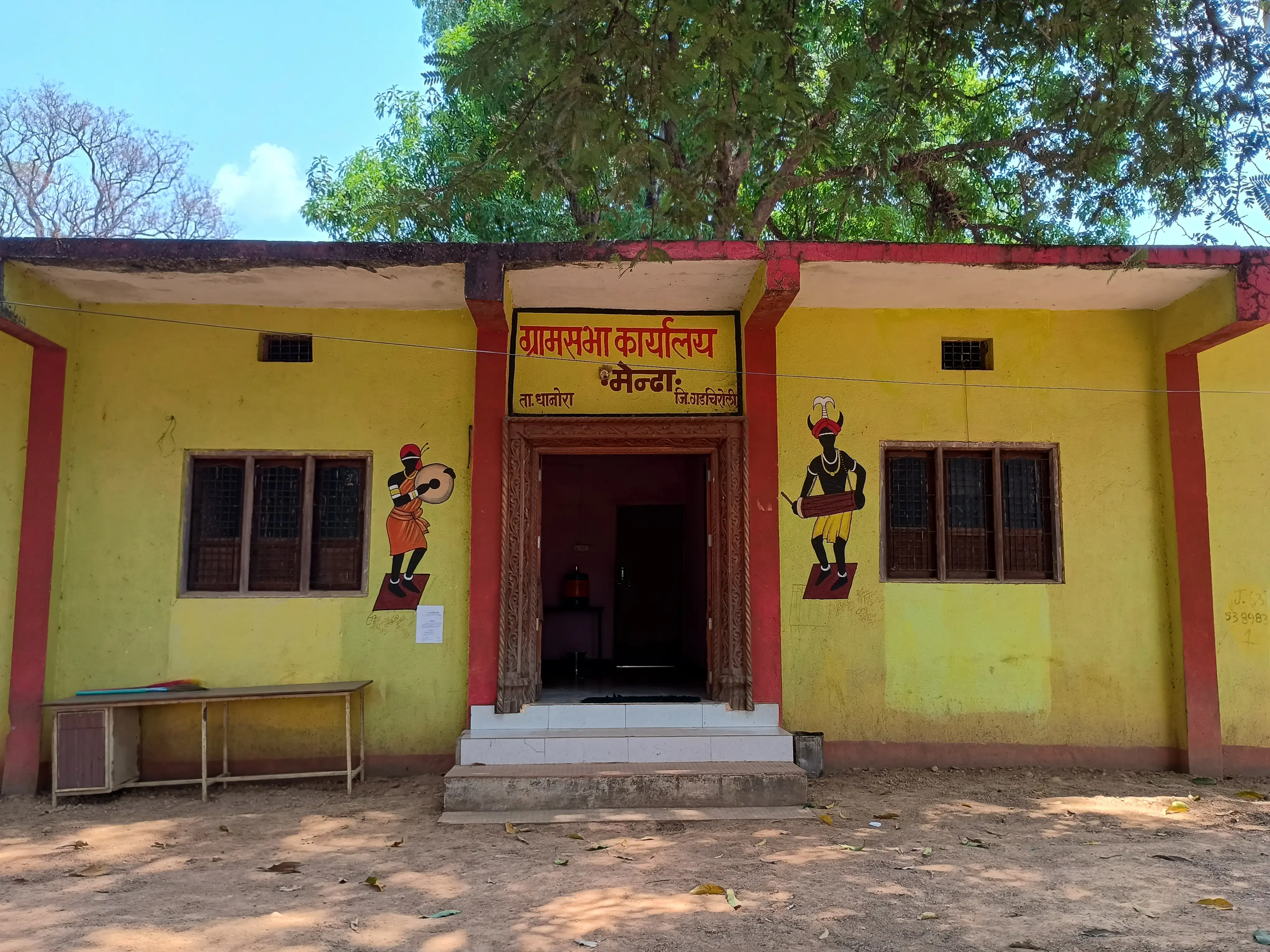
Images 4 and 5. Devaji Tofa, who advocates decentralisation from 'Dilli to Galli,’ taking notes in a meeting on health and nutrition in Mendha village. Source: CEEW
"For me, the true government is the Gram Sabha. The money that comes from Dilli must come directly to the gully." These are the words of Devaji Tofa, a sarpanch from the tribal village of Mendha. Tofa asserts that while the Gram Sabha is supported by different committees on agriculture, nutrition and health, education, water supply and markets, all of which must collaborate for any cropping intervention at the household level, it should be revitalised as the prime decision-making body to create a local system of support for a kitchen garden to take root and succeed.
Mendha is a unique village, having successfully rallied to become a 'Gramdan village', under which all land is collectively owned by the village and is used for the development of the entire community. Land rights are commonly held, ensuring that even landless households receive access to land for cultivation and livelihood.
Devaji explains that the Gram Sabha is now seeking to further 'decentralise control' over the village's nutrition systems. The Village Health Sanitation Nutrition Committee (VHSNC) serves as a key platform for convergence to support dietary diversification. He envisions the Gram Sabha playing a central role in utilising the VHSNC’s annual nutrition grant to integrate the village's diverse, locally produced nutritional products into the anganwadi.
At the heart of Tofa’s efforts is the recentering of the Gram Sabha as the prime decision-making forum, enabling coordination across the multiple systems required to implement the nutritional diversification push in the village. As he puts it, "At the central level, there is way too much room for issues to fall through the cracks of countless departments. At the Gram Sabha level, we can coordinate water, education, health, agriculture, public works, women’s empowerment, and marketing—bringing everything together from production to consumption within the village."
This emphasis on decentralised governance highlights how local self-government institutions can bridge programmatic efforts of the government and the individual successes of farmers, creating more cohesive, community-wide outcomes.
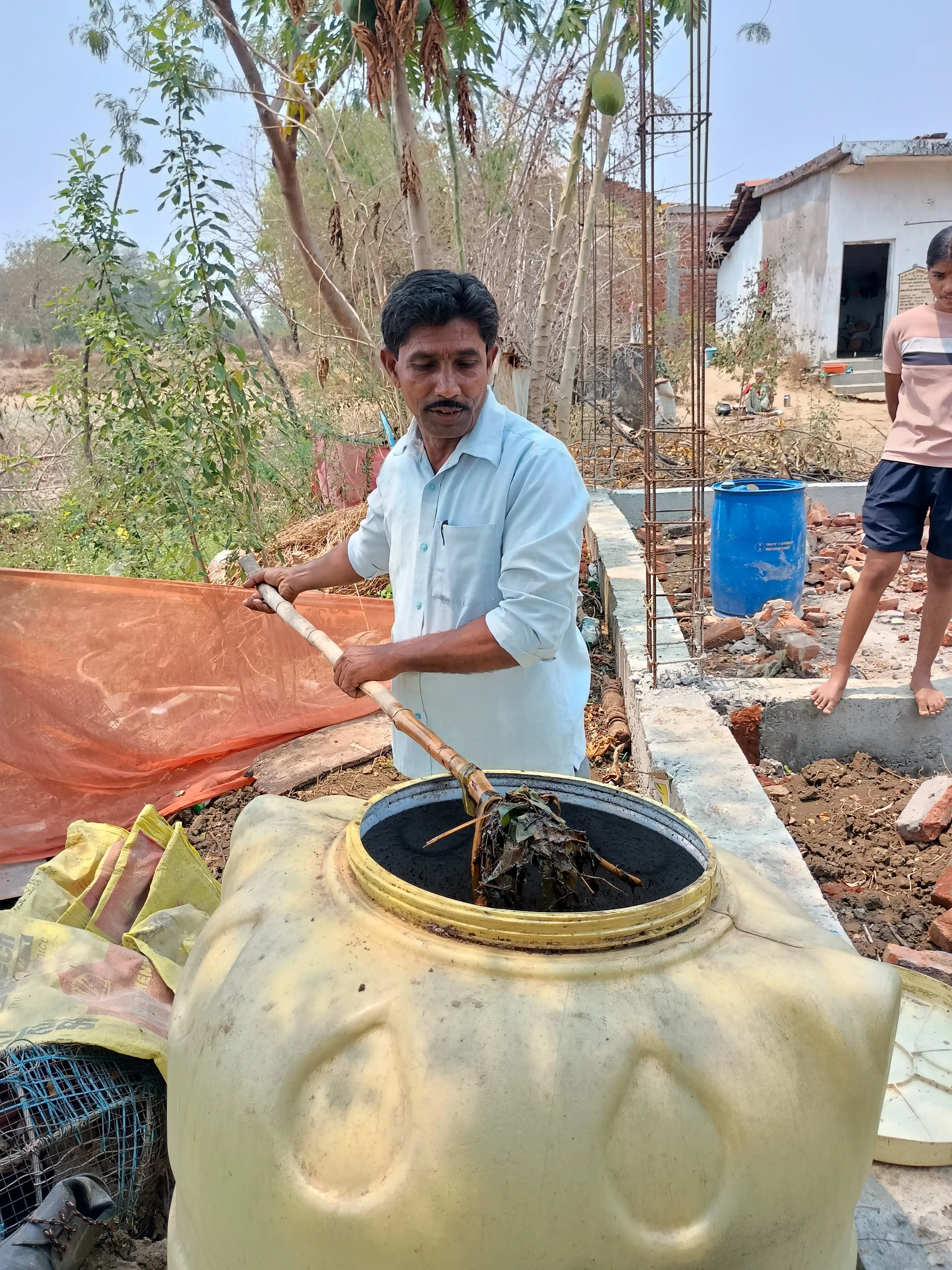
Image 7. Making Dashparni Ark (10-leaf concentrate)— a botanical pesticide and plant protection agent in Chandrapur. Source: CEEW
Nirasha’s garden, Suresh’s community programmes, and Devaji's collective stewardship all share a common thread: a deep-rooted indigenous culture of collective problem-solving and reciprocal care. In these communities, this culture of sharing is sustained by a historical worldview that prioritises collective survival and mutual aid over individual accumulation. What comes across here is not just the traditional 'recommendation' to bring community-led governance to the centre of these public food programmes, but the 'public' itself. Community cultures of sharing, non-market exchanges, and reciprocity emerge as the key driving forces behind the success of programmes like Ek Mutha Dhanya and Nirasha's Mahila Gat, and their seed-sharing practices. Non-market exchanges and community sharing thus become significant factors in climate resilience. By sustaining these systems, communities bypass the need for commercial seeds and expensive chemical inputs. Furthermore, the resulting improvements in dietary diversity inherently reduce the community's dependence on curative healthcare services. True resilience in this context is defined not just by the surplus these communities can sell to the market, but by how little they need to depend on it.
Rooted in the principle of ‘by the community, for the community,’ these efforts prioritise localisation, crop diversification, and ecological farming practices embedded within local traditions. Government programmes like Poshan 2.0 and Saksham Anganwadi programme provide ready platforms for a large-scale shift in India's nutritional scenario and are already showing great promise with the achievements of their institutional design and community connect.
To scale these initiatives effectively, policymakers and facilitating organisations must move beyond top-down mandates and implement the following actionable strategies:
Ultimately, the task before policy is not to build nutrition for these communities but to safeguard what already sustains them.
Shashwat Shukla is a Research Analyst (with inputs from Bhavna Brijesh, Intern) at the Council on Energy, Environment and Water (CEEW). Send your comments to [email protected].



Add new comment