Council on Energy, Environment and Water Integrated | International | Independent


Suggested Citation: Dhar, Sourav, Radhika Garg, and Himani Jain. How Can Early Million-Plus Cities Address Parking Challenges? Leveraging Insights from Amritsar to Identify Scalable Solutions. New Delhi: Council on Energy, Environment and Water (CEEW), 2026.
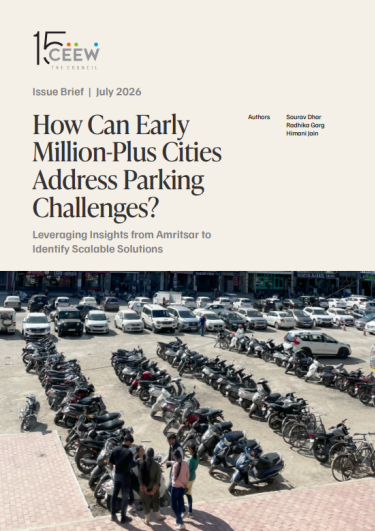
India's urban population is expected to nearly double from 461 million in 2018 to 877 million by 2050 (NITI Aayog 2021), meaning half the country's population will reside in urban areas by then. This growth is likely to push the vehicular population from 294 million to 494 million over the same period (Mohan and Elango 2025), with two-wheelers accounting for 70 per cent of the stock. As urban transport remains a key economic driver, growing cities must prioritise measures like parking pricing to restrain the rise in personal vehicle ownership and manage travel demand more efficiently, particularly given the shortage of on-street and off-street parking already visible in metros like Bengaluru and Delhi. To examine this, we selected Amritsar as a case city and conducted an on-ground survey of its parking characteristics. Using satellite imagery and vehicular stock data for comparable early million-plus cities from CEEW's Transportation Fuel Forecasting Model (TFFM), we found that Amritsar's parking challenges are not unique but representative of cities like Mysuru and Jalandhar, which have seen decent-to-heavy decadal growth. Our analysis is limited to personal vehicles, excluding freight vehicles given their distinct operational characteristics.
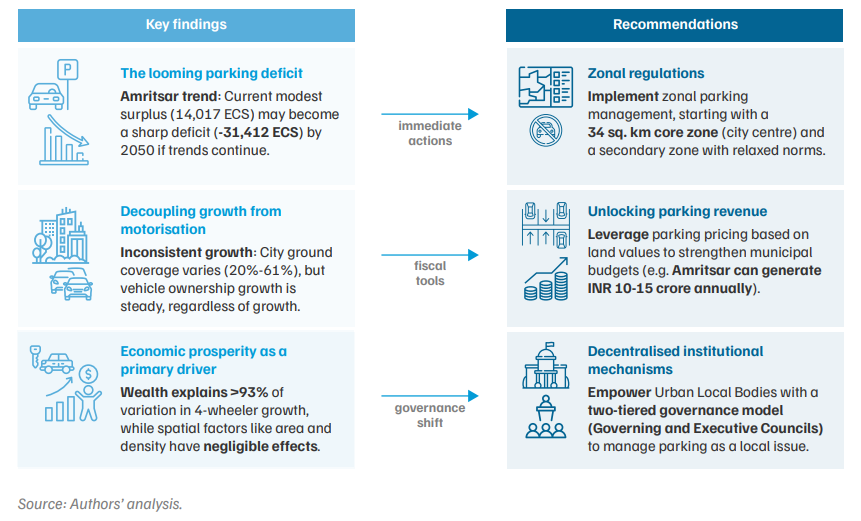
The analysis highlights that parking challenges in India’s early million-plus cities are no longer a future concern but an emerging urban mobility issue. While the findings are drawn from Amritsar, the observed trends are representative of many rapidly growing cities where rising motorisation is outpacing the capacity of existing parking infrastructure. The key findings are summarised below:
India’s urban population is expected to nearly double from 461 million in 2018 to 877 million by 2050 (NITI Aayog 2021). This means 50 per cent of the country’s population will reside in urban areas by that year. With the increase in urban population, the vehicular population is likely to increase from 294 million to 494 million by 2050 (Mohan and Elango 2025), with twowheelers comprising 70 per cent of the total stock. Urban transport being one of the key drivers of the economy, it is important that these growing cities start prioritising measures like parking pricing to restrict the upward growth of personal vehicles and to manage travel demand more efficiently. This urban evolution brings with it a set of complex challenges, like a shortage of onstreet and off-street parking places, mirroring the issues currently faced by established metros like Bengaluru and Delhi.
In this study, we have selected Amritsar as a case city and conducted an on-ground survey to capture the parking characteristics. Subsequently, with satellite images and assessing vehicular stock for similar early million-plus cities from CEEW’s transportation fuel forecasting model (TFFM) (Mohan and Elango 2025), we analysed that the parking-related problems are not so unique in the case of Amritsar, and are representative of cities like Mysuru and Jalandhar, which experienced decent-to-heavy decadal growth in recent years. Our analysis is limited to the personal vehicle segment, excluding freight vehicles due to the latter sector’s distinct characteristics and operational patterns.
While parking problems are managed locally, our analysis shows a clear link between a city’s vehicle stock and its parking demand. Without effective measures in place, rising vehicle numbers will only worsen parking challenges over time. Therefore, early million-plus cities should begin regulating parking now, before it becomes a critical issue in the coming decade.
Figure ES1. Key findings
Rising vehicle ownership is steadily increasing parking demand in early million-plus cities, even where parking shortages are not yet severe. Drawing on the key findings, the recommendations outlined in Figure ES2, highlight actionable measures to strengthen city’s parking management.
Figure ES2. Key recommendations, linked with key findings
While introducing parking charges can be challenging to governance and implementation, practical strategies, such as imposing parking pricing in a phased manner and simultaneously introducing residential parking permits, can more effectively manage travel demand, reduce long-term personal vehicle ownership, and strengthen city finances.
Cities, with thriving economic activities, are the engines of national economies, contributing 60 per cent to the nation’s gross domestic product (GDP) through commerce, services, and industrial output. In 2018, the total population residing in urban areas around India stood at 460 million, with the country now expected to add another 416 million people by 2050. Though 50 per cent of the nation’s population is likely to reside in urban areas in 2050, cities comprise only 3 per cent (NITI Aayog 2022) of the nation’s land. Hence, it is important that the city’s spaces be utilised more strategically by the civic agencies while offering public services.
With rising population and income levels, the demand for personal transport, particularly two-wheelers and four-wheelers, is increasing rapidly in India. According to a recent CEEW study, the country’s total vehicle stock is projected to more than double from 226 million in 2023 to nearly 500 million by 2050. Two-wheelers will continue to dominate, accounting for over 350 million vehicles, while private car ownership is expected to nearly triple, reaching 90 million by mid-century (Mohan and Elango 2025). As vehicular ownership surges, urban areas are likely to face significant parking challenges, especially in the absence of effective parking management measures.
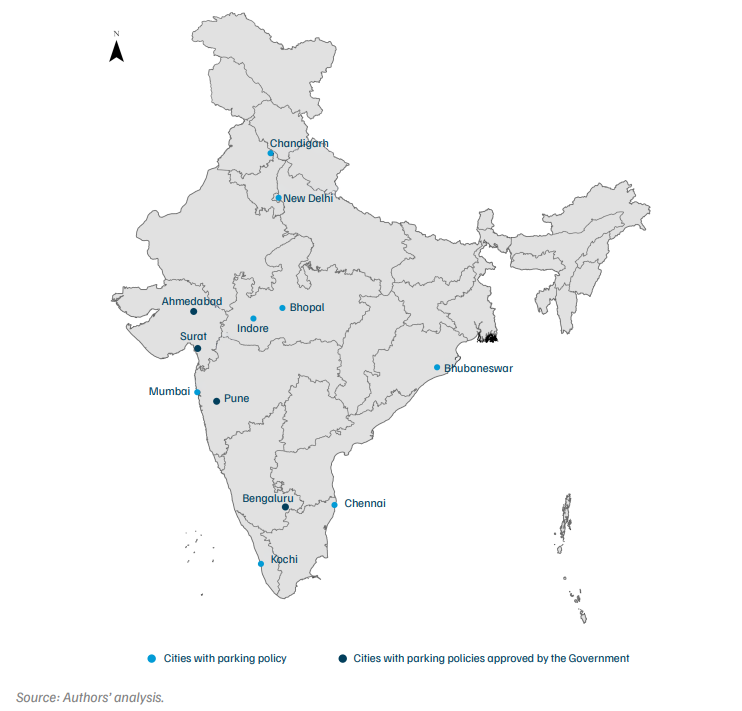
Cities, especially metropolitan areas with a high concentration of vehicles, consider parking as a challenge in addressing mobility issues. The parking policies typically focus on demand management through measures like tariffs and developing multi-level car parking (MLCP) facilities, often planned at major commercial and transport hubs. In the past, cities like Bengaluru, Delhi, Surat, Jaipur, Pune and Ahmedabad have made an effort to develop policies to address parking-related problems at a city scale. But only a few of them (Bengaluru and Surat) have been notified by the government. Even in such cities, the effort remains fragmented and lacks enforcement. Figure 3 shows the Indian cities where parking policies have been developed in the last ten years.
Figure 1. The 12 cities that have developed parking policies in India
Enforcement of parking regulations in Indian cities presents significant challenges due to the sheer volume of vehicles, lack of adequate infrastructure, and resistance to compliance. Traffic police are often burdened with monitoring illegal parking while managing broader traffic issues. For instance, in Bengaluru, despite deploying state-of-the-art technology to automate parking pricing on selected road stretches like Commercial Street, Infantry Road, St Mark’s Road, etc., the city authorities have not been able to implement parking norms (Deccan Herald 2023) as envisaged in the Bengaluru Parking Policy 2.0. Similarly, Gurugram attempted to repurpose vacant plots into paid parking areas to augment municipal revenues, but this failed as landowners refused to participate (Times of India 2018) due to fears of land encroachment, litigation, and potential taxation.
The success of an effective city-level parking pricing system depends on several critical factors, including the formulation of a parking policy, obtaining necessary approval from the state government, developing an area parking plan (APP), and onboarding a service provider for zonal parking management. While drafting the policy itself is relatively straightforward, subsequent steps require extensive multi-stakeholder coordination, which complicates the implementation process. Moreover, any dilution of the associated steps undermines the effective implementation of the parking management system.
For example, in Bengaluru, the cabinet approved the city’s parking policy, and the Directorate of Urban Land Transport (DULT) subsequently developed APPs (DULT 2022) for eight zones. However, the municipal corporation was unable to successfully onboard a vendor to manage parking operations and enforcement. Introducing a comprehensive pricing mechanism across all city areas, where on-street parking is free on most roads, remains a significant challenge, frequently hindering ULBs from establishing effective parking management systems. The Bengaluru example has been highlighted over other cities because it is among the few in India to undertake a comprehensive, city-wide approach to parking management, backed by both administrative and political commitment.
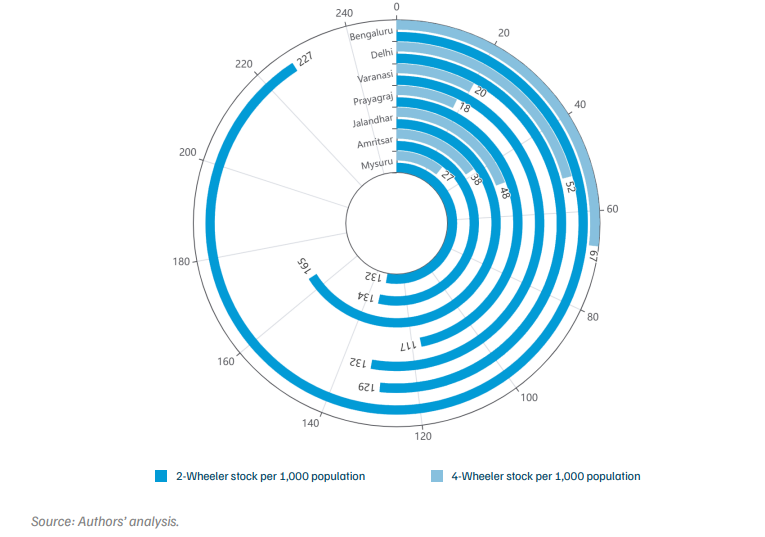
Indian cities are witnessing a steady rise in car ownership and per capita vehicle ratios, a trend evident not just in established metropolises like Delhi and Bengaluru, but also in early million-plus cities such as Varanasi, Amritsar, and Mysuru. Our study reveals that the per capita car ownership in emerging million-plus cities is very much comparable to that in larger metros, reflecting a broader national pattern of motorisation. The analysis also indicates that early million-plus cities like Amritsar, Jalandhar, Varanasi, and Mysuru, though smaller in overall population, are rapidly closing the gap in car ownership rates, driven by similar socioeconomic factors.
Using CEEW’s TFFM model, we have estimated the personal vehicle stocks (two-wheelers and fourwheelers) for cities such as Mysuru, Jalandhar, Prayagraj, and Varanasi, and compared the vehicle stock per thousand population with that of metro cities like Delhi and Bengaluru. The findings reveal that per capita vehicle ownership in cities like Amritsar, Mysuru, and Varanasi is comparable to that in metro cities such as Delhi, while Jalandhar’s per capita vehicle ownership exceeds even that of Delhi. This high dependency on personal vehicles in these cities may be attributed to the limited function of a formal public transport system or inadequate last-mile connectivity. The growing demand for vehicles in these million-plus cities serves as a crucial signal for policymakers to proactively address parkingrelated challenges associated with the increasing vehicle stock. The table indicating the per capita vehicle stock is placed in Annexure-1 for reference.
Figure 2. Per capita vehicle ownership in early million-plus cities and metro cities
Based on vehicular stock data, we tried to assess whether parking challenges scale proportionally with vehicle ownership levels. To analyse the relationship between parking demand and the number of vehicles, we applied a disaggregated dynamic model, which is widely recommended in transportation planning literature for its accuracy in capturing location- and time-specific demand. Key input parameters, including trip rate, modal share, and average dwell time, are sourced from each city’s Comprehensive Mobility Plan (CMP) and the CMP Toolkit developed by the Ministry of Housing and Urban Affairs (MoHUA 2014), ensuring that demand estimates accurately reflect observed travel behaviour and local parking patterns. The parking demand was then calculated using a disaggregated dynamic model, as recommended in the literature (Pierce and Shoup 2013):
Pi,t = γ1 Vi x Ti x Mi x Di,t
Where Pi,t is the parking demand in the city at any given time; Vi is the personal vehicle ownership in the city; Ti is the trip rate; Mi is the modal share of personal vehicles; Di,t is the average dwell time (duration of parking per trip), and γ1 is the calibration coefficient for local adjustment.
Figure 3. Cities’ vehicle stock and parking demand
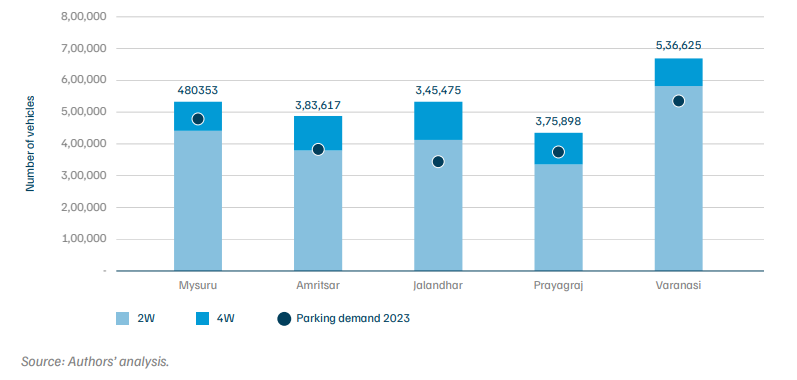
Our model reveals that parking demand in a city is largely determined by the existing vehicle stock. In cities like Prayagraj and Varanasi, parking demand is notably high despite their lower per capita vehicle ownership; this is primarily due to a large absolute number of vehicles already present as the base year stock. This analysis suggests that early million-plus cities currently experiencing rapid growth in vehicle ownership should prioritise parking demand management, as their total vehicle stock and consequently, parking challenges, are expected to rise significantly in the future. The parking demand estimated for the cities mentioned in the graph is placed in Annexure 2.
In India, a city’s parking stock is normally determined by its Master Plan, wherein the development control regulations collectively prescribe the permissible type and intensity of development. This is accompanied by city-specific building bylaws that are guided by the National Building Code, often without adapting to local contextual characteristics. Residential parking is predominantly provided through the parking regulations. When the supply of residential parking is insufficient, spillover occurs onto streets and marginal spaces.
To manage parking at a city scale, the respective ULBs typically focus on regulating non-residential parking. However, residential use remains the predominant land use in all cities. Thus, it becomes essential to look at the parking characteristics in the residential areas and develop parking norms for them as well. To understand the parking-related challenges in greater depth, we have collected on-ground data from Amritsar as a case city. Subsequently, using satellite imagery, literature review, and secondary data, we examine how parking-related challenges manifest in similarly sized early million-plus cities.
Despite multiple plans such as the CMP, Comprehensive Development Plan (CDP), Smart City Mission, and the Heritage City Development and Augmentation Yojana (HRIDAY), Amritsar continues to grapple with chronic parking challenges, especially in the dense core and high-footfall commercial areas. These plans consistently identify the shortage of off-street parking and the congestion caused by on-street parking in areas like Guru Bazar, Hall Bazar, and Katra Jaimal Singh, yet their implementation largely focuses on increasing supply by opening new parking lots or upgrading the existing ones, rather than introducing effective city-wide parking management strategies.
As a result, core problems remain unaddressed. Municipal parking remains underutilised while informal, street-side parking and encroachment persist, causing severe congestion and reducing road capacity. Even flagship initiatives, such as multi-level parking in Saragarhi and Kairon Market, offer limited relief because they do not tackle the demand-side issues or regulate illegal and preference-based parking behaviour. These piecemeal, supply-centric interventions fail to establish a coherent and enforceable parking management system that could optimise the usage and offer a balance between parking supply and demand.
Table 1. Parking interventions proposed under different plans in Amritsar
| S. No. | Plan document | Parking-related intervention proposed | Rationale/objective |
|---|---|---|---|
| 1. | Master Plan |
|
Shift parking from core to off-street/ MLCP and decongest the core and heritage area. |
| 2. | Comprehensive Mobility Plan (CMP) |
|
More supply to address parking management. |
| 3. | City Development Plan (CDP) |
|
Invest in off-street/ MLCP, regulate on-street parking on busy streets. |
| 4. | Heritage City Development & Augmentation Yojana (HRIDAY) |
|
Eliminate on-street parking in the core city area, and provide MLCP alternatives. |
Source: Authors’ compilation.
Punjab, with 200 two-wheelers per 1,000 people (compared to the national average of 150), is among the top five Indian states in terms of two-wheeler ownership (Mohan and Elango 2025). Furthermore, to quantify parking characteristics in Amritsar, we collected primary data both on weekdays and weekends and analysed it to capture variations in parking patterns across the city. We carried out surveys at ten on-street and eight off-street parking locations, as these areas are known to experience significant parking mismanagement, which we found during our reconnaissance visit. We finalised the selection of these sites in consultation with the Amritsar Municipal Corporation. Additionally, we carried out seven traffic surveys near these parking sites to assess traffic characteristics and their impact on parking.
We also conducted household and willingness-to-pay surveys to gauge public perception and readiness to pay for parking charges.
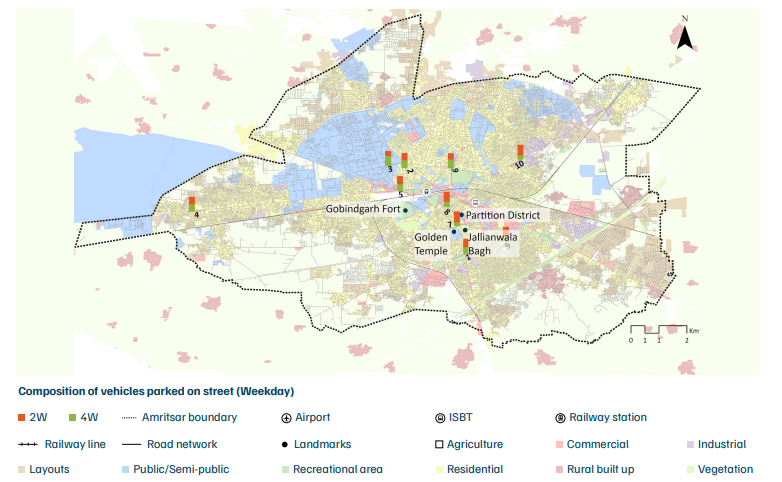
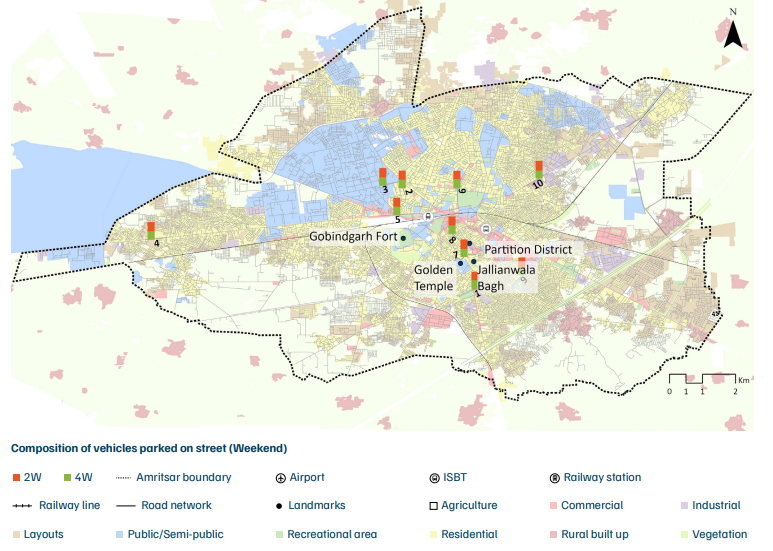
Insight from on-street parking: We found that on weekdays, over 40 per cent of on-street parking spaces were occupied at all surveyed locations, except for streets near Mata Kaulan Ji and Uppal hospitals. Across nearly all sites, peak occupancy occurred between 6 pm and 7 pm. Weekend parking occupancy was generally lower than on weekdays, with maximum weekend occupancy ranging from 50 to 92 per cent. Notably, only the areas near Vijay Nagar and Shahid Chowk exceeded 85 per cent occupancy on weekends, while other locations remained below 80 per cent.
Two-wheeler parking demand is particularly significant within the walled city, with Shahid Chowk showing the highest proportion of two-wheelers among parked vehicles, 84 per cent, compared to 42 to 50 per cent at other sites. Four-wheeler parking demand is highest near Kachehri Chowk, Uppal Hospital Road, and Novelty Chowk, all of which are key institutional and commercial areas.
The share of light commercial vehicles (LCVs) in onstreet parking increases further from the old city, but their presence is lower on weekends—we observed them at only four out of the eleven surveyed locations.
Figure 4. Composition of vehicles parked on Amritsar’s streets (weekdays)
| S. No. | Name | 2W occupancy | 4W occupancy |
|---|---|---|---|
| 1. | Baba Deep Singh Gurudwara | 1162 | 899 |
| 2. | Uppal Hospital | 493 | 509 |
| 3. | KachehriChowk | 352 | 692 |
| 4. | Near Govt. Senior Secondary School | 410 | 422 |
| 5. | Railway Station | 1170 | 909 |
| 6. | Lawrence Road | 516 | 725 |
| 7. | Walled City Street-1 | 977 | 368 |
| 8. | Walled City Street-2 | 948 | 554 |
| 9. | Mata Kaulanji Hospital | 874 | 509 |
| 10. | Near Vijay Nagar | 817 | 349 |
Source: Authors’ analysis.Source: Authors’ analysis.
Figure 5. Duration of Amritsar’s on-street parking observed on weekdays
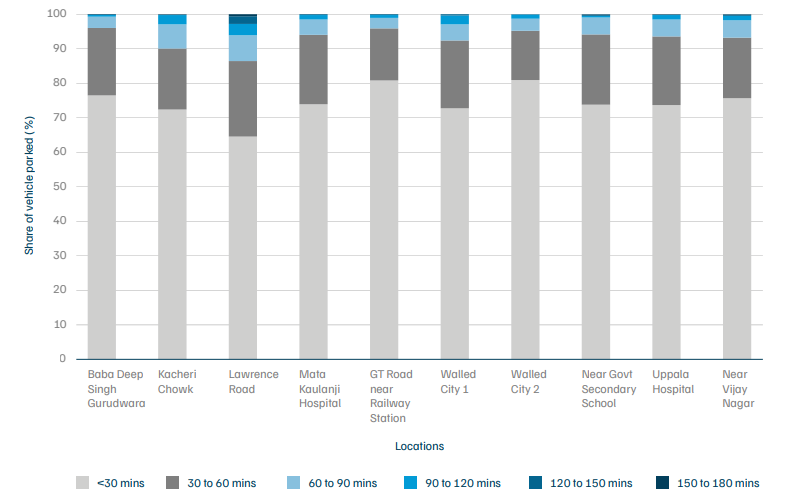
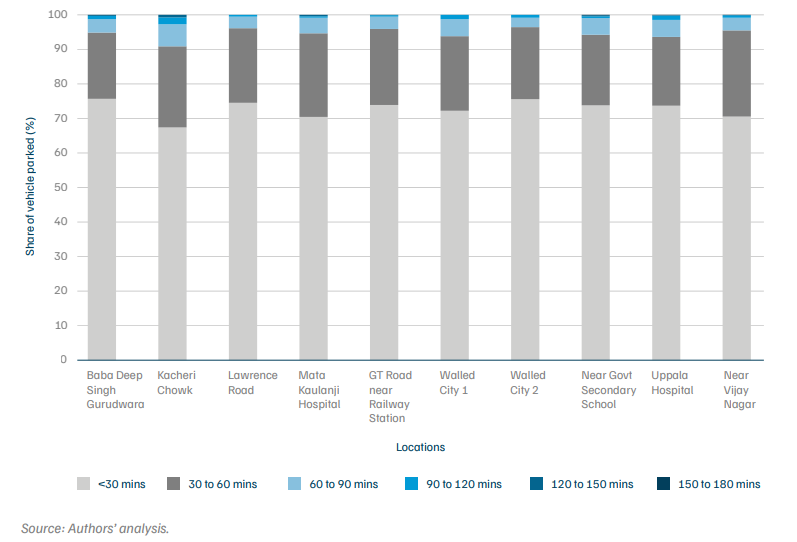
Across all surveyed locations, vehicles were predominantly parked for short durations, with over 90 per cent of vehicles staying less than one hour, both on weekdays and weekends. Lawrence Road was the only exception, where nearly 3 per cent of vehicles were parked for more than two hours, while at all other sites, long-term parking (over two hours) accounted for less than 1 per cent of vehicles. This pattern suggests that extended parking, where it does occur, may be attributed to shop owners parking near their businesses. Overall, long-term parking was absent at all locations, even during weekends, highlighting a strong trend towards short-term parking use throughout the area. The details captured on on-street parking on weekdays and weekends are placed in Annexure 3 and 4 for reference.
Figure 6. Composition of vehicles parked on Amritsar’s streets (weekend)
| S. No. | Name | 2W occupancy | 4W occupancy |
|---|---|---|---|
| 1. | Baba Deep Singh Gurudwara | 1162 | 899 |
| 2. | Uppal Hospital | 493 | 509 |
| 3. | KachehriChowk | 352 | 692 |
| 4. | Near Govt. Senior Secondary School | 410 | 422 |
| 5. | Railway Station | 1170 | 909 |
| 6. | Lawrence Road | 516 | 725 |
| 7. | Walled City Street-1 | 977 | 368 |
| 8. | Walled City Street-2 | 948 | 554 |
| 9. | Mata Kaulanji Hospital | 874 | 509 |
| 10. | Near Vijay Nagar | 817 | 349 |
Source: Authors’ analysis.
Figure 7. Duration of on-street parking observed on weekend
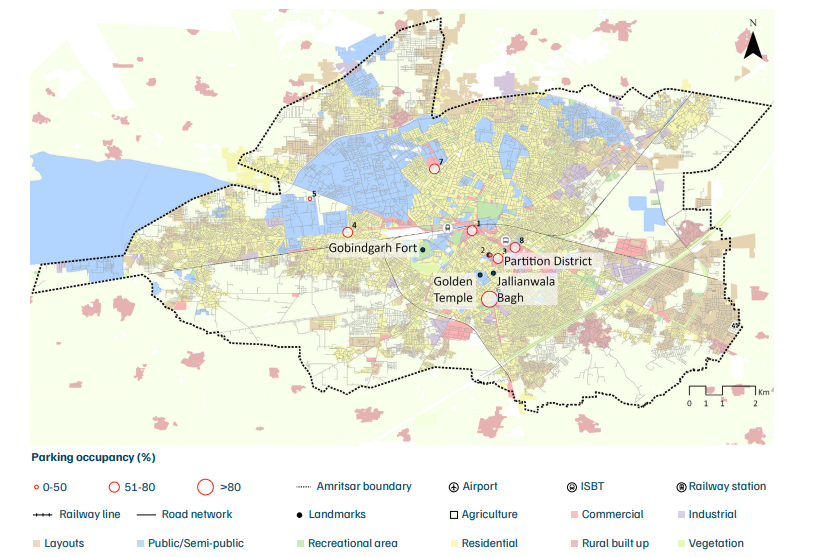
Insight from off-street parking: Off-street parking facilities in the walled city consistently show higher occupancy rates compared to those in other parts of the city, particularly where they are located near mixeduse and commercial areas. These locations see greater utilisation than parking areas associated with public, semi-public, or residential land uses. Analysis reveals that off-street parking facilities experience occupancy rates of 50 to 70 per cent on average, with higher occupancy on weekdays than on weekends. Additionally, all locations except Baba Deep Singh parking report greater usage during morning hours than in the evening, likely influenced by the proximity of Khalsa College and a BRT bus stop.
Some facilities, such as KD Hospital and Guru Nanak Dev Bus Stand, even exceed 80 per cent occupancy on weekdays, indicating good utilisation and a pressing demand for additional parking. Interestingly, despite its central location within the walled city and close proximity to the Golden Temple, Saragarhi Car Parking records one of the lowest turnover rates and the longest average parking durations throughout the week. This suggests that visitors, particularly those staying at nearby hotels, are using IPT (Intermediate Public Transport) or making a visit on foot. A spatial representation, highlighting the parking usage, is shown in Figure 8.
Figure 8. Occupancy of Amritsar’s off-street parking locations
| S. No. | Name | 2W occupancy | 4W occupancy |
|---|---|---|---|
| 1. | Baba Deep Singh Gurudwara | 1162 | 899 |
| 2. | Uppal Hospital | 493 | 509 |
| 3. | KachehriChowk | 352 | 692 |
| 4. | Near Govt. Senior Secondary School | 410 | 422 |
| 5. | Railway Station | 1170 | 909 |
| 6. | Lawrence Road | 516 | 725 |
| 7. | Walled City Street-1 | 977 | 368 |
| 8. | Walled City Street-2 | 948 | 554 |
| 9. | Mata Kaulanji Hospital | 874 | 509 |
| 10. | Near Vijay Nagar | 817 | 349 |
Source: Authors’ analysis.
Insight from residential parking: Residential remains the predominant land use type in Amritsar. To understand the current characteristics of residential parking in Amritsar, we conducted a household survey with a 1,000-sample size. The survey was conducted across the city, using a sample size that was representative of the population in each ward. The intent was to understand household vehicle ownership in Amritsar and examine whether it shows spatial variation within the city. Through the survey, we aimed to evaluate the demand for residential parking and, subsequently, the implications for building bylaws.
Car ownership has been considered the primary indicator of residential parking demand. While twowheelers also require space to park, significantly more space is required to park four-wheelers. More than onethird of the respondents own at least one car, which also implies that 67 per cent of the surveyed households are car-free. We observed that people living in apartments own more cars when compared to residents of independent houses, and there appears to be a distinctly higher tendency for households to be car-owning if residential units are larger than 1,000 sq. ft. We found that the growing household income is resulting in a rise in household car ownership, as shown in Figure 9 and detailed in Annexure 5.
We found residential parking to be predominantly free in Amritsar. The ones who incur the cost of a parking space are all apartment dwellers. Nearly one-third of the residents who park within the building paid a lump sum amount for the parking while buying/renting it, and the average price of a parking space paid by residents in the city while buying a house is around INR 200,000. However, the mentioned parking cost is bundled with the house cost, and the owners paid this amount regardless of whether they owned a vehicle. Based on the household car ownership details, we have analysed a density map indicating the spatial distribution of personal modes in Amritsar.
Figure 9. Household car ownership by different income levels
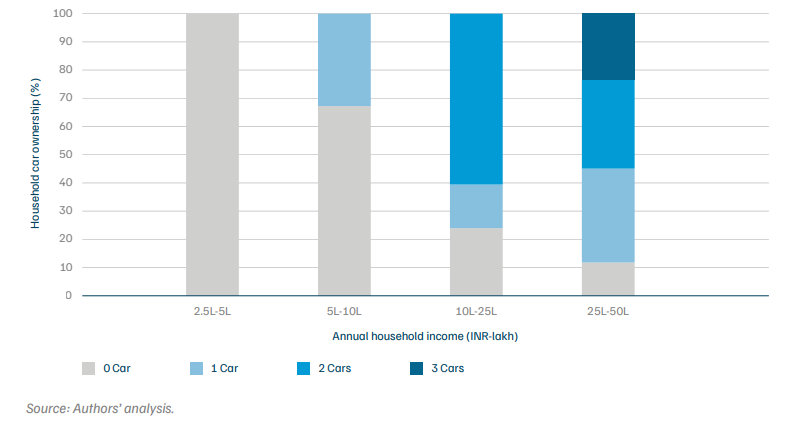
Figure 10. Spatial distribution of per capita vehicle ownership
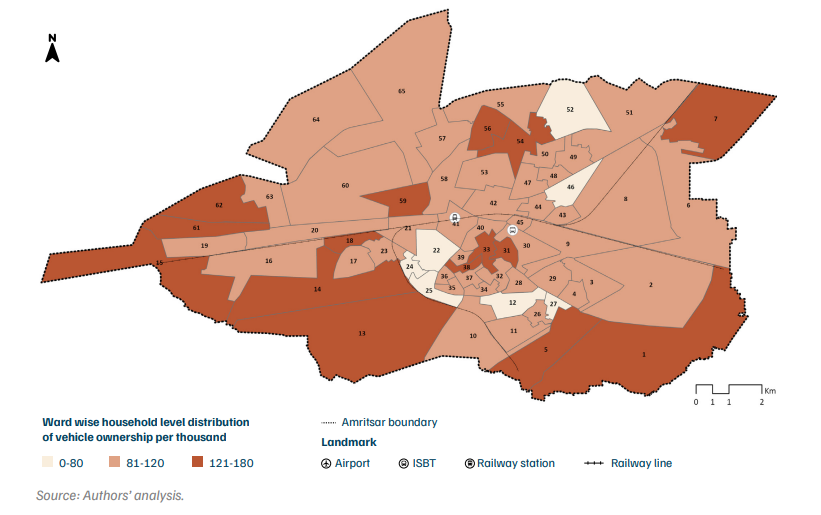
Figure 11. Building height distribution in Amritsar
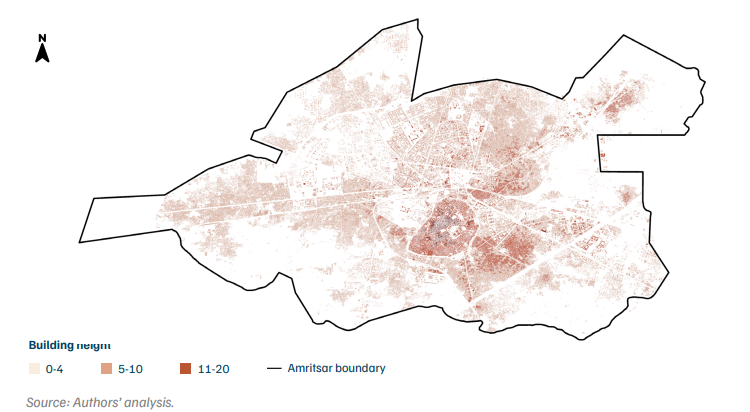
The spatial analysis also reveals that peripheral areas of the city exhibit higher levels of vehicle ownership. To further validate the concentration of vehicle ownership in multi-storey apartments, a building height map is developed using data sourced via the Google search engine. With a confidence level of 60 per cent, the spatial analysis indicates that no significant relation exists between building heights and per capita vehicular ownership. The probable reason could be that the number of multi-storey buildings (G+4) is less in Amritsar in comparison to the other similarly sized cities, complementing the CDP 2025 observation that slums hold 33 per cent of the city’s land area, covering 14 per cent of the total residential space.
Insight from the Willingness to Pay (WTP) survey conducted: We undertook the WTP survey to understand how much the people of Amritsar are willing to pay for parking. We conducted 150 WTP surveys across the city. Unlike the household survey, no secondary guidance criteria were used for the sampling of respondents for WTP surveys. Through the WTP survey, the intent was to understand the factors influencing residents’ willingness to pay for parking, the indicators that indirectly impact the choices of people to pay for parking and the range of parking charges they are willing to pay. Our analysis shows that nearly 41 per cent of respondents do not want to pay for parking, of which nearly one-third are women. Furthermore, the respondents who incur lower monthly transport expenses are willing to pay less for residential parking, as presented in Figure 12 and Annexure 6.
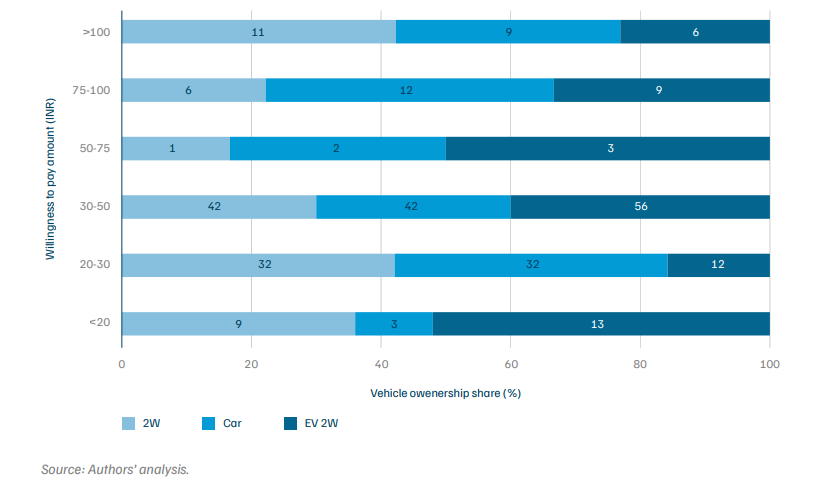
Our findings (Figure 13) indicate that the majority of respondents, regardless of trip purpose, preferred to pay a maximum of INR 35 per hour for using commercial parking facilities. This benchmark was derived based on the minimum land value rates and their correlation with parking charges. Interestingly, two-wheeler users were just as willing to pay this amount as car users. A likely explanation is that two-wheeler ownership per capita in Amritsar is significantly higher than that of four-wheelers (Figure 14), making two-wheeler users more accustomed to and accepting of paid parking.
Figure 12. Willingness to pay for parking across different transport expenditure groups
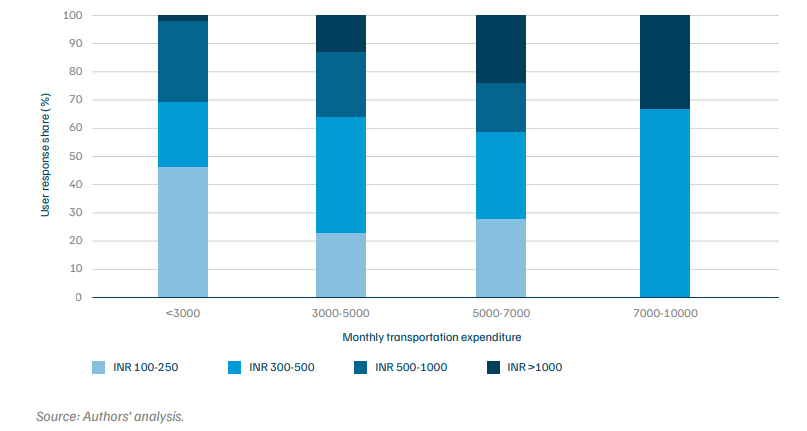
Figure 13. Trip purpose vs willingness to pay upper limit
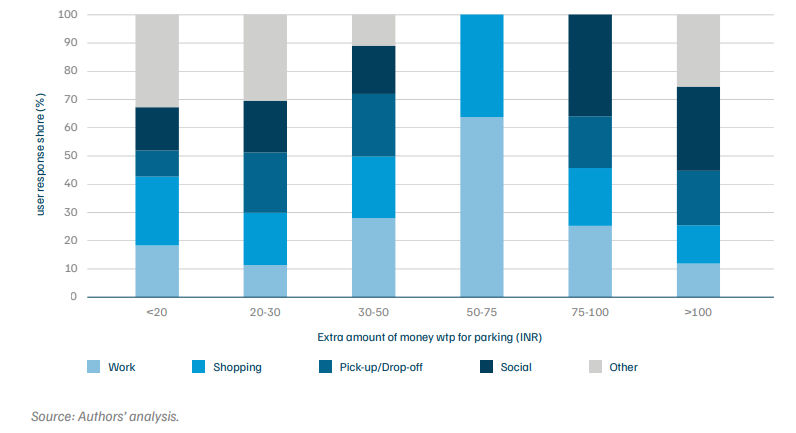
Figure 14. Willingness to pay for different vehicle types
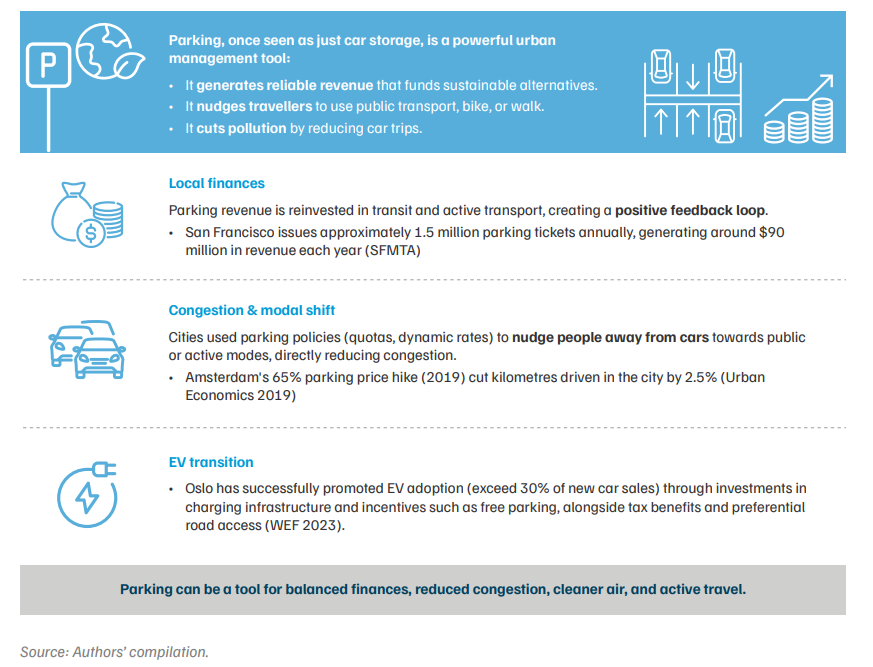
Parking management can be transformed into an opportunity to advance multiple urban goals. By implementing pricing and efficient regulation, cities can generate significant local revenue, as demonstrated in San Francisco’s SFpark programme, which increased parking revenue and funded local improvements (Pierce and Shoup 2013). Strategic parking policies also help reduce congestion by encouraging a shift to public transport, cycling, and walking, a practice successfully adopted in cities like London and Amsterdam (Yanocha and Allan 2020). Furthermore, limiting parking supply and prioritising spaces for electric vehicles can reduce air pollution and accelerate the transition to cleaner mobility, as seen in Oslo’s integration of EV-friendly parking incentives (IEA 2023). Thus, rethinking parking not only addresses urban challenges but also supports financial sustainability, modal shift, and environmental goals.
Figure 15. Parking as an opportunity, offers multidimensional benefits
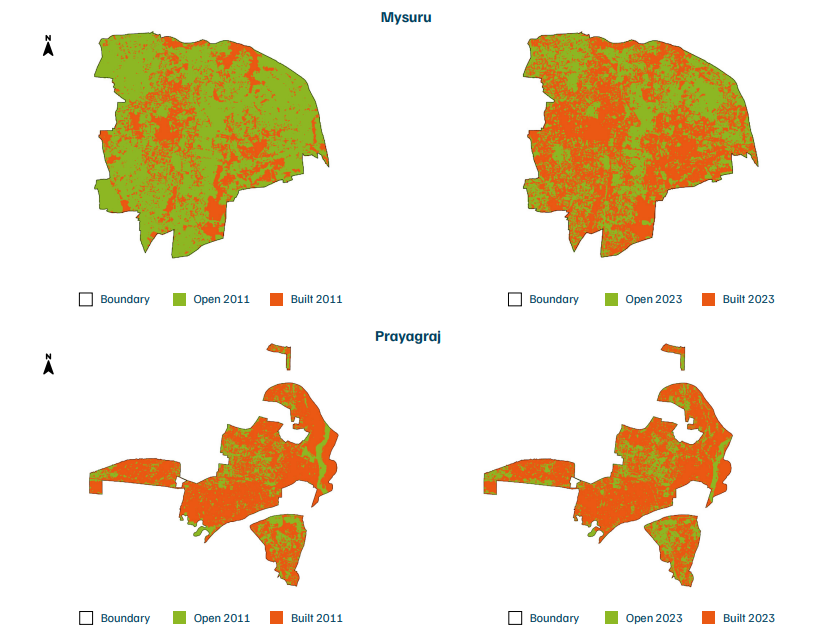
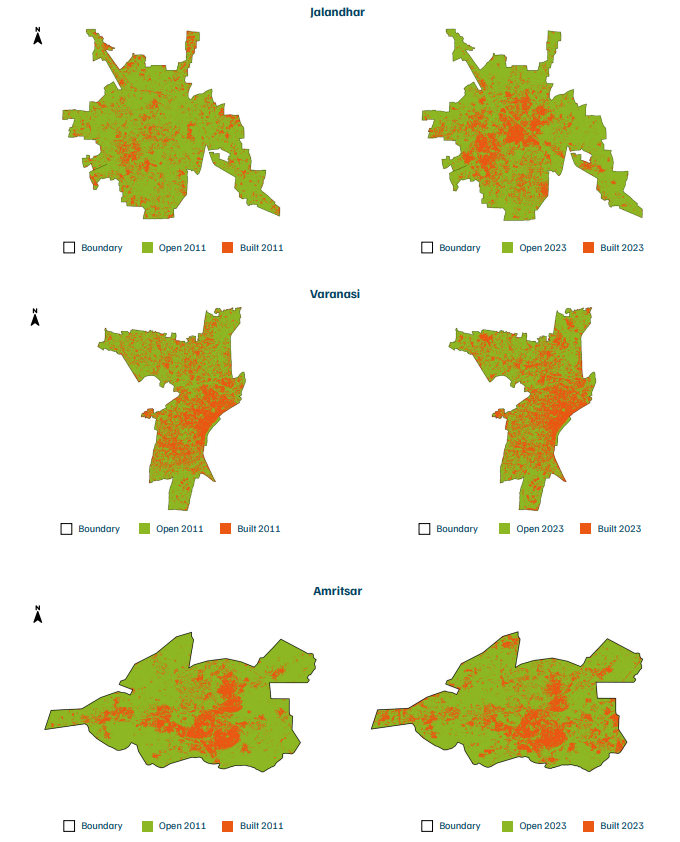
The parking problem in Amritsar is not an isolated issue but rather a reflection of a widespread urban challenge faced by many Indian cities, including Mysuru, Jalandhar, Prayagraj and Varanasi. Rapid urbanisation, rising incomes, and the affordability of personal vehicles have led to a surge in vehicle ownership across urban India, especially for two-wheelers. Since parking issues are inherently local, we have also examined the growth patterns of these cities to determine whether they are similar. To achieve this, we have used time-series satellite data from LANDSAT to analyse and evaluate the growth trends in each city (Figure 18).
The cities included in this analysis were selected to represent a diverse cross-section of urban growth patterns and historical backgrounds, rather than through systematic sampling. This approach allows for an exploratory assessment of the relationship between urban expansion, private vehicle ownership, and the commonality of parking challenges, particularly when per capita vehicular ownership rates are comparable across different urban contexts.
Figure 16. Satellite images of cities representing the ground coverage in 2011 and 2023
Source: Authors’ compilation.
Table 2. Summarising city population and ground coverage details
| S. No. | Name | 2W occupancy | 4W occupancy |
|---|---|---|---|
| 1. | Baba Deep Singh Gurudwara | 1162 | 899 |
| 2. | Uppal Hospital | 493 | 509 |
| 3. | KachehriChowk | 352 | 692 |
| 4. | Near Govt. Senior Secondary School | 410 | 422 |
| 5. | Railway Station | 1170 | 909 |
| 6. | Lawrence Road | 516 | 725 |
| 7. | Walled City Street-1 | 977 | 368 |
| 8. | Walled City Street-2 | 948 | 554 |
| 9. | Mata Kaulanji Hospital | 874 | 509 |
| 10. | Near Vijay Nagar | 817 | 349 |
Source: Authors’ analysis.
The comparative table indicates that ground coverage has increased significantly in Mysuru, Amritsar, and Jalandhar, with decadal growth rates ranging from 20 to 61 per cent. In contrast, Varanasi and Prayagraj have exhibited relatively slower rates of expansion. This difference may be attributed to the historical and cultural context of Varanasi and Prayagraj, which are among the oldest cities in India and have long-standing traditions as pilgrimage centres, potentially limiting their spatial growth. Importantly, despite the variations in decadal growth patterns, the growth of vehicle ownership across these cities remains within a similar range, with the exception of Prayagraj.
This also demonstrates that parking-related challenges are not unique to Amritsar but are common across early million-plus cities such as Mysuru, Jalandhar and Varanasi, as parking is a function of vehicle stock, modal share and per capita trip rate, as explained in Chapter 1. The consequences are evident, such as haphazard on-street parking, congestion, and spill-over parking over the pedestrian spaces. As a result, these cities have already started experiencing parking challenges and enforcement-related issues, mirroring the problems seen in larger metropolises.
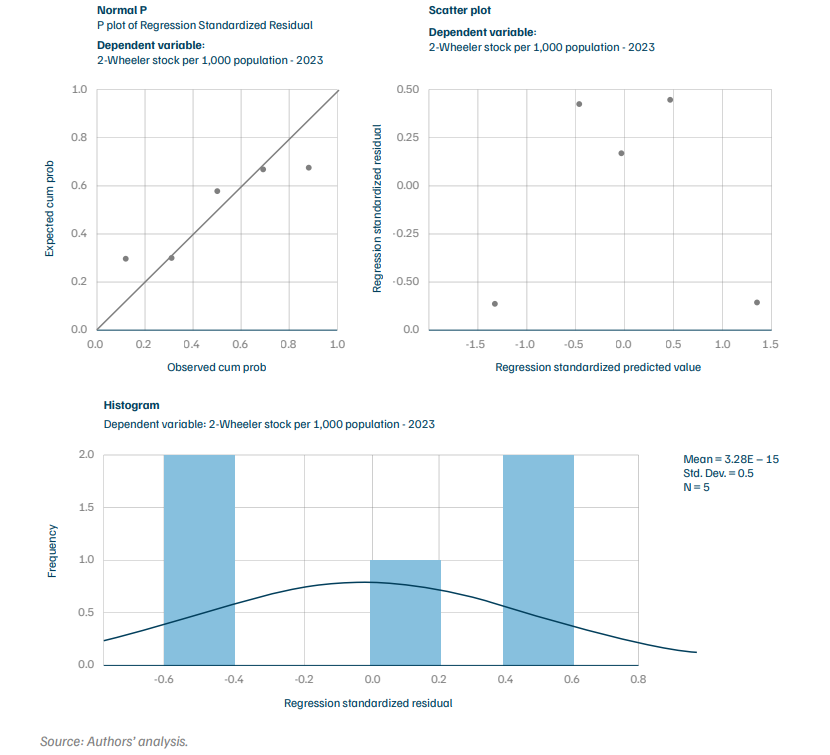
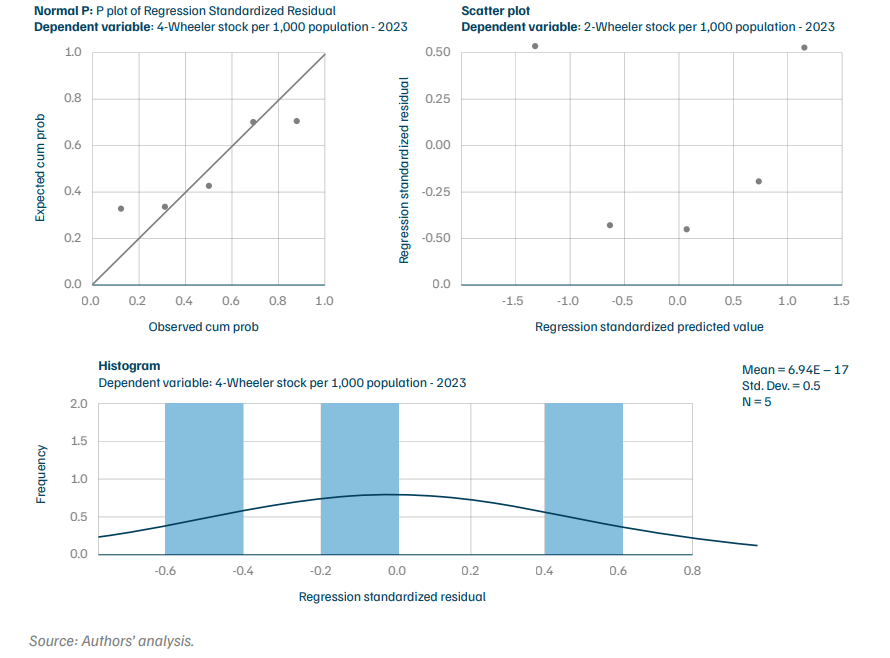
To establish a more nuanced understanding, we examined the statistical relationships between population size, growth pattern, and change in vehicular ownership across these cities. To quantitatively assess these relationships, we performed a multiple regression analysis. This method enables us to evaluate the extent to which increases in vehicular ownership are explained by independent variables such as population, gross district domestic product (GDDP), and urban expansion. By incorporating these variables into the regression model, we can statistically determine the strength and significance of each factor’s contribution to vehicular growth. The results provide empirical evidence on how, as cities expand and their populations and economic activities increase, personal vehicle ownership is likely to accelerate, thereby informing targeted policy interventions for sustainable urban mobility planning. Recognising the distinct usage patterns and determinants associated with two-wheelers and fourwheelers, we conducted separate regression analyses for each vehicle category. This stratified approach enables us to capture category-specific dynamics and avoid confounding effects that could arise from aggregating the data.
Figure 17. Regression analysis showing correlation between 2-wheeler stock, GDDP, and ground coverage
| Outcome variable | Strongest predictor | Correlation (r) | Regression beta | Significance (p) | R | Model R² |
|---|---|---|---|---|---|---|
| 2W stock/1,000 population (2023) | GDDP per capita | 0.836 | 0.898 | < 0.01 | .996a | 0.991 |
Source: Authors’ analysis.
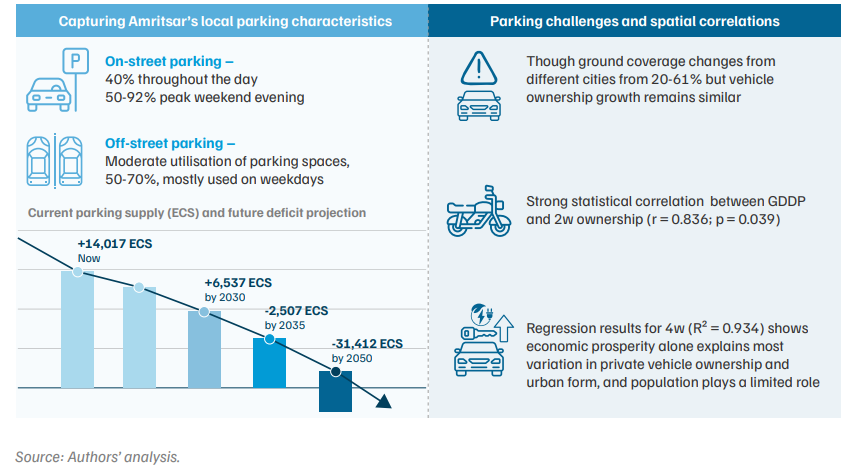
The multiple regression analysis conducted separately for two-wheelers and four-wheelers reveals that GDDP per capita is the most significant and robust predictor of vehicular ownership per 1,000 population. For twowheelers, the correlation coefficient (r) between GDDP per capita and stock per 1,000 population is 0.836, which is statistically significant (p = 0.039). The overall regression model for two-wheelers demonstrates an exceptionally high R value of 0.996 and an R² (coefficient of determination) of 0.991, indicating that 99.1 per cent of the variance in two-wheeler ownership can be explained by the predictors in the model, with GDDP per capita being the dominant factor. Population size and built land area showed moderate negative correlations with two-wheeler ownership, but these relationships were not statistically significant, suggesting that economic prosperity is the key driver for two-wheeler proliferation in urban areas.
Figure 18. Regression analysis showing correlation between 4-wheeler stock, GDDP, and ground coverage
| Outcome variable | Strongest predictor | Correlation (r) | Regression beta | Significance (p) | R | Model R² |
|---|---|---|---|---|---|---|
| 2W stock/1,000 population (2023) | GDDP per capita | 0.836 | 0.898 | < 0.01 | .996a | 0.991 |
Source: Authors’ analysis.
Similarly, for four-wheelers, GDDP per capita exhibits a very strong positive correlation (r = 0.897) with stock per 1,000 population, also statistically significant (p = 0.019). The regression model for four-wheelers yields an R value of 0.996 and an R² of 0.934, meaning that 93.4 per cent of the variation in four-wheeler ownership is accounted for by the model, with GDDP per capita as the principal explanatory variable. In contrast, built land area and population size do not significantly influence four-wheeler ownership, as evidenced by their low and non-significant correlation coefficients.
These findings underscore that as cities experience economic growth and rising affluence, personal vehicle ownership—both two-wheelers and four-wheelers— is likely to increase substantially, independent of population growth or urban expansion. This trend has important implications for urban transport planning and sustainable development.
Therefore, based on the statistical relationship discussed above, we can summarise that as the district GDDP increases, ownership of both two-wheelers and fourwheelers is expected to rise. Since the growth in vehicle numbers is directly linked to parking challenges, it can be concluded that while parking issues are local in nature, they are not unique to Amritsar. Instead, these challenges are common across all rapidly growing, early million-plus cities in India.
Amritsar is currently experiencing a parking demandsupply gap (non-residential), a trend that is poised to intensify rapidly in the coming decades. Based on our onground data collection, the city’s parking supply exceeds demand by around 14,017 equivalent car spaces (ECS), suggesting a short-term surplus. However, this relief is temporary, as the vehicle stock and per capita trip rate are expected to increase, and the gap is expected to narrow to just 6,537 ECS by 2030. Subsequently, by 2035, Amritsar’s parking demand will surpass available supply, leaving a shortfall of 2,507 ECS. The deficit will then widen drastically: by 2040, the shortage is projected at 12,802 ECS, escalating further to 23,991 ECS in 2045 and reaching a critical deficit of 31,412 ECS by 2050. This shift from surplus to a persistent and growing shortage underscores the need for city authorities to begin regulating parking before conditions deteriorate further. The details of the observed demand-supply gap is mentioned in Figure 19 and Annexure 7.
While considering the parking demand for Amritsar, we observed that in early million-plus cities in India, typically those with populations between one and two million, parking demand is generally estimated in the range of 18,000 to 30,000 ECS for citywide requirements covering major commercial, institutional, and public precincts. For example, Varanasi’s parking action plans and CMP project citywide ECS demand between 20,000 and 25,000 ECS.
Figure 19. Demand may exceed Amritsar’s parking supply by 2035
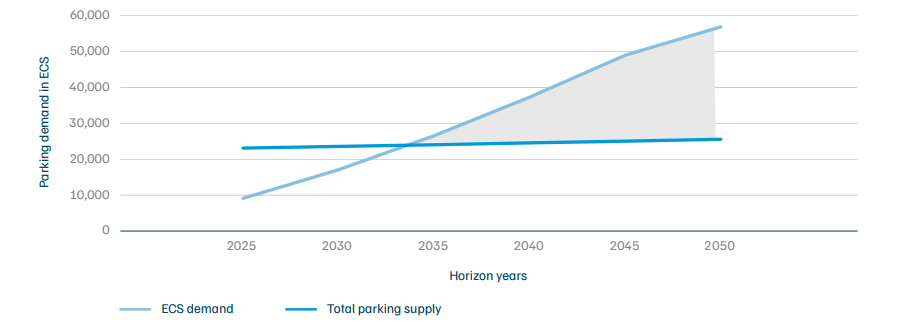
Our analysis shows that Amritsar is likely to face a serious parking crisis after 2035, driven by rising vehicle ownership and a growing shortage of parking spaces. Taking action now with smart parking management can help the city avoid future problems of car dependency and congestion. This approach follows what successful cities like Singapore and San Francisco have done, such as implementing parking reforms that encourage public transport use, reduce traffic, and create more walkable neighbourhoods. Amritsar’s parking challenges are similar to those seen in other fast-growing Indian cities like Varanasi, Jalandhar, and Mysuru, where rapid urban growth and more private vehicles have strained public spaces and urban mobility. By adopting city-wide parking regulations and new policy solutions, Amritsar can better manage its land and traffic, while also creating a more liveable and economically vibrant city for its residents.
Parking zonation serves as a powerful tool for cities aiming to introduce zonal regulations and promote sustainable mobility. By dividing the city into distinct parking zones based on public transport accessibility, road width, and parking infrastructure, authorities can strategically implement differentiated parking regulations, such as higher charges and stricter limits in areas where alternative mobility options are robust. In the dense, well-connected cores of Indian cities, where railway stations and bus terminals already ensure high public transport access, applying high parking fees and restricting on-street spaces can effectively deter unnecessary private vehicle trips. This not only reduces congestion but also curbs vehicular emissions in critical urban areas.
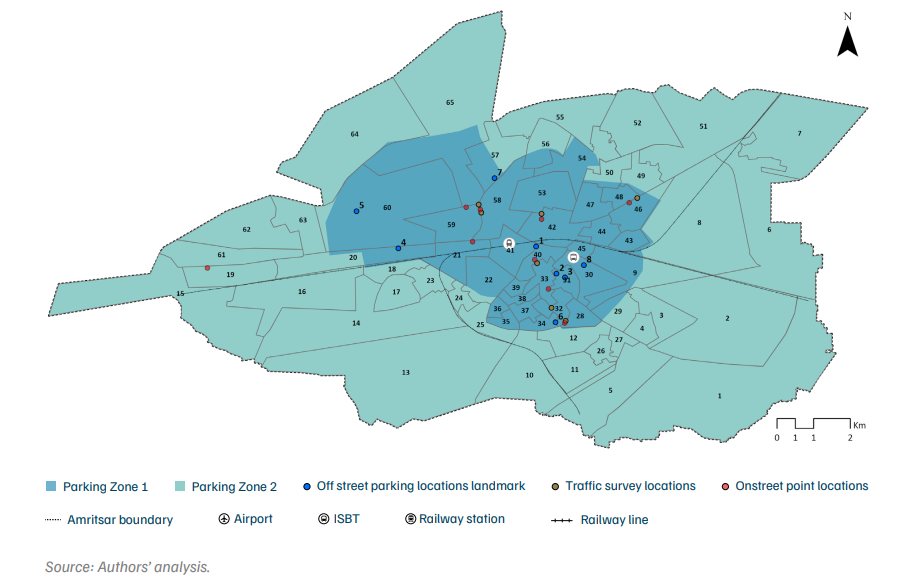
Our analysis indicates that Amritsar can be effectively divided into two distinct parking zones, with the central core zone subject to the highest parking fees and the remaining areas to the lowest. This approach leverages familiar local divisions, helping residents easily identify and comply with parking regulations. In delineating the city’s zones, we overlaid factors such as the spatial distribution of per capita vehicle ownership, parking occupancy, concentration of on-street and off-street parking places, and the location of tourist attractions. By adopting a streamlined two-zone system, the city can reduce user confusion and operational complexity while setting clear boundaries to regulate parking. The core city area (Zone-1), where stricter parking norms are to be imposed, spans 34 sq. km and accounts for approximately one-fourth of Amritsar’s total area.
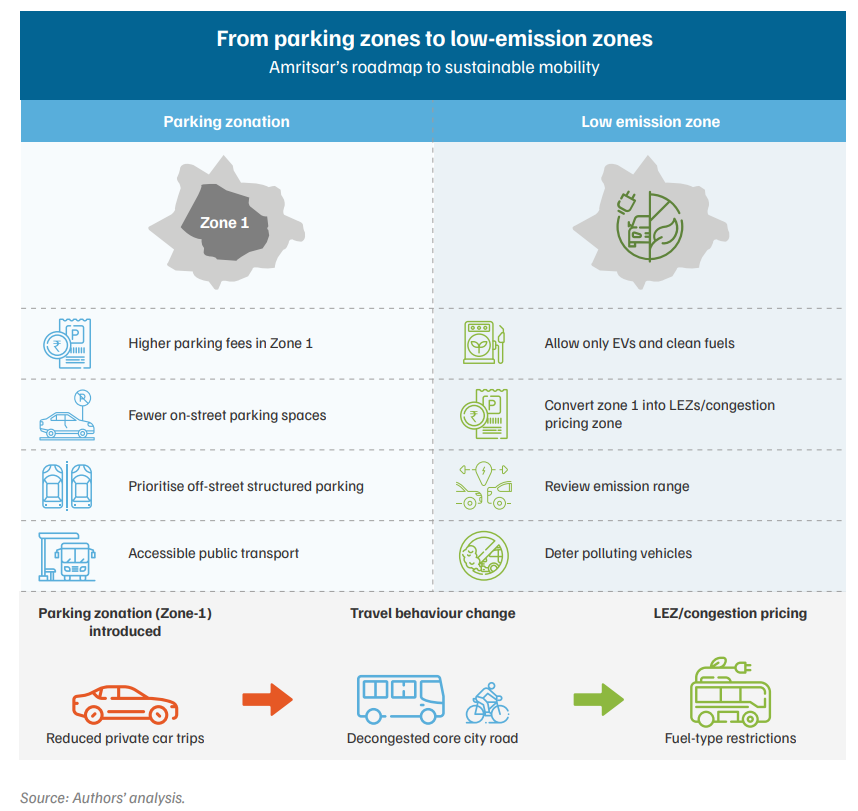
Such a data-driven, spatially targeted approach is relevant as Amritsar is a National Clean Air Programme (NCAP) city, where controlling vehicular emissions is critical. By establishing these zones, the ULB can initially discourage personal vehicle use in the congested city core, nudging commuters toward public and nonmotorised transport. As local communities adapt to these zones and new mobility habits take root, the city can take the next step by converting the core zone into formal lowemission zones, introducing fuel-type restrictions. This gradual, locally anchored approach aligns air quality goals with progressive urban mobility management, paving the way for a cleaner urban environment.
Figure 20. Proposing new parking zones in Amritsar
Introducing zonal regulations should be considered the essential first step in implementing restrictive mobility policies. Establishing clearly defined zones is a prerequisite for measures such as parking controls, lowemission zones, or congestion pricing. By segmenting the city into distinct parking zones, the authority can create a structured framework that enables effective regulation and ensures gradual restriction of private vehicle use within the city. International examples such as London’s LEZ and ULEZ demonstrate how parking policy and zoning can work alongside emission standards to shape travel behaviour by layering stricter emission criteria and pricing strategies within specific geographic boundaries, these cities have successfully pushed cleaner transport options while safeguarding urban air quality. A graphical representation illustrating how parking zones can lead to city-level restrictive measures, such as LEZ and congestion pricing, by encouraging reduced car trips and promoting a behavioural shift towards public and active transport, is presented in Figure 21.
Figure 21. Parking zones lead to the introduction of restrictive policy measures
A city like Amritsar can strategically use parking charges to establish a dedicated fund that supplements the municipal budget by aligning parking prices with the underlying land value. While deriving the parking charges, we recommended telescopic or incremental pricing to discourage long-term on-street parking, with higher rates for prime locations and during peak demand periods, while off-street parking is priced slightly lower to optimise occupancy.
The minimum parking fee for two-wheelers has been set at INR 10 per hour, and factored across zones based on actual parking charges estimated. Similarly, the minimum parking fee for four-wheelers is considered INR 35 per hour. We use a standardised method as outlined in the literature (Litman 2025) to calculate parking revenue:
Yearly revenue = (Spaces × occupancy rate × rate per hour × average duration) x 365
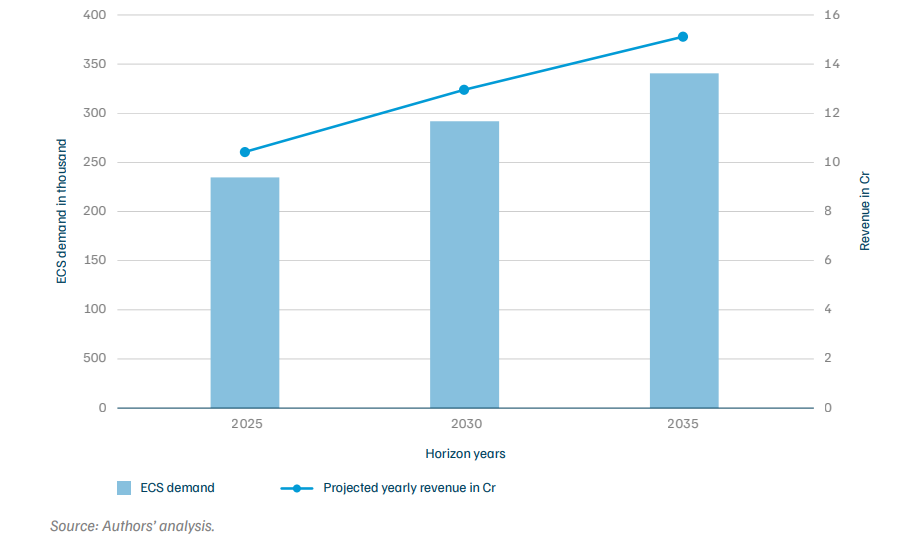
Our analysis indicates that Amritsar currently generates approximately INR 10.4 crore annually, exclusively from commercial parking operations. Given the close relationship between parking demand and the city’s vehicular stock, projections suggest that annual parking revenue could increase to around INR 15 crore by 2035, provided that the city’s parking infrastructure is expected to meet the potential maximum demand.
With commercial parking expected to contribute the majority of the parking revenue, the same could be earmarked for developmental works related to the safety of pedestrians, the development of infrastructure for nonmotorised transport (NMT), and footpath improvement. The authority may also consider allocating parking revenues to bolster public bus systems, such as under the PM e-bus Sewa initiative, leveraging fee collections as a sustainable funding stream for mass transit improvements.
Figure 22. Amritsar’s potential to earn parking revenue
Parking is fundamentally a local issue, best addressed by local administrators who possess a deep understanding of the unique dynamics and challenges within their jurisdiction. A decentralised institutional mechanism could further strengthen local governance and enhance the effectiveness of parking interventions. Establishing a zonal-level committee with a representation of local administrators will give them more responsibility to integrate parking management with their regular course of work.
Parking spaces within cities are majorly owned and administered by the ULBs, in accordance with the functions assigned to municipalities under the 74th Constitutional Amendment (12th Schedule, Entry 6), while the regulation of traffic and enforcement of traffic violations falls under the purview of the city’s traffic police, as derived from powers given under the Motor Vehicles Act, 1988 (Section 201, 206, and others) and the relevant state police acts. Given these distinct but complementary mandates, it is essential that ULBs and the traffic police work in close coordination to ensure effective parking management. Since ULBs require political approval for policy or project implementation, it would be practical for the mayor of the municipal corporation to chair the city-level parking management committee.
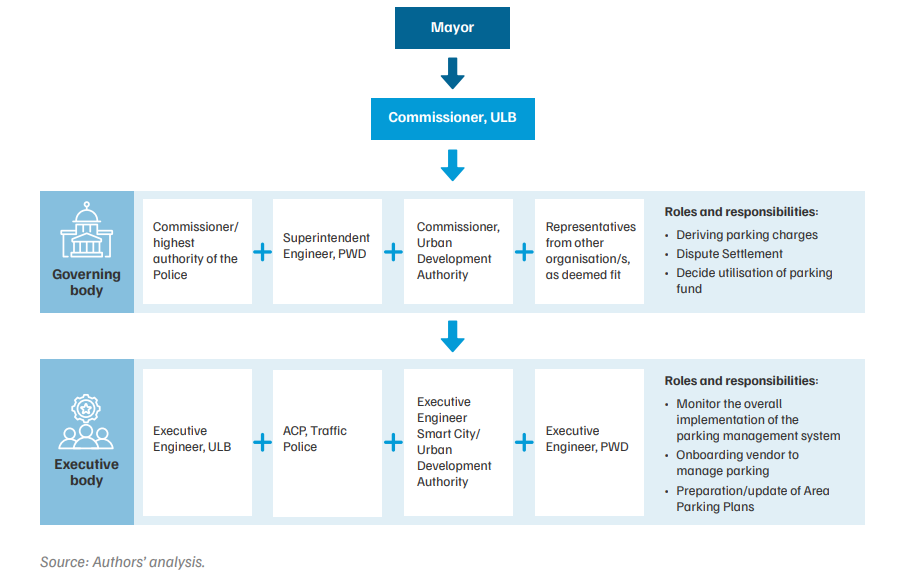
Establishing a two-tier structure, comprising both a governing council (for policy and authority) and an executive council (for operational oversight), can guarantee appropriate representation and accountability from all key stakeholders, including agencies that control land and those regulating transport. To institutionalise this coordination, city-specific parking policies should explicitly mandate the constitution of such committees, and these policies should be formally approved by the state government, thus empowering the committee with the necessary decision-making authority to implement parking reforms effectively. A suggestive structure of the city-level parking committee is elaborated in Figure 23.
Figure 23. Suggested institutional structure for successful implementation of parking norms
When implementing parking regulations at the zonal level, it is important to recognise that each zone typically encompasses both residential and commercial areas. Focusing solely on commercial parking can undermine the effectiveness of parking restrictions. If only commercial areas are regulated or subjected to parking charges on designated stretches, private vehicle users may simply avoid those regulated spots and shift their parking to nearby residential streets, thereby circumventing fees. This shift creates new problems for residents and does not resolve overall congestion. Therefore, it is crucial for authorities to consider both commercial and residential parking management. Although the authority is not charging for the residential parking initially (as envisaged for Bengaluru), the ULB should still assess zone-wise parking demand to plan and manage parking resources more effectively.
The issue brief underscores the opportunities available to city authorities in early million-plus cities to leverage Conclusion parking management for urban benefits. While implementing parking charges is fraught with multidimensional challenges and complex governance structures, our focus is on actionable solutions to address parking problems. Experience so far shows that regulating parking prices alone has met with limited success. However, given the persistent financial constraints faced by municipalities, parking management can be a strategic tool for both generating revenue and promoting public transport or NMT infrastructure.
As users gradually adapt to paid parking in commercial areas, cities can further consider advanced measures such as residential parking permits, unbundling parking from property ownership, and proof-of-parking requirements, paving the way for more comprehensive and sustainable reforms.
Early million-plus cities should prioritise parking management because vehicle ownership is growing rapidly, driven mainly by economic prosperity rather than city size. Cities like Amritsar currently have a parking surplus, but this could turn into a significant deficit by 2035–2050 if unaddressed. Since similar growth patterns are seen across other early million-plus cities, acting early allows them to manage travel demand proactively, curb personal vehicle growth, and generate municipal revenue through parking pricing.
Greenhouse Gas Accounting for On-road Transport Emissions
Scaling Battery Swapping for India’s EV Ambitions
How States can Build Capacity for Urban Mobility Officials:
Can Indian Highways Support Zero-Emission Trucking?