Council on Energy, Environment and Water Integrated | International | Independent

13 May 2022 | 1000–1600 IST
Hon'ble Shri Bhupender Yadav, Union Minister, Ministry of Environment, Forest and Climate Change (MoEFCC), Government of India will deliver the inaugural address at the session.
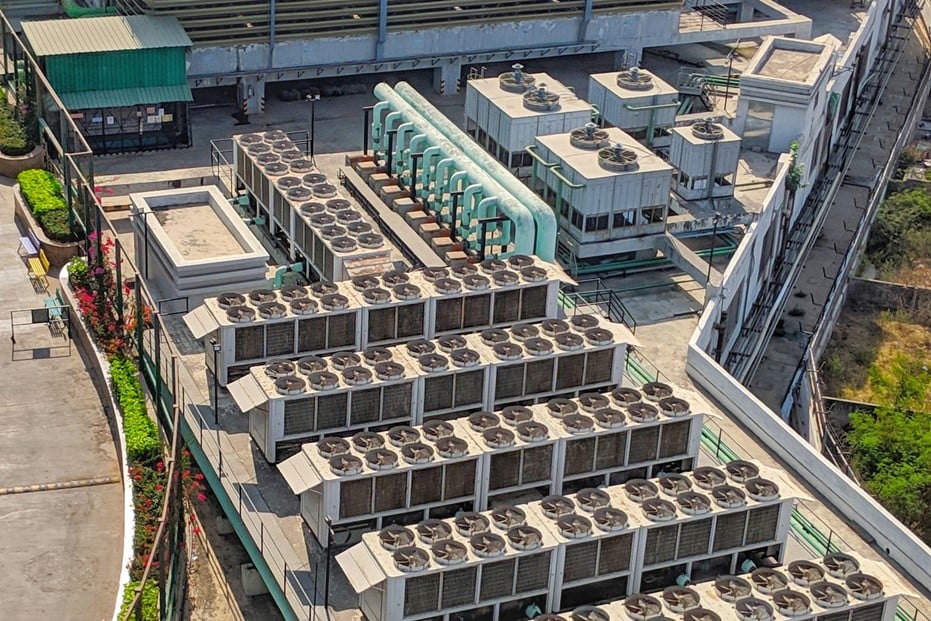
As the demand for cooling surges in India, there is an immense opportunity for jobs, growth and sustainability that this sector can offer. A policy framework has already been set in motion signalling the need to expand access to sustainable cooling technologies across our population.
This National Dialogue is a platform to convene on several key dimensions of the cooling transition. First, a high-level panel will reflect on India’s policy framework for climate-friendly cooling strategies to stay the course as we move forward. Second, to leverage the growth and jobs opportunity, a special panel will discuss how the sector can be made more competitive, self-reliant and export-ready. Third, a roundtable will focus on how successful interfaces between government, industry and academia can be designed to fulfil the R&D and technology needs of the sector.

Saman Fatima Nomani
Communications Associate
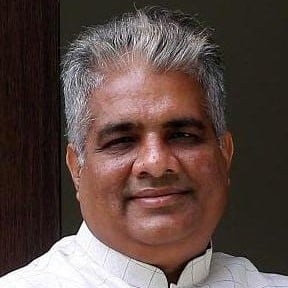
Hon'ble Shri Bhupender Yadav
Union Minister
Ministry of Environment, Forest and Climate Change (MoEFCC), Government of India
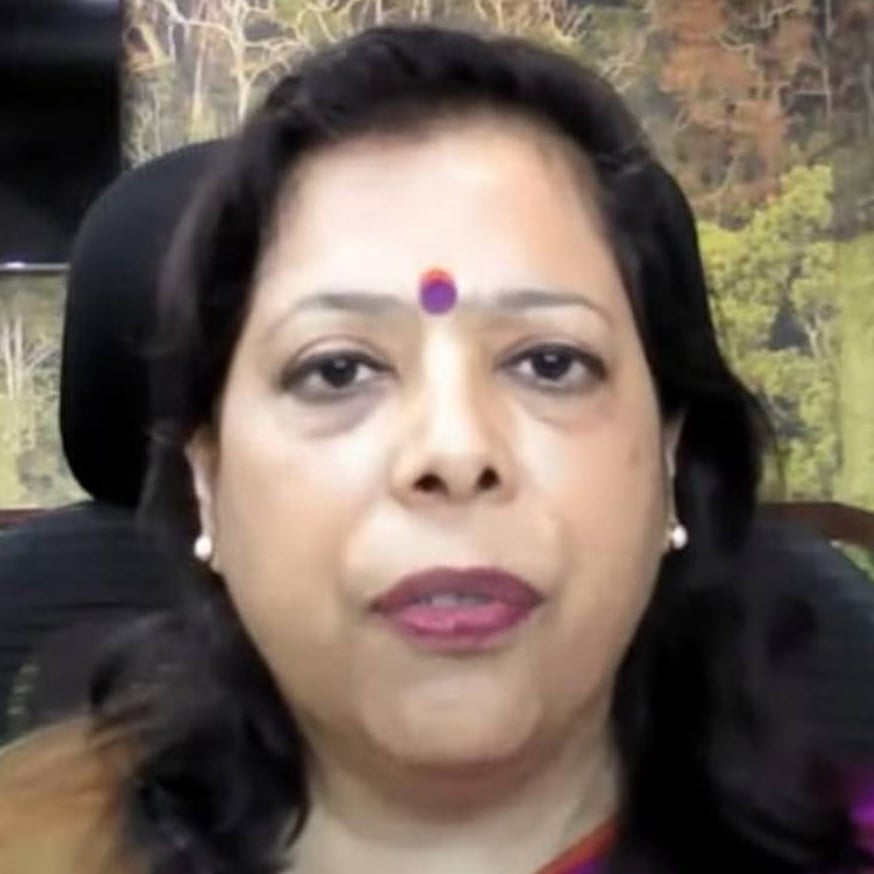
Leena Nandan
Secretary
MoEFCC, Government of India
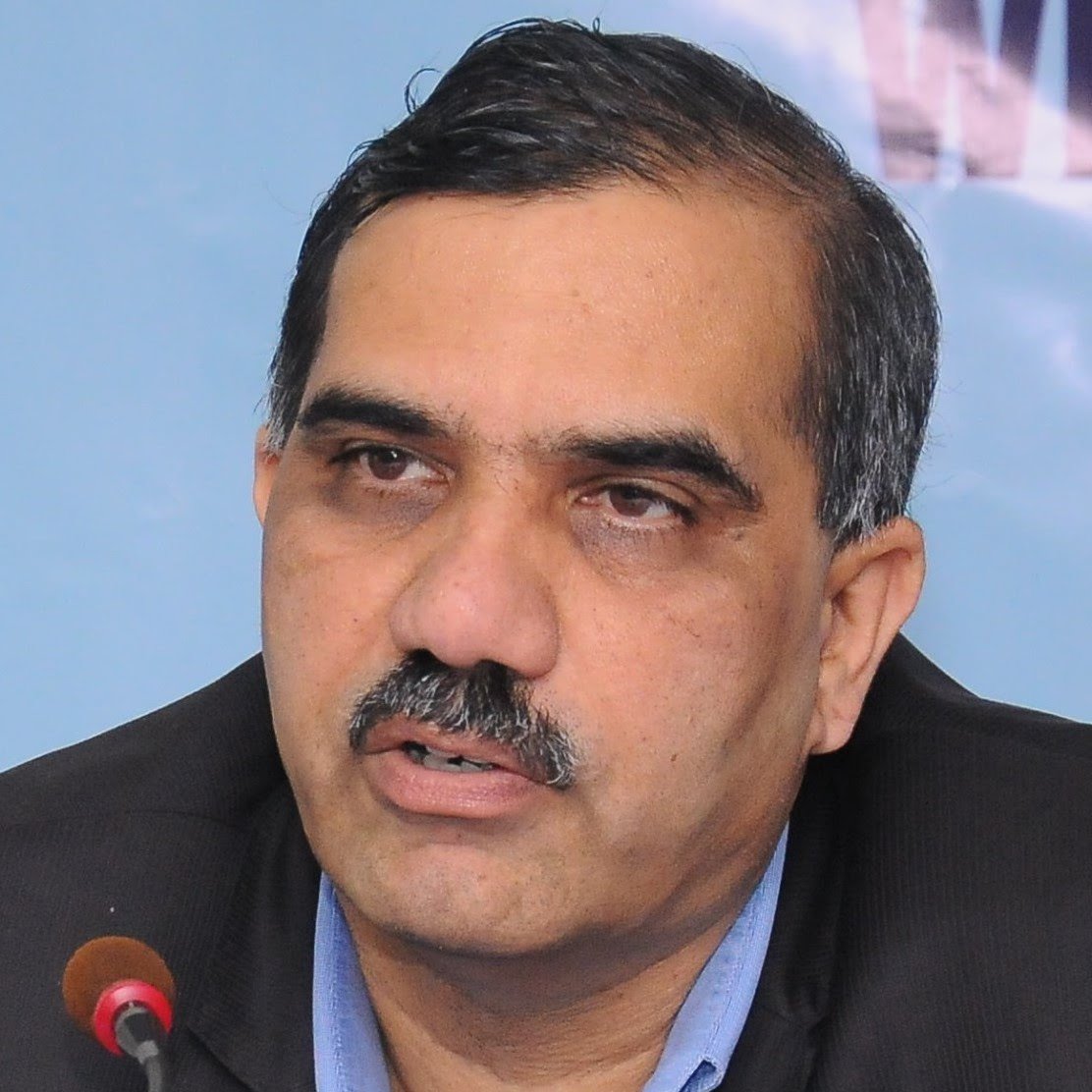
Abhay Bakre
Director General
Bureau of Energy Efficiency
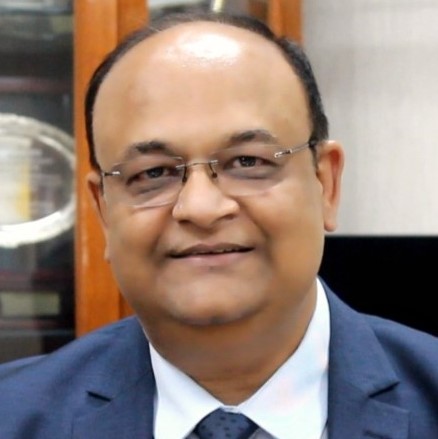
Anil Agrawal (TBC)
Additional Secretary
Department for Promotion of Industry and Internal Trade
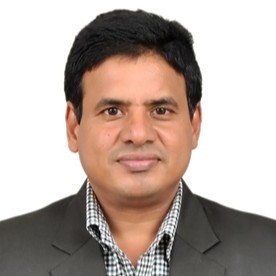
JBV Reddy
Scientist
Department of Science and Technology
Rajneesh Khosla
Director
Bureau of Indian Standards
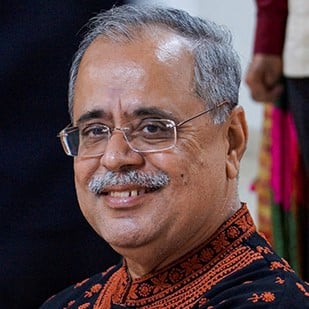
Atul Bagai
Head of Country Office
United Nations Environment Programme India
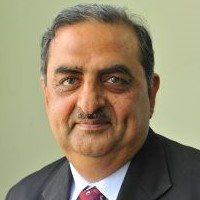
Kanwal Jeet Jawa
President
Refrigeration and Air-conditioning Manufacturers Association

Mukundan Menon
President
Blue Star
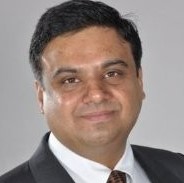
Ajit Panicker
President
Refrigeration & Air-Conditioning Trades Association
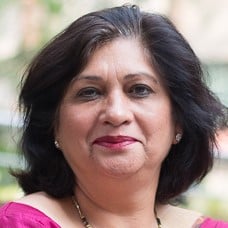
Vibha Dhawan
Director General
The Energy and Resources Institute
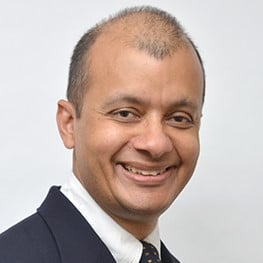
Satish Kumar
President and Executive Director
Alliance for an Energy Efficient Economy

Ritu Ghosh
Associate Director, Corporate Affairs & CSR
Panasonic India

R.S. Agarwal
Professor
IIT Delhi (Retired)
Vishal Kapur
National Chair - Advocacy
ISHRAE
Arunabha Ghosh
CEO
CEEW
Shikha Bhasin
Senior Programme Lead
CEEW
28 Apr 2022 | 1800–1930 IST | 1430–1600 CEST | 0830–1000 ET

In the run-up to Stockholm+50, this event will bring together youth champions, senior experts and global voices for an engaging discussion on the state of youth inclusion and action for climate change. We will highlight key demands and principles that underpin the vision of youth for a healthy planet, and showcase a lively debate on the power and agency of youth to drive the sustainability agenda.
The session will also mark the launch of the youth report, 'Charting a Youth Vision for a Just and Sustainable Future', co-developed by SEI and CEEW for Stockholm+50.
Saman Fatima Nomani
Communications Associate

Ulrika Modéer
UN Assistant Secretary-General and Director of the Bureau of External Relations and Advocacy
UNDP

Olumide Idowu
Executive Coordinator
African Youth Initiative on Climate Change (Nigeria)
Supriya Singh Bhatla
Assistant Vice President
Projects and Partnerships
IORA Ecological Solutions India

Nudhara Yusuf
Facilitator
Global Governance Innovation Network (GGIN)
The Stimson Center

Zoha Shawoo
Associate Scientist
SEI and Youth report co-author (USA)

Odenyo Javan
Research Scientist
SEI and Youth report co-author (Kenya)

Loay Radwan
UN Young Leader for SDGs, and Co-founder
G-Beetle
Bhuvan Ravindran
Research Analyst
CEEW

Åsa Persson
Research Director and Deputy Director
SEI
Arunabha Ghosh
CEO
CEEW
04 Mar 2022 | 1500–1615 IST
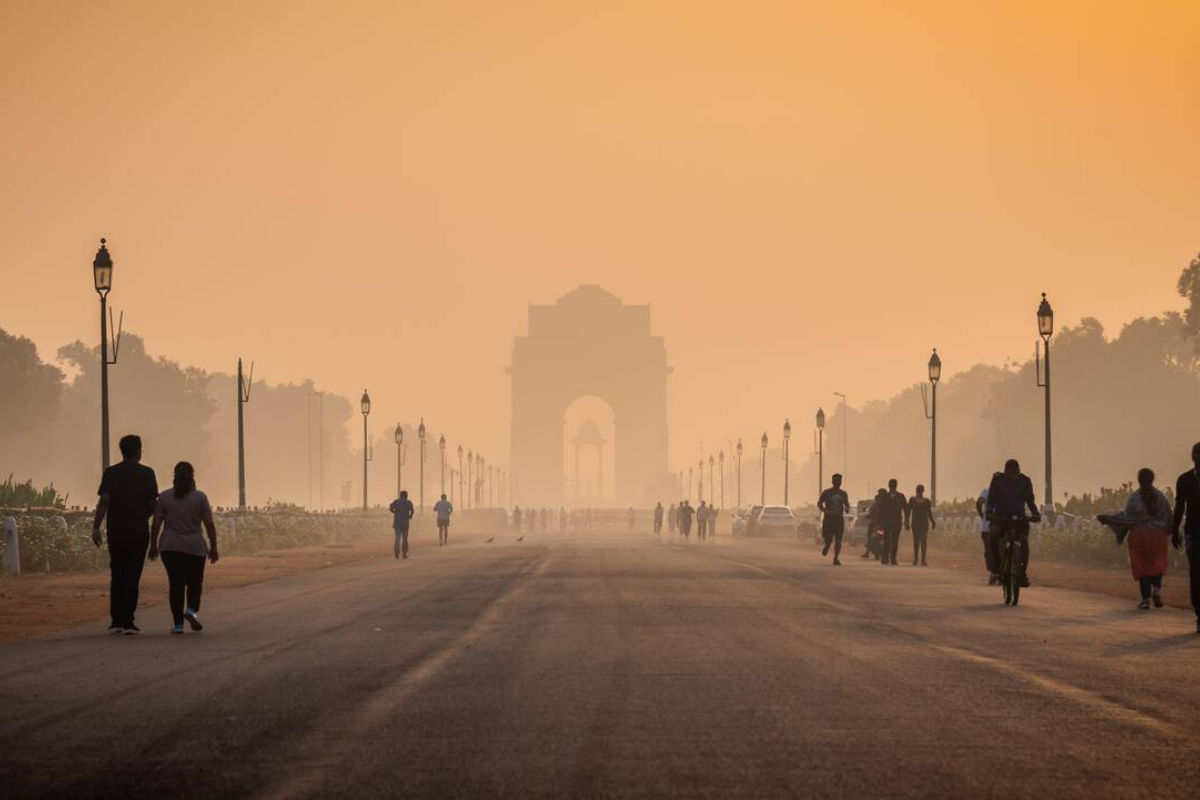

Air pollution in India is a clear and present crisis that calls for year-round action. Understanding modelled data on long-term air pollution trends can help explain the underlying contributing sources, as well as their spatial and temporal variation.
In this session, we will discuss how such data can strengthen air pollution and public risk communications; and inspire action from policymakers and the citizens. We will also unpack India's growing air pollution trend (1998-present) as captured in the GBD MAPS assessment, look to understand uncertainty in global assessments, and how domestic research groups can strengthen these assessments.
Saman Fatima Nomani
Communications Associate
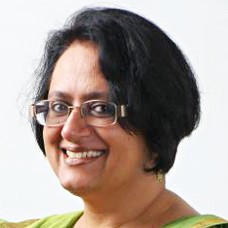
Chandra Venkataraman
Professor, Department of Chemical Engineering
IIT Bombay
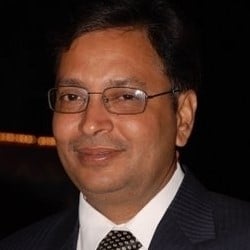
Mukesh Sharma
Professor, Department of Civil Engineering
IIT Kanpur
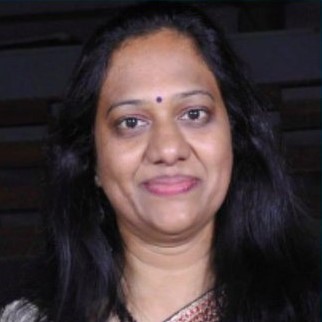
Poornima Prabhakaran
Deputy Director and Additional Professor
Public Health Foundation of India
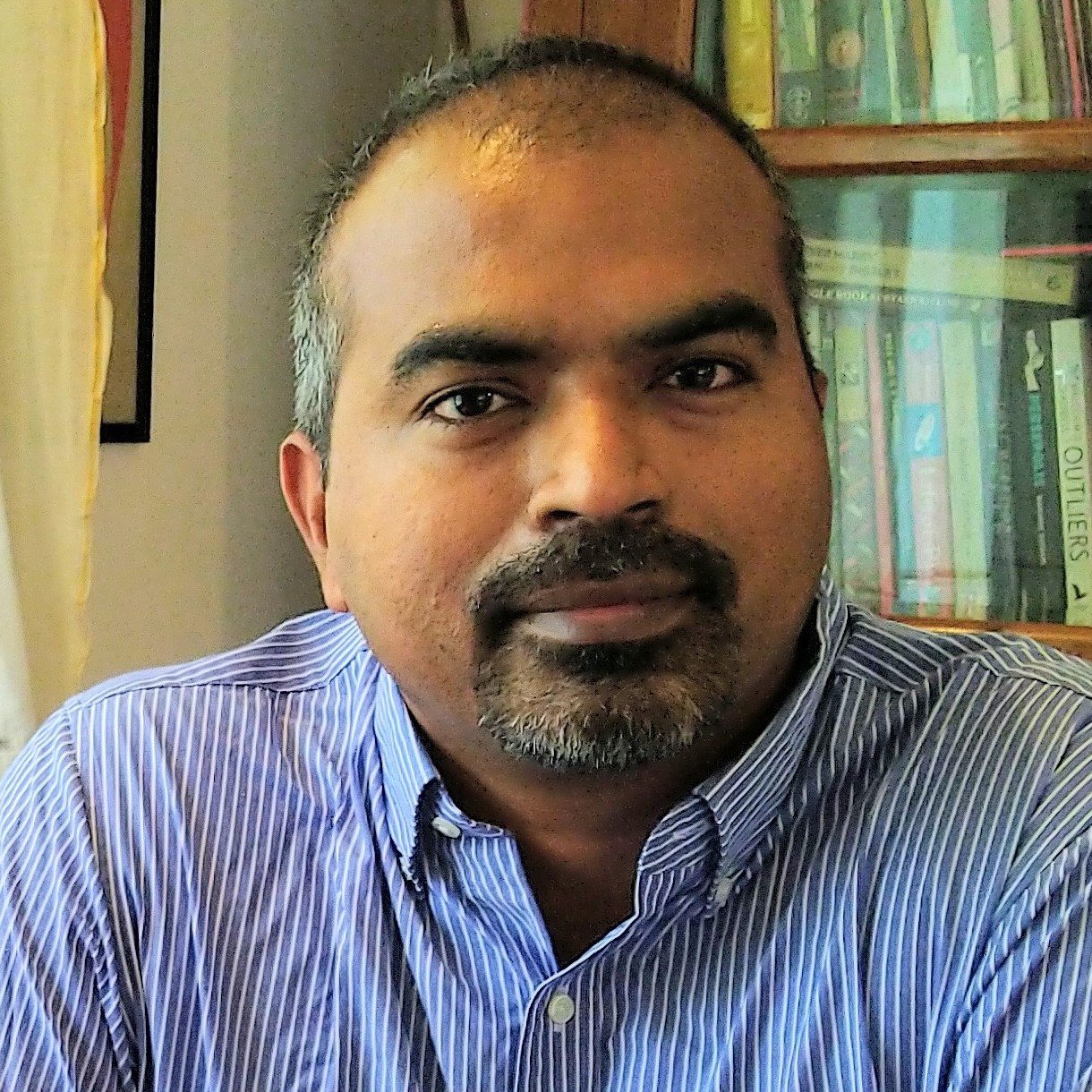
Sarath Guttikunda
Founder/Director
Urban Emissions
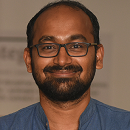
Karthik Ganesan
Fellow and Director - Research Coordination
CEEW