Council on Energy, Environment and Water Integrated | International | Independent

05 Mar 2021 | 1700 - 1745 hrs IST
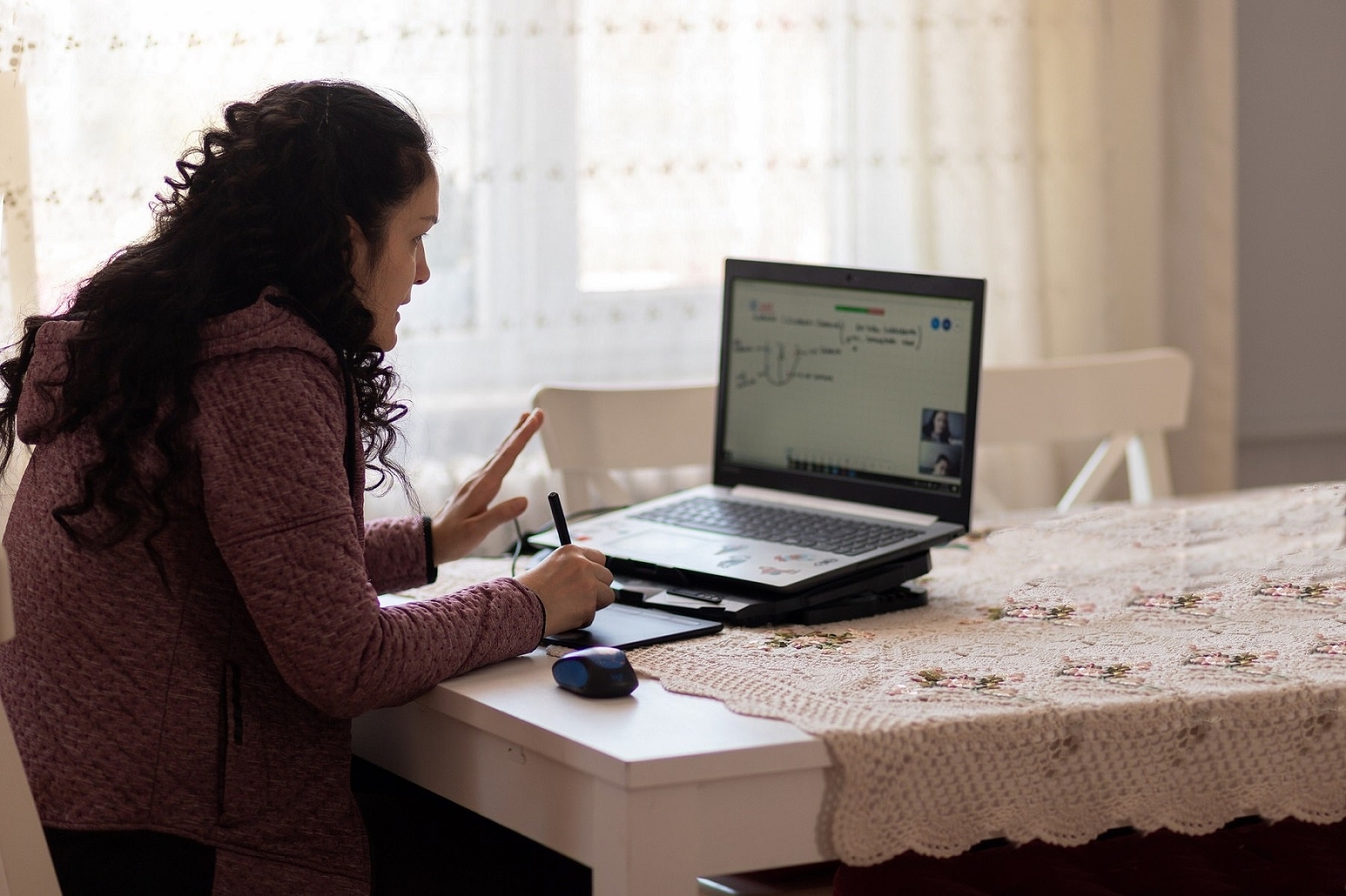
This International Women's Day, we at Women in Sustainability (WiS) at CEEW take a moment to learn from the past year. We reflect on the experiences of some of the champions of sustainability as we choose to challenge barriers to inclusivity, participation and recognition at the workplace. Join us as we talk to Vaishali Nigam Sinha, Chair, ReNew Foundation and Chief Sustainability and CSR Officer, ReNew Power, on forces that kept her going during the pandemic, and initiatives that organisations can take to retain women in the workforce.

Riddhima Sethi
Communications Associate

Vaishali Nigam Sinha
Chair, ReNew Foundation and Chief Sustainability and CSR Officer, ReNew Power

Disha Agarwal
Programme Lead, CEEW
10 Mar 2021 | 1500 – 1615 IST
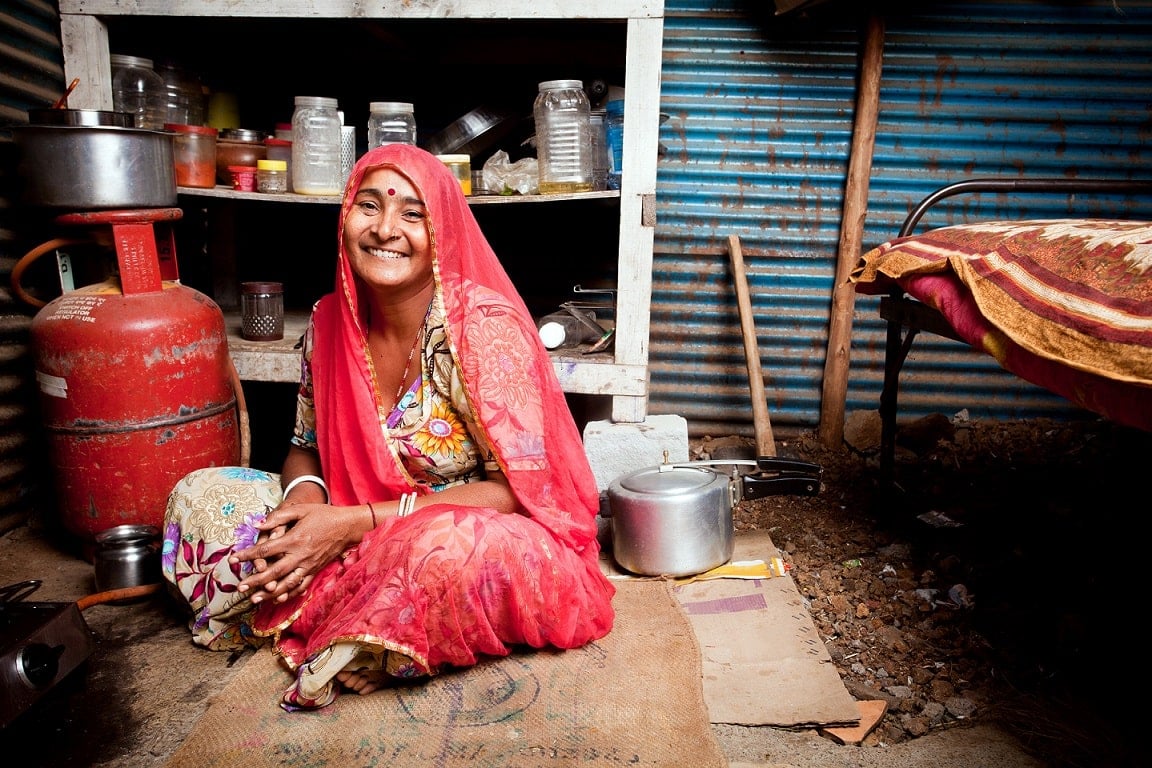
 The sixth edition of CEEW Energy Access Dialogues will focus on Enabling Access to Clean Cooking Energy for the Urban Poor. Urban slums suffer from double burden of air pollution. In addition to the high ambient particulate matter in cities, they are also exposed to household air pollution (HAP) from the use of unclean cooking fuels. The session will draw insights from a CEEW survey conducted across urban slums in six states—Bihar, Jharkhand, Uttar Pradesh, Rajasthan, Madhya Pradesh and Chhattisgarh. The session will provide an overview of the cooking fuel use patterns in urban slum households. We will deliberate on the need to integrate access to clean cooking energy within the ambit of services for the urban poor to address the vulnerability of women, children, and communities to HAP.
Energy Access Dialogues is a quarterly forum where researchers and practitioners discuss their ongoing work in energy access, deliberate on its implications, explore possibilities for collaborative work, and review immediate priorities in the energy access space.
Riddhima Sethi
Communications Associate

Nidhi Prabha Tewari
Senior Social Specialist
Ujjwala, Ministry of Petroleum and Natural Gas

Priyadarshini Karve
CEO
Samuchit Enviro Tech

Meghna Malhotra
Deputy Director
Urban Management Centre

Sarath Guttikunda
Founder
Urban Emissions

Abhishek Jain
Fellow & Director
CEEW
17 Feb 2021 | 1530–1700 hrs IST

Corporates in India have been increasingly committing to electricity consumption from renewable energy (RE) sources. COVID-19 appears to have whetted their appetite further and there are a number of mechanisms available at their disposal. These include open access, a dedicated green power exchange platform and the renewable energy certificate mechanism. Navigating through the choices, understanding their pros and cons, and ultimately determining the best suited for them can often be a complex exercise.
In this Parishad webinar, we will present key trends, challenges and opportunities in India’s corporate RE market. The updated version of CEEW-CEF’s Open Access tool will also be launched during the session. This tool allows RE developers, investors and corporate consumers to calculate the financial savings in case they shift to open access. This will be followed by a broader discussion on, and evaluation of, the merits of all the various market mechanisms available to corporates in accelerating business sustainability through RE procurement.
Riddhima Sethi
Communications Associate

Rohit Bajaj
Senior Vice President - Business Development
Indian Energy Exchange

Deepali Wankhede
Senior Manager (Power and Insurance)
Indo Rama Synthetics (India) Ltd

Nikhil Sharma
Associate
CEEW-CEF
10 Dec 2020 | 1430–1600 hrs IST

India is already experiencing a preview of the large-scale disasters and socio-economic upheaval that could be created by climate extreme events without adequate mitigation strategies. India’s future growth is now intricately linked to climate risks. Investments in hard infrastructure, such as housing, transport, power, and industries especially along the coasts will be at risk, while vulnerable communities with low adaptive capacity will be most severely hit. Additionally, with weather-related insurance losses mounting, there are warning signs of climate change triggering the next financial crisis.
During the session, we will discuss how mainstreaming climate risk assessment can help relevant stakeholders make climate-proof decisions and investments.
Riddhima Sethi
Communications Specialist
Sandeep Poundrik
Director-General
Coalition for Disaster Resilient Infrastructure

Animesh Kumar
Officer-in-Charge and Deputy Chief
Regional Office for Asia and the Pacific United Nations Office for Disaster Risk Reduction
Dipak Gyawali
Academician, Nepal Academy of Science and Technology and
Former Water Resources Minister, Nepal

Shloka Nath
Executive Director
India Climate Collaborative

Jayashree Nandi
Environment Journalist
Hindustan Times
Arunabha Ghosh
CEO
CEEW
08 Dec 2020 | 1730-1900 hrs IST

India's automobile sector contributes about 7 to 8 per cent of the country's gross domestic product. The sector which contributes roughly half of the country's manufacturing GDP is at the verge of a transition with a higher share of electric vehicle sales expected in the coming decade. However, the costs of setting up supply chains and manufacturing capacities for these vehicles is likely to be a significant roadblock.
The webinar will highlight key findings from the study—the investments required, the barriers and critical interventions needed to finance the electric vehicle transition in India. We will delve deeper into the barriers and solutions to this transition, especially given the long gestation nature of such projects and the COVID-19 related slowdown. These insights would be valuable to policymakers, investors, and other stakeholders interested in India's largest manufacturing sector.
Riddhima Sethi
Communications Specialist


Vivek Sonny Abraham
Vice President and Co-Head
Global Investor Outreach Invest India

Kelly Sims Gallagher
Academic Dean and Professor of
Energy and Environmental Policy The Fletcher School

Akshima Ghate
Principal
RMI India

Mahesh Babu
Managing Director and CEO
Mahindra Electric

Kanika Chawla
Director
CEEW Centre for Energy Finance (CEEW-CEF)

Vaibhav Pratap Singh
Senior Analyst
CEEW-CEF
02 Dec 2020 | 1500-1630 hrs IST
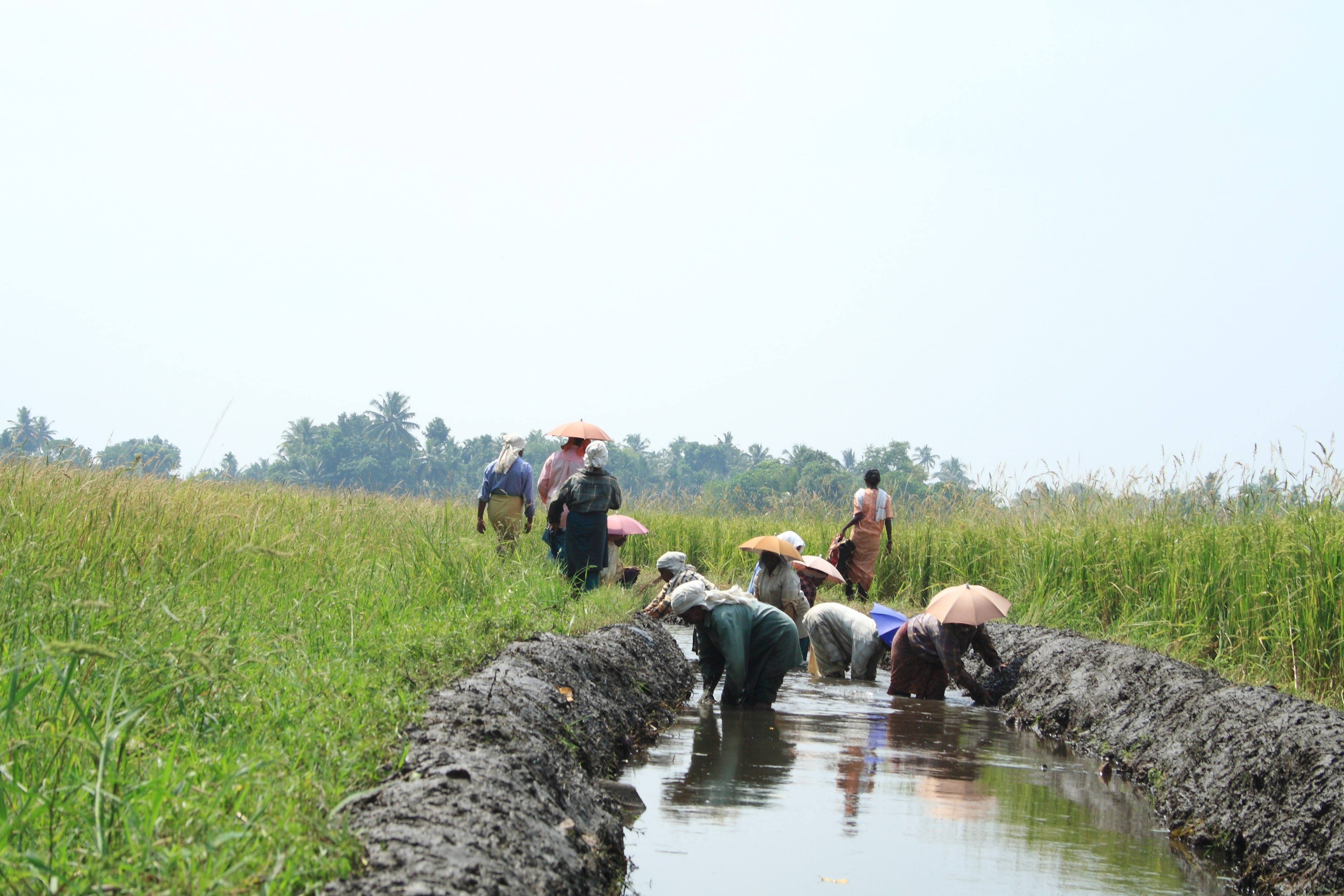
India’s economy, and the country’s agriculture sector, in particular, is highly water-intensive and substantial water resources are locked up in less productive growth. This is highly relevant in areas where water availability is constrained, while at the same time, implementation of development programmes such as Har Ghar Jal and Make in India would require good quality, reliable water supply. The study finds significant potential for water savings in agriculture and subsequent reallocation to other sectors. This inter-sectoral transfer of water must be accompanied by appropriate incentives for water users across sectors as well as institutional and regulatory restructuring.
During the session, we will delve into policies and interventions that could correctly and fairly incentivise farmers to adopt practices for better input management and water-use efficiency. We will also unpack how various institutional and regulatory reforms could positively work towards farmers' interest while at the same time evoke the need to maintain and develop water use efficiency.
Riddhima Sethi
Communications Associate
P. S. Rao
Director (Technical)
Advanced Centre for Integrated Water Resources Management

Martin Burton
Team Leader
Irrigation Modernisation Specialist Asian Development Bank

Pratibha Singh*
Country Manager
Australian Centre for International Agriculture Research

Anubha Goel
Associate Professor
Department of Civil Engineering IIT Kanpur

Mohan Sharma
Executive Director
Development Support Centre

Vaibhav Chaturvedi
Fellow
CEEW
*To be confirmed
25 Nov 2020 | 1500-1630 hrs IST
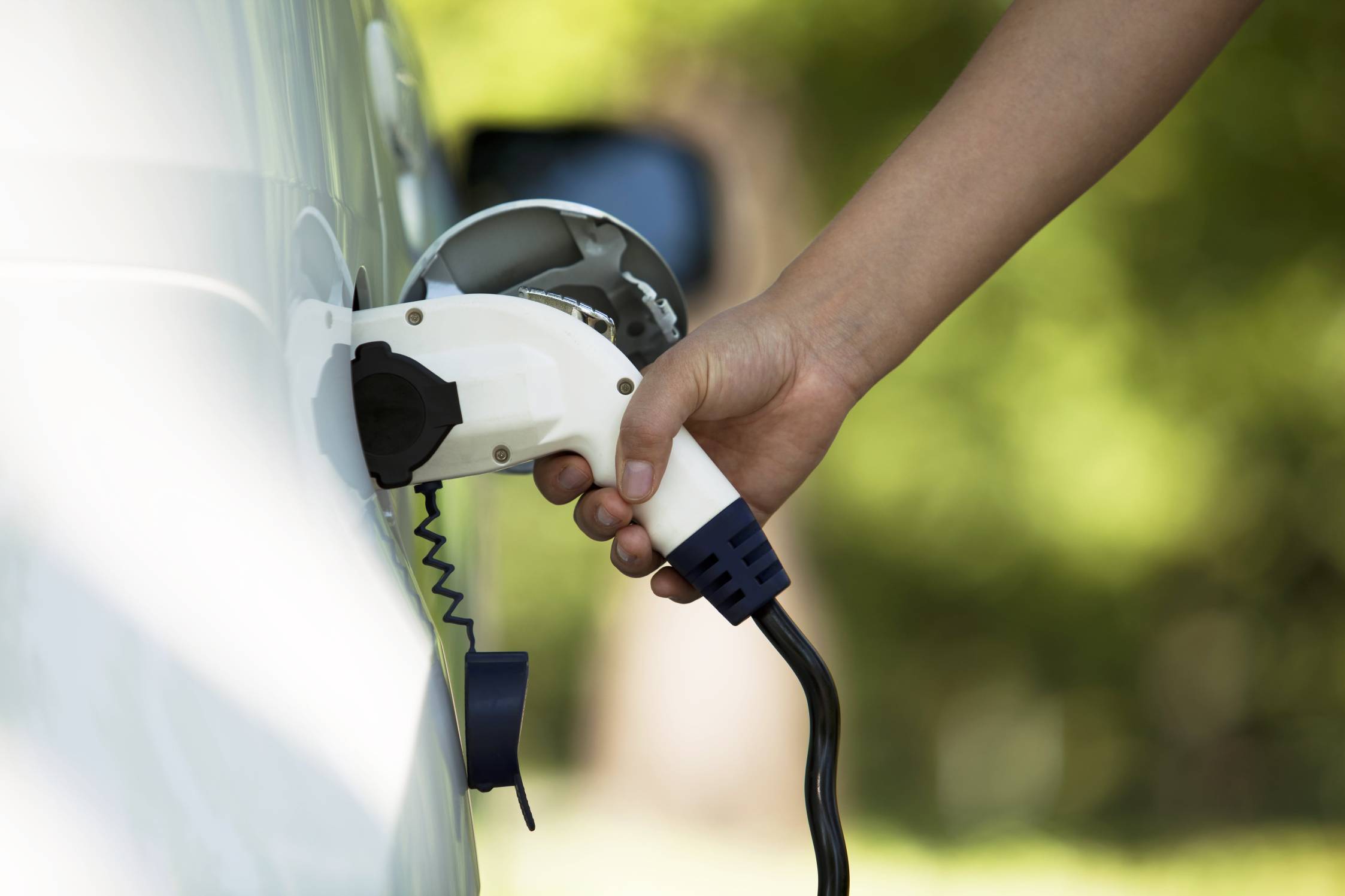
India’s electric vehicle charging ecosystem is extremely fragmented. The need for multiple apps and access cards makes it inconvenient for EV users to charge at public charging stations. Charging providers are hesitant to invest in public charging as utilisation remains low. Interoperability to that effect is both a means and an end in India's ambitious mobility transition. It helps aggregate stations for EV users and demand for charging providers. Aggregating both demand and supply induces network effects, benefiting the entire EV ecosystem.
This webinar will discuss how interoperability could be used to advance India’s EV charging ecosystem. We will share insights from the CEEW-eDRV joint project on interoperability and invite inputs from EV leaders on some of the key questions surrounding interoperability.
Riddhima Sethi
Communications Specialist
Anil Srivastava
EV Policy Expert

Shalini Sarin
Director
Elektromobilitat

Roland Ferwerda
Board Member
EVRoaming Foundation

N. Mohan
Deputy General Manager
(Head - EV Charging) Energy Efficiency Services Limited
Kanika Chawla
Director
CEEW Centre for Energy Finance
09 Nov 2020 | 1430-1600 hrs IST
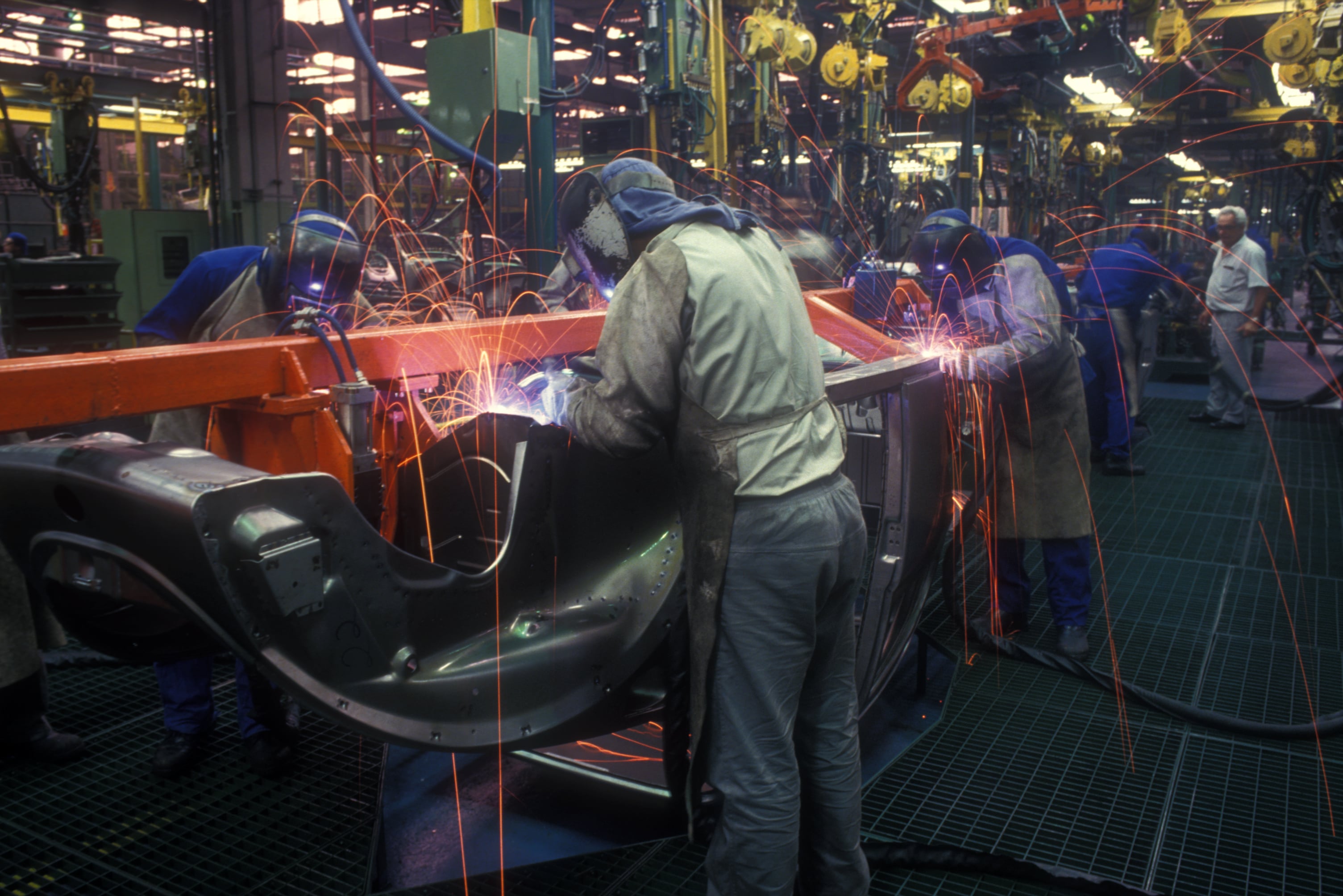
The session will mark the launch of our latest study 'Can Electric Mobility Support India's Sustainable Economic Recovery Post COVID-19?' A rapid and sustained transition to electric mobility in India hinges on domestic manufacturing with a high degree of localisation. This will allow for better control over the quality of EV components and lower costs which will accelerate EV adoption in India. There are several building blocks to realising a globally competitive EV industry in India and this will require several stakeholders to act in concert.
During the session, we will unpack strategies to scale investments into EV component manufacturing and the role of stable and long-term policies. We will also delve into possible pre-emptive measures to assuage the impact on ICE manufacturing jobs and a potential fuel tax revenue hit for central and state governments.
Riddhima Sethi
Communications Associate
Rajiv Kumar*
Vice Chairman
NITI Aayog

Jasmine Shah
Vice Chairperson, Dialogue & Development Commission
Govt of NCT of Delhi

Rashmi Urdhwareshe
Former Director
Automotive Research Association of India

Arindam Lahiri
CEO
Automative Skills Development Council

Sulajja Firodia Motwani
Founder and CEO
Kinetic Green

Prashant Parida
Group Head - Marketing , Strategy & New Initiatives
Okaya Power Group

Ruchir Shukla*
Director - Electric Mobility
Shakti Sustainable Energy Foundation

Himani Jain
Senior Programme Lead
CEEW
*To be confirmed
06 Nov 2020 | 1430-1545 hrs IST (1000-1115 hrs CET)
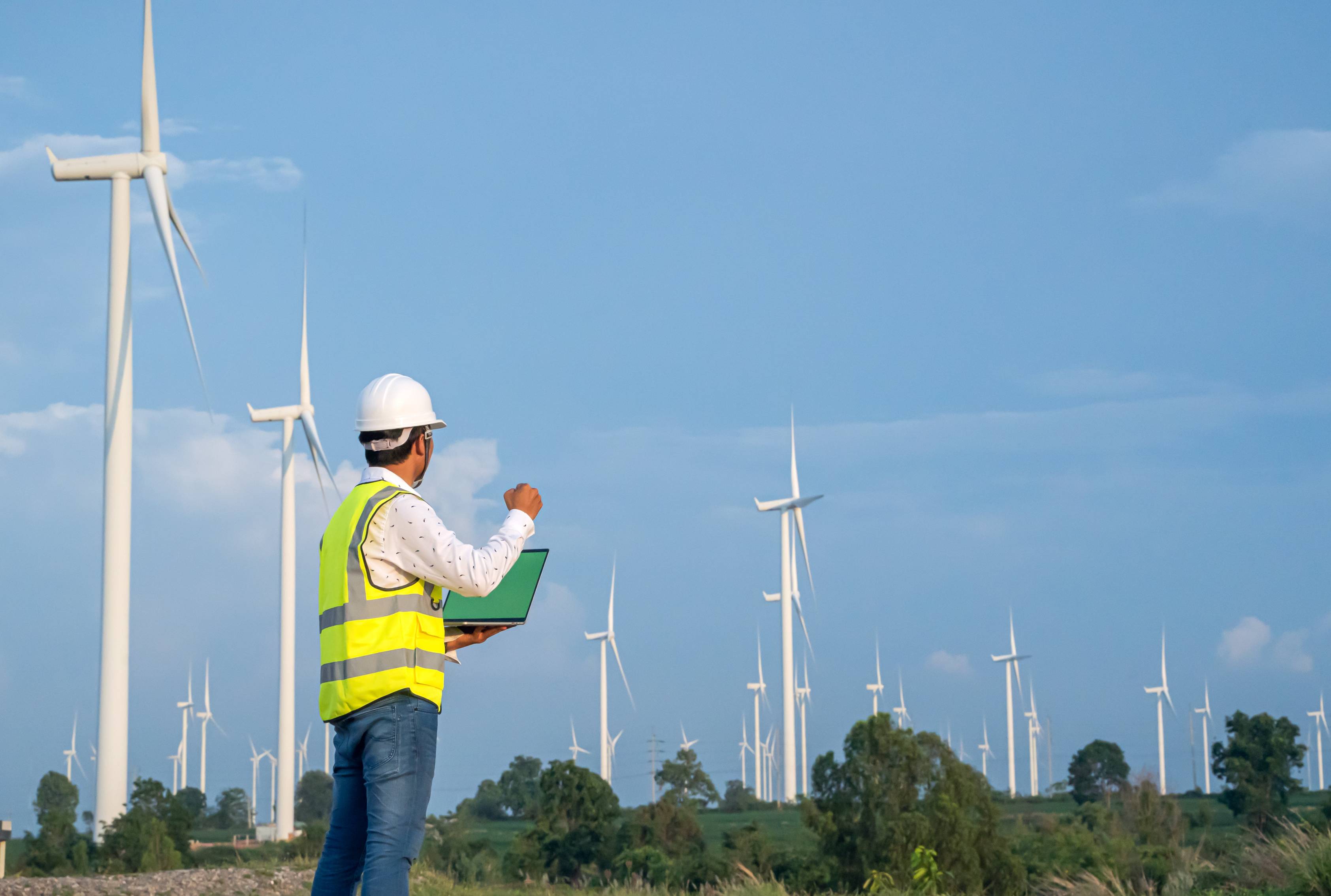
The webinar will feature the launch of the Clean Energy Investment Trends 2020 report. The report examines the appeal of utility-scale solar and wind energy investment in India by analysing project-level equity returns over 2019 and the first half of 2020, and updates analyses on debt financing and market trends of previous editions. The report further examines major stumbling blocks to attracting capital, stemming from issues related to policy uncertainty, the financial health of state distribution companies, demand risk, and land-related constraints.
Building on insights from the report, the panel will deliberate upon the opportunities for and challenges to scaling up renewable energy investment in India. The discussion will also examine urgent policy and regulatory changes required to elevate investment flows to a level needed to reach domestic renewable targets.
Riddhima Sethi
Communications Associate

Manoj Mathur*
Director (Solar)
Solar Energy Corporation of India

Parag Sharma
Founder & CEO
O2 Power

Sandy Khera
Country Manager & CEO
Enel Green Power India

Shreya Jai
Special Correspondent
Business Standard

Abhishek Goel
Principal
Global Infrastructure Partners India

Lucila Arboleya
Energy Economics and Financial Analyst
IEA

Arjun Dutt
Associate
CEEW-CEF
*To be confirmed
12 Oct 2020 | 1600–1830 hrs IST
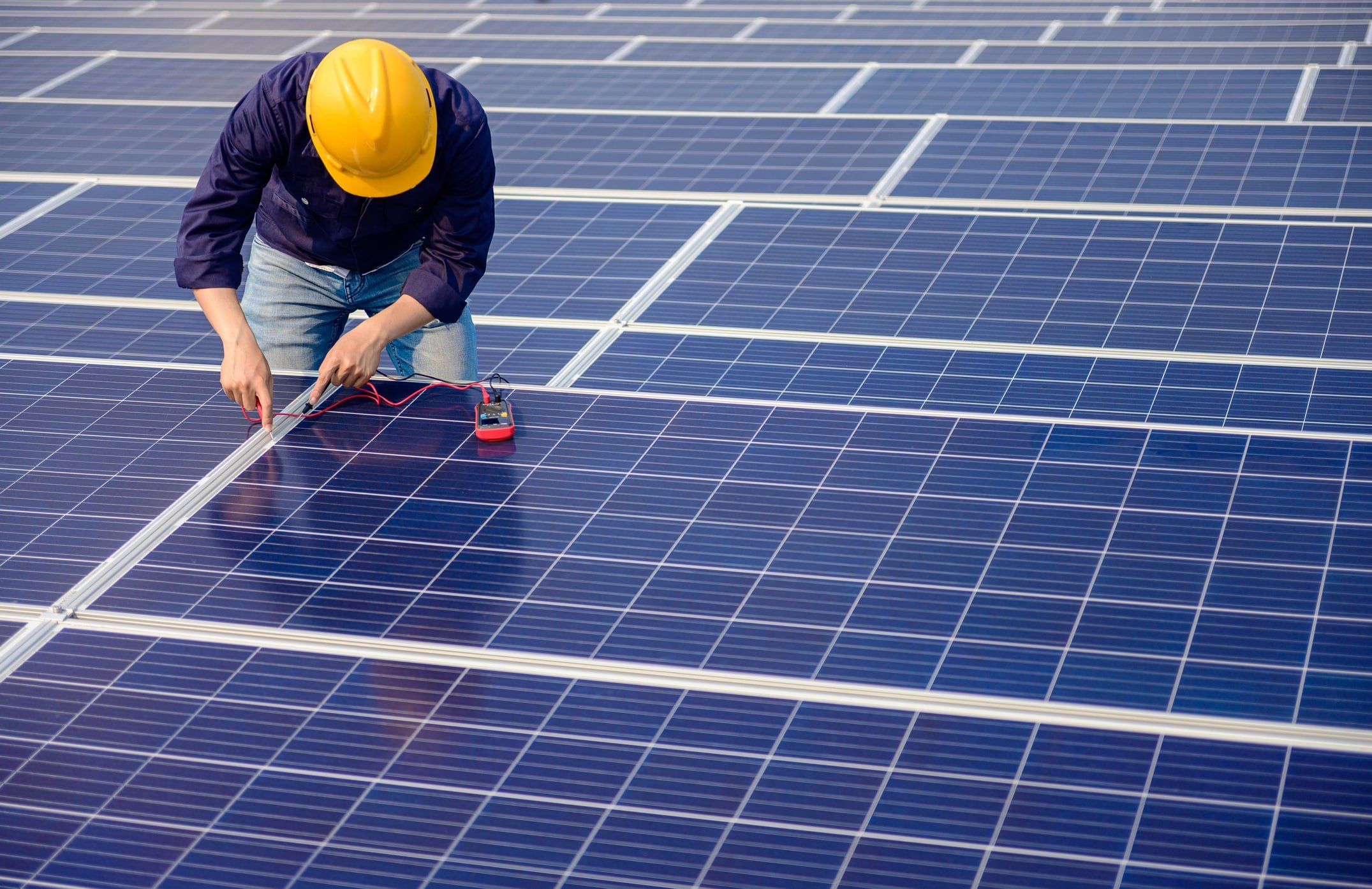

This workshop will focus on innovative regulatory and policy options to scale up rooftop PV in India with the participation of state representatives (nodal agencies, DISCOMs, regulators), industry and international policy makers. A group of experts from Australia, Brazil, Germany and the United States will provide insights on policy, regulation and market innovation relevant for India’s rooftop PV market.
Riddhima Sethi
Communications Associate