Council on Energy, Environment and Water Integrated | International | Independent

03 Mar 2022 | 1500–1630 IST
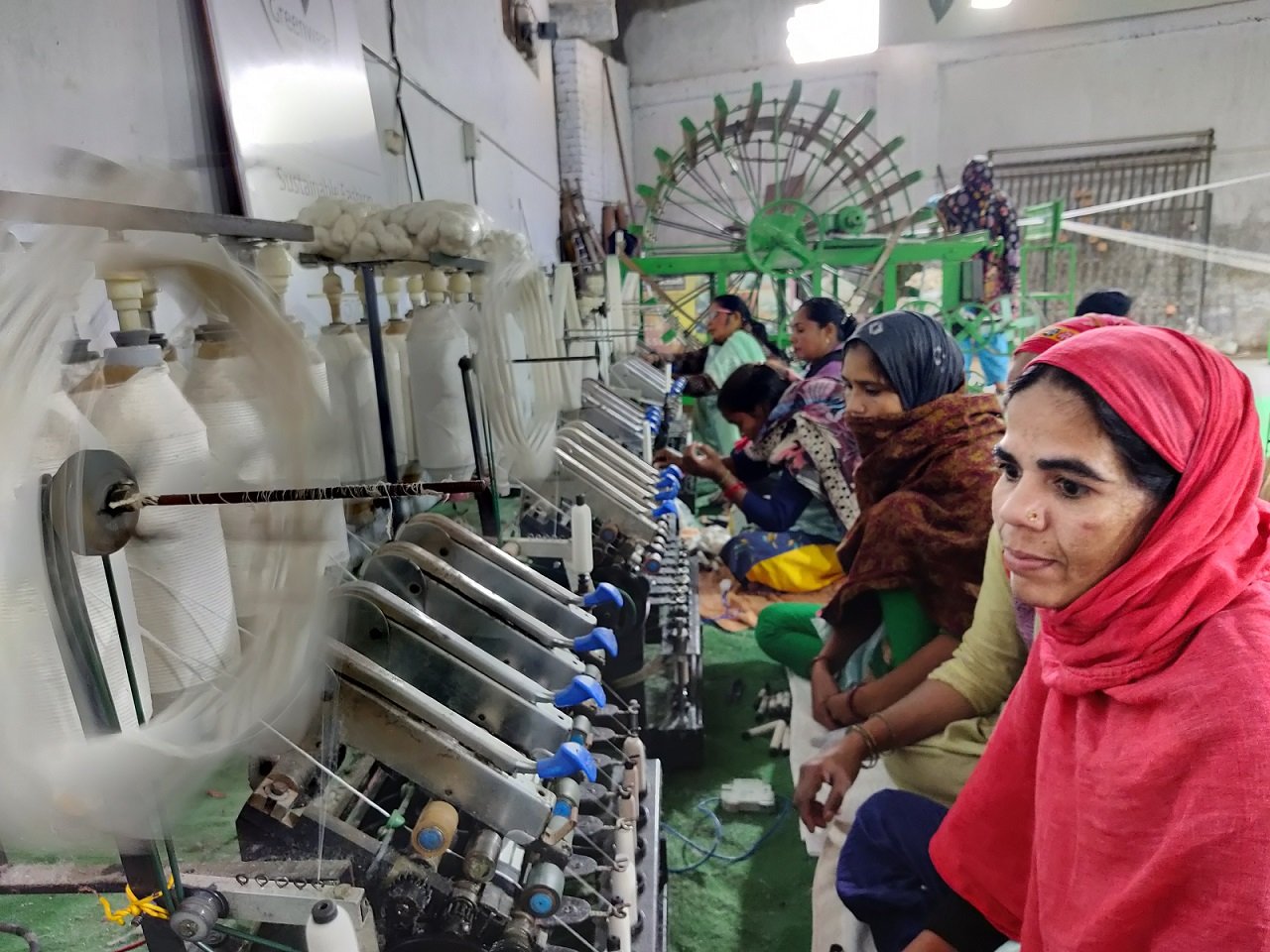

Access to technology can improve women’s productivity, alleviate poverty, and increase participation in income-generating activities. Distributed renewable energy (DRE) solutions deliver these multi-sectoral benefits. Supporting DRE roll-out initiatives can ensure energy for all (SDG7), contribute to gender equality (SDG5), whilst also decarbonise economies and addressing the challenge of climate change (SDG13). The recent policy framework launched by the Ministry of New and Renewable Energy also promotes DRE technologies for livelihood applications.
In this session, we will look at how DRE technologies have the potential to improve women's livelihoods. The discussion would focus on interventions and solutions required to bolster the large scale rural developmental transformation, especially in the context of innovations, funding, end-user financing, policy and skilling.

Saman Fatima Nomani
Communications Associate
Nidhi Pant
Co-founder
S4S Technologies
Rekha Kulkarni
CEO
Mann Deshi Mahila Sahakari Bank

Deepak Goel
Regional Director India
Shell Foundation
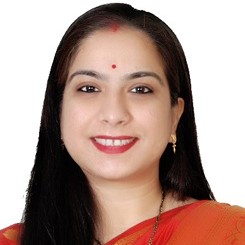
Mahima Sharma
Project Manager
Livelihood Training and Capacity Building, Rajasthan Grameen Aajeevika Vikas Parishad
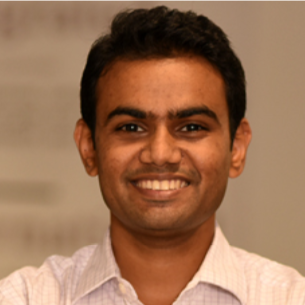
Abhishek Jain
Fellow & Director - Powering Livelihoods
CEEW
22 Feb 2022 | 1500–1600 IST


India presents a unique promise as the leading voice on the energy transition from the Global South. Recent developments at COP26 and announcements at the Union Budget signal India’s intent to drive economic growth through the route of sustainability. To emerge as a leader – and to fulfill its potential – India must square the trinity of jobs, growth and sustainability.
This fireside chat between Dr Naushad Forbes, Author of The Struggle and The Promise: Restoring India’s Potential, and Sukumar Ranganathan will build on this context. We will discuss the roles of different stakeholders in the society in enabling India’s leadership; the best practices that can aid this process while ensuring openness, inclusivity, innovation and independence; and getting the balance right between industry, institutions and policy.
Saman Fatima Nomani
Communications Associate
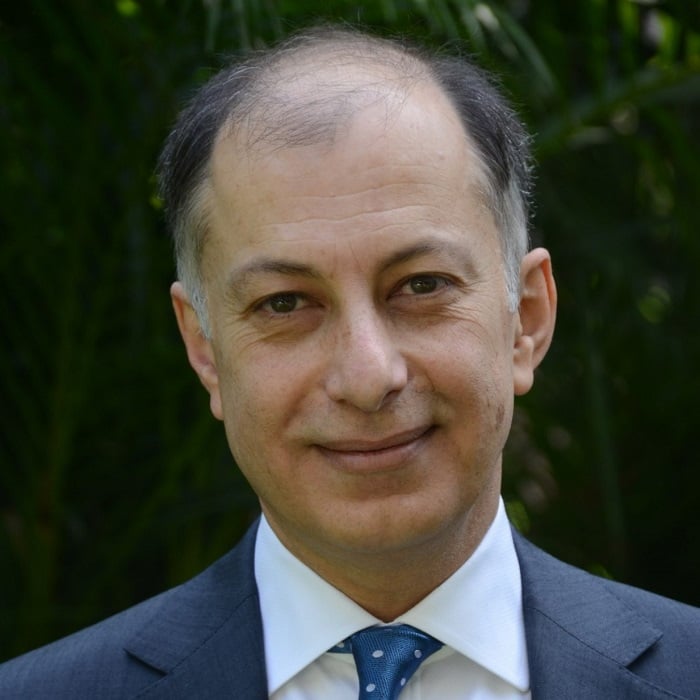
Dr Naushad Forbes
Co-chairman, Forbes Marshall
Author, 'The Struggle And The Promise: Restoring India's Potential
Trustee, CEEW
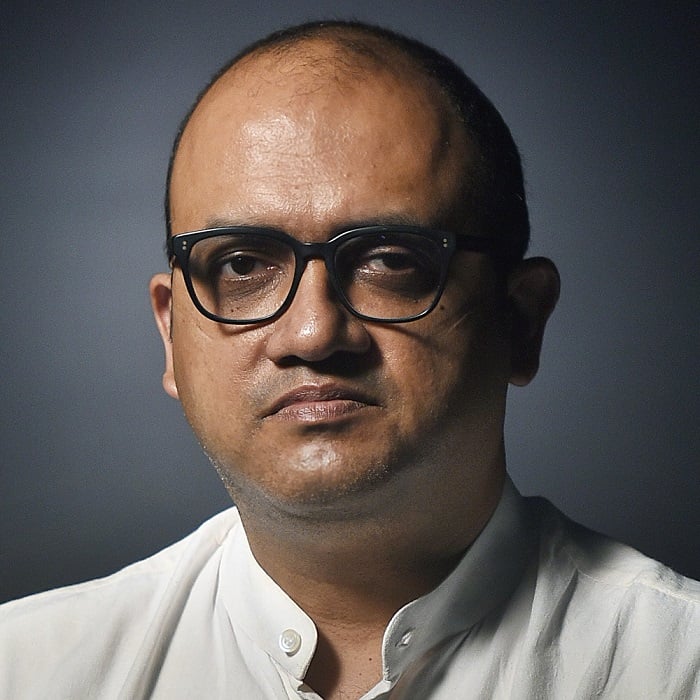
Sukumar Ranganathan
Editor
Hindustan Times
15 Feb 2022 | 1730 – 1900 IST

Energy-efficient appliances are crucial to achieving multiple policy objectives in India. They offer a lower burden of electricity bills for consumers; peak load reduction; lower losses and cross-subsidy burden for power distribution companies; and reduced expenditure on power subsidies for state governments. The promotion of energy-efficient appliances would be critical to meeting India's commitment to reduce the emissions intensity of GDP by 45 per cent over 2005 levels by 2030.
Ceiling fans are one the most commonly used appliances for cooling and ventilation. Yet, only a small fraction of the ceiling fans' stock and market sales currently comprises energy-efficient models. Transforming the ceiling fan market toward super-efficient fans can save 15 per cent of India’s residential power consumption annually.
In this session, we will discuss strategies to scale up super-efficient appliances, with a focus on ceiling fans and the role of different stakeholders in market transformation. The session would also mark the launch of a new report on ‘Business model for scaling up super-efficient appliances: A Deep Dive on Ceiling Fans in India’, developed under the U.S.–India Clean Energy Finance Task Force.
Saman Fatima Nomani
Communications Associate
Arijit Sengupta
Director
Bureau of Energy Efficiency
Soumya Prasad Garnaik
Executive Director and Business Unit Head (Lighting)
Energy Efficiency Services Limited

Ruth Ku
Senior Energy Finance Advisor
U.S. Department of State, Bureau of Energy Resources
Priyabrata Patnaik
Secretary
Odisha Electricity Regulatory Commission
Sujay Kumar Saha
Head - ESCO & Home Automation, New Business Services
Tata Power Company Ltd
Mukesh Dadhich
Head (Business Development, Sustainability and Clean Technology)
BSES Yamuna Power Ltd
Sangeeta Naik
Senior Manager
Sa-Dhan
Shalu Agrawal
Senior Programme Lead
CEEW
15 Dec 2021 | 1530 – 1700 IST (1100–1230 CET)
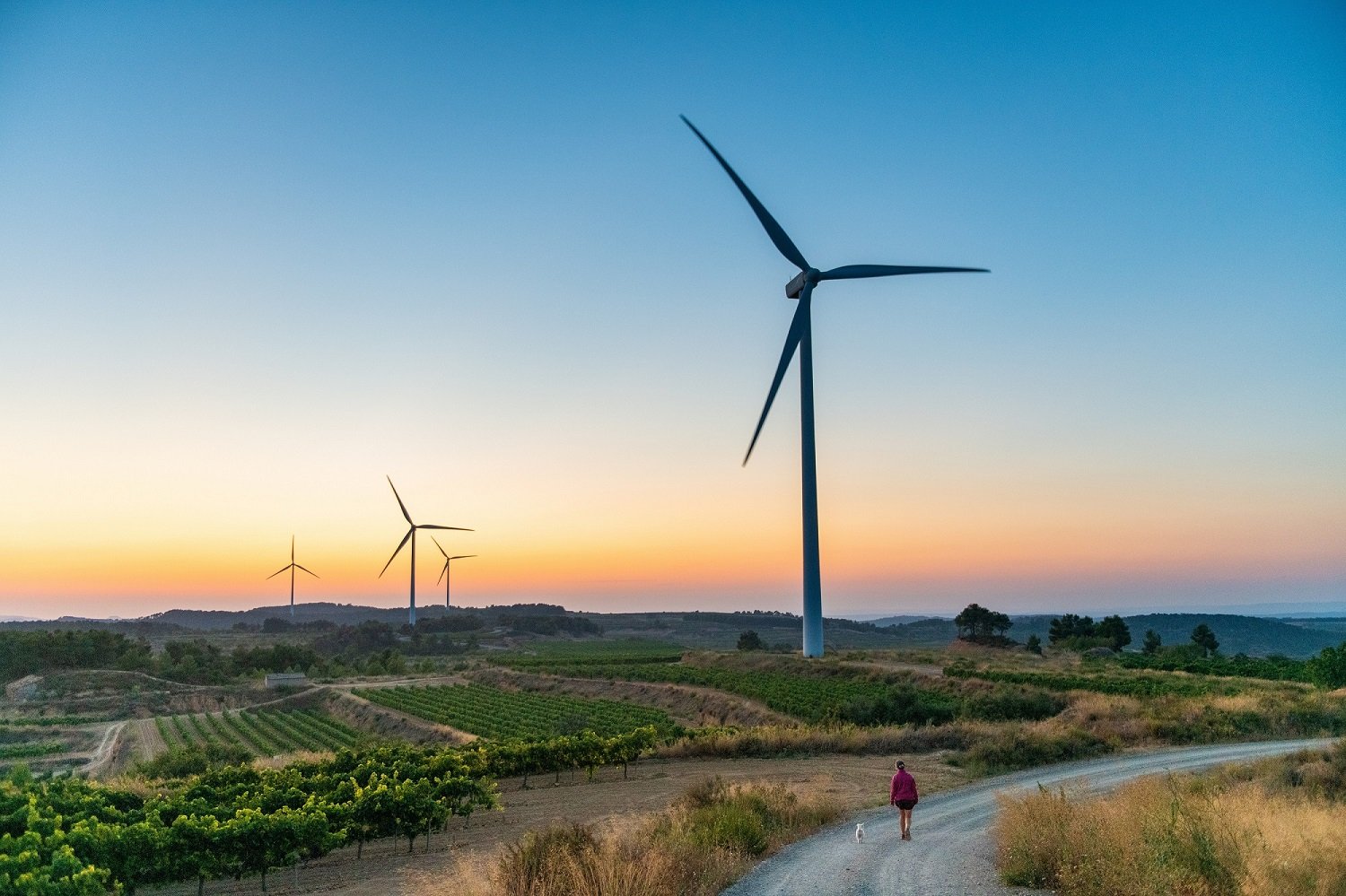
While India’s renewables policy and market ecosystem has succeeded in delivering 150 GW installed capacity, including hydro, the pace of investments needs to rise considerably in order to achieve India’s 500 GW renewables target by 2030.
The webinar will present findings from the recently released IEA Renewables 2021 report with a focus on India and features the launch of CEEW-CEF and IEA’s 'Clean Energy Investment Trends 2021' report. Now in its fourth iteration, the Clean Energy Investment Trends report tracks project-level renewable energy market and financing trends to explain how the interaction of risks and regulations shapes investment flows. The presentation will be followed by a panel discussion examining the barriers in India’s journey towards its 500 GW renewables by 2030 target and key policy- and market-related enablers of investment flows.
Saman Fatima Nomani
Communications Associate
Manoj Kumar Upadhyay
Deputy Advisor - Infrastructure Connectivity: Energy Vertical
NITI Aayog, Government of India
Aditya Aggarwal
Partner and CEO
Global Infrastructure Partners Singapore
Ambalika Banerji
Executive Director – Direct Investments
National Investment and Infrastructure Fund
Deepak Gupta
Vice President
ReNew Power
Surbhi Goyal
Senior Energy Specialist
World Bank
Arjun Dutt
Programme Lead
CEEW Centre for Energy Finance
26 Oct 2021 | 1530–1715 IST
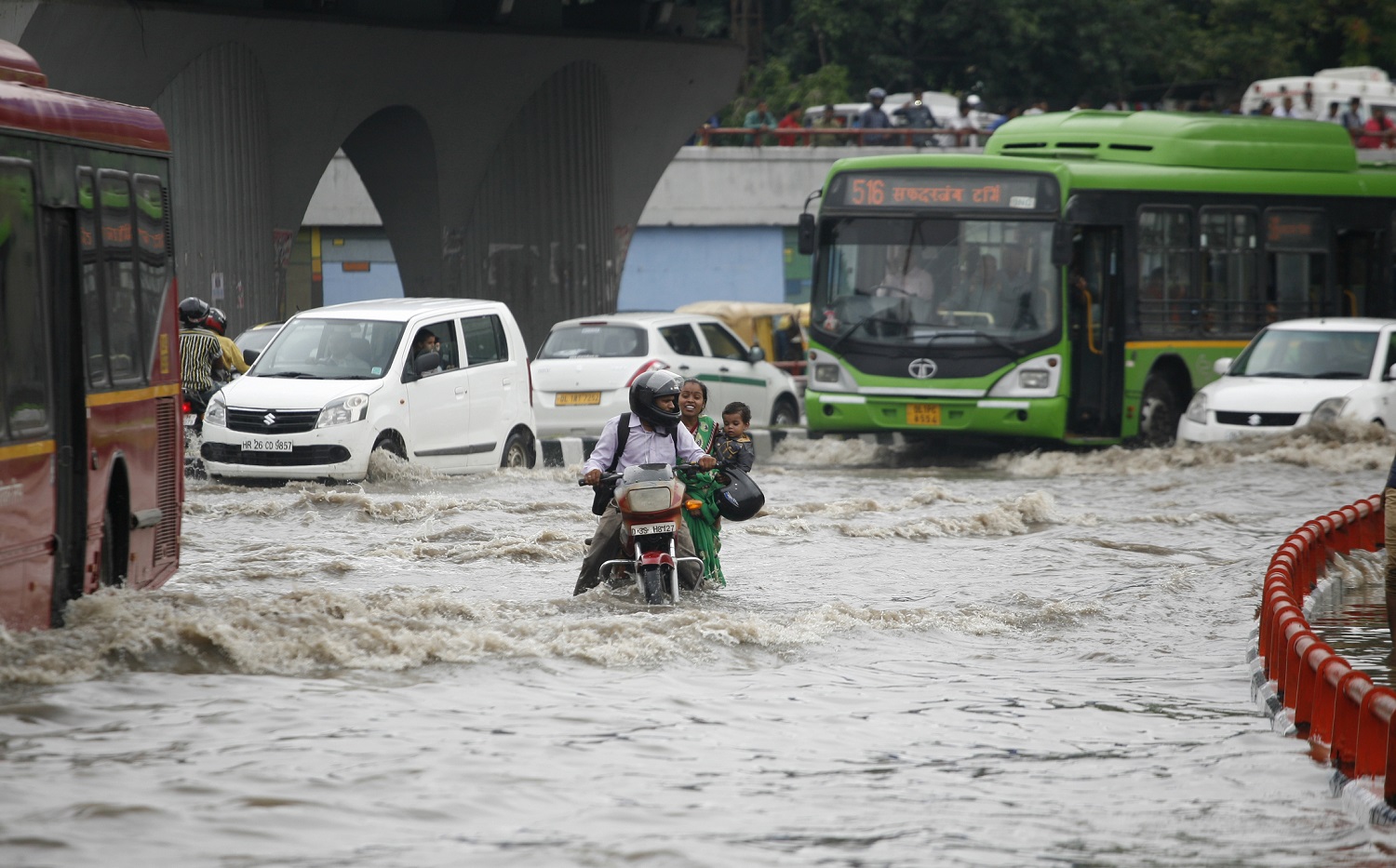
India is already experiencing a preview of the large-scale disasters and socio-economic upheaval that extreme events could create. India's development is intricately linked to creating adequate mitigation capacity to respond to these climate risks, which are endangering power, housing, transport, and industry infrastructure – especially along the coasts – and vulnerable communities with low adaptive capacity. Further, with weather-related insurance losses mounting, there are warning signs that climate change could trigger the next financial crisis. Therefore, the need for low-cost finance, and climate-proofing of communities, infrastructure and economies, is critical.
In this pre-COP session, we will explore ways to take climate risk assessments from theory to implementation and spur innovations in systems, finance, and technologies to climate-proof populations and economies. We will also launch CEEW's new study, 'Mapping India's Climate Vulnerability: A District-level Assessment'.
Saman Fatima Nomani
Communications Associate
Kamal Kishore
Member Secretary, National Disaster Management Authority (NDMA)
Co-chair, Coalition for Disaster Resilient Infrastructure (CDRI)
Marco Toscano-Rivalta
Chief - Regional Office for Asia and the Pacific
United Nations Office for Disaster Risk Reduction (UNDRR)
Osvaldo L. L. Moraes
Chair, BRICS Working Group on Climate Change
Director, Centro de Monitoramento e Alerta de Desastres Naturais (CEMADEN)
Vice Admiral Pradeep Chauhan
AVSM & Bar, VSM (Retd), Director-General
National Maritime Foundation
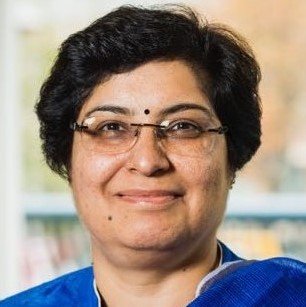
Seema Arora
Deputy Director General
Confederation of Indian Industry

Alastair Norris
ET Consultant - Disaster Risk Finance and Insurance
World Bank
Esha Roy
Senior Assistant Editor
The Indian Express
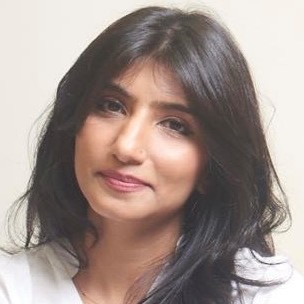
Shloka Nath
Acting CEO
India Climate Collaborative
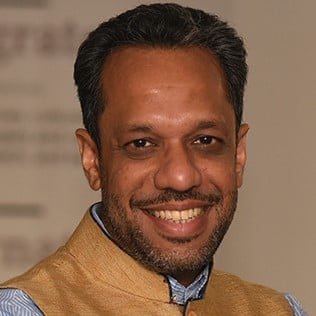
Arunabha Ghosh
CEO
CEEW
12 Oct 2021 | 1500 – 1630 hrs IST
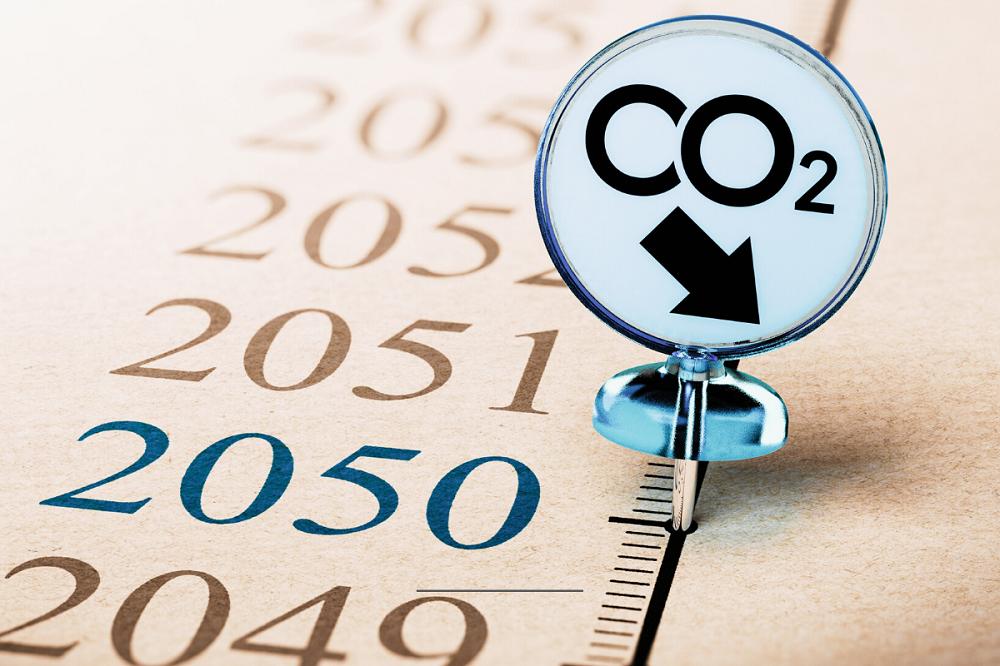
Stringent climate action is necessary to stay below 1.5ºC and avoid catastrophes resulting from rapid climate change. Major economies like China, the EU, and the USA have already announced their net-zero targets, and India is also expected to announce the same. However, there is a limited understanding of the possible implications of the radical transformation required to achieve a net-zero future in India.
In the run-up to COP26, we will discuss the implications and feasibility of alternative net-zero scenarios for India, the economic and sectoral milestones required for their foundation, the way forward on policy directions and decisions, and the challenges and opportunities in achieving carbon neutrality. This session will also mark the launch of a working paper, 'Implications of a net-zero target for India's sectoral energy transitions and climate policy'.
Saman Fatima Nomani
Communications Associate

Winfried Damm
Director
Indo-German Energy Programme GIZ, Germany
Srestha Banerjee
Director - Just Transition
International Forum for Environment, Sustainability & Technology
Akshima Ghate
Senior Principal
Rocky Mountain Institute India
K. S. Kavi Kumar
Professor
Madras School of Economics
Arunabha Ghosh
CEO
CEEW
Vaibhav Chaturvedi
Fellow
CEEW
08 Sep 2021 | 1500–1700 hrs IST
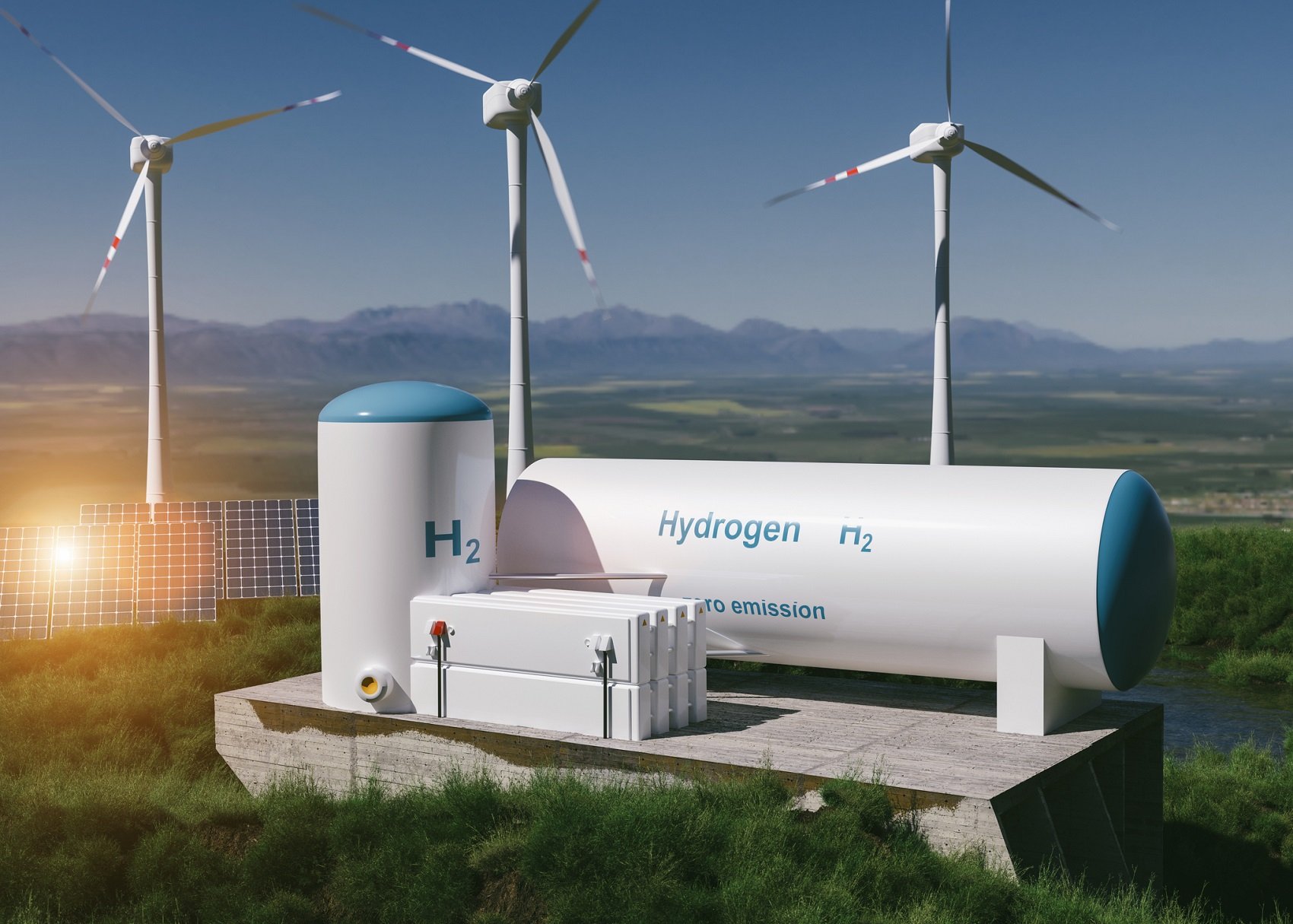
Developing and deploying a hydrogen economy will be integral to India’s clean energy transition – especially for the decarbonisation of hard-to-abate sectors – and climate action. This session will focus on the multilateral effort required to build such a global hydrogen economy through conducive international policies, technology co-development, pooled finances for demonstrations and pilots, and investments to create markets and scale up deployment.
The session will also mark the launch of two new publications, 'Greening Steel: Moving to Clean Steelmaking Using Hydrogen and Renewable Energy' and 'Speed and Scale for Disruptive Climate Technologies: Case for a Global Green Hydrogen Alliance'.
Saman Fatima Nomani
Communications Associate
H.E. Raj Kumar Singh
Hon'ble Minister of Power and New & Renewable Energy
Government of India
Indu Shekhar Chaturvedi
Secretary
Ministry of New and Renewable Energy, Government of India
H.E. Juan Angulo
Ambassador of Chile to India, concurrent to Bangladesh, Sri Lanka and Nepal

H.E. Martin Strandgaard
Deputy Head of Mission, Ambassador
The Royal Danish Embassy

Steffen N. Koch
Minister and Head of Department for Economics & Global Affairs
Embassy of the Federal Republic of Germany

Natalie Toms
Economic, Climate & Development Counsellor
British High Commission

Davide Cirelli
Country Manager and CEO
Snam India
Frank Wouters
Senior Vice President – Energy Transition
Reliance Industries Ltd
Alka Upadhyay
AVP and Lead, Environment and Sustainability
TATA Sustainability Group
Arunabha Ghosh
CEO
CEEW

Karthik Ganesan
Fellow and Director - Research Coordination
CEEW
04 Oct 2021 | 1800 - 1930 hrs IST | 0830—1000 EDT
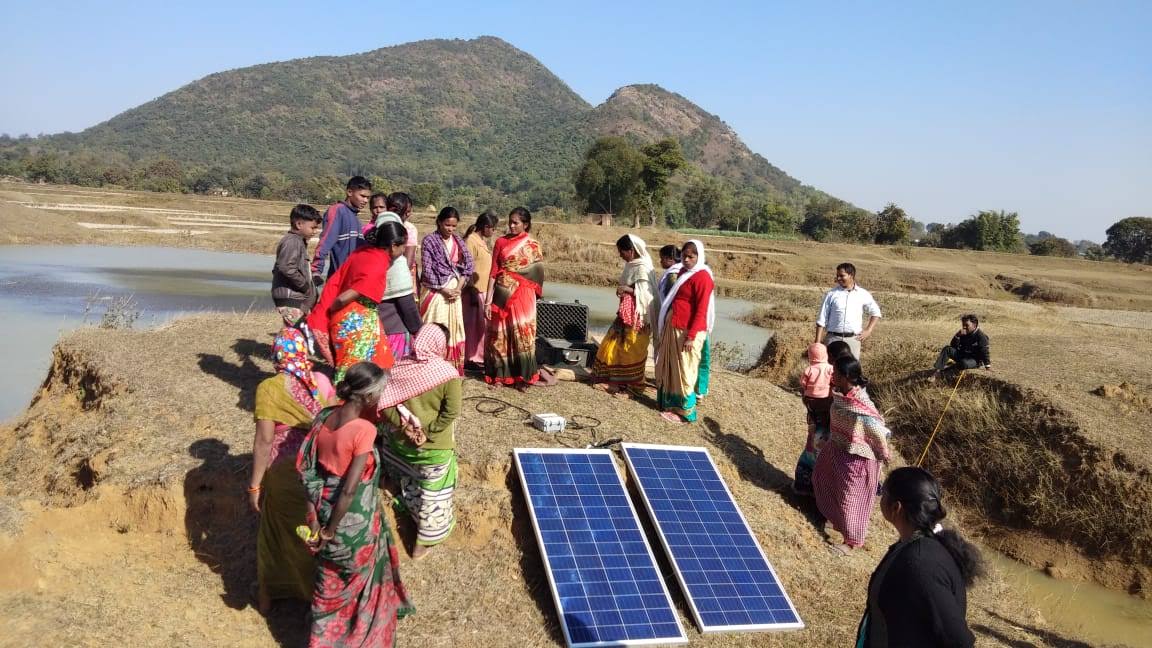
At Powering Livelihoods, a CEEW—Villgro initiative, we connect the dots between sustainable development, energy transition and climate resilience. This webinar commemorates one year of the initiative, and will bring together conversations and ideas around energy transition for citizen-centric development in the Global South.
It features a Leadership Dialogue between Mr Achim Steiner, Administrator, United Nations Development Programme, and Dr Janmejaya Sinha, Chairman, BCG India and Trustee, CEEW. We will also hear about the journeys of the entrepreneurs supported by the Powering Livelihoods programme.
Saman Fatima Nomani
Communications Associate
Achim Steiner
Administrator, United Nations Development Programme
Vice-Chair, United Nations Sustainable Development Group
Janmejaya Sinha
Chairman, Boston Consulting Group India
Trustee, CEEW

Stephanie Jones
Programme Manager
Good Energies Foundation
Bharti Gupta Ramola
Board of Directors
Villgro Innovations Foundation
06 Sep 2021 | 1500 – 1630 hrs IST
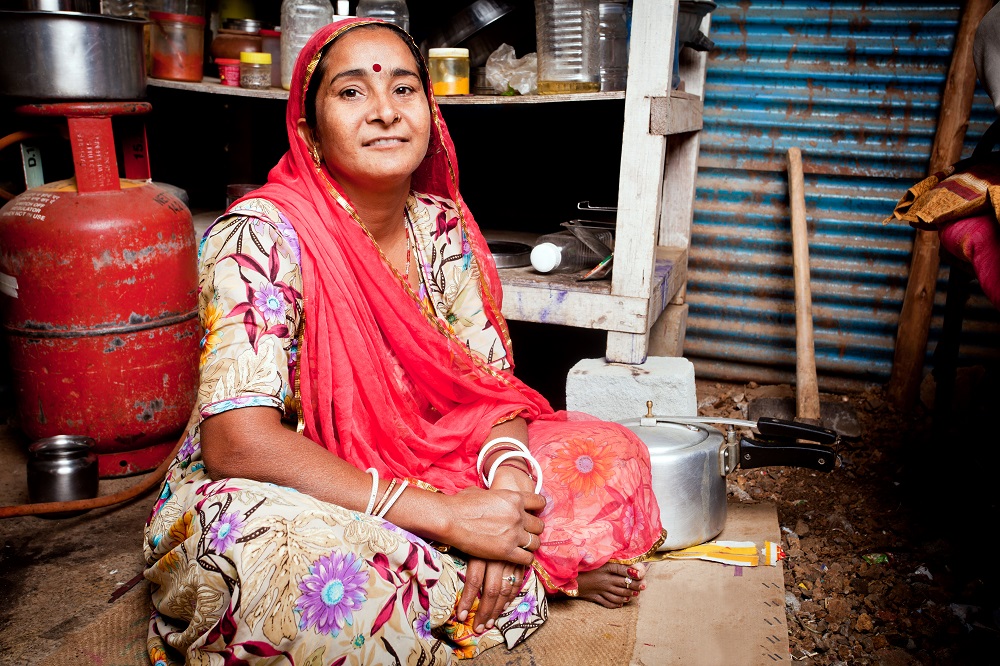
Under the Pradhan Mantri Ujjwala Yojana, the Government of India distributed more than 80 million LPG connections among socioeconomically weaker households within a short span of 18 months. Ujjwala 2.0 aims to widen LPG access to an additional 10 million homes. However, despite access to LPG connections, several barriers – like fuel affordability – force many households to stack solid fuels with LPG. The affordability barrier has become more pronounced with the rise in the market price of LPG, suspension of LPG subsidies, and the drop in household incomes due to the pandemic-induced economic crisis.
In this session, we will deliberate on the need and strategies to make LPG affordable for low-income groups in India. The session will also mark the launch of a new CEEW study, 'State of clean cooking energy access in India', based on the India Residential Energy Survey (IRES) 2020.
Saman Fatima Nomani
Communications Associate
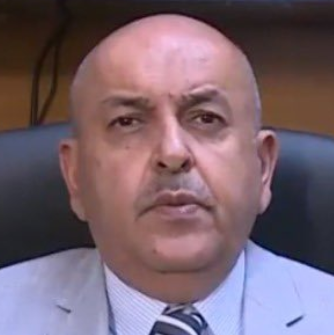
Tarun Kapoor
Secretary
Ministry of Petroleum and Natural Gas, Government of India
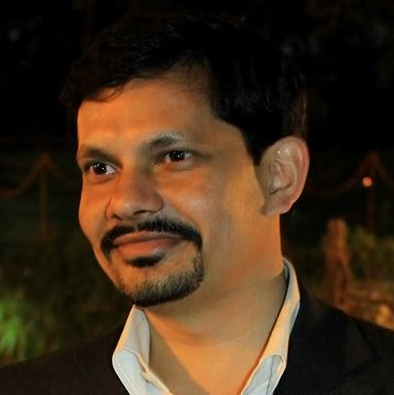
Ajay Nagpure
Head, Air Pollution
World Resources Institute India

Twesh Mishra
Principal Correspondent
Business Standard

Farzana Afridi
Associate Professor
Indian Statistical Institute, New Delhi

Shalu Agrawal
Senior Programme Lead
CEEW
01 Sep 2021 | 1500–1615 hrs IST

Home to numerous large emerging economies, Asia’s transition to a low-carbon future is critical to the success of global climate change mitigation efforts. As the region contemplates scaling up climate commitments ahead of COP26, the gap between existing climate ambition and action remains significant. While some countries, such as India, have led the way in mobilising investments in clean energy, a number of challenges have limited the flow of green capital to other economies.
This webinar will focus on the drivers and opportunities for scaling up climate finance and accelerating the decarbonisation of Asia's economies. Besides policy and regulation, the webinar will also shed light on the role of investors in shaping the low-carbon transition.
Saman Fatima Nomani
Communications Associate
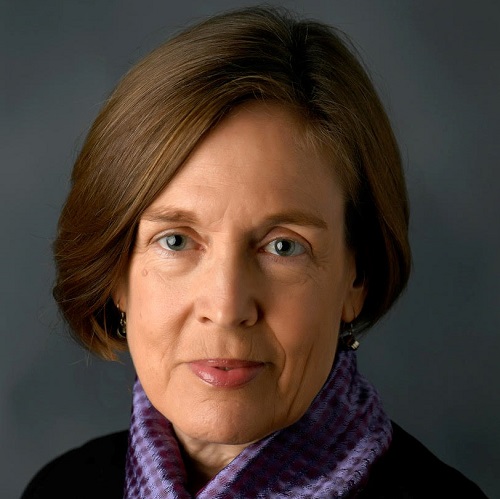
Melissa Brown
Director
Institute for Energy Economics and Financial Analysis

Fabby Tumiwa
Executive Director
Institute for Essential Services Reform

Abhishek Goel
Principal
Global Infrastructure Partners India LLP

John Dulac
Clean Energy Finance Analyst
Organisation for Economic Co-operation and Development
Arjun Dutt
Programme Lead
CEEW Centre for Energy Finance