Council on Energy, Environment and Water Integrated | International | Independent

28 Jan 2020 | 1430 - 1530 hrs IST
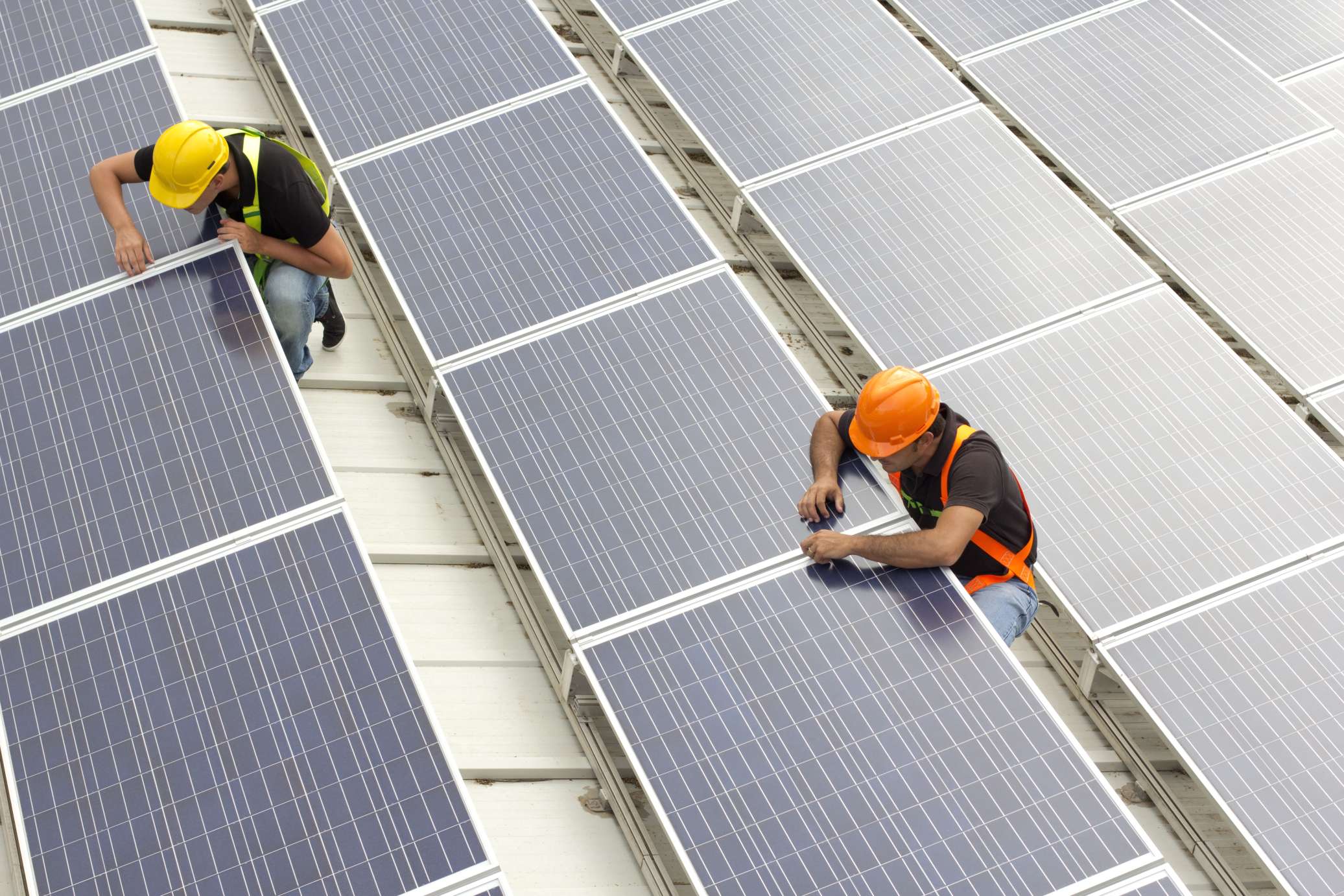
Over the past 4 years, India’s rooftop solar sector has rapidly grown to reach a cumulative capacity of 3.4 GW as of November 2019. However, recently, a few Electricity Regulatory Commissions issued notifications to discontinue net-metering for all non-residential consumers, citing a revenue loss. There is a possibility that this status quo stems from an information gap about the overall impact of rooftop solar on discom revenues. Currently, discoms only recognise the revenue loss as consumers shift from grid to solar, while completely discounting benefits like peak reduction, meeting Renewable Purchase Obligation (RPO) targets, and reduced transmission and distribution losses.
The webinar will address this issue by introducing a new framework – Valuing Grid-connected Rooftop Solar (VGRS). The framework assesses the net impact of rooftop solar on discom revenues by considering various costs and benefits. The webinar will deliberate on the relevance of the VGRS framework in planning future deployments and reducing revenue impact. We will also discuss a case study on BSES Rajdhani Power Limited, a Delhi-based discom.

Riddhima Sethi
Communications Associate
Abhishek Ranjan
BSES Rajdhani

Neeraj Kuldeep
CEEW
Selna Saji
CEEW

Akanksha Tyagi
CEEW
28 Jan 2020 | 10:00 - 13:00 hrs IST
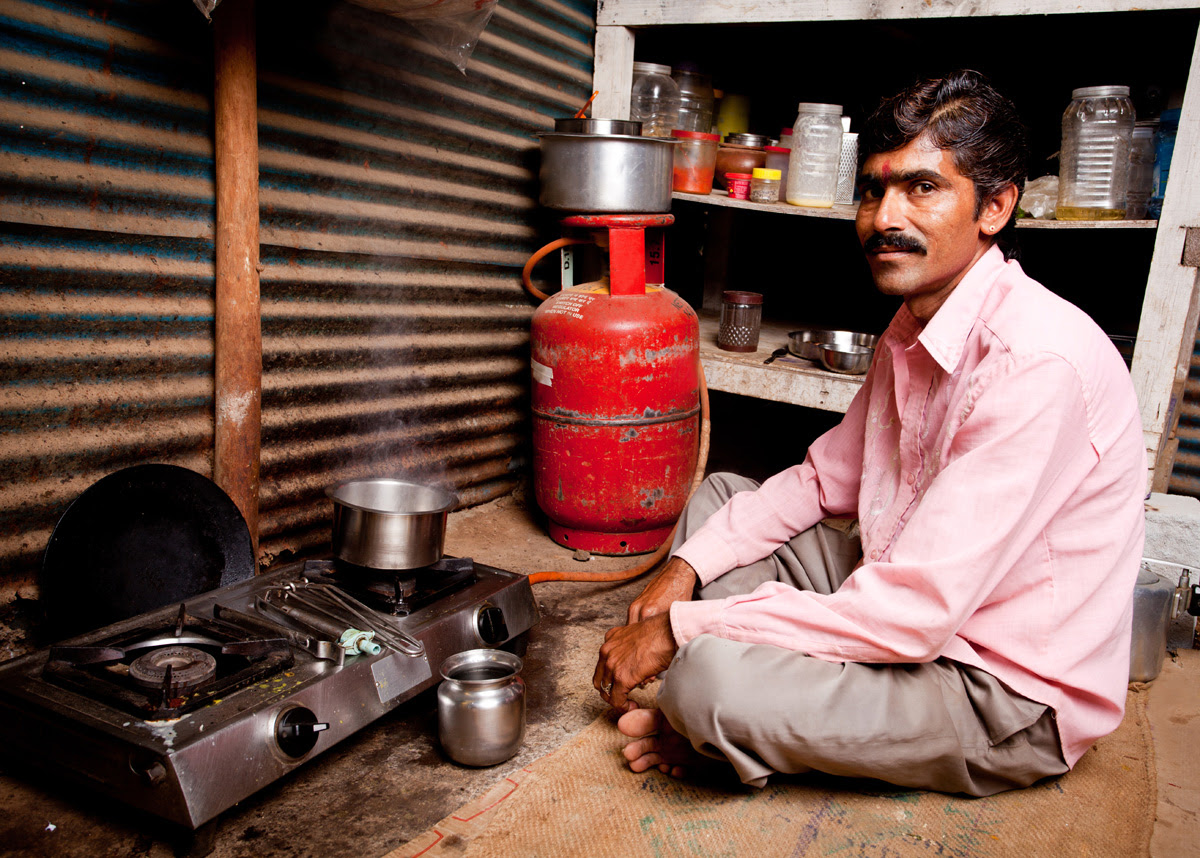
CEEW Energy Access Dialogue is a quarterly forum where researchers and practitioners discuss their ongoing work in energy access, deliberate on its implications, explore possibilities for collaborative work, and review immediate priorities in the energy access space.
Ninety-five per cent of Indian households have access to LPG after the introduction of the Pradhan Mantri Ujjwala Yojana (PMUY). However, lack of sustained use continues to be a problem, especially in rural households. In this fourth edition, we will focus on understanding the factors that ensure sustained use of LPG in rural India. We will also deliberate on factors that determine willingness to pay for the exclusive use of LPG. Emerging findings from two ongoing papers, based on the ACCESS dataset, will add context to the deliberations. The findings from these papers will highlight the need to go beyond cooking fuel policies, interlacing them with overall rural development priorities to enable a complete transition toward cleaner cooking fuels.
| 1000 - 1015 | Welcome address Abhishek Jain, Council on Energy, Environment and Water (CEEW) |
| 1015 - 1030 | Presentation | Drivers of sustained use of LPG in rural India Sunil Mani, CEEW |
| 1030 - 1130 | Discussion |
| 1130 - 1145 | Presentation | What determines the willingness to pay for LPG Namrata Chindarkar, Lee Kuan Yew School of Public Policy, NUS |
| 1145 - 1230 | Discussion |
| 1230 - 1240 | Concluding remarks |
| 1240 - 1310 | Lunch |
Kindly RSVP to [email protected]. Please let us know if you would like to join remotely and we will send across the details.
Riddhima Sethi
Communications Associate
23 Jan 2020 | 14:30 - 15:30 hrs IST
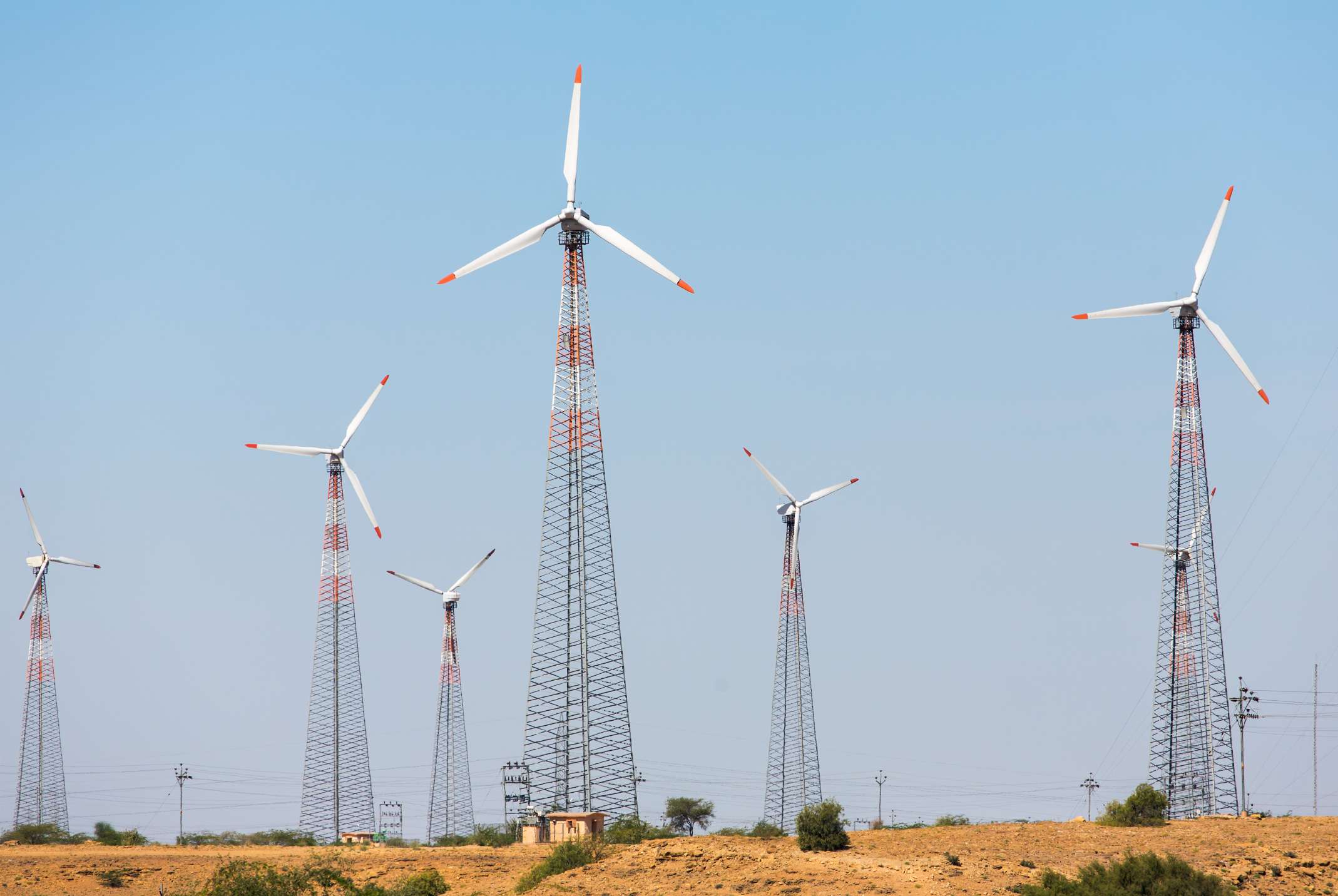
Since the early '90s, the wind sector has been the flag bearer for renewable energy deployment in India. However, the sector lost momentum in the last decade and has been facing numerous challenges, including reduced availability of land, O&M, and uncertain policies on repowering. While India has an installed capacity of 37.5 GW of wind power, in the last two years only 3.3 GW of projects have been installed for over 12 GW of awarded tenders. This necessitates the urgency to take corrective action to meet our target of 60 GW by 31 December 2022 and beyond.
The webinar will highlight key regulatory and technical roadblocks and solutions to install and integrate more wind energy in the grid.
Riddhima Sethi
Communications Associate
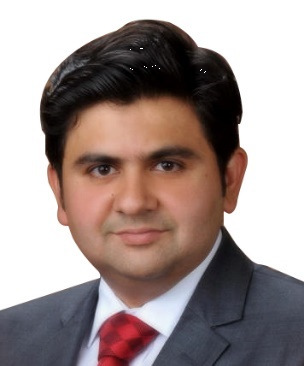
Amar Variawa
Vestas India
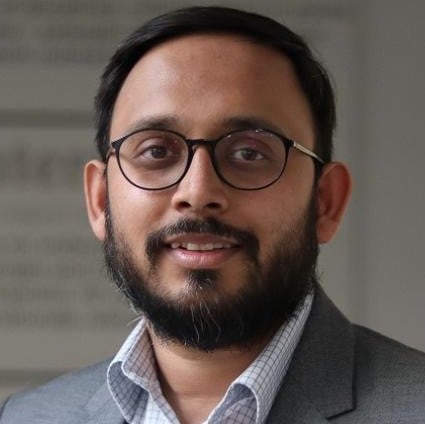
Rishabh Jain
CEEW-CEF
12 Dec 2019 | 18:00 - 20:30

The session will bring together professionals from varied backgrounds to share experiences of their work in the sustainability sector and discuss institutional policies that help create gender-sensitive workplaces.
Please feel free to share this within your networks.
About Women in Sustainability
Women in Sustainability (WiS), is an initiative of the Council on Energy, Environment and Water (CEEW), that was launched in 2017, in support with the United Nations in New Delhi, with the vision of reinforcing the idea of gender equality in the workplace, not just in numbers but also in the quality of involvement of women in key areas of research and implementation.
For any information related to the session, please contact Sasmita Patnaik ([email protected]).
Riddhima Sethi
Communications Associate
28 Nov 2019 | 14:30 - 17:30
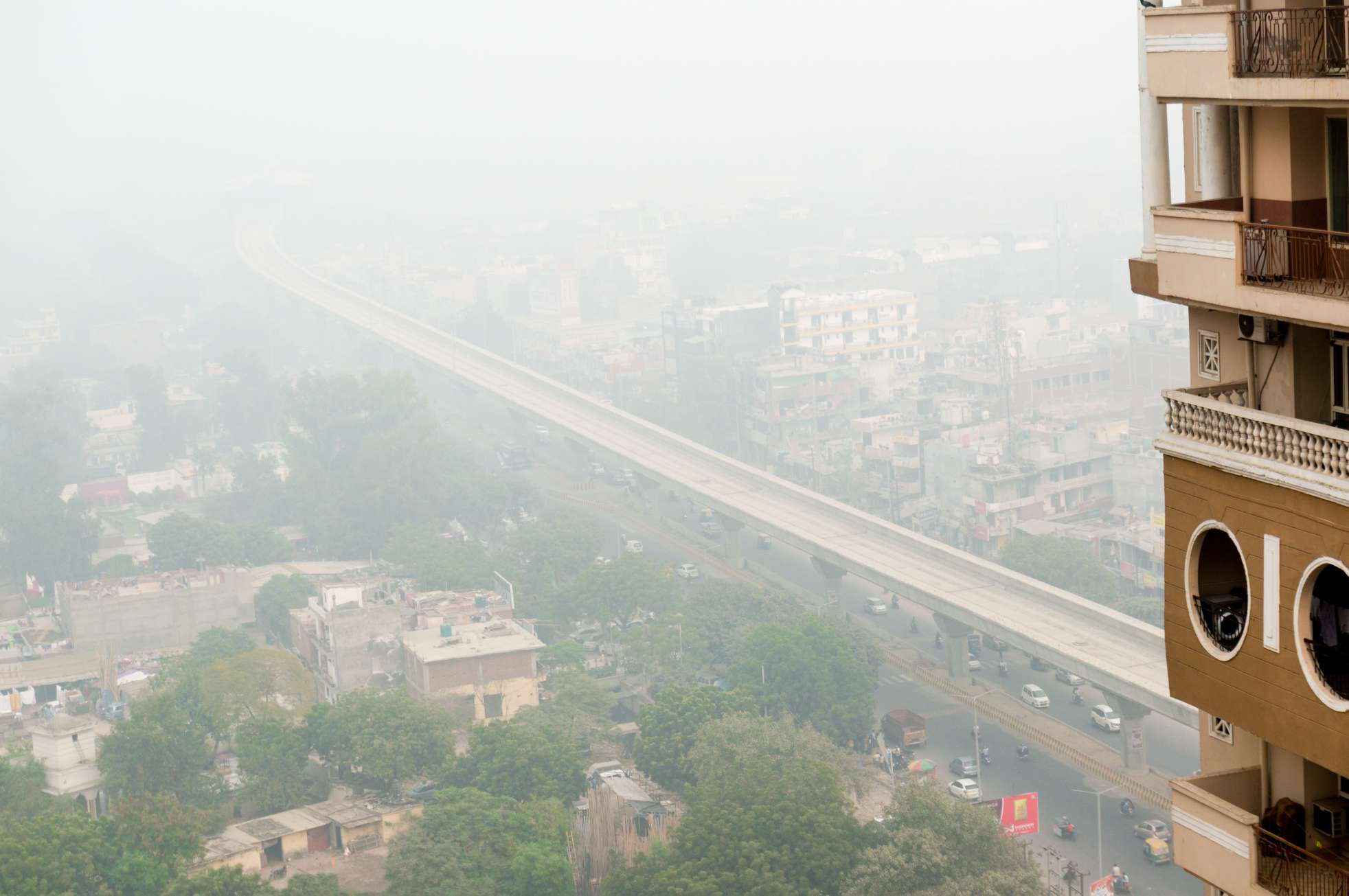
Held bi-annually, 'On Air' features conversations with scientists, policymakers, researchers, civil society experts, communication specialists, journalists, and on-ground actors, supporting India's transition towards clean air.
In this edition, we will discuss how citizen awareness and engagement could be strengthened to combat air pollution in our cities. We will hear from resident welfare association representatives, school principals, students, environmental lawyers, and journalists, on their understanding of the air pollution crisis and actions needed to solve for it. In addition, since the implementation of clean air plans warrants coordination between multiple agencies, the dialogue will also aim to answer pressing questions on achieving compliance with dispersed accountability.
Riddhima Sethi
Communications Associate
Malini Mehan
Environment Coordinator, Shri Ram School
Varsha Joshi
Commissioner, North Delhi Municipal Corporation
S Naryanan
Member Secretary, Haryana State Pollution Control Board
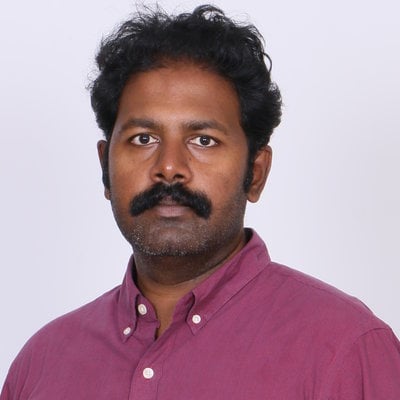
Srinivas Alavilli
Founding Member, Citizens for Bengaluru
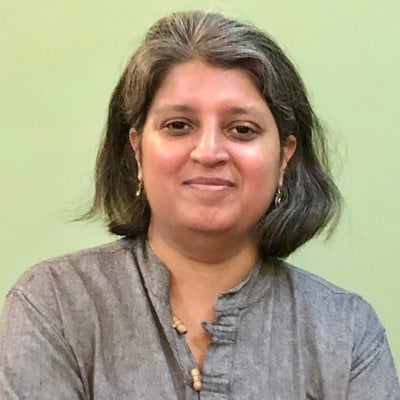
Kanchi Kohli
Senior Researcher, Centre for Policy Research
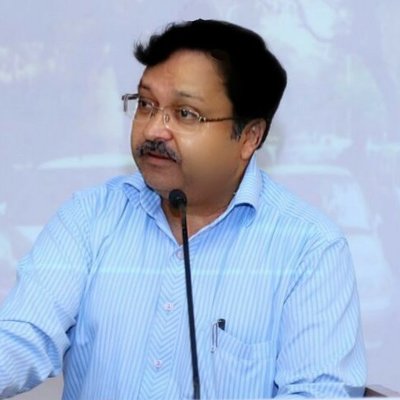
Amit Aggarwal
Project Coordinator, United Residents Joint Action in Delhi
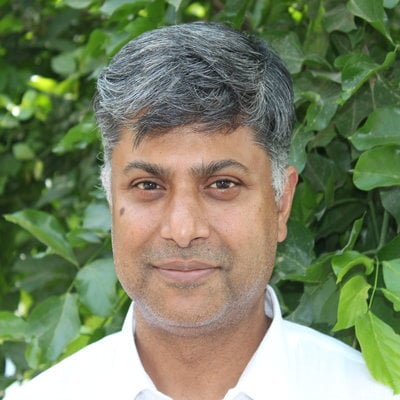
Ritwick Dutta
Managing Trustee, Legal Initiative for Forest and Environment
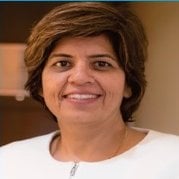
Aparna Dutt Sharma
Secretary General, Cement Manufacturers Association
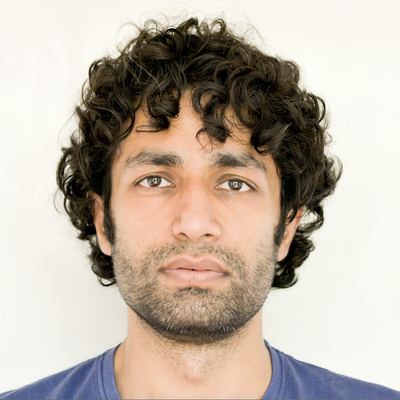
Vivek Thakur
Founding Partner, Axero Solutions, LLC, Abhipraay Foundation
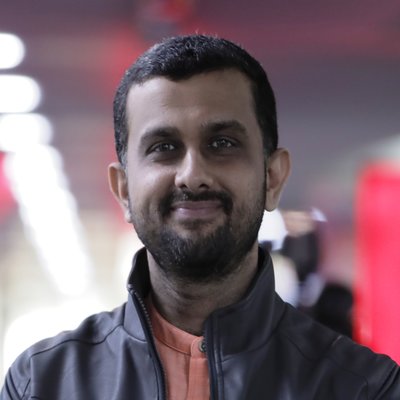
Jugal Purohit
Journalist, People Affected by Pollution
13 Nov 2019 | 14:30 - 15:30 hrs IST
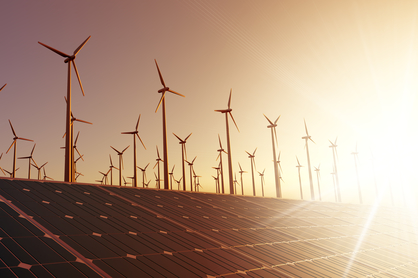
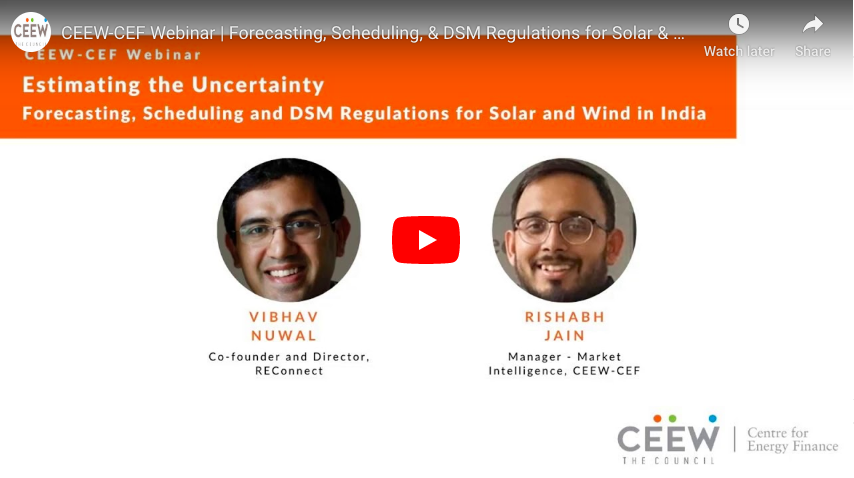
Power generation from renewable energy sources, particularly solar and wind, is expected to reach 175 GW by 2022. To facilitate large scale grid-integration of solar and wind generating stations, a stable and secure grid is of prime importance.
The webinar, structured as a Q&A, will highlight key regulatory and technical provisions at the national and state-level for integrating renewable energy in the grid, along with the challenges faced by grid and power plant operators.
Riddhima Sethi
Communications Associate
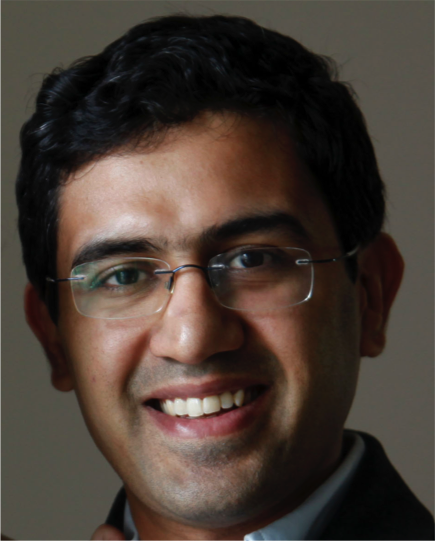
Vibhav Nuwal
Co-founder and Director
REConnect Energy
Rishabh Jain
Manager - Market Intelligence
CEEW-CEF
21 Oct 2019 | 1700-1800 hrs IST
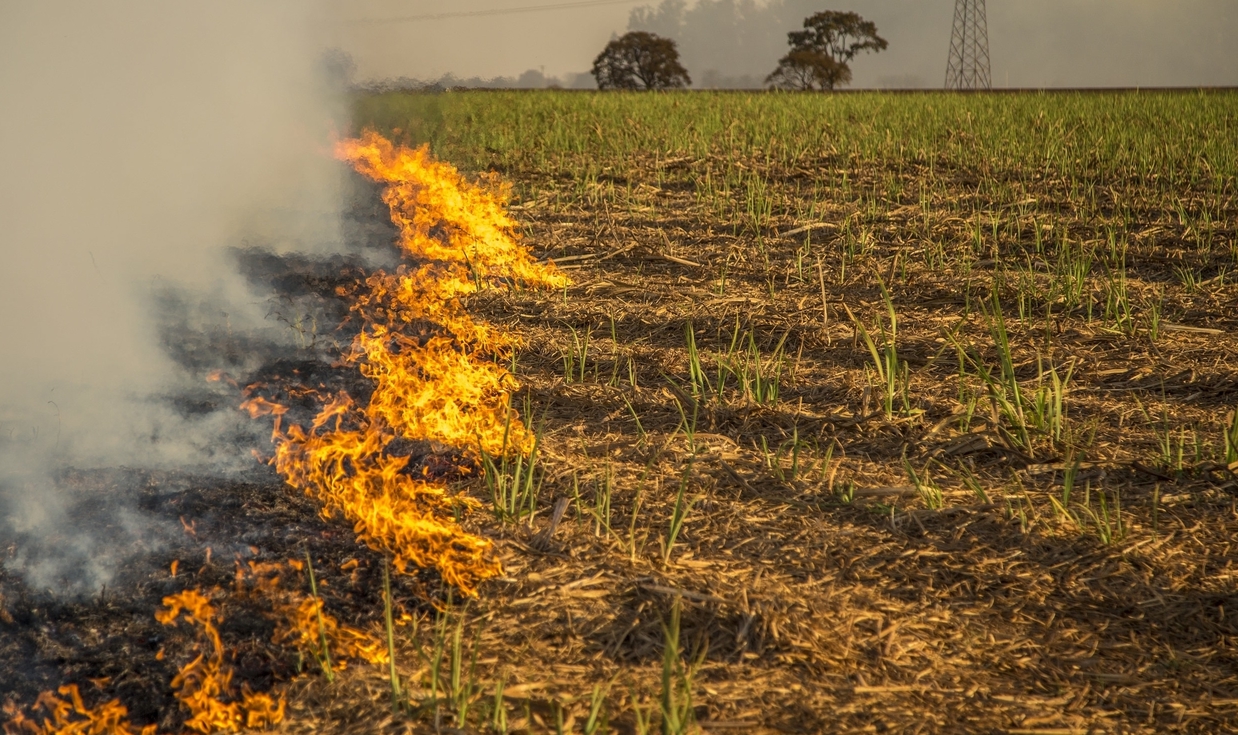
Crop-residue burning remains an important seasonal contributor to air pollution. Crop-residue burning emits particulate matter (both PM10 and PM2.5) and greenhouse gases (GHG), which deteriorates air quality in the Indo-Gangetic Plain. Many policies have been mandated in the past few years to address this challenge. Yet, alternative technologies and practices have not been adopted widely, and the practice of burning crop residue persists.
This webinar will discuss the transition in the incidence of crop burning over the years. It will also shed light on the policy interventions in place, as well as farmers’ perspectives based on primary data. We will also deliberate whether this year will witness a spike or decline in crop-residue burning in Punjab and Haryana.
Riddhima Sethi
Communications Associate

Kurinji Selvaraj
Research Analyst, CEEW
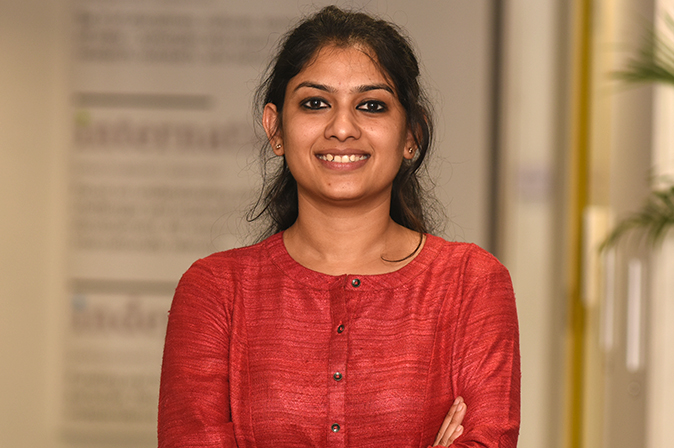
Niti Gupta
Research Analyst, CEEW
18 Oct 2019 | 1500-1700 hrs (IST)
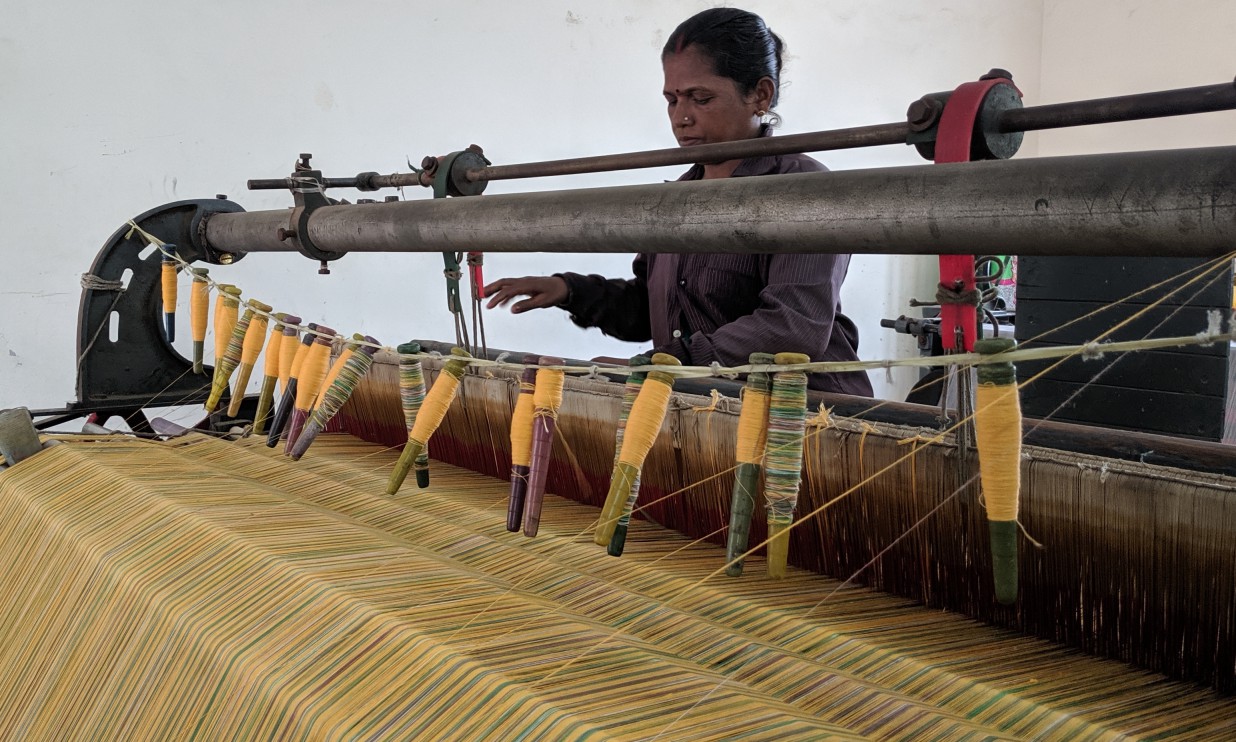
CEEW Energy Access Dialogues are a quarterly forum where researchers and practitioners discuss their ongoing work in energy access, will deliberate on its implications, explore possibilities for collaborative work, and review immediate priorities in the energy access space.
The third edition will focus on challenges in financing for micro-enterprises using solar-powered appliances. The discussion would be driven by our recent study with SELCO Foundation, which captures the risk perception of financiers to lend for such products. The study also generates evidence, based on financial data of 300 micro-enterprises, to argue that solar-powered livelihood appliances could be economically viable investments for financiers and could address other developmental challenges.
| 1500 - 1510 | Welcome address Abhishek Jain, Council on Energy, Environment and Water (CEEW) |
| 1510 - 1525 | Presentation | Solar-powered livelihoods in India Shaily Jha and Sasmita Patnaik, CEEW |
| 1600 - 1615 | Presentation | Challenges & solutions in financing of solar-powered appliances Huda Jaffer, SELCO Foundation |
| 1615 - 1650 | Discussion |
| 1650 - 1700 | Concluding remarks |
Kindly RSVP to [email protected]. Please let us know if you would like to join remotely and we will send across the details.
Riddhima Sethi
Communications Associate
23 Oct 2019 | 0930 - 1300 hrs (IST)
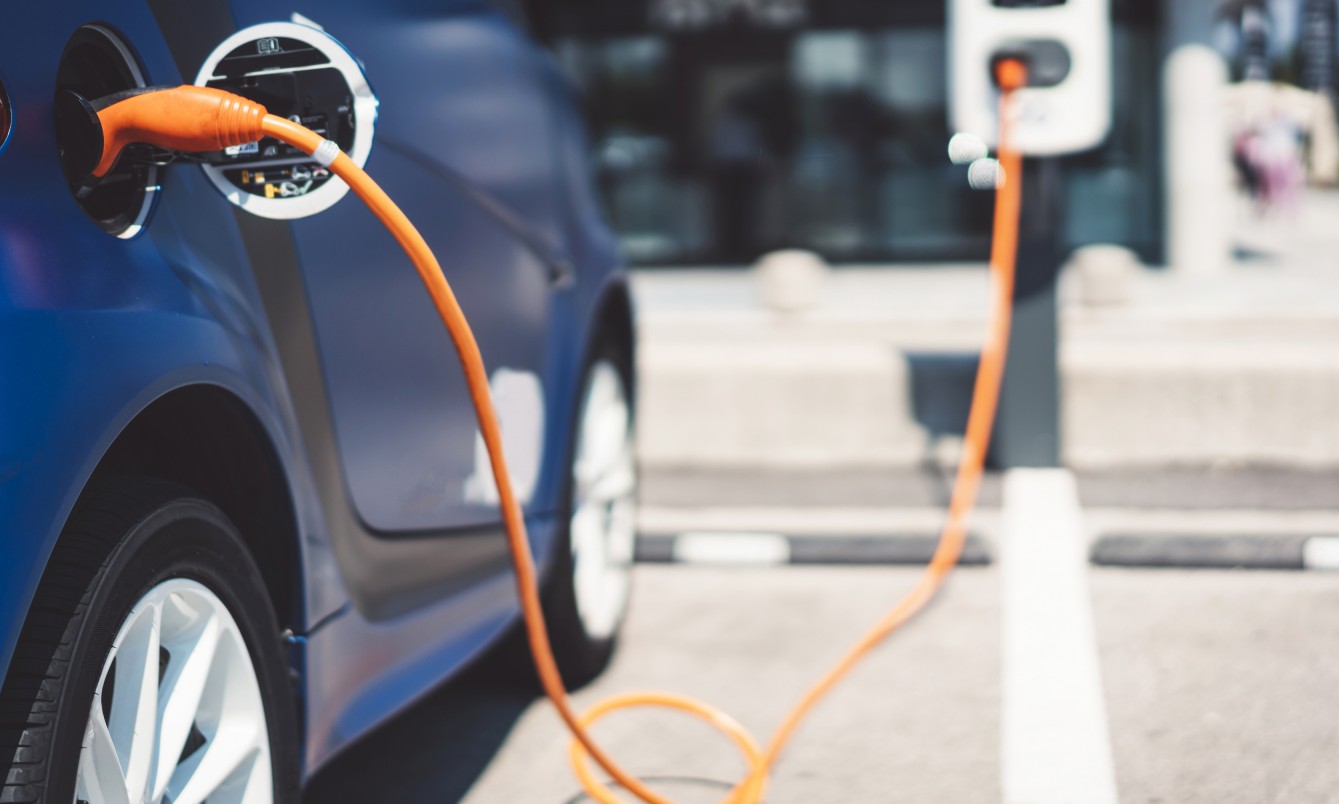
Various facets of the mobility landscape in India are undergoing change. India has to simultaneously juggle the need to meet basic accessibility needs for large swathes of the population while accommodating new paradigms such as electric and shared mobility that are gaining traction globally. The infrastructure needed to support non-motorised transport and adequate availability of public transit options continue to remain a challenge. Urban transport planning and governance are points of intervention to address these needs. The recent amendments to the Motor Vehicles Act and subsequent reaction from various quarters is a testimony to the challenges in reforming governance around transport.
At the same time, the auto-industry in India has to increasingly cater to fuel-efficiency and emissions norms being stipulated. The same factors driving a push for curtailing pollution from vehicles have culminated in a debate for an electric vehicle (EV) transition in India. However, switching to EV manufacturing has implications to the value-addition and jobs supported while also creating new opportunities for the sector. The optimal pace of such a transition and the enabling policy and market environment needed for it are yet to be detailed.
The dialogue will bring together policymakers, industry representatives, and researchers to discuss urban mobility and auto-industry transitions in tandem. CEEW’s recent studies on ‘Perceptions on Clean Transport and Sustainable Mobility in Urban India’ and ‘Electric Vehicle Transition in India: Opportunities, Challenges and the EV Ecosystem’ that have explored these themes will be launched at the dialogue, adding context to the deliberations.
View photos here.
Riddhima Sethi
Communications Associate
15 Oct 2019 | 0930 - 1300

Dedicated policies and instruments are critical for shaping our development trajectory and moving towards a resource-efficient and low-carbon future. This dialogue will especially focus on the Emissions Trading Scheme (ETS), carbon tax, Article 6 of the Paris Agreement, and company-level initiatives for emissions mitigation. The discussion will be driven by a white paper published by a high-level Working Group on Mitigation Instruments, comprising of senior experts from think tanks, industry, and academia.
View photos here.
Dr Kirit Parikh
IRADe
Arnab Deb
Counsellor, CII
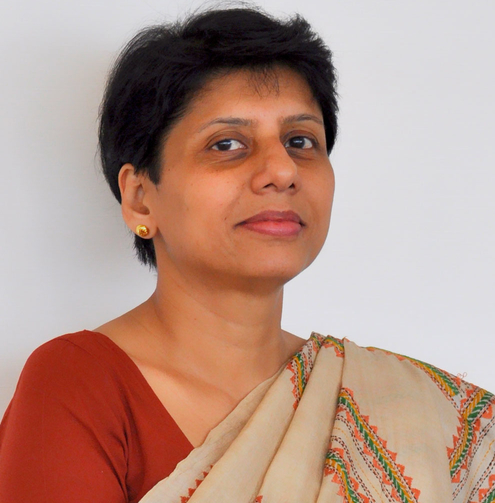
Prof Purnamita Dasgupta
Chair in Environmental Economics and Head, Environmental and Resource Economics Unit, IEG
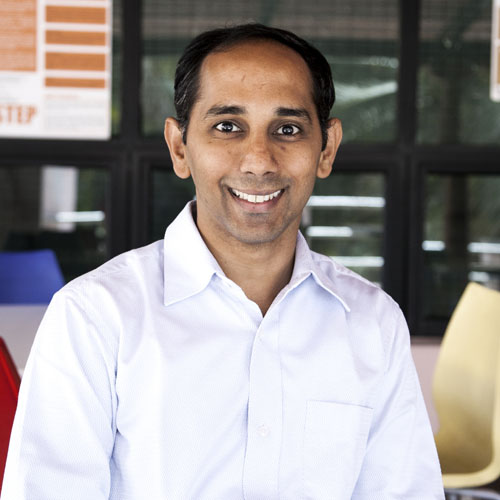
Dr Jai Asundi
Research Coordinator, CSTEP
Dr Ajay Mathur
Director General, TERI
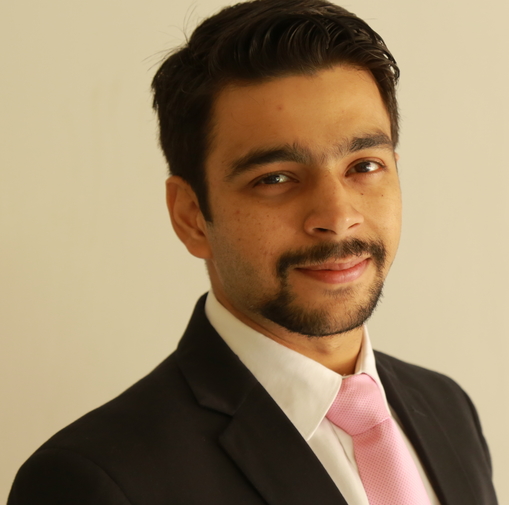
Hitesh Kataria
Manager - Sustainability Group, Mahindra & Mahindra
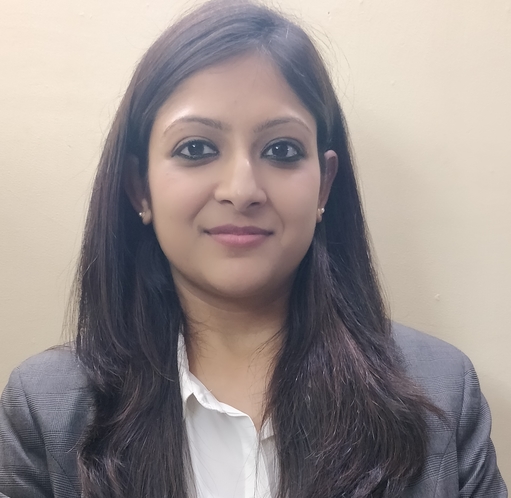
Aparajita Agarwal
Manager, Regulatory Affairs (Trade & Economy), Tata Steel
Chinmaya Acharya
Interim CEO, SSEF
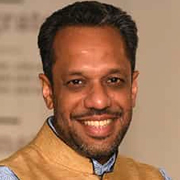
Dr Arunabha Ghosh
Chief Executive Officer, CEEW
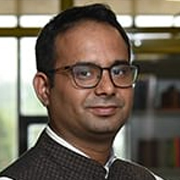
Dr Vaibhav Chaturvedi
Research Fellow, CEEW