Council on Energy, Environment and Water Integrated | International | Independent

25 May 2026 | 1500 – 1615 IST
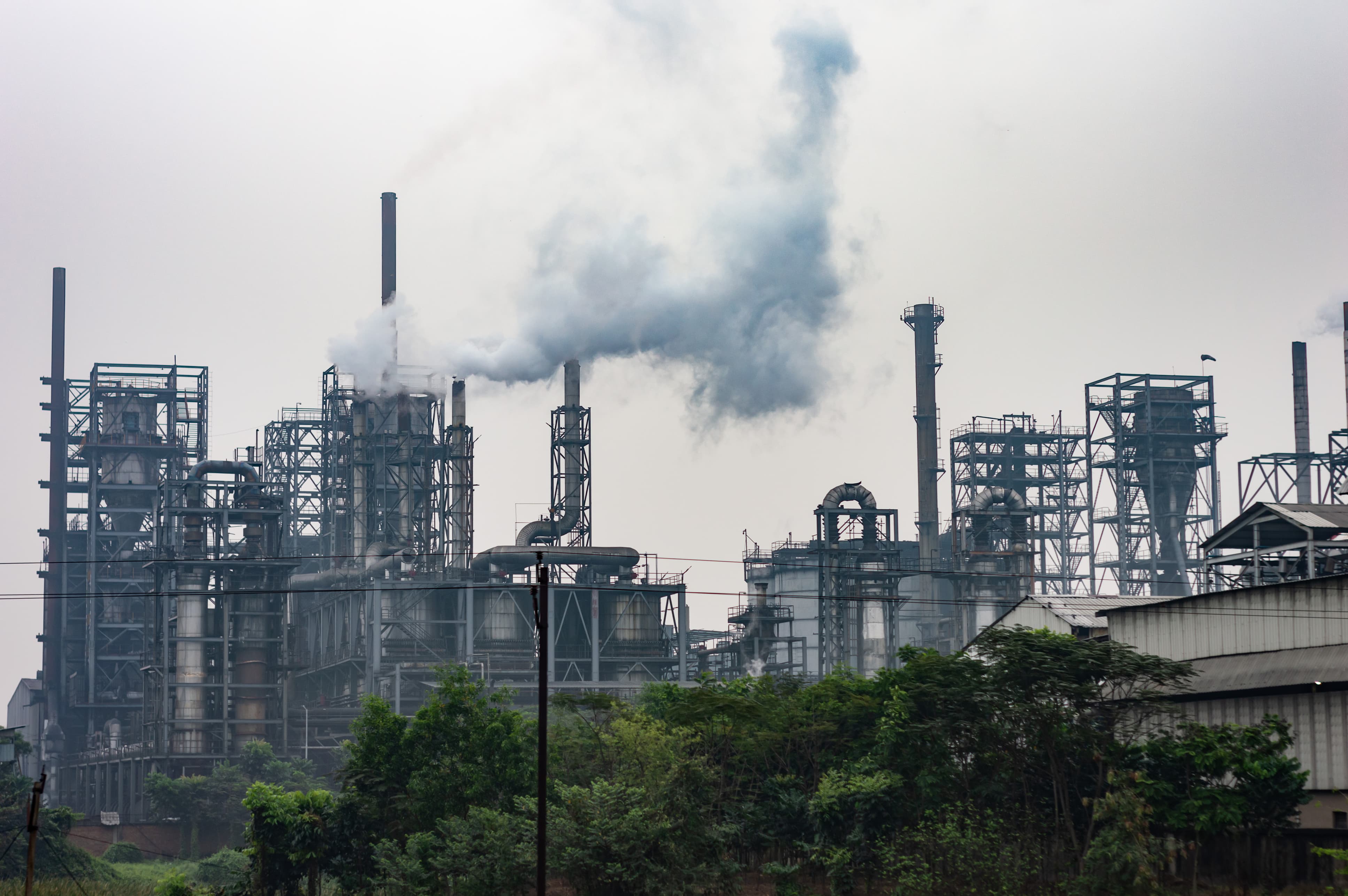
The Council on Energy, Environment and Water (CEEW) is pleased to invite you to the virtual webinar on ‘How Can India Transport CO2 for Underground Storage?’ on 25 May 2026, 1500–1630 IST.
To meet its 2070 net-zero target, India must deploy Carbon Capture and Storage (CCS)—backed by the government's ₹20,000 crore National CCUS Mission—to mitigate heavy emissions from prolonged fossil fuel reliance, coal gasification, and hard-to-abate sectors like steel and cement. While India possesses a massive 317-gigatonne underground CO2 storage potential across saline aquifers, basalt formations, and oil/gas fields, these sinks are geographically separated from major emission sources. Building the necessary large-scale pipeline network—the most economical transport method—is heavily hindered by complex, time-consuming land acquisition for Right-of-Way (RoW). This webinar will present a report proposing a practical solution: utilizing existing or planned natural gas pipeline RoW to bypass these delays, followed by expert insights on the challenges and opportunities of establishing India's future CO2 pipeline network.
Yadu Kathuria
Senior Communications Associate
29 May 2026 | 1030–1530 IST
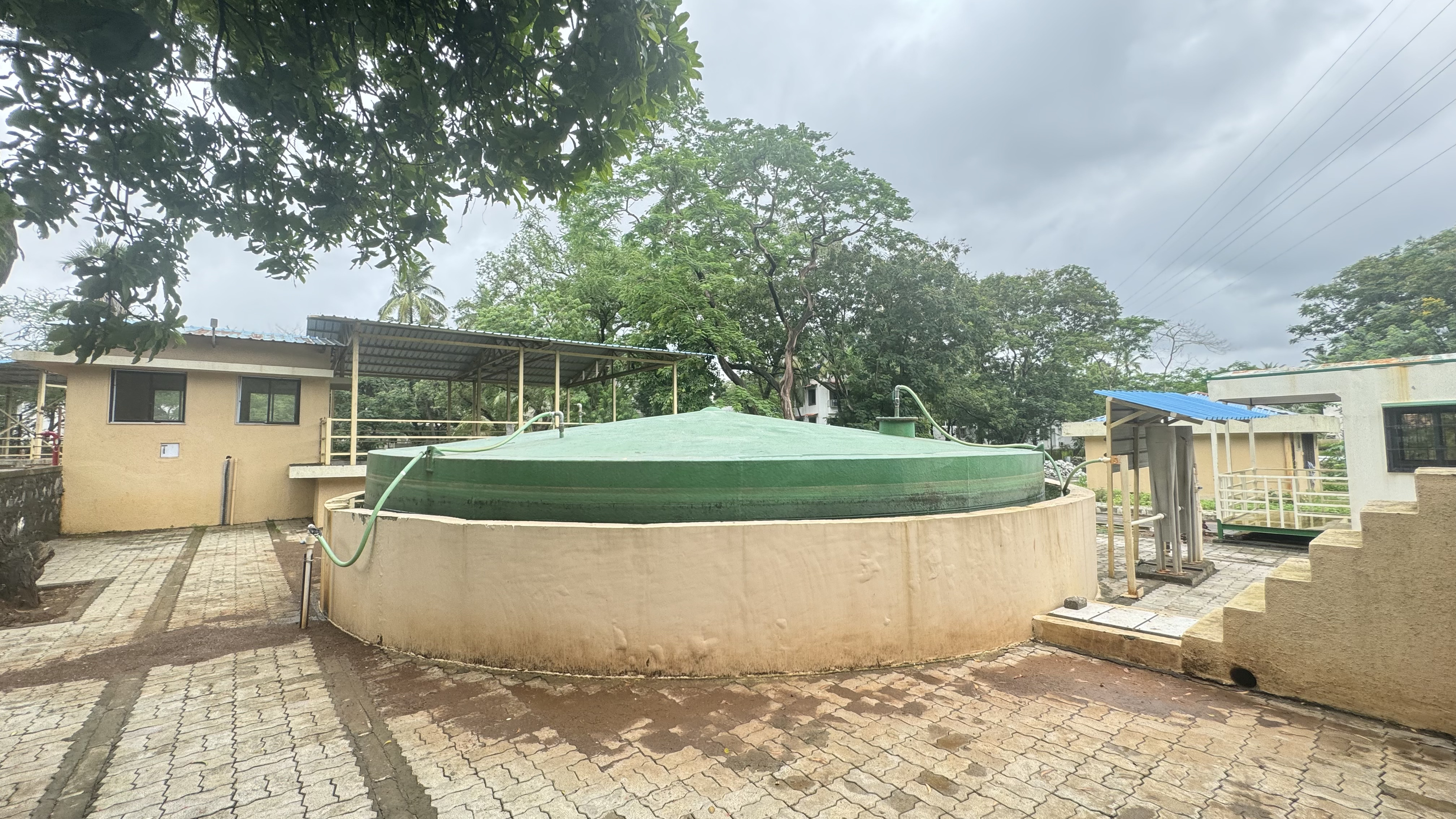
The Council on Energy, Environment and Water (CEEW) is pleased to invite you to the dialogue on ‘Viksit Bharat 2047: Unlocking Organic Waste Circularity Potential’ on 29 May 2026, 1030–1530 IST, at The Royal Ballroom, Imperial Hotel, New Delhi.
To realize the Viksit Bharat 2047 vision, India must transition to a circular bioeconomy by leveraging organic waste—which accounts for nearly half of municipal solid waste—to ensure energy security and meet climate commitments. While policy frameworks like the Swachh Bharat Mission 2.0, SATAT, and GOBARdhan have built significant momentum, ground-level implementation remains hindered by gaps in segregation, financing, and institutional capacity. Because Bulk Waste Generators (BWGs) produce an estimated 30–40% of urban waste and face increasing responsibility under the Solid Waste Management 2026 guidelines, this convening serves as a vital platform to align policymakers, industry, and civil society. By bridging the divide between policy intent and scalable action, the gathering aims to transform organic waste into a strategic resource for sustainable growth.
Yadu Kathuria
Senior Communications Associate
Shree Sanjeev Khirwar
Commissioner
Municipal Corporation of Delhi
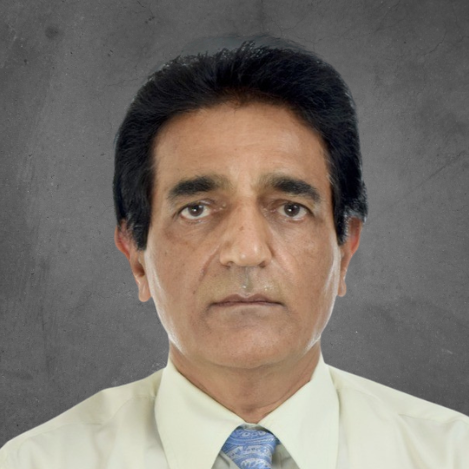
Dr Virender Sharma
Member Technical Commission for Air Quality Management in National Capital Region and Adjoining Areas
(CAQM)
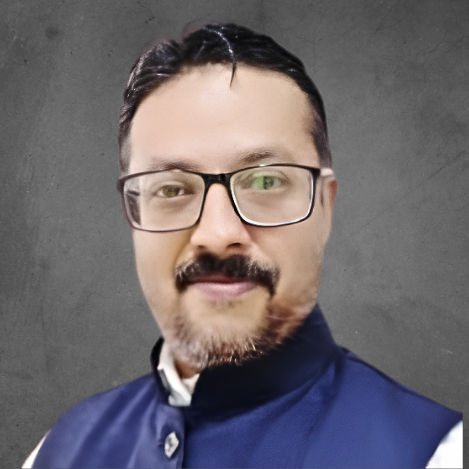
Dr Gaurav Mishra
Scientist F
Ministry of New and Renewable Energy (MNRE)
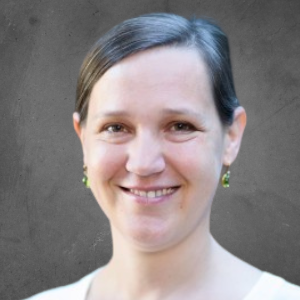
Lise Breuil
Country Director
Agence Française de Développement (AFD)
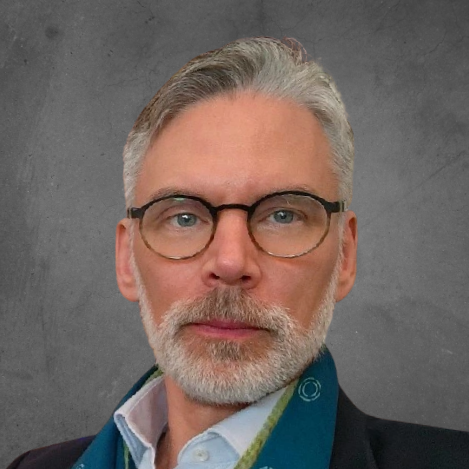
Dr Alexander Fisher
Director, Indo-German Climate Support Project for Climate Action in India
GIZ
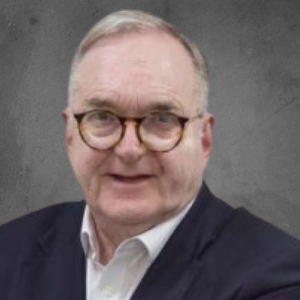
Kevin Houston
Founder and CEO
Carbon Masters
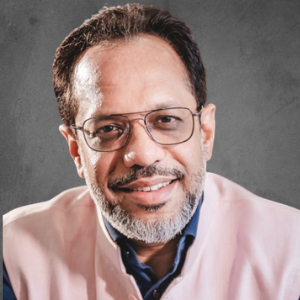
Dr Arunabha Ghosh
CEO
Council on Energy, Environment and Water
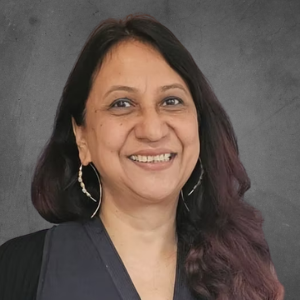
Prarthana Borah
Fellow
Council on Energy, Environment and Water
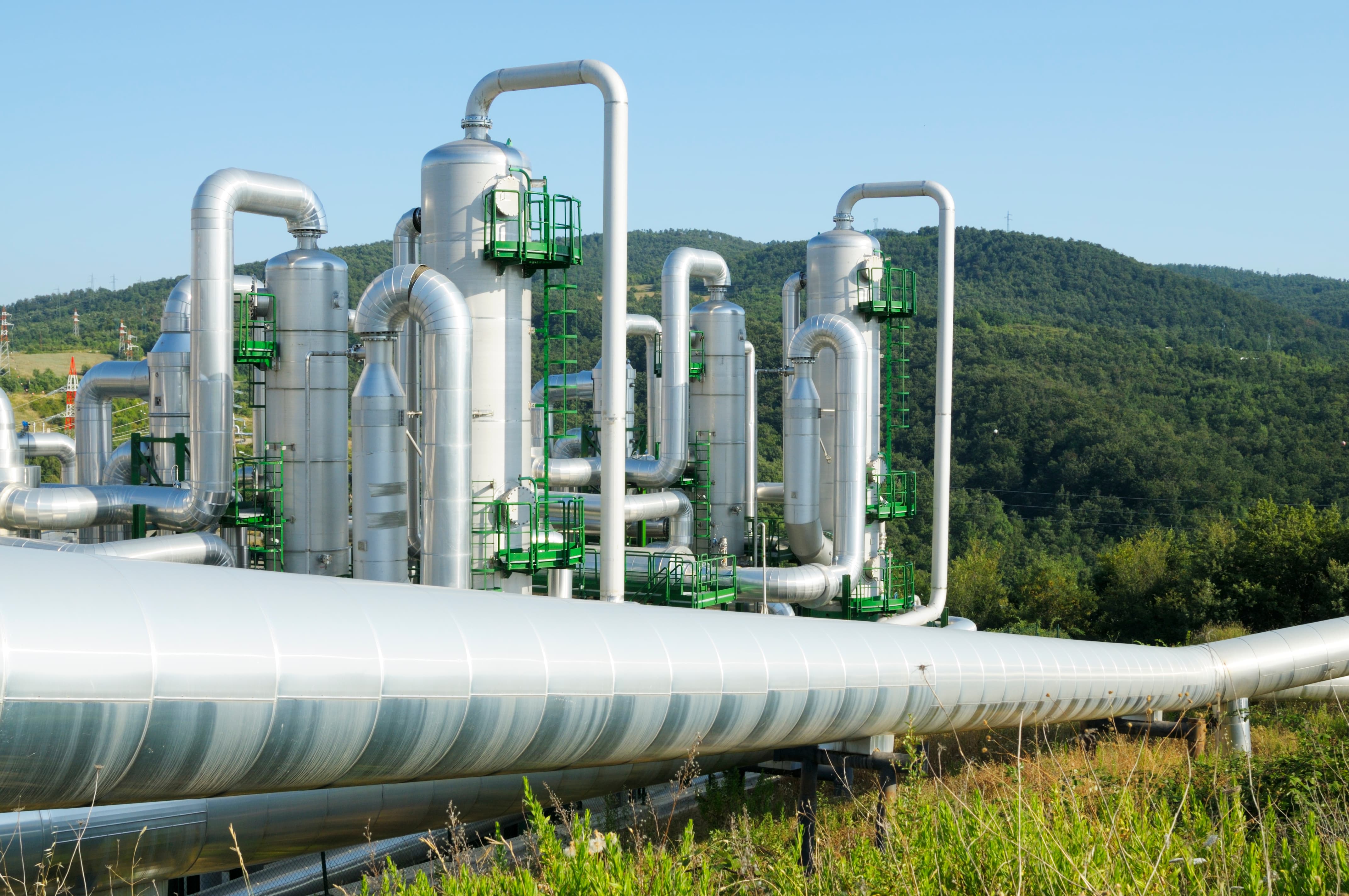
Project InnerSpace, in partnership with CEEW, jointly invites you to the report launch session on ‘Future of Geothermal Energy in India’ on 14 May 2026, from 0930–1400 hrs IST, at Taj Ambassador, New Delhi.
This session will focus on the future of geothermal energy in India. The launch comes at a pivotal moment, following the release of the National Policy on Geothermal Energy by the Ministry of New and Renewable Energy (MNRE). As India advances toward a diversified and resilient energy mix, geothermal offers firm, reliable, and indigenous power that can complement variable renewable sources such as solar and wind. This half day event will present key findings from the report; convene in-depth discussions on geothermal deployment pathways, industrial applications, policy, and financing; enable networking, knowledge exchange, and exploration of pilot and investment opportunities.
Yadu Kathuria
Senior Communications Associate
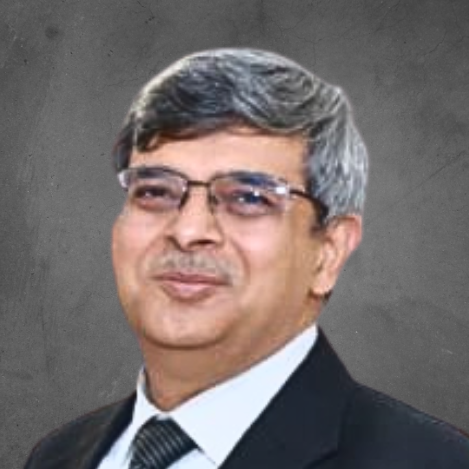
Shri Mayank Tiwari
Additional Secretary
Ministry of New and Renewable Energy
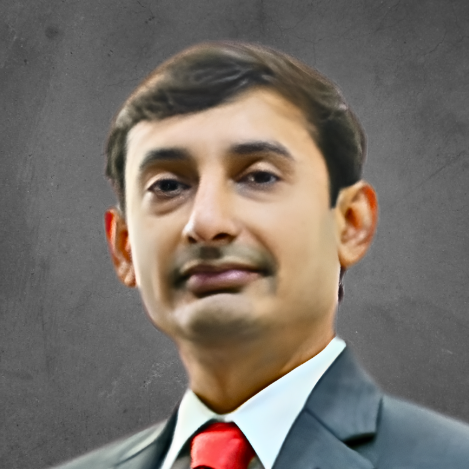
Rupesh Savla
Managing Director
Deep Industries Ltd.
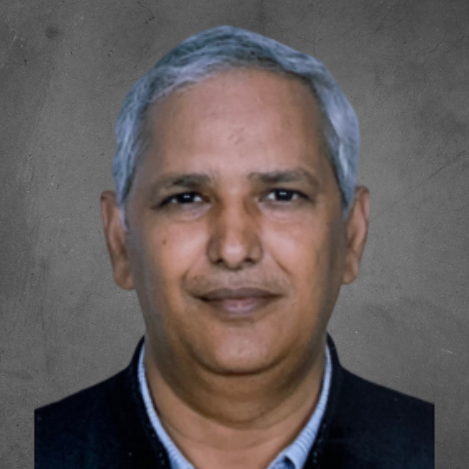
Prashant Singh
GGM, Head
New Energy, ONGC
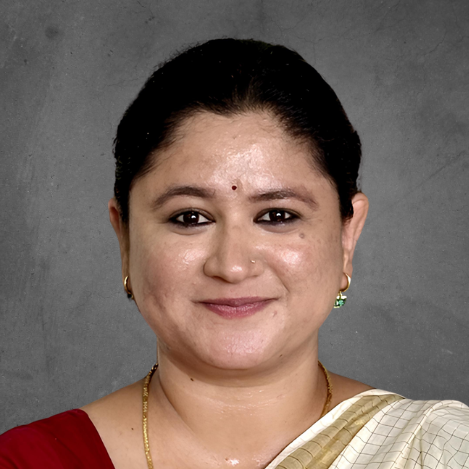
Dr Namrata Bist
Assistant Professor
Pandit Deendayal Energy University

Vijay Chauhan
CEO
Geotropy
Devesh Gupta
CEO’s Office
Aarti Industries

Jackson Grimes
Director of Global Engagement
Project InnerSpace
Drew Nelson
Vice President, Programs, Policy & Strategy
Project InnerSpace
Karthik Ganesan
Fellow and Director
Council on Energy, Environment and Water (CEEW)
29 Apr 2026 | 1030 – 1430 IST
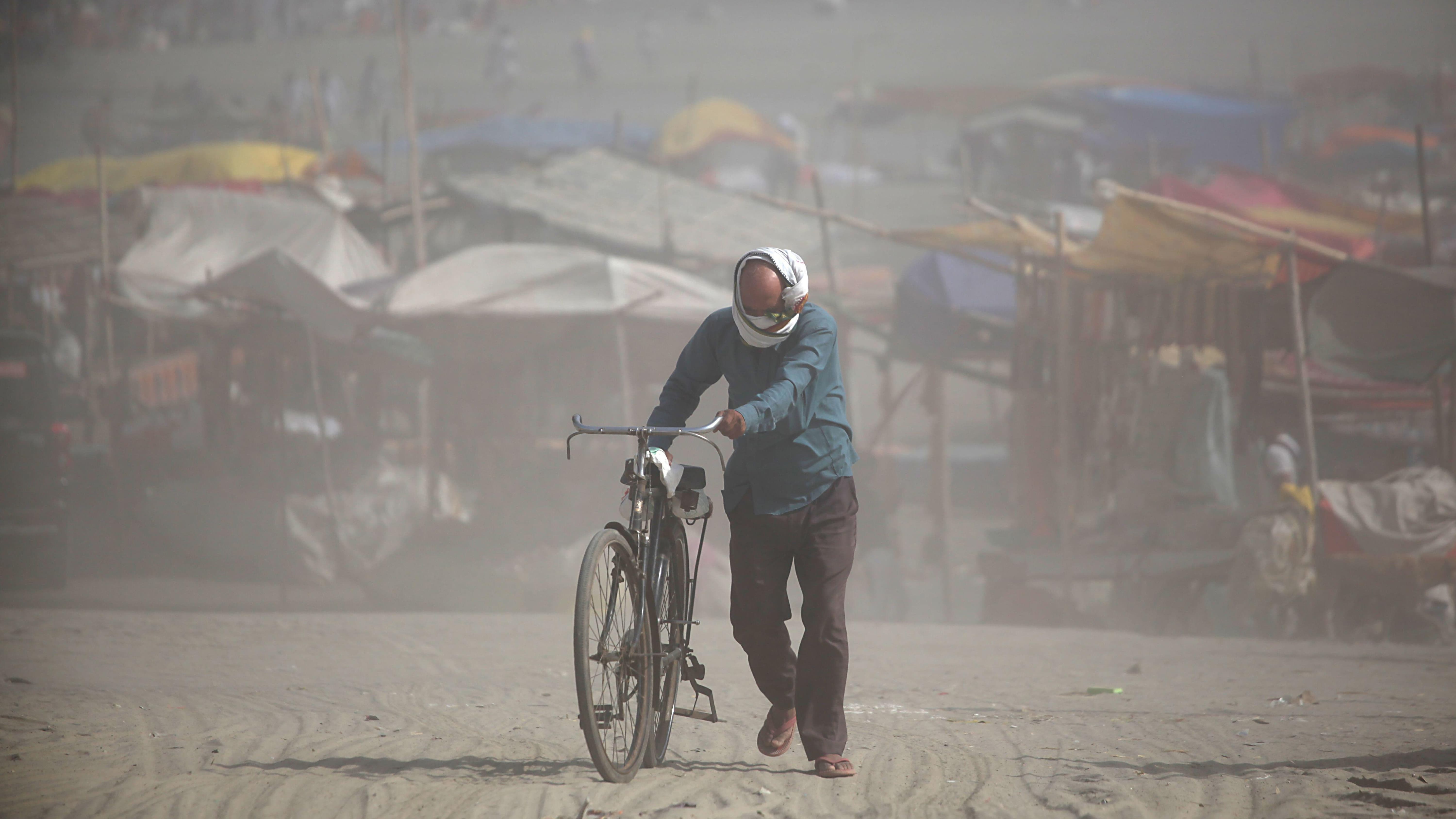
The Council on Energy, Environment and Water (CEEW) is pleased to invite you to the dialogue on ‘Viksit Bharat 2047: Advancing Resilience with Climate Intelligence’ on 29th April 2025, 1030 – 1430 IST, at Longchamp Hall, Taj Mahal, New Delhi.
As India’s rapid urbanisation places its cities on the frontlines of the climate crisis—with over 80% of the population vulnerable to hydrometeorological disasters and 76% at high risk from extreme heat—there is an urgent need for sustainable, climate-resilient development pathways. While technical and fragmented global data often remains inaccessible to decision-makers, CEEW's CRAVIS (Climate Resilience Analytics and Visualisation Intelligence System CRAVIS) platform is a first-of-its-kind integrated climate resilience platform developed in-house. The platform bridges the critical gap in climate information analytics by consolidating historical trends (1981-2024) and projections of climate metrics, as well as sectoral and public vulnerabilities into one decision-ready interface.
The tool embeds climate intelligence into governance processes, CRAVIS will help strengthen cross-sector and cross-actor preparedness and response. By combining science and AI through its multi-agent conversational system, ClimateAI, the tool democratises complex datasets into user-friendly intelligence, empowering government stakeholders in healthcare, disaster management, private sector and administration to anticipate district-level risks and implement timely, evidence-based resilience planning for a more secure future.
Yadu Kathuria
Senior Communications Associate
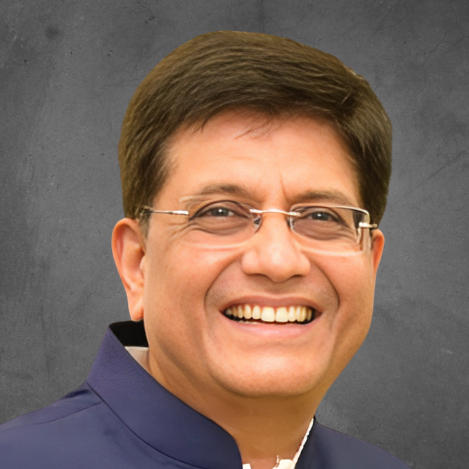
Shri Piyush Goyal
Hon’ble Union Minister of Commerce and Industry
Government of India
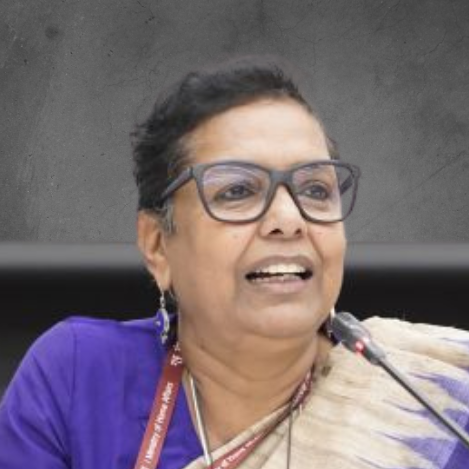
Smt. Rita Missal
Member
National Disaster Management Authority (NDMA)
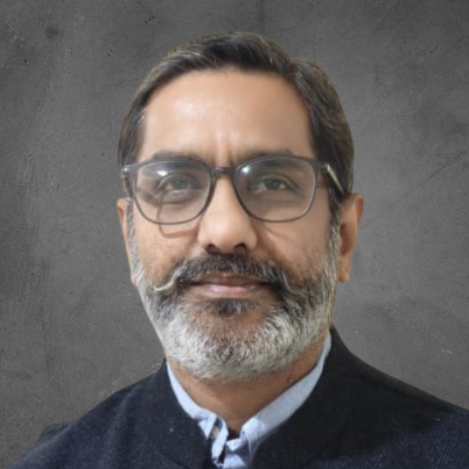
Cdr. Prashant K Srivastava
Scientist G
Ministry of Earth Sciences
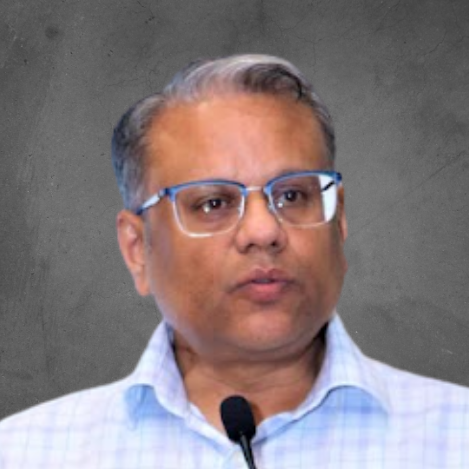
Dr Aakash Shrivastava
Additional Director & Head (CE&OH & CCH)
NCDC
Daleram Gulia
Procurement Lead – Sustainability
South Asia at Unilever

Ms Camille Severac
Deputy Country Director
AfD
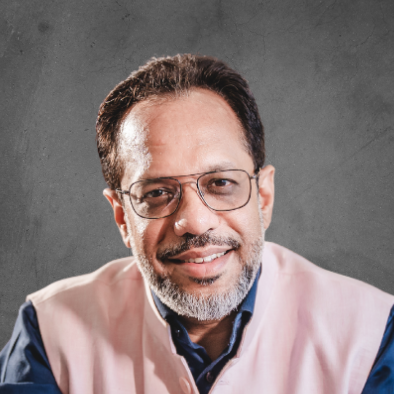
Dr Arunabha Ghosh
CEO
Council on Energy, Environment and Water (CEEW)
Karthik Ganesan
Fellow and Director
Council on Energy, Environment and Water (CEEW)
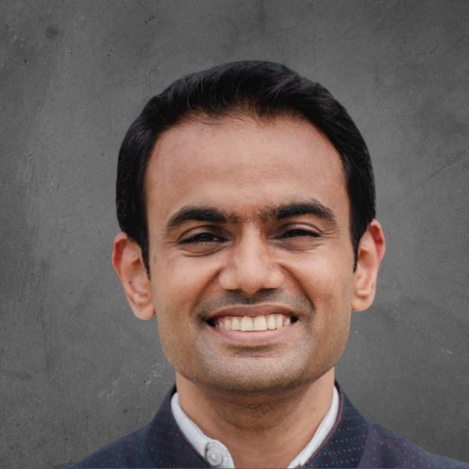
Abhishek Jain
Fellow and Director
CEEW
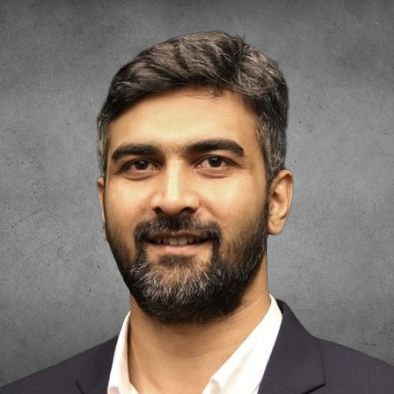
Dr Vishwas Chitale
Senior Programme Lead
Council on Energy, Environment and Water