Council on Energy, Environment and Water Integrated | International | Independent

07 Oct 2025 | 1030 - 1600 hrs IST
The Council on Energy, Environment and Water (CEEW) is pleased to invite you to an action - oriented dialogue on "Ten Years of the Paris Agreement: From rule-making to delivery" on 07 October 2025, 10:30 - 16:00 IST, at Taj Mahal, New Delhi.
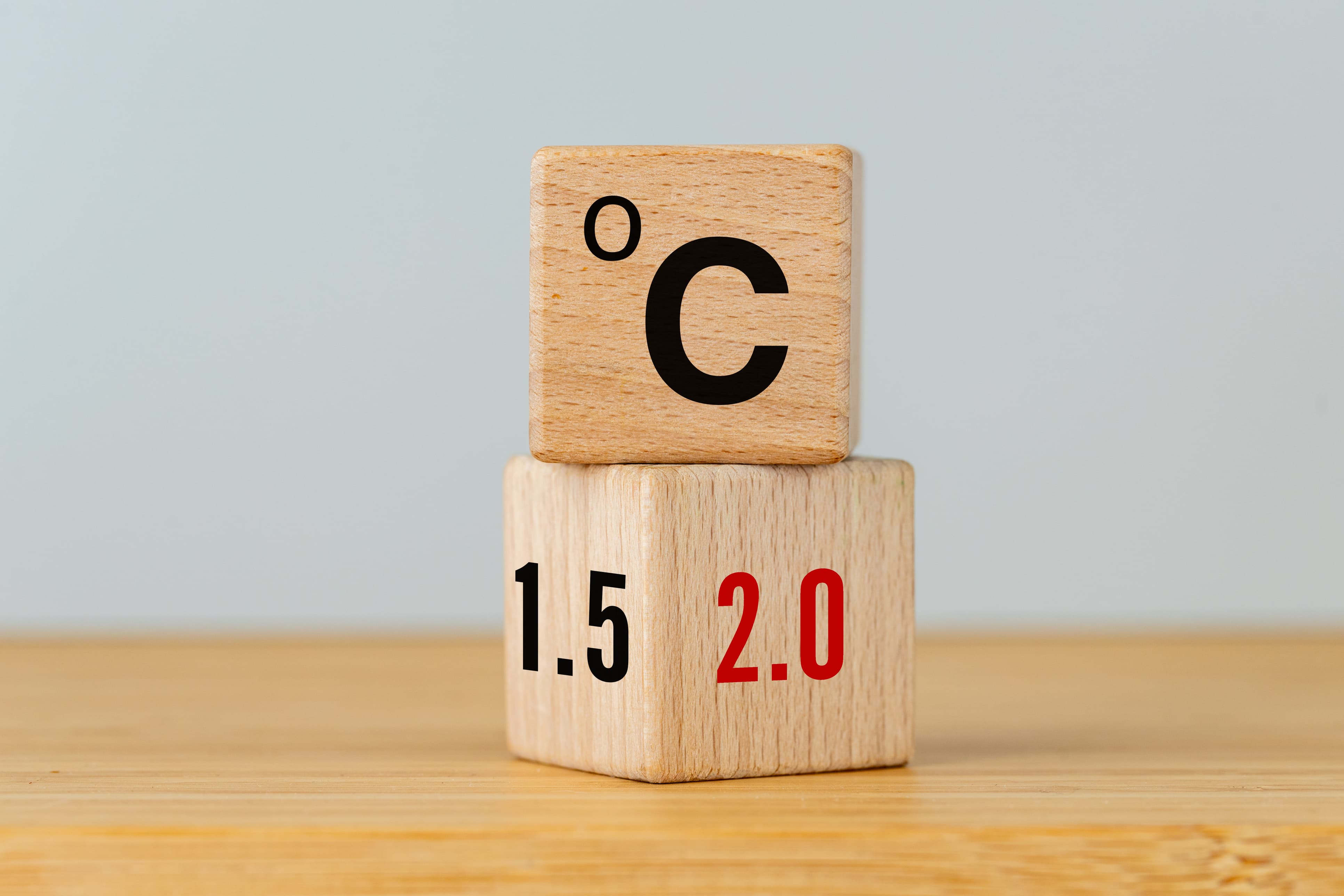
The 2015 Paris Agreement is a landmark accord aiming to cap global warming well below 2°C, ideally at 1.5°C. It created a universal, bottom-up framework using Nationally Determined Contributions (NDCs), long-term goals, and accountability mechanisms, grounded in the principles of equity. This structure has advanced key areas like Loss and Damage and the New Collective Quantified Goal (NCQG), forming the bedrock of international climate governance.
Despite this framework, a significant "delivery gap" persists. Current policies are projected to lead to a dangerous 2.9°C of warming, according to a recent UNEP report. Developed nations, while having net-zero targets, are consuming a large share of the remaining carbon budget, showing a lack of leadership. The Global South, which has contributed minimally to historical emissions, is disproportionately affected by climate change, yet international climate finance, including the unmet $100 billion goal and the inadequate NCQG of $300 billion, falls short of their needs.
This makes COP30 in Belém a critical event. As the first COPafter a full ambition cycle of the Paris Agreement, it will follow the Global Stocktake (GST) and the submission of new NDC 3.0. Brazil's proposed "Circle of Presidencies" aims to increase accountability, positioning COP30 as a "post-negotiation COP." In this context, our convening will serve as a crucial moment for all stakeholders to reflect on the agreement's decade-long implementation, assess progress, and formulate actionable recommendations to create a more ambitious and equitable agenda for global climate action.
Yadu Kathuria
Communications Consultant
Simon Stiell
Executive Secretary
UNFCCC
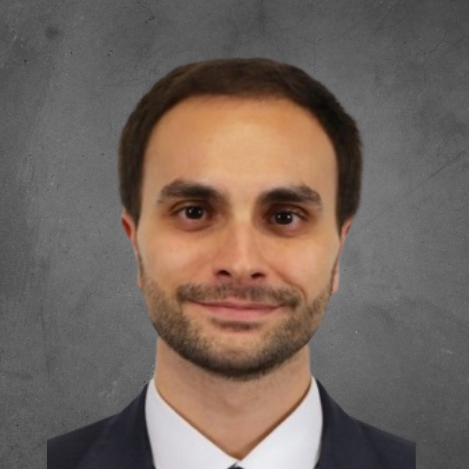
Mr Damien Syed
Minister-Counsellor & Deputy Chief of Mission
Embassy of France

Mr Shyam Saran
President, India International Centre
Former Special Envoy and Chief Negotiator on Climate Change, Government of India
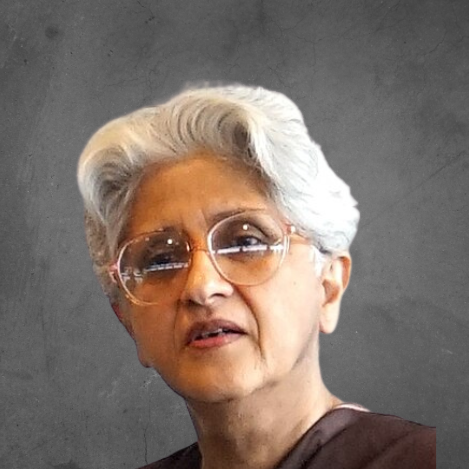
Smt. Sujata Mehta
Former Secretary
Ministry of External Affairs
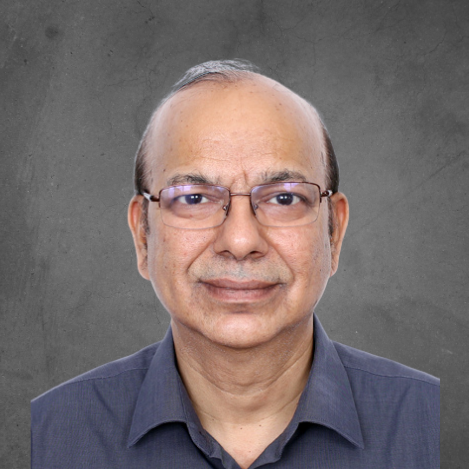
Shri A. N. Jha
Former Secretary
Ministry of Environment, Forest and Climate Change
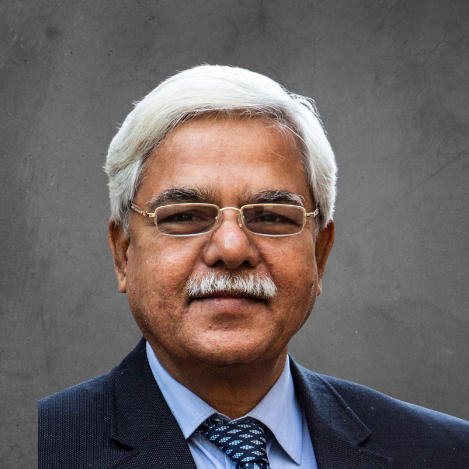
Shri R. R. Rashmi
Distinguished Fellow
The Energy and Resources Institute
Shri Amandeep Garg
Additional Secretary
Ministry of Environment, Forest and Climate Change
Amit Prothi
Director General
Coalition for Disaster Resilient Infrastructure
Shri Rajnath Ram
Advisor
NITI Aayog
Amitabh Sinha
Deputy Editor
The Indian Express
Dr Arunabha Ghosh
CEO, CEEW
Special Envoy for COP30 representing South Asia
Shri Ravi Shankar Prasad
Distinguished Fellow
CEEW
08 Oct 2025 | 09:30 - 14:30 IST
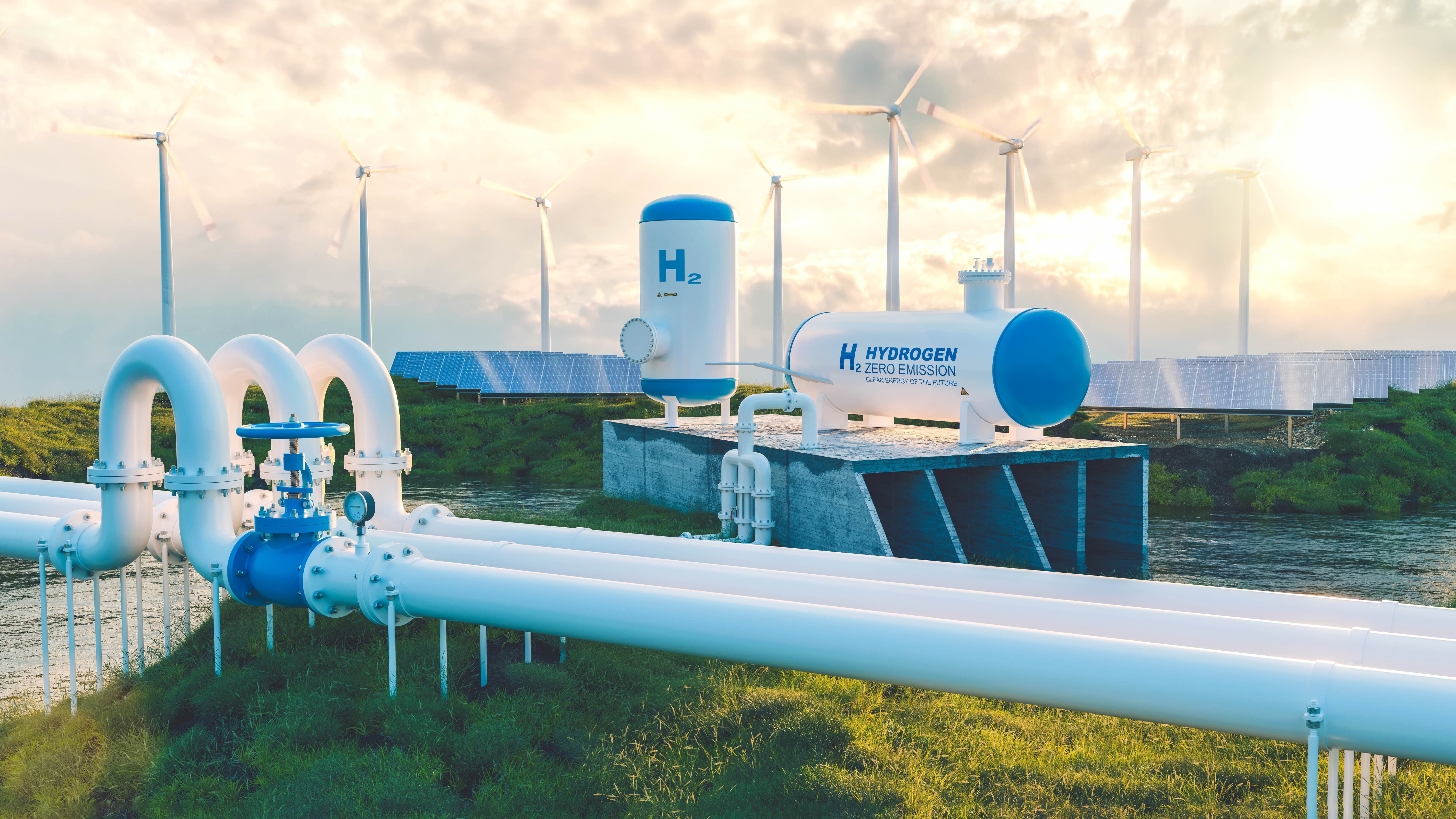
As global negotiations under the Paris Agreement move toward operationalising Article 6, there is increasing momentum to ensure that cooperative approaches deliver real, measurable, and equitable climate outcomes. For India, Article 6 presents a strategic opportunity to unlock much-needed climate finance, enable technology transfer, and accelerate low-carbon development through market-based mechanisms.
At this critical juncture, India’s engagement with Article 6 must align with its development priorities - particularly the need to finance mitigation in hard-to-abate sectors, support industrial transformation, and enhance market readiness. The evolving global landscape on carbon markets, combined with India’s domestic ambition, calls for a deeper examination of how Article 6.2 and 6.4 can be leveraged to drive climate-aligned industrial growth while ensuring environmental integrity and national ownership.
This event will explore how India can proactively shape its strategy under Article 6 to meet domestic climate goals, mobilise international finance, and strengthen institutional capacity for participation in.
Yadu Kathuria
Communications Consultant
Shri Saurabh Diddi
Director, Bureau of Energy Efficiency
Ministry of Power, Government of India
Ms Apurba Mitra
Partner
KPMG

Mr Fabio Silva Nehme
Senior EVP & Global Head of Carbon
ReNew
Shri R. R. Rashmi
Distinguished Fellow
TERI
Mr Manish Mishra
Chief Corporate Affairs
Tata Steel
Ms Kajol Tandon
IETA
India Representative
Dr Arunabha Ghosh
CEO, CEEW
Special Envoy for COP30 representing South Asia
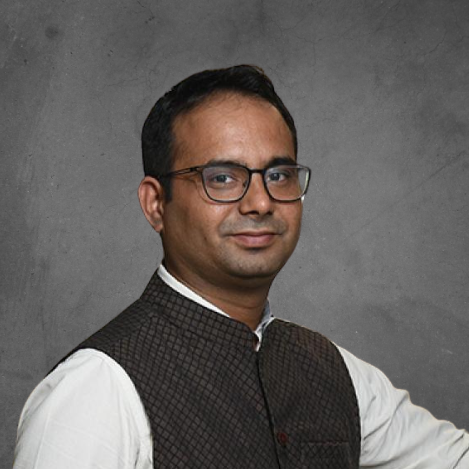
Dr Vaibhav Chaturvedi
Senior Fellow
CEEW