Home
Council on Energy, Environment and Water Integrated | International | Independent
REPORT
17 February, 2026 |

HAVE A QUERY?

Frequently Asked Questions

  • Why is this study important?

    The study identifies sub-basin-level climate risk to water resources in the Tamil Nadu part of the Chennai River basin and simulates future water demand and supply under six policy scenarios. The findings from the study can support 13 state institutions of the government of Tamil Nadu in effective, climate-resilient water resource planning by prioritising budgets and implementing targeted adaptive measures, especially the reuse of treated used water and micro-irrigation.

  • What is the definition of risk as per IPCC’s AR5 framework?

    Risk is the potential for adverse consequences for human and ecological systems, including impacts on lives, livelihoods, infrastructure, and ecosystems. Risk arises from the interaction among hazard, exposure, and vulnerability, comprising sensitivity and adaptive capacity.

  • What is the WEAP model?

    The WEAP tool is an integrated, scenario-based modelling platform designed to support water resources planning and management. This model, developed by the Stockholm Environment Institute, uses a mass-balance approach to simulate the allocation of water from various sources across competing demand sites.

  • What is the e-flow?

    As per the Brisbane Declaration, 2007, e-flow is defined as the quantity, timing, and quality of water flows necessary to sustain freshwater and estuarine ecosystems and the human livelihoods and well-being that depend on them. Assessing e-flow is crucial for maintaining ecosystem health, as it helps understand and manage ecological requirements.

  •  

HAVE A QUERY?

Sign up for the latest on our pioneering research

PAPER
17 February, 2026 |

HAVE A QUERY?

Frequently Asked Questions

  • What are the key drivers behind the rapid expansion of India’s data centres?

    The Digital India initiative, the rapid growth of quick commerce and e-commerce, internet and 5G penetration, the expansion of public digital infrastructure, digital payments, and increasing AI adoption have significantly accelerated data generation. In addition, regulatory developments, such as the Digital Personal Data Protection Act and data localisation mandates from regulators like SEBI and RBI, are further strengthening the case for expanding domestic data centre capacity.

  • What is the growth trajectory of AI adoption globally and in India?

    AI adoption is increasing at an unprecedented pace, both globally and in India. Approximately 1 in 6 people worldwide use gen-AI for learning or work-related purposes. More than 80% of organisations globally, and a similarly high proportion in India, are actively using AI in some capacity.

  • What is India’s regional footprint and capacity expansion outlook?

    India’s installed data centre capacity stands at approximately 1.5 GW as of 2025 and is projected to grow to 4.5–6.5 GW by 2030. In comparison, global data centre capacity is expected to reach around 200 GW by 2030. Mumbai leads India’s data centre market, accounting for roughly 25% of total facilities, followed by Chennai, Hyderabad, and Bengaluru.

  • Does India have a national policy for data centres?

    While India does not currently have a binding national-level policy specifically for data centres, state governments have taken the lead in driving sector growth. 15 states have introduced dedicated data centre policies or leveraged existing IT and industrial frameworks to attract investment and facilitate data centre development.

  •  

HAVE A QUERY?

Sign up for the latest on our pioneering research

REPORT
24 February, 2026 |

Have a query?

Frequently Asked Questions

  • What are the challenges marring the state of NbS finance in India?

    NbS interventions in India heavily rely on public finance, indicating a significant disparity between government and private sector contributions. Some of the key reasons for low private sector investment and engagement in NbS are limited long-term visibility on investment outcomes, uncertain time horizons for economic returns to materialize, lack of standardized approaches for long-term impact evaluation, insufficient clarity and incentive on the policy and regulatory environment, weak risk-adjusted returns, and a limited understanding of successful and viable business and investment models for NbS.

  • What does urban NbS financing and business mechanisms provide?

    Financial and business mechanisms serve as complementary frameworks essential for unlocking the potential of urban NbS. Financial mechanism focuses on evaluating the financial feasibility of an NbS project and making the case for capital allocation to unlock and direct finance toward urban NbS effectively. Such financing mechanisms can be from varied sources of financing- public, private, or blended sources and through multiple financial instruments, including debt, equity, grants, and risk management tools that can operate independently or in combination. Business mechanisms focus on how a project creates, delivers, and captures value and recovers costs by establishing clear value and return propositions for its proper recognition, communication, and monetisation.

  • What should be the approach towards identifying and analysing NbS best practices?

    Because limited creditworthiness and narrow revenue bases make it difficult for smaller ULBs to raise capital independently from debt-based instruments like green municipal bonds. Pooled financing and insurance-based mechanisms reduce individual fiscal stress and give such municipalities collective bargaining power to buy insurance for their assets from climate change induced risk.

  • What solutions can be proposed to overcome policy gaps in scaling urban NbS?

    Technical assistance and capacity building on know-how for writing strong proposals, raising funds, and tracking results are critical for enabling long-term NbS project agreements at different levels of government to support NbS at the planning stage. The framing of NbS projects around environment, climate, and sustainability are becoming key entry points and investment mandates that help connect NbS to sectors where funders and policymakers are already active, making it easier to build momentum.

  • What interventions are required to bridge the financial gaps in the urban NbS space?

    Creative business mechanisms and cost recovery mechanisms like charging premiums, linking projects to new revenue streams (e.g., transport from restored canals), and ensuring that benefits are shared, especially with communities dependent on natural resources for their livelihoods enable monetisation of co-benefits, such as improved health, biodiversity, or community livelihoods. On the investment side, scale and structure matter. Investors weigh a project’s alignment with climate goals, government support, community risks, and whether it creates lasting assets. Tools like guarantees can make projects more attractive, while debt-based financing hinges on solid cashflow projections and measurable carbon outcomes.

  •  

Have a query?

Sign up for the latest on our pioneering research

17 March, 2026 |

Sign up for the latest on our pioneering research

Dialogue
AI for the Next Billion: Intergenerational and Global South Insights for Inclusive, Future-Ready Growth

17 Feb 2026   |   0930 to 1025 IST

Session brief:

AI is rapidly reshaping economies, public services, and governance. For young and growing countries across Asia and Africa that will host much of the world’s next billion people as the global population approaches 10 billion by 2100, the stakes are uniquely high. Choices made today will shape whether AI becomes a force for shared prosperity and public trust, or deepens inequality and power imbalances for generations.

Global AI leadership has evolved quickly. The UK-hosted AI Safety Summit in 2023 established shared concerns and guardrails. In 2025, India and France shifted the conversation toward action and implementation. In 2026, as New Delhi hosts the AI Impact Summit, attention turns decisively to how AI is governed, deployed, and experienced in young countries, and what this means for long-term legitimacy and public value.

This moment places India alongside other young countries at the center of the next phase of AI leadership as shapers of how AI delivers growth, equity, and trust at scale.
For Event Queries

Yadu Kathuria

Senior Communications Associate
[email protected]

Key Speakers

Panel discussion
From Models to the Masses: Deploying AI for Climate Resilience

17 Feb 2026   |   1230 - 1330 IST

Session brief:

The session, co-led by CEEW and Google, aims to demonstrate and deliberate the potential of how cutting-edge climate research, AI models, and planetary-scale predictions can directly strengthen on-ground resilience. By showcasing tools that offer hyperlocal insights on floods, heat and emerging risks, the session explores practical pathways to integrate science, technology, and policy for faster, more effective local action. It highlights how AI can empower governments, communities, and institutions to plan smarter, respond earlier, and build a climate-ready future.

For Event Queries

Yadu Kathuria

Senior Communications Associate
[email protected]

Key Speakers

Panel Discussion on Reskilling for Tomorrow
Leveraging AI to support India's workforce transition

17 Feb 2026   |   15:30 - 16:25 IST

Session brief:

This event brings together CEEW and LinkedIn to explore how AI, automation, and sustainability goals are transforming job roles, required skills, and employer expectations. While AI offers powerful tools for skill mapping, personalised training, and faster workforce deployment, it also brings challenges around access, adoption, trust, and the risk of widening inequalities. The panel discussion will convene India’s most influential voices, including senior leaders from government, think tanks, startup founders, and technology experts, to discuss how India can prepare workers for emerging green and tech-enabled roles; leverage AI for better workforce planning; improve skill development outcomes; and develop practical tools to facilitate smoother worker transitions between sectors.

For Event Queries

Yadu Kathuria

Senior Communications Associate

[email protected]

Key Speakers

REPORT
20 January, 2026 |

HAVE A QUERY?

Sign up for the latest on our pioneering research

REPORT
19 January, 2026 |

HAVE A QUERY?

author image
Director of Programmes

Frequently Asked Questions

  • How is discoms' financial viability important to provide clean, reliable, and affordable power supply to consumers?

    Discoms are the central link in the electricity supply chain. Their financial turnaround is fundamental to achieving the policy objective of providing uninterrupted 24×7 electricity supply to all consumers. A financially healthy utility is better positioned to invest in infrastructure upgrades and support India's clean energy transition. Furthermore, improving financial viability reduces the need for expensive short-term credit to cover revenue shortfalls, which is crucial for maintaining affordable power for consumers.

  • How can smart meters help improve discoms' financial health?

    Smart meters are essential for plugging energy leakages caused by inaccurate billing, which the study identified as a major driver of losses. By automating data collection, smart meters ensure timely and accurate billing, eliminating the issue of human interference in the billing process. They also enable the targeted detection of electricity pilferage and allow for early redressal of metering issues. Prioritising smart meters in high-loss areas can help discoms accrue quick returns on investment and improve overall billing efficiency.

  • How does consumer payment behaviour affect the financial health of the discoms?

    The financial health and operational stability of a distribution company (discom) are intrinsically linked to consumer payment behaviour. Consistent, timely bill payments ensure a steady revenue stream, which is vital for power procurement, managing daily operations, and funding network maintenance—all necessary fora reliable, 24x7 electricity supply. Conversely, irregular payments and accumulated arrears severely strain a discom's working capital. This results in the utility incurring Late Payment Surcharges for delayed payments to generators, which can directly compromise supply reliability. To cover these shortfalls, discoms are often forced to secure high-interest loans, increasing the cost of power supply and hindering their ability to maintain quality service.

  •  

HAVE A QUERY?

author image
Director of Programmes

Sign up for the latest on our pioneering research

Art Exhibition
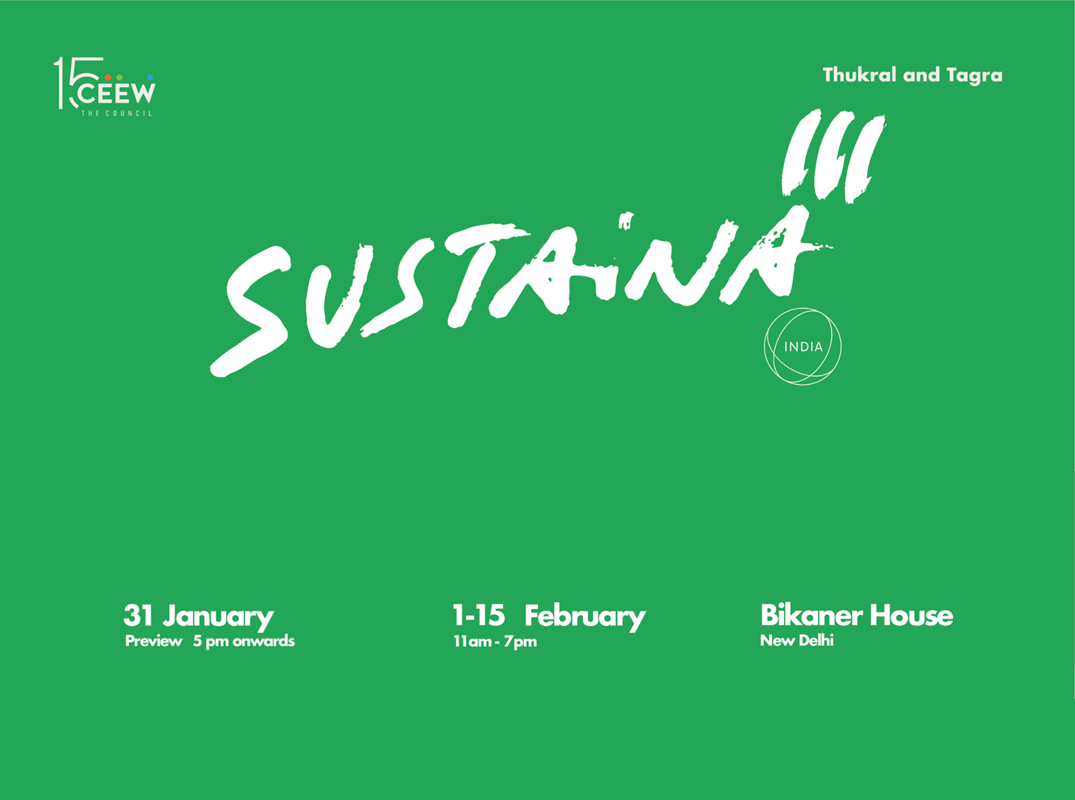
Sustaina India 3.0

12 Feb 2026   |   1700 IST

CEEW and artists Thukral & Tagra invite you to the third edition of Sustaina India art exhibition. The showcase is open for viewing from 1–15 February 2026, daily from 1100 AM to 0700 PM IST at Bikaner House, New Delhi.

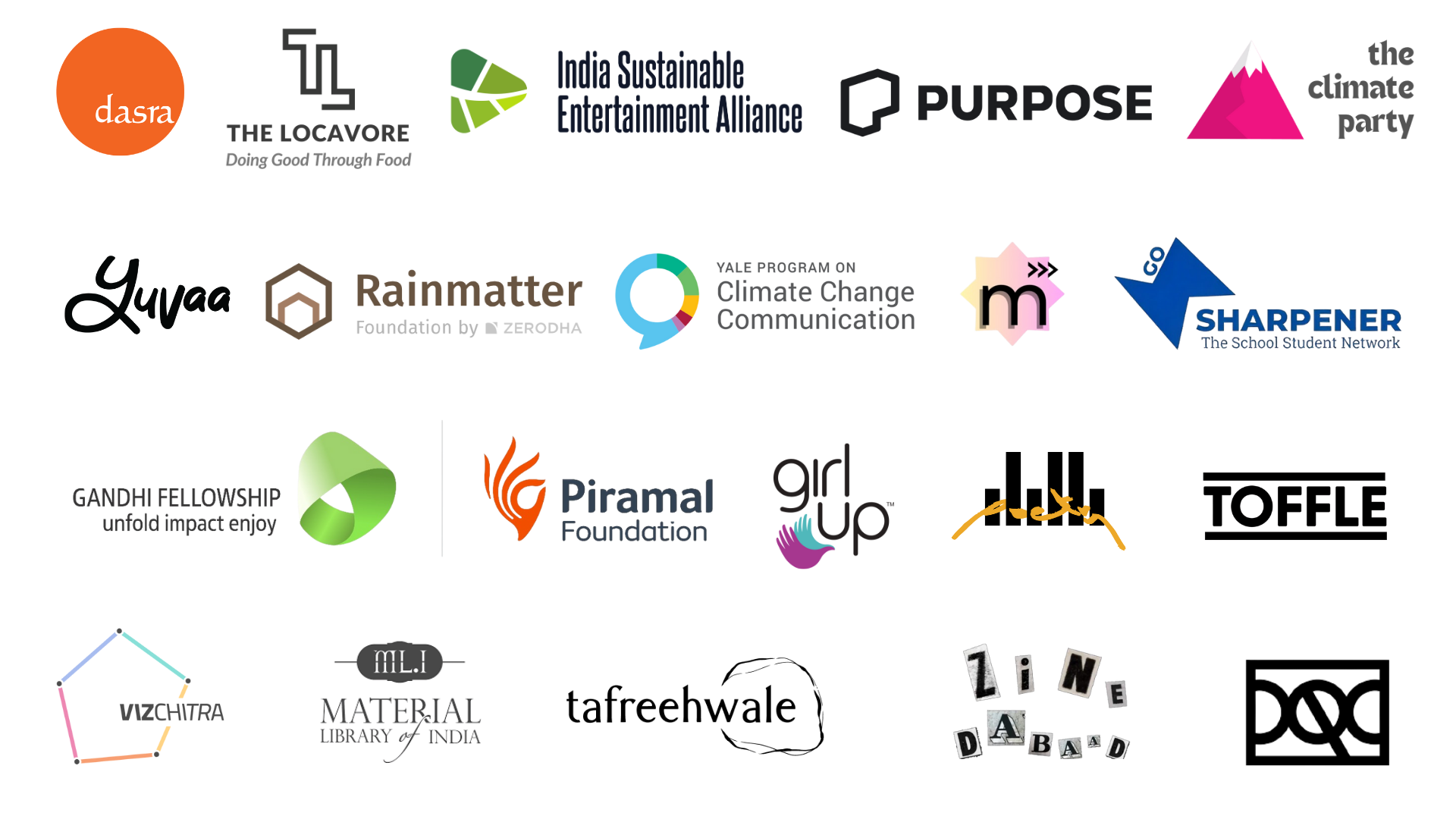
Sustaina India is a unique platform where science and art come together to inspire collective climate action. This year’s centrepiece is the work of the Sustaina India Fellows (2025-26), who explore our planetary dilemmas and possibilities through a culinary lens. Around them, a lively programme of talks, workshops, theatre and learning experiences unfolds over the weekends in collaboration with over 15 partners.


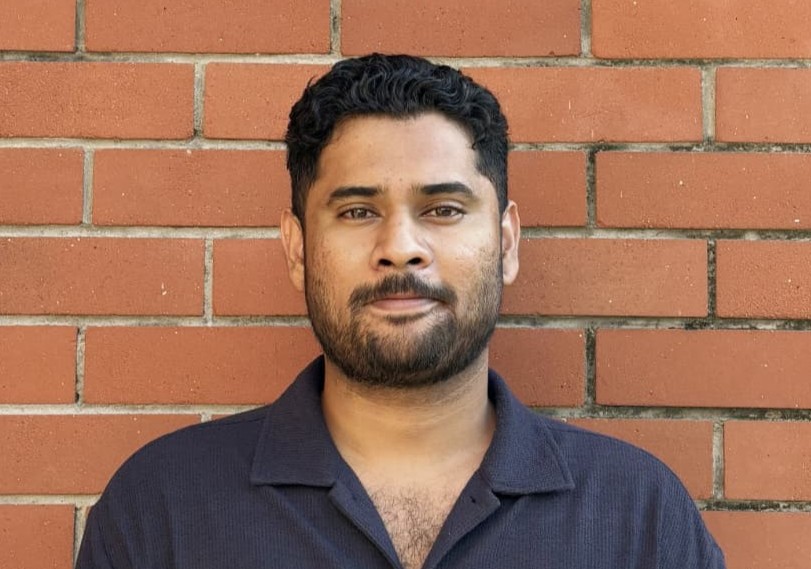
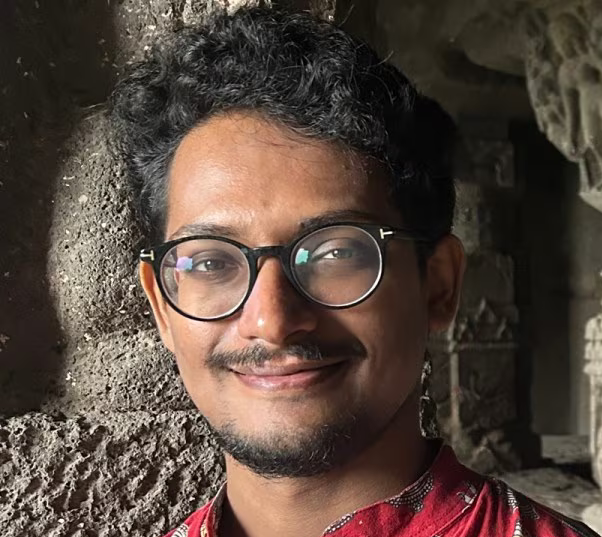
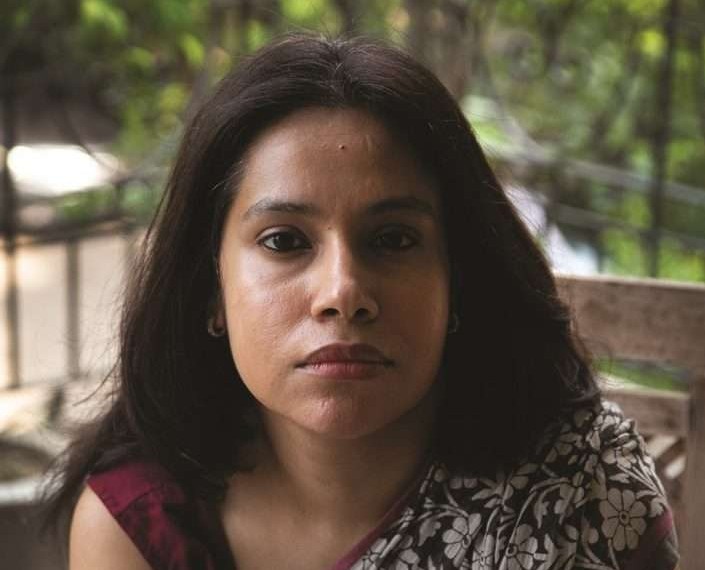
Sustaina Fellows

Anuja Dasgupta
Anuja Dasgupta
Artist & Agripreneur
Mrugen Rathod
Mrugen Rathod
Artist & Educator
Vedant Patil
Vedant Patil
Filmmaker & PhD Candidate

Featuring

Abhinand Kishore | Ankur Yadav | Harmeet Singh Rattan | Lakshita Munjal | Pooja Kalai | Sidhant Kumar | Smita Minda

Sustaina Weekends

1 February 2026
11:30 am - 1:30 pm

Exploring Climate Change Through Food
Systems & Visual Art

Session partner: The Climate Party

Register here

2:00 PM - 3:30 PM

Zines, Food and Memory (Workshop)
Session partner: Zinedabaad Collective

Host: Riya Behl, Co-founder, Zindebaad Collective
Register here

3:30 PM - 4:30 PM

What’s Missing From Our Plate? (Conversation)
Session partner: The Locavore

Speakers: Chef Thomas Zacharias, Founder, The Locavore 
Shubhra Chatterji, Food Documentarian & Co-Founder, Tons Valley Shop
Dr Nandita Iyer, Health Coach & Author

Register here

6 February 2026
3:00 PM - 5:00 PM
Reimagining Climate Communications
Session partner: Dasra, Momentum Shifts, Purpose,
Yale Program on Climate Communication

Artists: Jishnu Dasgupta, Bass Guitarist &
Manager, Swarathma
Gowri Shankar, Wildlife Biologist, Educator & Social Media Creator
Niraj Satpathy, Multimedia Artist
Anuja Dasgupta, Artist & Agripreneur

Register here

7 February 2026
11:00 AM - 2:00 PM

Green Transitions, New Livelihoods: How India’s
Jobs are Evolving (Conversation)

Session partner: NEST Alumni, Piramal Foundation

Speakers: Neha Rajan, Founder, Organic Vibes
Aaditya Malhotra, Programme Associate, CEEW
Divya Gaur, Programme Lead, CEEW
Pramit Banerjee, Lead - Fundraising and Partnerships, CEEW

Register here

12:30 PM - 3:00 PM

Reimagining the Thali: Food, Memory, Labour,
and the Futures We Want

Session partner: Dillipoetry

Host: Rachit Sharma

Register here

3:00 PM - 04:00 PM

Love: The Bitter Nectar of the Economy (Fireside chat)

Speaker: Shrayana Bhattacharya, Economist & Author

Register here 

4:00 PM - 5:00 PM

When the Planet Enters the Plot (Conversation)
Session partner: India Sustainable Entertainment Alliance

Speakers: Anupama Mandloi, Impact Producer
Anaka Kaundinya, Programming Director, ALT EFF
Alina Sen, Senior Communications Consultant, CEEW

Register here

8 February 2026
11:00 AM - 1:00 PM
Elevating Streetwear: Repair, Reuse, Reimagine (Workshop)
Session partner: Toffle

Host: Kashish Gemini, Co-founder, Toffle

Register here

3:00 PM - 5:00 PM
Plan B/C/D/E (Performance)
Session partner: Tafreehwale, Dasra

Actor and Director: Meghana A T

Register here

12 February 2026
11:00 AM - 12:00 PM
From Farm to Front Page: Where does our food come from?
Whose stories get told?

Session partner: Hands of Transition, Purpose

Host: Vani Bisht, Co-founder & CEO Kisan India
Rini Singhi, Founder & Creative Director, Dhoop
Aditya Maruvada, Brand Manager Safe Harvest
Fiona Arakal, Director, Ishka Farms
Nikhil Kamath, Author & Communications Strategist

Register here

14 February 2026
11:00 AM - 12:00 PM
From Grain to Dust: How Climate Shaped Empires
(Fireside chat)

Speaker: Anirudh Kanisetti, Author & Historian

Register here

2:00 PM - 4:00 PM
The First 3 Seconds: What's the Climate Hook? (Workshop) 
Session partner: Yuvaa

Host: Pankti Pandey, Scientist & Sustainability Educator
Shreya Kapoor, Communications Associate, CEEW
Janki Godariya, Founder’s Office, Yuvaa

Register here

4:00 PM - 5:00 PM
Relationships on a Hotter Planet: A Temp Check (Conversation)

Session partner: Yuvaa

Speakers:  Kevin Lee, Founder, Yuvaa
Nayab Midha, Poet & Storyteller

Register here

15 February 2026
10:00 AM - 12:00 PM
The Green Mile (Quiz)
Session partner: Delhi Quiz Club

Host: Sujit Ray, Analyst, KPMG

Register here

12:00 PM - 2:00 PM
Materials of Everyday Life (Workshop)
Session partner: Material Library of India (MLI)

Host: Shubhi Sachan, Founder, Material Library of India

Register here

2:00 PM - 3:30 PM
Day-to-day, the Data Way (Workshop)
Session partner: VizChitra

Hosts: Anand Katakam, Graphics Editor, Reuters
Prakriti Bakshi, Data Journalist, The Secretariat
Poojil Tiwari, Senior Communications Associate, CEEW 

Register here

3:30 PM - 5:00 PM
Hope is Not Cancelled: Building Resilient Futures
(Storytelling and sharing circle)

Session partner: Girl Up India

Host: Kunalika Gautam, Programme Manager, CEEW
Register here
 

Partners

For Event Queries

Vidusshi [email protected]

Programme Communications Consultant
[email protected]

Key Speakers

Pages