Home
Council on Energy, Environment and Water Integrated | International | Independent
A Twist in the Tale for Climate!


Rising Floods

It’s September, and it's pouring! Rain and climate conversations are everywhere.
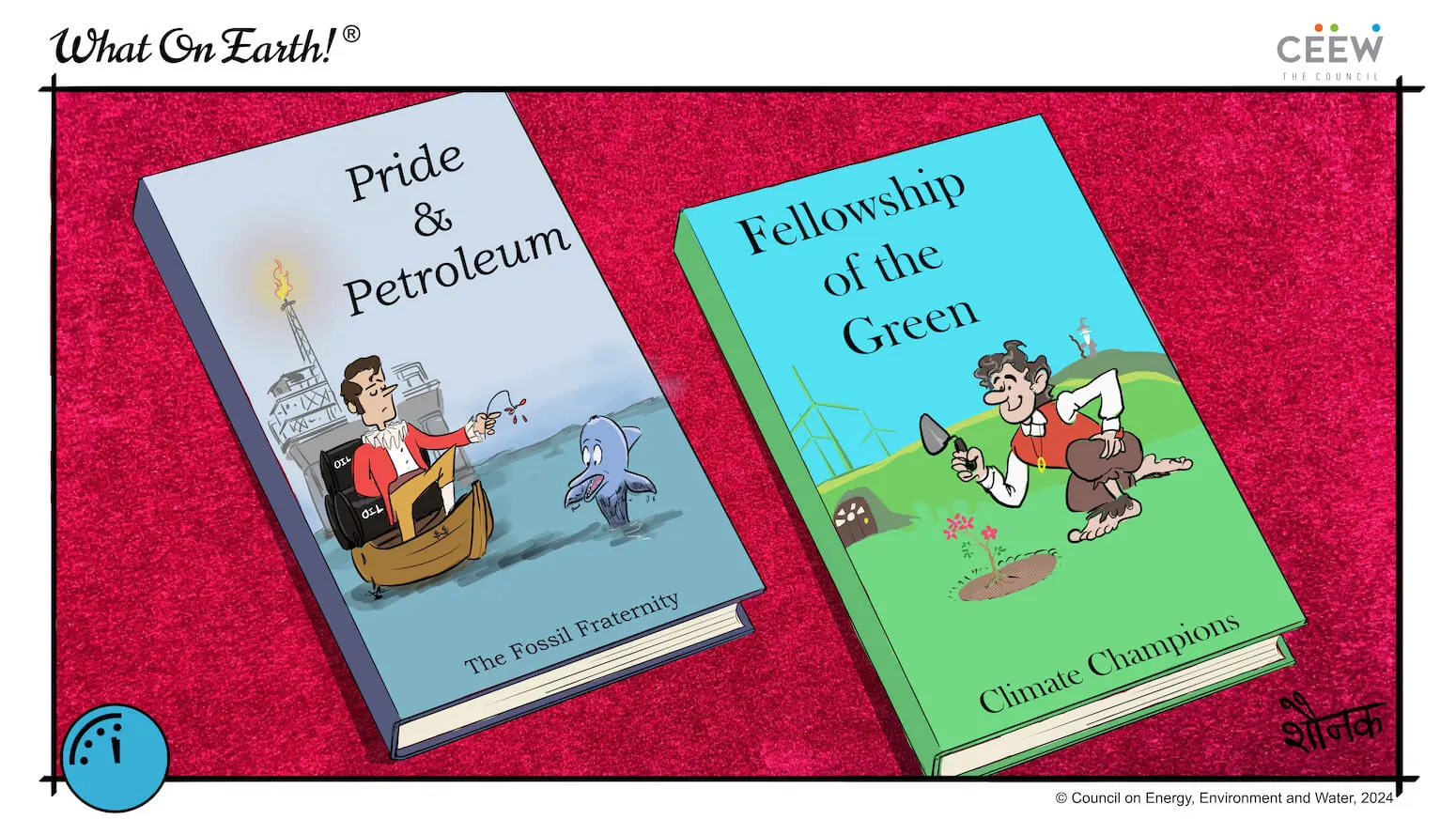
Beginning this week, What On Earth!® brings you an umbrella-load of titles that present both sides of the climate story with a dash of humour.
#WitForClimate #PaleBlueDot

Wednesday, Sept 25, 2024

Report Launch
Unlocking India’s RE and Green Hydrogen Potential: An Assessment of Land, Water, and Climate Nexus

10 Sep 2024   |   1430 - 1645 IST

The Council on Energy, Environment and Water (CEEW) is pleased to invite you to the Report Launch on ‘Unlocking India’s RE and Green Hydrogen Potential: An Assessment of Land, Water, and Climate Nexus’ from 1500 – 1645 IST on 10 September 2024 (Tuesday) at Desire Hall, Le Meridien, New Delhi. The report review will be followed by a panel discussion on ‘Scaling up Renewable Energy and Green Hydrogen in India’ with other industry experts about the potential and challenges in renewable energy deployment to achieve net-zero.

India's ambitious net-zero emission target by 2070 requires a rapid and massive scale-up of renewable energy and green hydrogen production. However, the large-scale deployment of these technologies may face significant challenges related to land access and water management.

This report provides an estimate of India's potential for solar, wind, and green hydrogen generation at both national and state levels, taking into account factors such as climate change, population density, land prices, and other constraints. Additionally, it includes the water and land requirements necessary for large-scale green hydrogen production.

For Event Queries

Shivani Rawat

Communications Specialist
[email protected]

Key Speakers

Town Hall
Youth Sabha 2047: Shaping India's Future

12 Aug 2024   |   0900 - 1330 IST

The Next Generation India Fellows program is a partnership between the UN Foundation’s Our Future Agenda Program, and the Council on Energy, Environment and Water (CEEW).

Launched in line with India’s G20 Presidency - the Fellowship puts young people at the forefront of shaping the country’s future and solving the world’s most pressing challenges, as they work closely with intergenerational changemakers globally to build consensus around a ‘future agenda’ for India.

As India approaches its centenary of independence in 2047 - it aims to become a developed nation focusing on economic growth, social progress, environmental sustainability, and effective governance. The alignment of the 2030 Agenda and India's 2047 vision, and the opportunity for international cooperation at the United Nations Summit of the Future - calls for active future planning and youth inclusion in decision-making.

The Council on Energy, Environment and Water invites you for an Intergenerational Townhall on the International Youth Day, 'Youth Sabha 2047: Shaping India's Future', on 12 August at the Hyatt Regency (New Delhi).

For Event Queries

Shivani Rawat

Communications Specialist
[email protected]

Key Speakers

The Great Indian Judgment: What Supreme Court’s Discussion on Climate Change Means
In its Great Indian Bustard ruling, the SC highlighted the need to balance clean energy access & conservation.

, , ,
23 May 2024

What do the women's association ‘KlimaSeniorinnen’ in Switzerland and the Great Indian Bustard (GIB) have in common? Both have become unlikely champions for climate justice.

The European Court of Human Rights (ECHR) in Verein KlimaSeniorinnen Schweiz and Others v. Switzerland recently ruled that Switzerland’s inaction to comply with its climate commitments violated its citizens' right to life and well-being. Meanwhile, in India, the Supreme Court (SC) in April historically discussed if constitutional protections under Articles 14 and 21 (Right to Equality and Right to Life respectively) include a right against the adverse effects of climate change. As this tripartite dilemma between conservation, human rights, and sustainable development unfolded in M.K. Ranjitsinh v. Union of India, we consider its implications for climate jurisprudence.

The great Indian trade-off?

The GIB is a critically endangered species whose numbers are dwindling in India, owing to multiple threats, one of which is its collision with high-tension power lines in their habitats in Rajasthan and Gujarat. To protect the GIB, the SC ordered in 2021 that all high-tension cables in these areas be laid underground.

However, laying high-tension cables underground could make solar power projects unviable for companies, slowing India's efforts to cut global emissions in the fight against climate change. The government, therefore, sought a modification of the 2021 ruling to support power projects in solar-rich Gujarat and Rajasthan — resulting in the current judgement.

Factoring the trade-off between India’s climate obligations and responsibility to protect the GIB, a three-judge bench of the Supreme Court withdrew its blanket order demanding that all high-tension cables be laid underground. Instead, it appointed an Expert Committee to determine how to protect the Great Indian Bustard the best. In doing so, the court effectively chose to leave the environmental policy to the experts.

In the judgement, the Supreme Court also highlighted:

  • India’s long-standing international obligation to reduce emissions requires the deployment of renewable energy as a “fundamental necessity”
  • The lack of single umbrella legislation on climate change in India could curtail the right against the adverse impacts of climate change (an extension of the right to a clean and healthy environment) read into Articles 14 and 21
  • The inequality stemming from asymmetrical and unpredictable climate impacts and the lack of access to clean energy are central to the right to a clean environment.
  • Conservation and sustainable development cannot be pitted against each other; the benefits of the blanket ruling would also not avert the existential threat of climate change.

What does this SC judgment mean?

Some have hailed this judgement as a positive progression of environmental jurisprudence, while others have critiqued it for not going far enough to protect the GIB. The big question is, what does this judgment mean for 1.4 billion Indians?

First, the Supreme Court recognised sustainable development as part of India’s global climate goals, balancing clean and affordable energy with conservation efforts. The Court has a long history of harmonising environmental considerations with development imperatives, as seen in Samaj Parivartana and Essar Oil. However, environmental protections existed even before the climate crisis. For the first time, this judgment introduces a crucial new link between climate change and sustainable development to India’s jurisprudence.

Second, the judgment only discusses and does not enshrine a right against the adverse effects of climate change. An “inversion test” checks whether the operative portion of a judgment – ratio decidendi – would remain the same even if the obiter dicta – passing observations in the judgment – were removed. A plain reading of the GIB judgment shows that the decision to modify the earlier order to underground all power cables would stand regardless of the discussion on a new right against the adverse impacts of climate change. Essentially, not everything said in a judgment operates as legal precedent. However, viewpoints on this diverge: some experts agree that the Court has recognised a new right, while others argue it has not.

Third, regardless of the outcome, the judgment is a powerful nudge to the Executive to bring forth a comprehensive climate law for India. Several Private Member Bills have recently been introduced to address emissions mitigation and energy efficiency, establish a national committee on climate change, and enshrine net-zero goals. Yet, a unified climate change law remains elusive. A climate law could resolve uncertainties and inconsistencies in addressing climate change considerations when confronted with developmental imperatives.

Global action to legislate against climate inaction

There is a growing global trend towards the use of legal tools to drive climate action. In Sacchi, et al. v. Argentina, a group of children petitioned the United Nations Committee on the Rights of the Child (UNCRC) in 2019, arguing that insufficient action on emissions reduction violated their human rights. Even though the case was rejected on procedural grounds, UNCRC acknowledged that children’s rights to life, health, and culture are affected by climate change. Climate-vulnerable island nations like Vanuatu have also sought an intervention from the International Court of Justice (ICJ) to establish a clear legal obligation for all states to protect the climate system for present and future generations.

Beyond court rulings, a wave of climate legislation is sweeping the globe. Out of 148 countries with net-zero targets, 35 have either achieved or enshrined their net-zero goals in law. Uganda and Chile have enacted comprehensive climate laws outlining their adaptation and mitigation plans and rights and duties for individuals and corporations. The United Kingdom and Australia have established independent statutory bodies to advise their governments on climate action. From establishing government accountability to fostering innovative solutions, each example highlights the targeted use of legal frameworks for climate action, providing a blueprint for India.

An Indian climate law: Enshrining a vision & mission for sustainable development

The latest SC judgment is a clarion call for India to enact a comprehensive climate change law to lay out its unique vision for climate-compatible development. A climate law for India could:

  • Define India’s vision for a Viksit Bharat in 2047 by articulating its pathway to sustainable development, where climate commitments are inextricably linked to its common but differentiated responsibility.
  • Strengthen cooperative federalism by creating frameworks for inter-departmental coordination, collaboration and convergence among central, state and local governments.  
  • Lay out legally binding protocols for measurement, reporting and verification (MRV) of India’s climate actions across sectors
  • Create a more predictable and stable investment environment for industries by unlocking finance for clean technologies and climate-resilient infrastructure.

The momentum provided by the judiciary is the perfect opportunity for India to develop a comprehensive climate law for a cleaner and healthier planet for all.

Tulika Gupta is a Research Analyst, Ushashi Datta is a Global South Fellow, Aishwarya Jain and Aishwarya Tiwari are Research Analysts at the Council on Energy, Environment and Water (CEEW). Views are personal. Send your comments to [email protected] 

,

Sign up for the latest on our pioneering research

REPORT
30 April, 2024 |

HAVE A QUERY?

Frequently Asked Questions

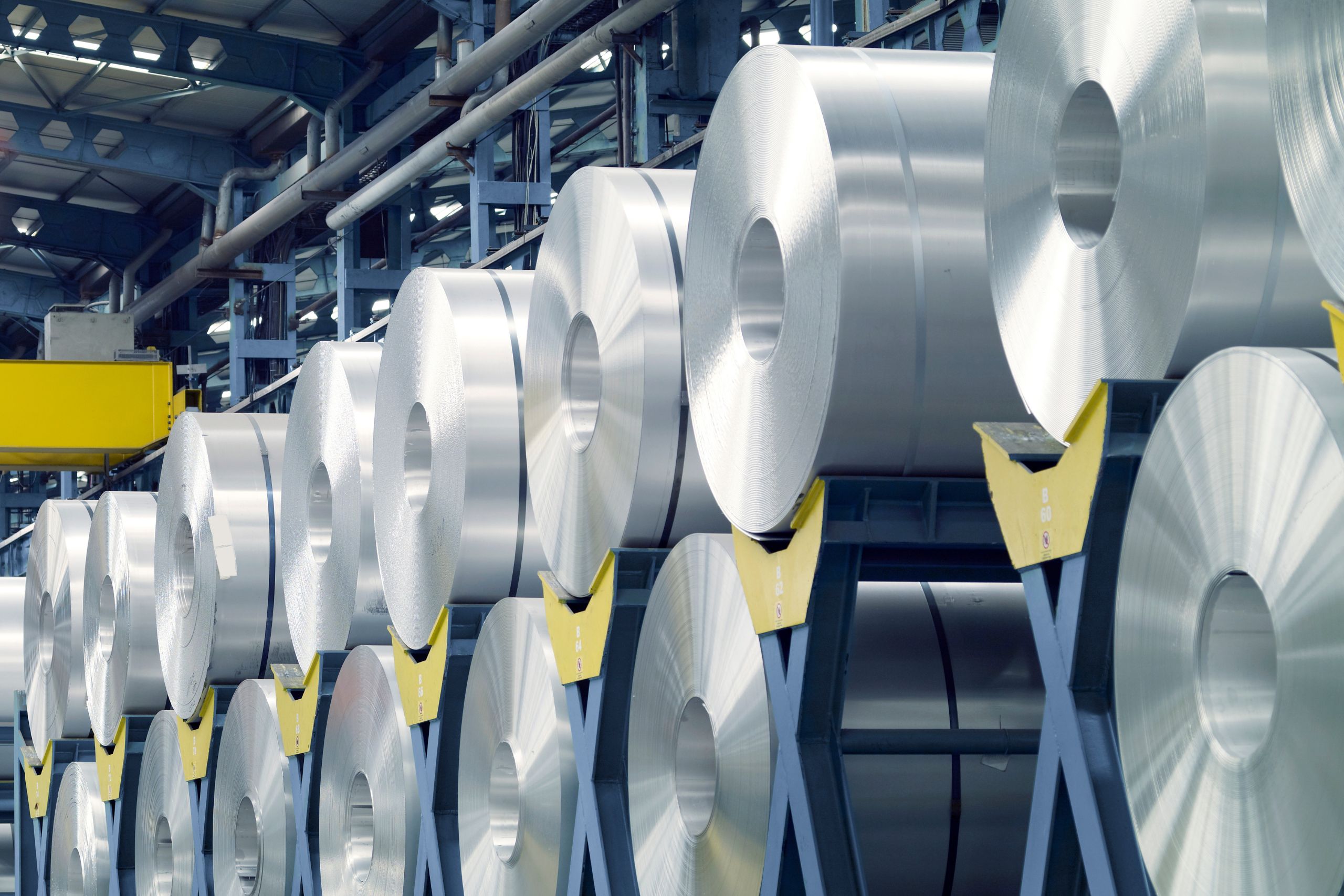
  • What is the carbon footprint of the aluminium industry in India?

    The carbon footprint of aluminium production in India is 20.88 tonnes of CO2 (tCO2) per tonne of aluminium. This includes the emissions due to direct fuel use, emissions associated with the electricity consumed in the process and the emissions generated due to the nature of the process itself, also termed ‘process emissions’.

  • What are the uses of aluminium?

    Aluminium and its alloys are used extensively for aircraft manufacturing, building materials, consumer goods like refrigerators and air conditioners, electrical conductors, and chemical and food-processing equipment.

  • Why is it difficult to decarbonise aluminium?

    Aluminium production is particularly hard to decarbonise since the process requires large amounts of uninterrupted power supply, which are currently being met through coal-based capacities. In addition, levers such as energy efficiency and fuel switch have a limited role in decarbonising aluminium production.

  • How can you decarbonise aluminium?

    Our study shows that the use of power sourced from renewable energy (RE) abates 49 per cent of emissions, corresponding to 38 MtCO2 of total emissions from the industry. Since aluminium production requires a reliable supply of electricity, we consider that 30 per cent of the demand would still be supplied by the captive power plant (CPP). Consequently, the emissions due to coal combustion need to be mitigated through carbon management, which would contribute to 21 per cent of the total emissions abatement. The remaining emissions can be abated using levers such as energy efficiency and fuel switch.

  •  

HAVE A QUERY?

Sign up for the latest on our pioneering research

REPORT
30 April, 2024 |

HAVE A QUERY?

Frequently Asked Questions

  • What is the role of fertilisers in the Indian economy?

    Fertilisers are chemical products added externally to address nutrient deficiencies in the soil by providing nitrogen, phosphorus, and potassium. These external additives are essential for plant growth, enhance crop productivity, and play a vital role in increasing agricultural output, thereby ensuring the nation's food security.

  • What is the demand for fertilisers in India?

    There is substantial demand for fertilisers in India which is estimated to be around 70 million tonnes (MT) for 2022-23.

  • What is the carbon footprint of fertilisers?

    Fertiliser production accounts for ~0.58 tonnes of CO2 per tonne of fertiliser produced.

  • How can we make fertilisers more sustainable?

    Multiple ways exist to make fertiliser production sustainable. The most impactful way is to use green ammonia, which can reduce ~35 M of CO2 from the fertiliser sector.

  •  

HAVE A QUERY?

Sign up for the latest on our pioneering research

Webinar
How India's Hard-To-Abate Sectors Can Go Net-Zero Marginal Abatement Cost Curves for Carbon Mitigation Technologies in Aluminium and Fertiliser Industries

30 Apr 2024   |   1600–1730 IST

The Council on Energy, Environment and Water (CEEW) is pleased to invite you to a webinar on 'How India's Hard-To-Abate Sectors Can Go Net-Zero: Marginal Abatement Cost Curves for Carbon Mitigation Technologies in Aluminium and Fertiliser Industries' on 30 April 20241600–1730 IST.

India is the second largest fertiliser producer and consumer globally. Similarly, in terms of overall metal consumption, aluminium ranks second, next to steel. However, India’s per capita aluminium consumption is low, at 2.5 kg, compared to the world average of 11 kg, and has significant potential for growth. A growing population and demand have led to a considerable increase in consumption of these essential commodities, which also happen to be energy and emission-intensive to produce. As the country balances its thrust on growth and its climate commitments, it is imperative to decarbonise without deindustrialisation. 

At this session, we will launch our studies on decarbonisation options for the fertiliser and aluminium industries. Our study analyses key carbon mitigation technologies and evaluates their techno-economic feasibility for decarbonising legacy production capacities. The workshop will bring together key stakeholders from industry, academia and the policy sphere to deliberate on strategies for cost-effective, deep decarbonisation of these industries to ultimately achieve India’s climate goals.

For Event Queries

Tulshe Agnihotri

Communications Specialist

[email protected]

Key Speakers

REPORT
18 March, 2024 | ,

HAVE A QUERY?

Frequently Asked Questions

  • What are continuous emission monitoring systems?

    Continuous Emission Monitoring Systems (CEMS) are devices that periodically measure the concentration and release rate of emissions from a stack, chimney or duct of an industrial facility. CEMS can measure particulates, gaseous pollutants as well as liquid pollutants.

  • How does continuous emission monitoring work?

    Continuous emission monitoring works using CEMS that are selected based on the types of pollutants whose concentrations are to be captured. The CEMS consist of highly sensitive probes that are placed at a selected location along the exhaust gas system of an industrial facility. These probes periodically monitor the flow rate and concentration of various pollutants such as CO₂, CO, NOֶx, SOx, PM, etc. The captured data is relayed to processors that convert the information from the measuring device into standard units, such as normal milligram per cubic metre (mg/Nm³).

  • What is an online continuous emission monitoring system?

    Online CEMS (OCEMS) are CEMS that relay the data to a remote server through the internet. The data is then usually displayed on a web portal that provides information related to and collected by CEMS devices across multiple stacks or chimneys associated with equipment within a facility and across multiple facilities in a given geography (typically a state). This could include emissions concentration, release rate, temperature, and calibration information.

  • What are the advantages of continuous emission monitoring systems?

    CEMS allow collecting pollutant concentration and flow data at frequent intervals (e.g., every 15 minutes) and automatic processing and transmission of data. This greatly improves the ease, efficiency, and effectiveness of monitoring by pollution control authorities, who otherwise have to rely on manual monitoring by staff of accredited laboratories, where the frequency of checking is, at best, once a week. CEMS also substantially improve the robustness and transparency of pollution data, when installed and calibrated correctly.

  •  

HAVE A QUERY?

Sign up for the latest on our pioneering research

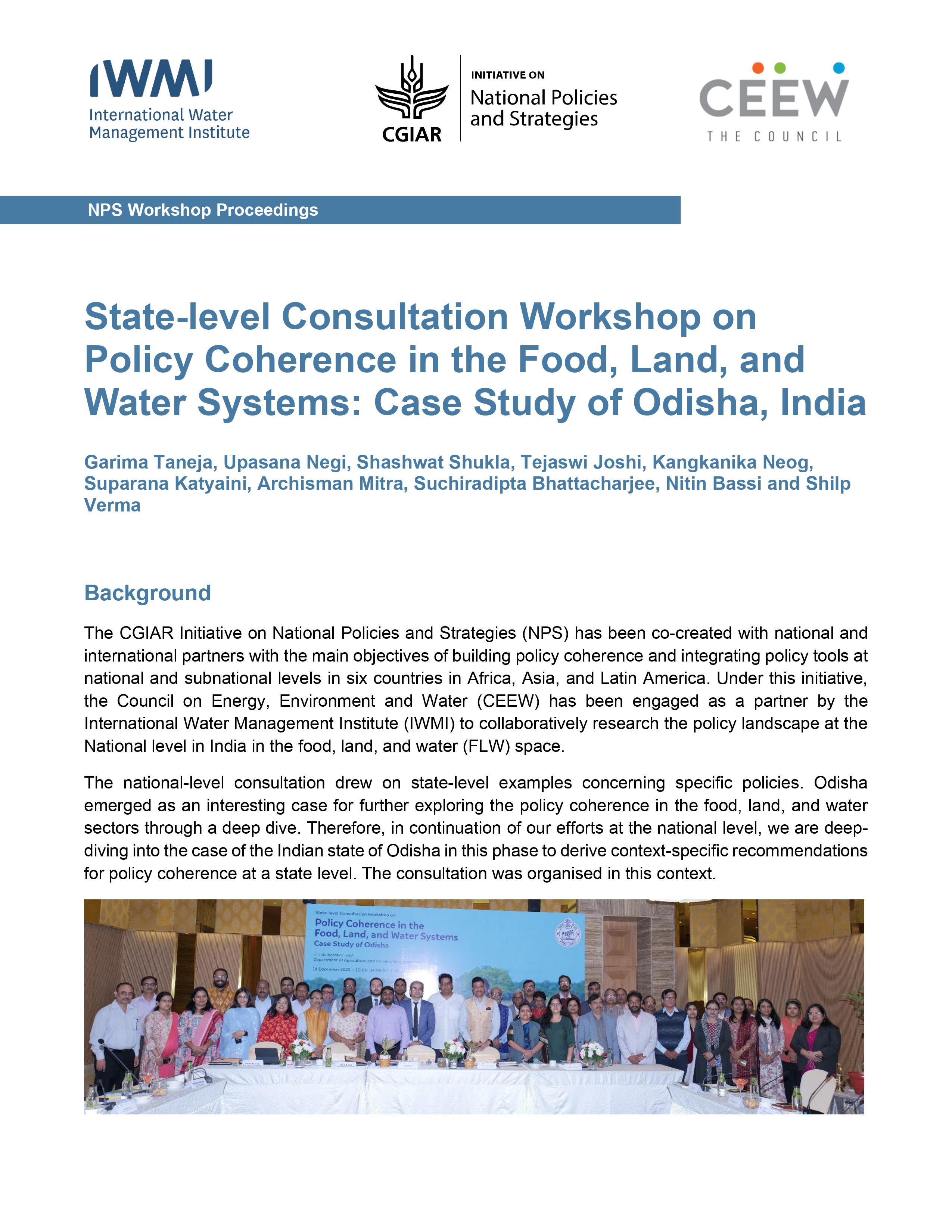
State-level Consultation Workshop on Policy Coherence in the Food, Land, and Water Systems

Case Study of Odisha, India

Garima Taneja, Upasana Negi, Shashwat Shukla, Tejaswi Joshi, Kangkanika Neog, Suparana Katyaini, Archisman Mitra, Suchiradipta Bhattacharjee, Nitin Bassi and Shilp Verma
December 2023 |

Suggested citation: Taneja, Garima, Upanasa Negi, Shashwat Shukla, Tejaswi Joshi, Kangkanika Neog, Suparana Katyaini, Archisman Mitra, Suchiradipta Bhattacharjee, Nitin Bassi, and Shilp Verma. 2023. Proceedings of the State-level Consultation Workshop on Policy Coherence in the Food, Land, and Water Systems: Case Study of Odisha, India, Odisha, India. Colombo: International Water Management Institute.


Overview

In continuation of collaborative efforts of Council on Energy, Environment and Water (CEEW) and International Water Management Institute (IWMI), under the CGIAR Initiative on National Policies and Strategies (NPS), a deep dive into understanding policy coherence at a state level was carried out in Odisha. As a part of the deep-dive, a half-day multi-stakeholder consultation was held on December 14, 2023, in partnership with the Climate Resilience Cell of the Department of Agriculture & Farmers' Empowerment, Government of Odisha.

The objective of the consultation was to bring together policymakers, implementing agencies, academicians, and civil society organisations to reflect on key findings, and context-specific opportunities for enhancing policy coherence.

Key highlights

  • Nine national and state level policies governing water, food and land resources use and management were analysed through a multidimensional lens to coherence between policies.
  • The analysis took a consultative approach to understand the best practices, and the key lessons on enabling synergistic policy efforts in Odisha to enhance livelihoods, and farmers’ income.
  • Odisha presents an important case of enabling science-policy interface for evidence-based policy space.

Key recommendations

  • Develop a holistic perspective towards poverty reduction, livelihood, and job creation, and expansion of focus to cover climate change adaptation and resilience in the policies on food, land and water systems.
  • Converge efforts towards marketing of agricultural, horticultural, and fisheries products to enhance farmers’ income. Market-oriented skilling and formation of Farmer Producer Organisations would be crucial for unlocking further potential for convergence.
  • Upscale and replicate best practices on water use efficiency in agriculture, crop diversification, prioritising soil health, and solarisation of agriculture by increasing access to land and water resources.
  • Recognise the need for collaboration with research institutions and think tanks to support evidence-based policymaking and enable transformative changes towards food and nutritional security, gender equality, social inclusion in addition to water security, and climate resilience.
"Giving visibility to the interlinkages between policies that have an impact on water, food and land systems is instrumental in unlocking the potential to converge efforts towards enhancing livelihoods, and farmers’ income."

Sign up for the latest on our pioneering research

REPORT
15 March, 2024 |

HAVE A QUERY?

Frequently Asked Questions

  • Why is the temperature increasing in India?

    The temperature is increasing in India due to a combination of climate variability and human-induced factors. Greenhouse gas emissions, deforestation and industrial activities cause global warming, which leads to rising temperatures. India also observes a rapid urbanisation trend, which means it goes through large scale changes in land use. This, in combination with the humidity factor, amplifies the urban heat island effect which leads to even higher temperatures in densely populated urban areas.

  • How are heat waves impacting India?

    In February 2023, the India Meteorological Department (IMD) reported the hottest February since 1901. Subsequently, in May 2023, 10 Indian states endured a prolonged heat wave lasting 2-3 weeks. Such extreme events lead to impacts such as heat-related deaths, challenging working conditions, and a wider spread of vector-borne diseases, especially on vulnerable populations such as those living in slums. It also impacts other critical sectors such as agriculture. For instance, the recent 2022 heatwave, one of the longest-lasting, led to wheat yield reductions of 15-25 per cent in Indo-Gangetic plains states.

  • Why do we need heat action plans?

    Climatic projections suggest that heat extremes in India will intensify, become more frequent, endure longer, and impact broader geographical areas. However, it is possible to prevent a heatwave from escalating into a disaster with strategic and effective planning. Therefore, we need to formulate risk-driven and context specific heat risk mitigation and adaptation strategies in the form of a heat action plan to reduce the impacts of heatwaves.

  • What is Thane’s Heat Action Plan?

    Thane city's administration attempts to address heat stress in the coastal city by developing a city-level heat action plan, offering insights into heat risks considering historical trends and projections of dry temperature extremes, humidity, warm nights, and socioeconomic factors at a detailed ward/Prabhag Samitee level. The primary objective is to mitigate the impact of heat stress on human health and establish effective pathways for preparedness and response mechanisms.

  •  

HAVE A QUERY?

Sign up for the latest on our pioneering research

Pages