Council on Energy, Environment and Water Integrated | International | Independent

– The study indexes 503 urban local bodies from 10 states with a treated used water reuse policy
– Western, north-western states and Karnataka lead, with eastern states catching up
– 90% ULBs, however, need targeted financial planning & investments for used water management
New Delhi, 12 March 2024: Haryana, Karnataka, and Punjab are the frontrunners of used water management in India, according to a new, independent report by the Council on Energy, Environment and Water (CEEW) released today. With rising urban water demand and dwindling groundwater tables, urban local bodies (ULBs) across the country need to scale up the treatment and reuse of used water for non-potable purposes. However, a lack of targeted financial planning and investments for used water management currently remains a key barrier across 90 per cent of the ULBs, finds the report.
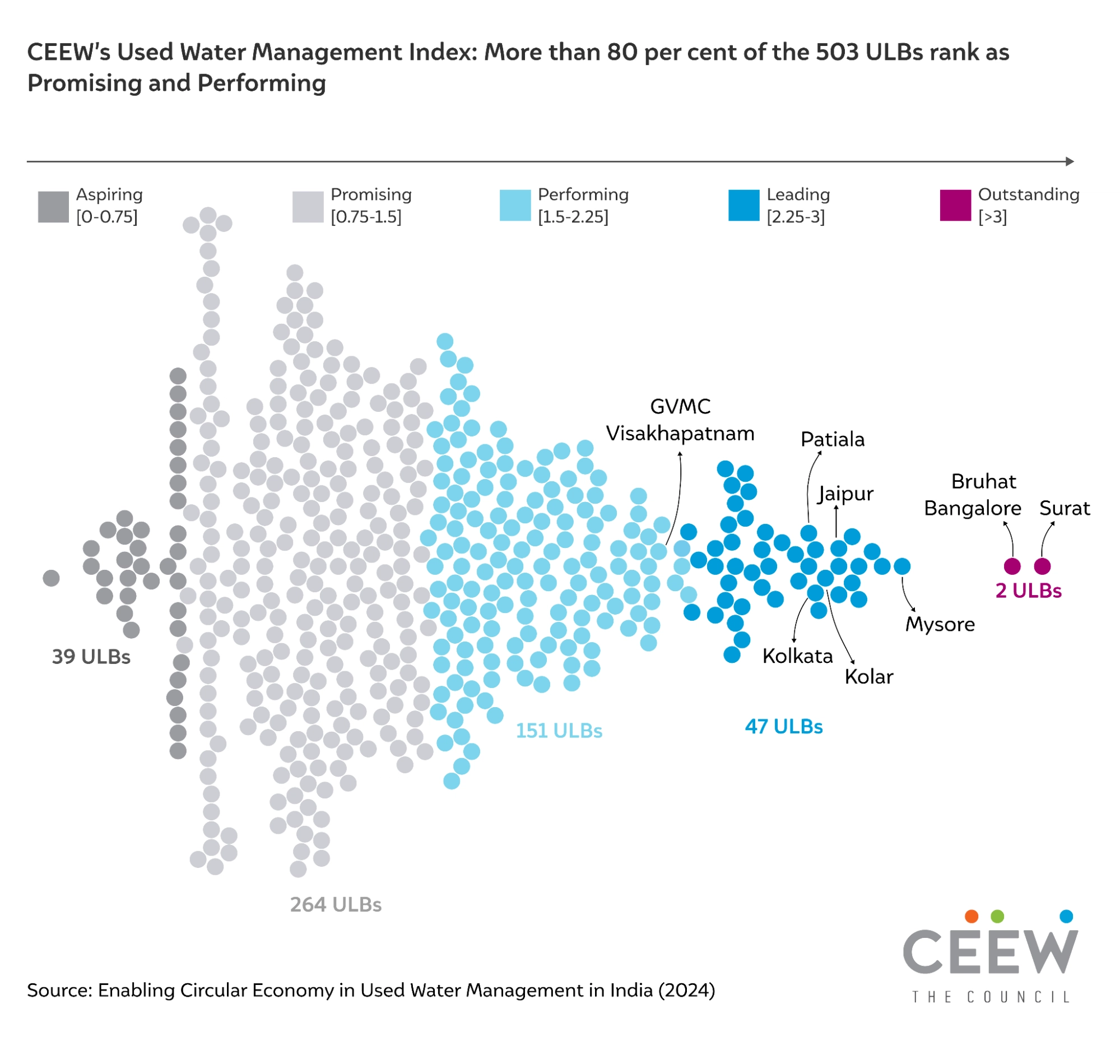
Only 28 per cent of India's 72,000 million litres of used water is treated, as per 2021 data. To strengthen used water treatment and scale up its reuse, there is a need to identify areas that need to be prioritised. Therefore, the CEEW report introduces the first-of-its-kind Municipal Used Water Management (MUWM) Index, focusing on 503 Urban Local Bodies (ULBs) across 10 states—Andhra Pradesh, Chhattisgarh, Gujarat, Haryana, Jharkhand, Karnataka, Madhya Pradesh, Punjab, Rajasthan, and West Bengal—that have adopted treated used water reuse policies. The index ranks them comparatively based on five themes: Finance, infrastructure, efficiency, governance, and data and information. The resulting composite scores categorise ULBs into Aspiring, Promising, Performing, Leading, and Outstanding categories.
At the top end, Surat Municipal Corporation and Bruhat Bengaluru Mahanagara Palike emerge as ‘Outstanding’ performers in the CEEW index, with dedicated action plans for used water management and good performance in areas such as infrastructure and efficiency. At the state level, the report identifies Haryana and Karnataka as leading states, with comprehensive graded action plans, with Punjab and Rajasthan following closely. However, states in eastern India are catching up, with significant progress observed in Jharkhand and West Bengal. The CEEW findings also reveal that the majority of the ULBs needed to adopt a more comprehensive approach to used water management as 60 per cent of ULBs lie in the bottom half of the index, falling under the ‘Aspiring’ and ‘Promising’ categories.
Nitin Bassi, Senior Programme Lead, CEEW, said, “Many Indian cities are now water-stressed. For instance, Bengaluru, which draws most of its freshwater from the Kaveri River and borewells, is currently facing a severe water crisis. Incidents like these in India’s rapidly urbanising regions show the environmental and economic potential of treating and reusing used water for non-potable purposes. Though Karnataka emerges as a frontrunner, it is critical to note that there is a long road to go with no state achieving full scores—the highest being 3.32 out of a maximum of 5. As Bengaluru runs out of freshwater, reusing used water to its full potential for non-potable purposes will be key in the future. Treated used water has a tremendous market potential—about USD 8 million per day in 2021 alone. The CEEW index provides a crucial baseline for ULBs to prioritise their water action, see the gaps they need to fill and realise this notional market and environmental value.”

The CEEW report further highlights finance as a key concern in used water management. Surat in Gujarat stands out with the top score in finance having adopted different public–private partnership (PPP) models, such as the end-user investment model, to achieve economies of scale and effective risk sharing. Moreover, 78 per cent of ULBs require better governance measures to ensure treatment and reuse of used water. Here, Jaipur emerges as the top-scoring ULB, with its latest city master plan (2025) including sewage-related targets on infrastructural requirements and collection efficiency of the sewerage network.
Saiba Gupta, Programme Associate, CEEW, said, “The reuse of treated used water is yet to be mainstreamed in Indian cities. As per our analysis, the adoption of a dedicated reuse plan with clear targets and priority areas for reuse at the ULB level is key for improving used water management. A financially feasible reuse model is also essential for ULBs to cover the cost of treatment from revenues generated from implementing reuse projects. This is a vital step towards ensuring water-secure cities.”
In light of these findings, the CEEW study recommends empowering ULBs to adopt long-term reuse plans, enabling the development of a comprehensive database on used water management, leveraging national initiatives for finance, and promoting healthy competition among ULBs to further the goal of mainstreaming used water treatment and reuse in cities.
For media queries contact: Tulshe Agnihotri – [email protected] | +91 9621119643 / +91 7905717812

20 Mar 2024 | 1000 - 1600 IST
The Council on Energy, Environment and Water (CEEW), with support from the Ministry of New and Renewable Energy (MNRE) and the National Solar Energy Federation of India (NSEFI), are pleased to invite you to a 'National Dialogue on Solar Circular Economy' on 20 March 2024, 1000–1600 IST at The Ambassador Hotel, Khan Market, New Delhi.
The Dialogue aims to build a consensus among stakeholders towards making a circular economy central to India’s energy transition. We will deliberate on opportunities and challenges in creating a circular solar value chain, recycling technologies, priorities of the PV industry, solar waste management strategies and market mechanisms needed to adopt a circular economy. CEEW will also release a study on estimating India's solar waste quantum and its geographical and temporal spread.

Sonam Gairola
Senior Communications Associate
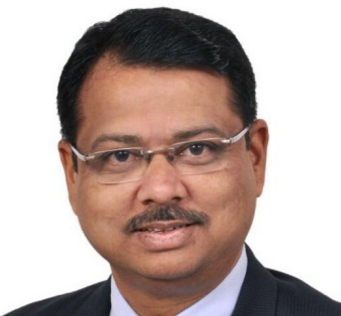
Dinesh D. Jagdale
Joint Secretary
MNRE
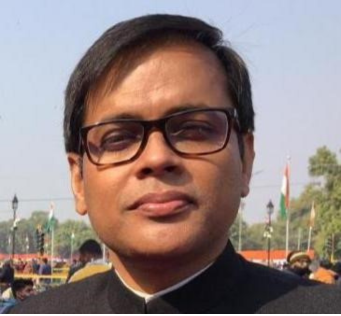
Satyendra Kumar
Director (HSM)
MoEF&CC
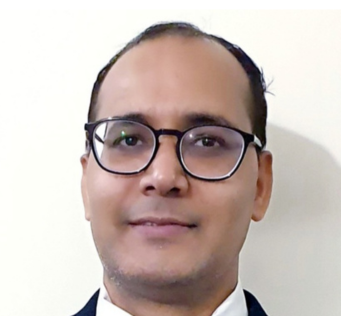
Kuldeep Rana
Scientist E
MNRE
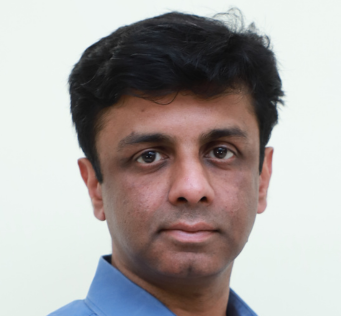
Rajat Verma
Founder and CEO
LOHUM CLEANTECH
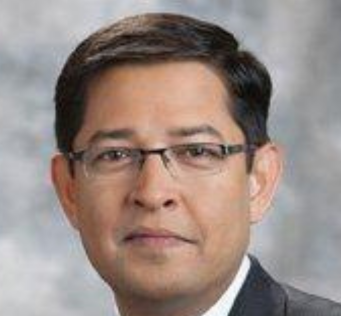
Sujoy Ghosh
Vice President and Country Managing Director
First Solar
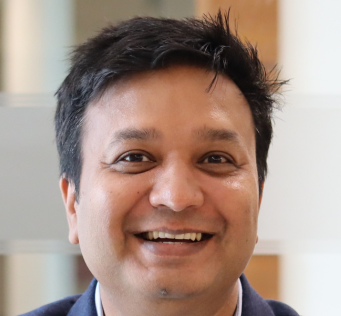
Prashant Mathur
CEO
Saatvik Group
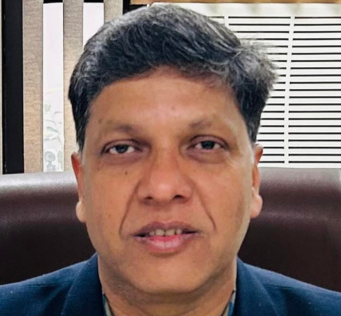
Dr Sushil Kumar
Chief Scientist and Professor
CSIR-National Physical Laboratory

Mirunalini Chellappan
Director
Swelect Energy Systems Ltd
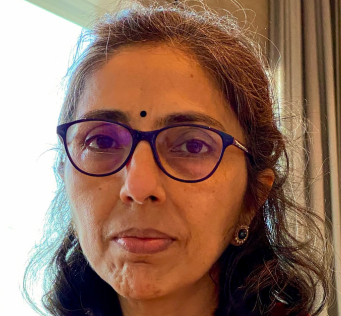
Dr Sarita Zele
Professor and Associate Director
MIT World Peace University
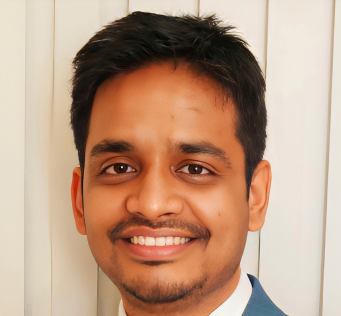
Vineet Mittal
Co-founder and Director
Navitas Green Solutions Pvt. Ltd.
Dr Arunabha Ghosh
CEO
Council on Energy, Environment and Water (CEEW)
As the thick haze of smog covers the National Capital Region every year, a familiar concern looms: crop residue burning. Although the issue of stubble burning persists in the winter months, it requires targeted policies throughout the year to curb air pollution. For instance, Haryana unveiled a plan to eliminate crop residue burning completely by 2027, and Punjab set an ambitious target of zero farm fires in FY 2024 - 25. The National Green Tribunal has also ordered these states to develop action plans to tackle crop residue burning in 2024. This responsibility does not rest with the states alone and requires close coordination between the state and the central government. Further, the execution of these ambitious plans requires commensurate financial and policy support from the Centre.
This year’s interim Budget shows the potential to support the states’ strategies through separate allocations to address crop residue-utilising industries’ demand and supply-linked challenges. However, the in-farm utilisation of crop residue has gotten limited focus this year. We unpack what the interim Union Budget 2024-25 had in store for Crop Residue Management (CRM). These are crucial headwinds for what is to come this year and for setting in place mechanisms to lessen stubble burning later.
Taking crop residue off the farm – Strong impetus for ex-situ management
Ex-situ management refers to the baling and transportation of crop residue for the creation of products like biofuels and briquettes for power generation. The interim Budget has, for the first time, delineated explicit financial support for the creation of a robust biomass supply chain, paving the way for the expansion of ex-situ industries. For instance, Compressed Biogas (CBG) producers will receive support of INR 564.75 crore from FY 2023-24 to FY 2026-27 for the procurement of biomass aggregation machinery. The Budget also promises increased capital expenditure (CAPEX) support to ex-situ industries. The allocation to the biofuel sector under the National Bio Energy Programme has seen a four-fold increase from INR 75 crore in 2023-24 to INR 300 crore this year.
Alongside the feedstock and CAPEX challenges, the growth of India’s biofuel sector is plagued by the question: who guarantees the buying of end products of ex-situ industries? Fortunately, this Budget provides us with some answers. The announcement for a phased mandatory blending of CBG in Compressed Natural Gas (CNG) for transport and Piped Natural Gas (PNG) for domestic purposes is expected to eventually create a market for CBG uptake.
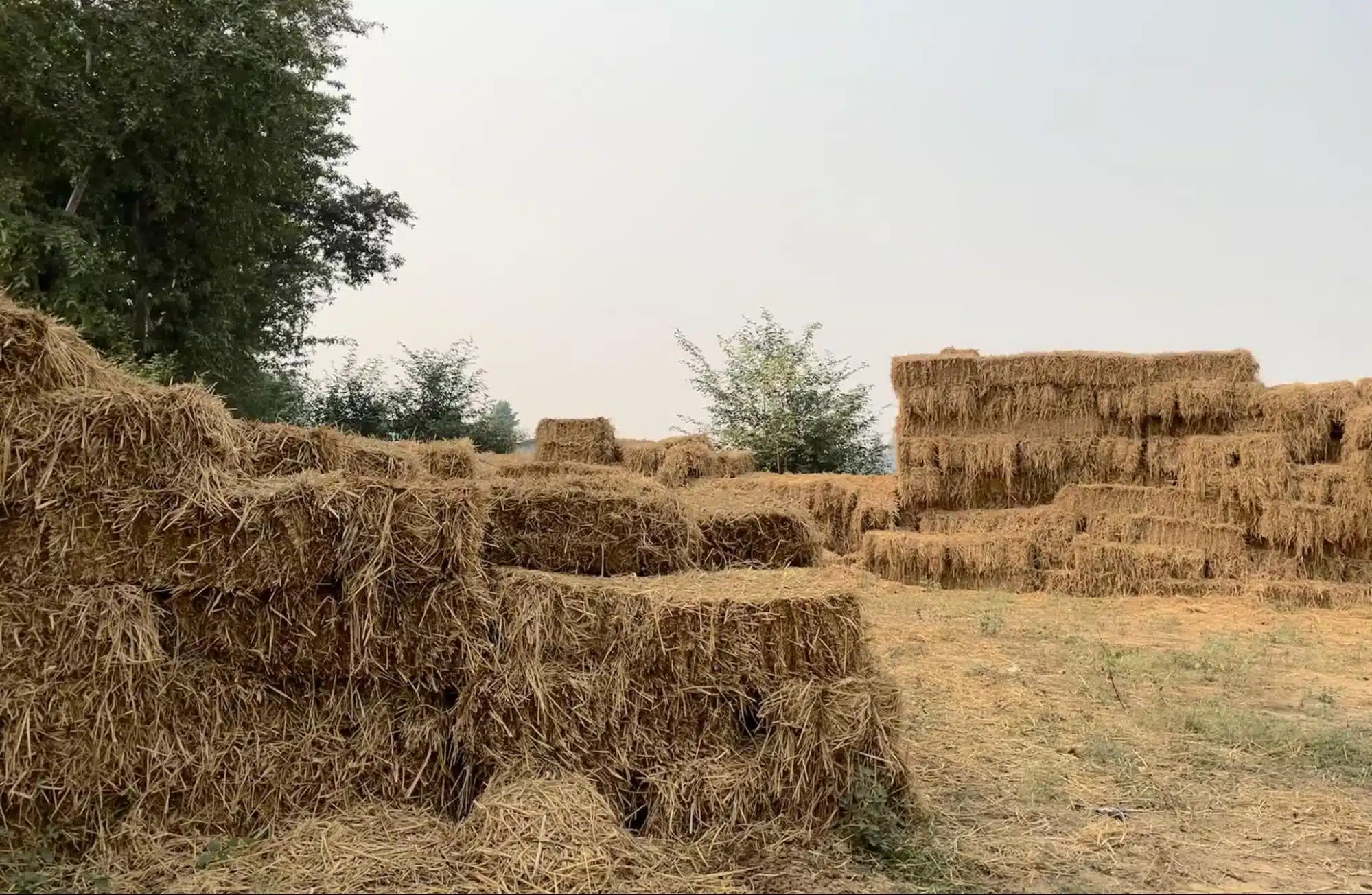
An intermediary paddy collection centre in Fatehgarh Sahib District, Punjab
However, there have been a few misses, too. For example, although the Budget promises an increased push for bio-agri inputs, it does not specifically mention anything related to Fermented Organic Manure (FOM) and Liquid Organic Manure (LOM), which are the by-products of CBG production. The lack of offtake for these products is an impediment to the expansion of CBG plants. Moreover, the National Biofuel Fund, designed to support biofuel initiatives under the National Biofuel Policy 2018, still needs a dedicated fund allocation this year.
Mixed signals for crop residue management on farms
This year, unlike the sops for ex-situ management, there is a reduced focus on in-situ crop residue management. In-situ management refers to the retaining, incorporating, or mulching of the crop residues on the farm. Instead, we observe an increase in fund allocation for capacity building, training of farmers, and capital support to rural entrepreneurs.
In FY 2021-22, the Centre provided a stand-alone allocation worth INR 700 crore to the Crop Residue Management (CRM) Scheme. However, it no longer enjoys a separate fund allocation in this year’s Budget and will receive funds from several other schemes. For instance, since FY 2022-23, the government has restructured the Rashtriya Krishi Vikas Yojana (RKVY) to subsume the Sub-Mission on Agriculture Mechanization that provided financial assistance to farmers for procurement of farm machinery and implements, including CRM machines. The support for the CRM scheme now comes under RKVY, Agriculture Infrastructure Fund (AIF), and other agriculture extension schemes. While the budgetary allocation for AIF has remained the same as last year, the allocation for RKVY has increased from INR 6,150 crore in 2023-24 to INR 7,553 crore in 2024-25. Although this is good news, we will have to wait to know the actual quantum of funds to in-situ management in the total allocation.
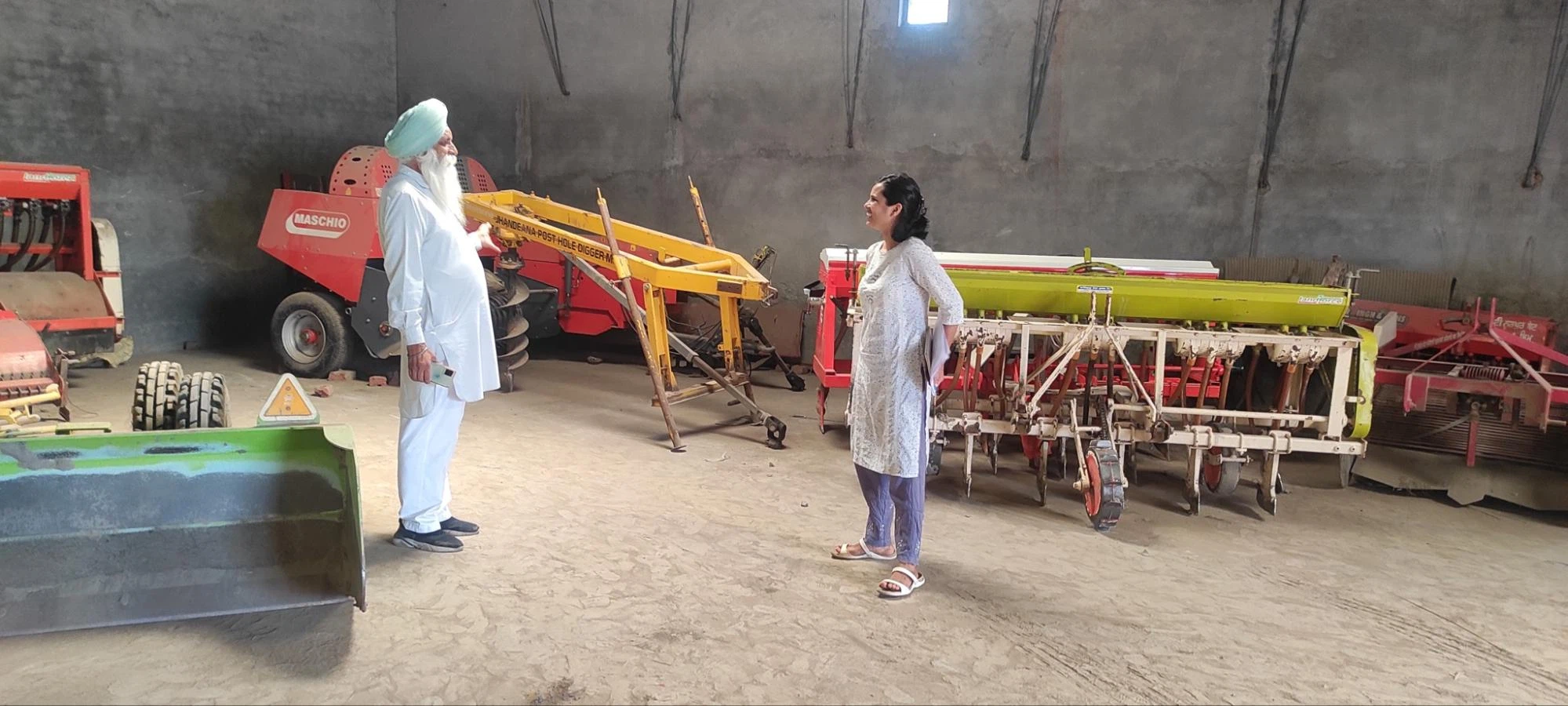
The Secretary of a Custom Hiring Centre shows available in-situ crop residue management machines for rent to farmers
The Indian Council of Agricultural Research (ICAR) conducted CRM machinery demonstrations on more than 20,000 hectares of farmland in 2022-23. With the government providing a stand-alone allocation of ~INR 235 crore in the Budget 2024-25 for Krishi Vigyan Kendras (KVKs), sanctioned to ICAR, there exists an opportunity to strengthen training and capacity building of farmers for crop residue management.
Increased fund allocation for better oversight and innovation
Monitoring crop residue burning and demanding accountability from the Punjab and Haryana governments are among the mandates of the Commission for Air Quality Management (CAQM) in the National Capital Region and adjoining areas. The rise in budgetary allocation for the statutory body from ~INR 13 crore in 2023-24 to INR 16 crore this year will help the commission maintain better oversight of the burning situation, among its other responsibilities.
The standalone allocation of ~INR 91 crore under the Department of Agricultural Research and Education for Agriculture Production and Post-Production Mechanization Augmented with Innovative Technologies for Sustainable Agriculture Development is also a positive move as it can encourage indigenous development of both in-situ and ex-situ machinery to handle crop stubble.
Tackling stubble burning in the long term
This year’s interim Budget has promised several new initiatives, following closely on the heels of renewed action plans to curb crop residue burning by both Punjab and Haryana. Most of these initiatives encourage ex-situ management, and the biofuel industry has welcomed the announcements aiming to address their upstream, downstream, and CAPEX challenges. However, with no dedicated allocation to the CRM scheme, the future of in-situ management looks unclear.
We will have to wait for the full Budget in July to know the exact allocations to both in-situ and ex-situ management. Moreover, we will only see the impact of the Budget announcements on the improvement in air quality, farmers’ incomes, sustainable agriculture, and the sustainability of industries relying on crop residue in the coming years.
Harsha Arya and Srishti Jain are Consultants, and Mohammad Rafiuddin is a Programme Associate at the Council on Energy, Environment and Water (CEEW). Send your comments to [email protected].
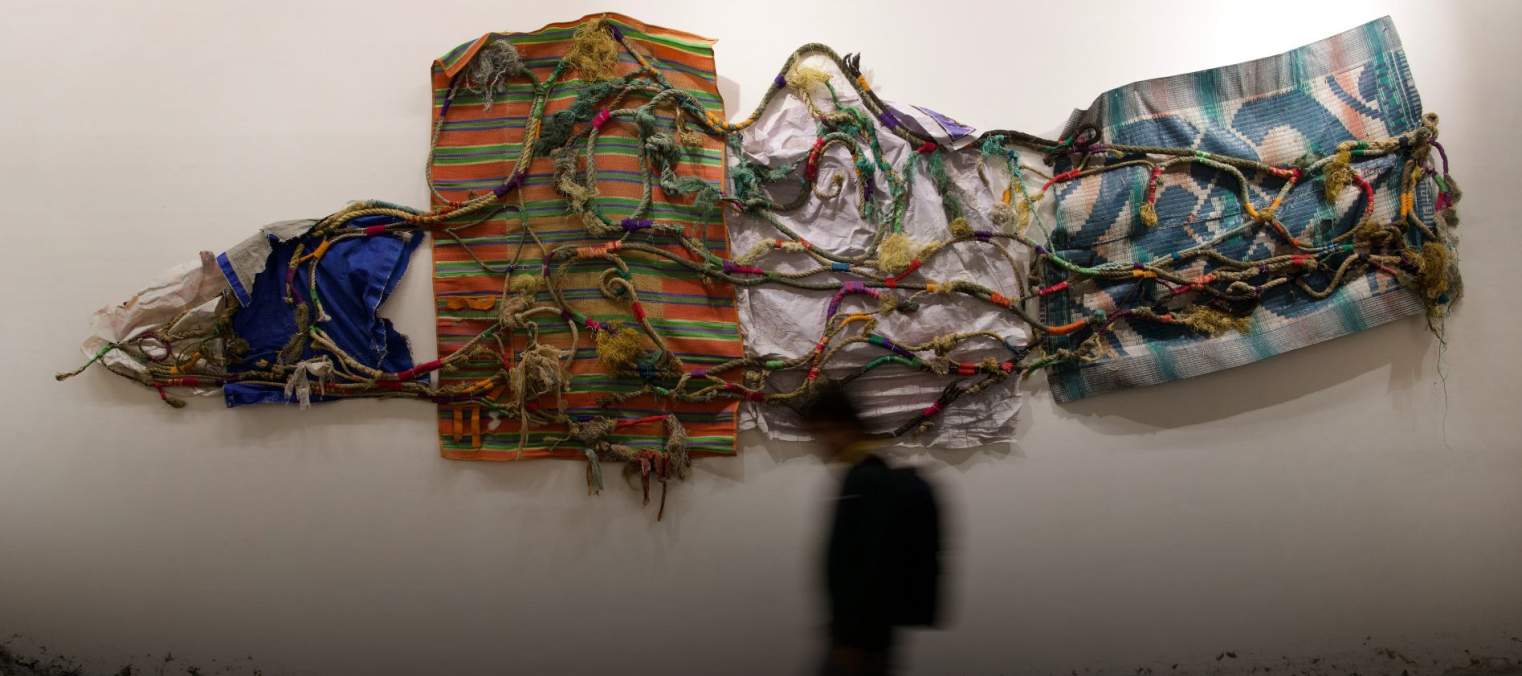
Unveiling the intersection of science and art, the inaugural Sustaina India platform culminates in a public exhibition at Bikaner House, Delhi, from February 2-15, inspiring collective climate action.
New Delhi, 16 January 2024: The first edition of Sustaina India — a first-of-its-kind platform where science meets art to inspire collective climate action — will culminate in a public exhibition from 2-15 February at Bikaner House, Delhi. Sustaina India was conceptualised by the Council on Energy, Environment and Water (CEEW), one of Asia’s leading sustainability think tanks, and internationally renowned artists Thukral & Tagra. The initiative mobilises creators to integrate climate awareness and sustainability into the cultural fabric of India and beyond through annual fellowships, exhibitions, and public programmes. Its vision is to catalyse the power of art to relay some of the pressing climate issues that are transforming the world as we speak.
The inaugural Sustaina India exhibition will showcase the work of several emerging and established artists, including three Sustaina India Fellows — Debasmita Ghosh, Manjot Kaur, and Rachna Toshniwal — for 2023-24. Curated by Jiten Thukral, Sumir Tagra and Srinivas Aditya Mopidevi, the exhibition will unpack how a detailed understanding of everyday materials can fundamentally realign our relationship with the planet. Through sensory installations, performances, artworks and recipes, Sustaina India invites viewers to keep their “eyes to the ground, heart to the horizon”.The inaugural Sustaina India exhibition will showcase the work of several emerging and established artists, including three Sustaina India Fellows — Debasmita Ghosh, Manjot Kaur, and Rachna Toshniwal — for 2023-24. Curated by Jiten Thukral, Sumir Tagra and Srinivas Aditya Mopidevi, the exhibition will unpack how a detailed understanding of everyday materials can fundamentally realign our relationship with the planet. Through sensory installations, performances, artworks and recipes, Sustaina India invites viewers to keep their “eyes to the ground, heart to the horizon”.
According to CEEW analysis, eight out of 10 Indians now live in districts vulnerable to extreme climate events such as cyclones, floods, and droughts. While communicators struggle to convey the importance of climate solutions and the scale of adversity, artists can be visualisers of collective climate action. At its core, the first edition of Sustaina India will feature the work of three emerging artists — Debasmita Ghosh, Manjot Kaur, and Rachna Toshniwal — supported through a fellowship programme. Ghosh will synthesise her action-oriented research about the change in the ways of life of the Kondh community in Odisha because of climate change. Kaur will present an immersive video installation on forests — the world’s largest natural carbon sinks — and fertility, capturing her forest visits in different parts of India and the world. Toshniwal will present tapestries and other elements woven with ocean waste that washed up on the shores of Alibag, Maharashtra, advocating for a new approach towards waste.
“We are in a time where the scale of climate change can only be addressed when multiple disciplines join forces with their methodologies and resources. Art can become an active conduit to relay diversity of knowledge on sustainable practices from science, indigenous wisdom and public policy. As creators, we firmly believe in channelling the sensorium of touch, smell, sound, and vision as paths to climate awareness and retention for current and future generations,” said Thukral & Tagra, co-curators of Sustaina India.
“As part of the conceptual and research dimensions of exhibition-making, we are also bringing in a range of sustainable material discoveries, including wooden panels made with crop residue, soy-based inks, and eco-friendly paint,” said Srinivas Aditya Mopidevi, co-curator of the exhibition.
Mihir Shah, Director of Strategic Communications at CEEW, said, “Today, we increasingly have data to better understand and act on climate change, the most pressing global challenge of our times. Yet, in a fragmented and tumultuous world, climate action still remains on the fringes of public discourse and has yet to find significance in daily lives. We are pleased to join hands with Thukral & Tagra to mainstream climate awareness through Sustaina India, where science and policy research can blend with different forms of art. With Sustaina India, we forge a dynamic action-oriented platform that emotionally connects and inspires artists, local communities and policymakers to scale up climate ambition and action.”
In addition to the three Fellows, the exhibition will also feature textile and fashion designer Gaurav Jai Gupta, who works at the intersections of textiles and carbon; visual artist, photographer and archivist Pallov Saikia, who speaks of archiving the land and life in Rahmaria, Assam, gradually taken away by the Brahmaputra; multidisciplinary artist Richi Bhatia, who stages interspecies conversation through performance; artist Shilpa Bhawane who speaks of the intimacy we can establish with the materials around us through drawing; and Climate Recipes by artist, curator, and researcher Srinivas Mangipudi and Srinivas Aditya Mopidevi, relaying recipes of adaptability from lived and acquired wisdom. Edible Archives will present conversations about sustainable, seasonal food, and sound artist and composer Bhaskar Rao will contribute a sonic layer to the exhibition.
The vision of Sustaina India is to consistently instil the idea that sustainability is not imported; it lies in the ground beneath us and all we need to do is reorient our vision.
For media queries contact: Tulshe Agnihotri – [email protected] | +91 9621119643 / +91 7905717812