Council on Energy, Environment and Water Integrated | International | Independent

When 31-year-old Sonia Bhist, from the Himalayan state of Uttarakhand, married into Kharkiya village a decade ago, her life was confined to the domestic affairs of her in-laws and her two children. She supported her husband in running a tea shop in Sitlakhet, a prime tourist attraction in the pristine hills of Uttarakhand’s Kumaon region.
While she was content with life overall, something started bothering her in recent years — the forests surrounding Kharkiya village were burning more frequently than earlier. According to CEEW analysis, instances of forest fires have increased 10-fold in India since 2000.
Deadly forest fires have emerged as a recurring disaster in Uttarakhand, where 70 per cent of the land is classified as forest land. A prolonged dry spell between February and June — locally referred to as ‘fire months’ — is conducive to the fires spreading.
“During my childhood, it was never as hot here,’’ says Sonia, adding that it used to be cooler with ample snowfall.
Mahatim Yadav, Divisional Forest Officer, Almora District, also emphasises that forest fires are the most important challenge the forest department has been facing in the region. “Long dry spells and extreme temperatures may have a direct impact on the probability of forest fires,’’ he says.
Forest fires also contribute to leaving the region water stressed. Hilly terrains like Sitlakhet are heavily dependent on natural springs. Trees help in the groundwater recharge in the catchment area of spring. But several springs have been drying up lately with an increase in the frequency of forest fires.
Often, the fires are caused due to farm residue burning when a small spark from the stubble turns into an uncontrollable fire. The proximity of farmlands to the forests makes the issue more precarious.
Sonia, however, did not wish to be a helpless spectator. Taking inspiration from a few women’s self-help groups dousing forest fires in neighbouring regions, Kharkiya’s women also mobilised to form a mahila mangal dal.
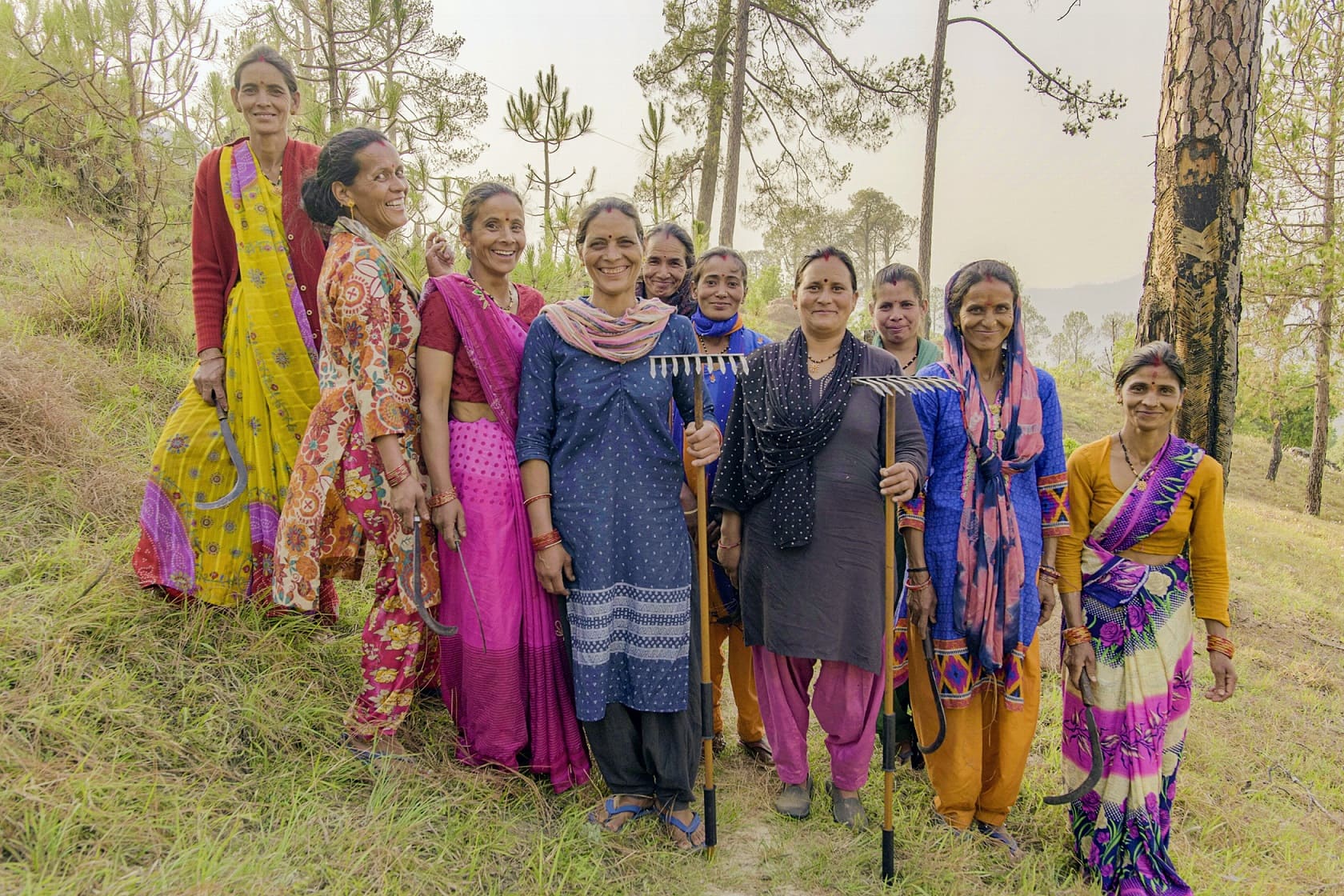
Photo: Shawn Sebastian
As the women’s committee head, Sonia convenes regular meetings to encourage others to protect the forests. The group also decided to halt burning crop residue to prevent forest fires.
“When we get information about forest fires, we gather a group and proceed to douse the fire immediately,’’ says Sonia. Armed with farm tools and branches of trees, the women join neighbouring villagers to put out the fires swiftly. A Whatsapp group also helps them pass on information quickly.
To put out the fire at the ground level, the villagers make lines and extinguish them with tree branches. To douse fires spreading from tree to tree, they cross forest fire lines and extinguish them.
“We help the forest department in curbing the spread of fires,’’ says Sonia.
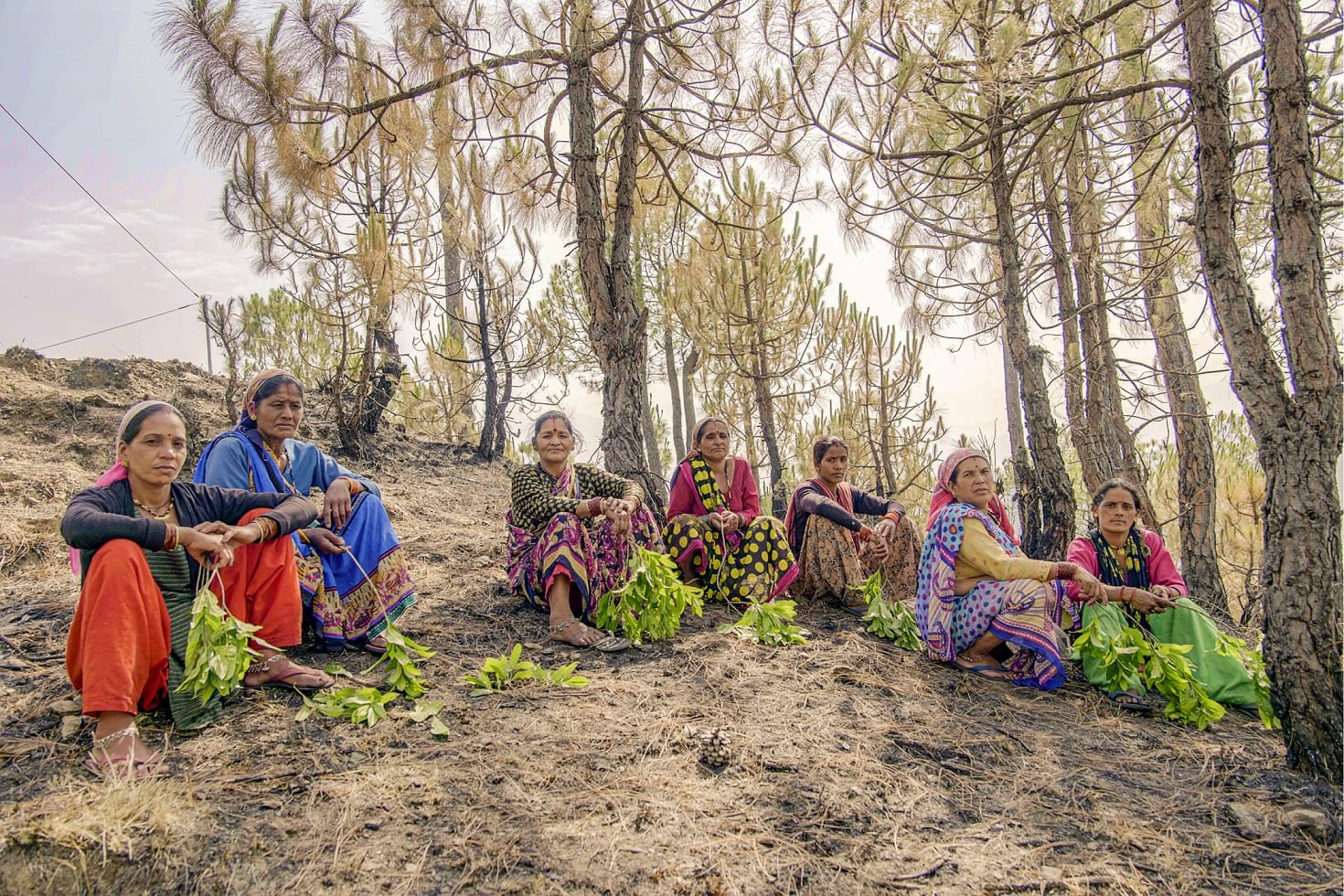
Photo: Shawn Sebastian
Forest officials also say that managing forest fires is not possible without the community’s participation. “We need a huge amount of manpower to handle the forest fires. We need a quick response,’’ says Mahatim, adding that a quick response can be achieved only if there is support from the villagers.
The collaborative efforts of the forest officials and the communities in Sitlakhet present a sustainable model which can aid in preventing and managing forest fires across the country. Capacity building of officials and communities and a real-time forest fire-only alert system are essential to managing fires.
While concluding a meeting to track their progress, Sonia affirms, “The forest is our life. It should remain the same for the future generations as it has been for us.”
Watch the full film here.
On a blistering summer morning in April, the road leading to Govindpura village in Rajasthan’s Jodhpur district spews dust. The temperature hovers around 45 degrees Celsius. The surface is distinctly red. However, the hilly terrain is a contrast to the sand dunes of the state.
Overlooking the hills from the edge of his farm, Shiv Prakash, a 31-year-old farmer, sheds light on how the climate has changed from his childhood. He observes a clear rise in temperatures and notes that the rainfall is insufficient to raise crops.
“Now we get rain only two to four times a year. But when it rains hard, the gushing water carries away all the topsoil and fertilisers and destroys the crops,” sums up Shiv, who lives with his wife and two children.
According to CEEW analysis, the frequency and intensity of extreme droughts has increased three-fold in the Jodhpur district since 1970. The overall scanty rainfall results in water shortage for farming and domestic use in Govindpura. On the other hand, the occasional heavy downpours result in water from the hills rushing downstream, destroying farmlands as well ase houses. The dual challenges left the village in a precarious situation for years.
Harbouring hope and unwilling to abandon their village, the people of Govindpura believed that they could change their circumstances through collective effort. A decade and a half ago, Shiv Prakash’s father and a group of villagers gathered together to think of solutions. They formed a Village Development Committee (VDC) and collaborated with a grassroots organisation — Gramin Vikas Vigyan Samiti (Gravis). Together, they decided that the flow of water downstream from the hills must be checked and the water stored. They built several structures such as check dams, ponds and rainwater harvesting tanks.
Walking on a check dam, Ramesh Mali, the field coordinator of Gravis, says that these structures were built using the community’s traditional wisdom. They used locally sourced stones and sand as construction materials.
“The main idea is to arrest the flow of water from top to bottom,” Ramesh says, gesturing the flow of water from the hills downstream. Even though there is less water in the check dam during peak summer months, during the monsoons, rainwater from the hills fills to the brim. Ramesh shows a picture of the check dam during monsoons, where it resembles a pristine lake.
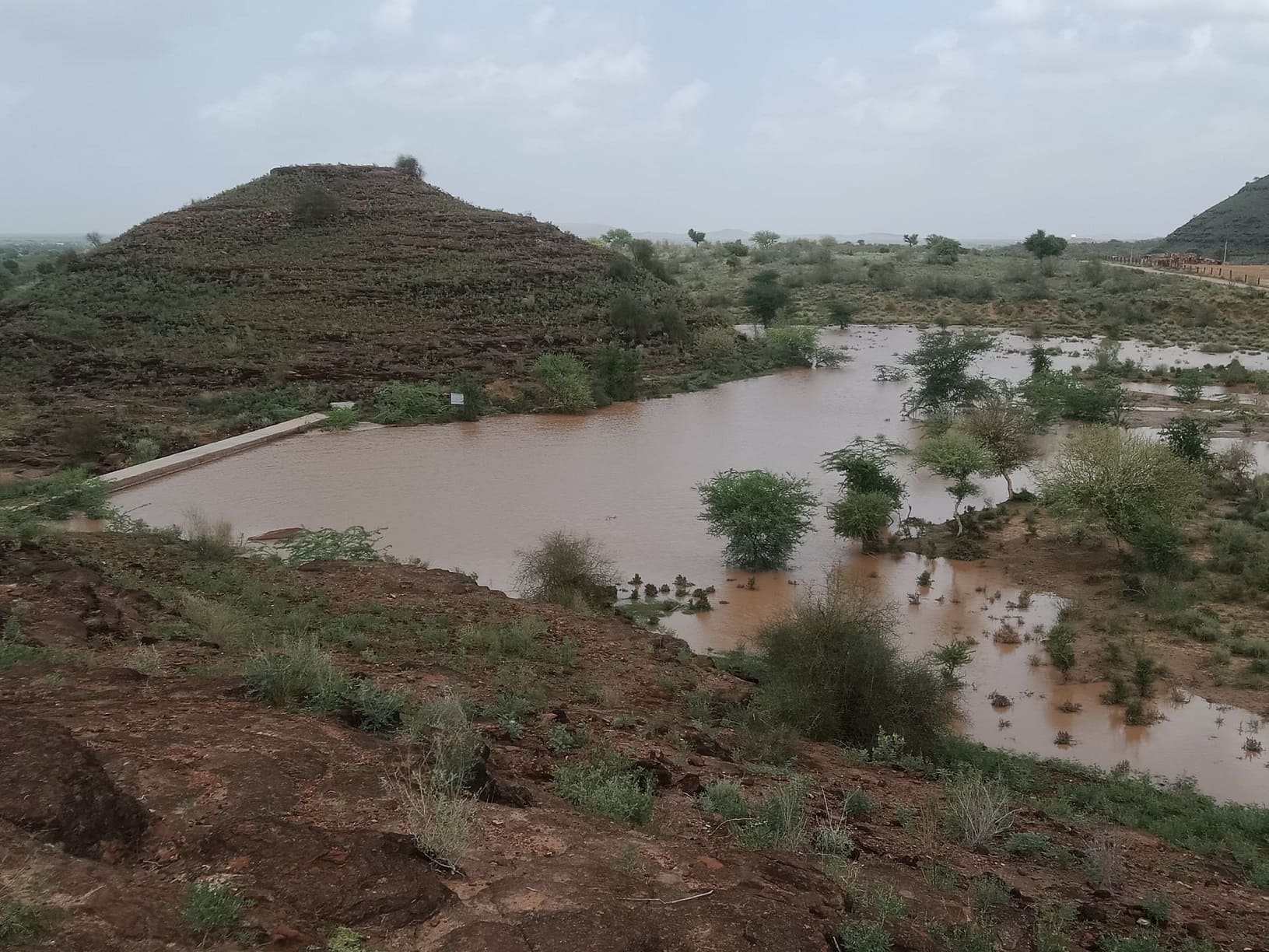
Photo: Gravis
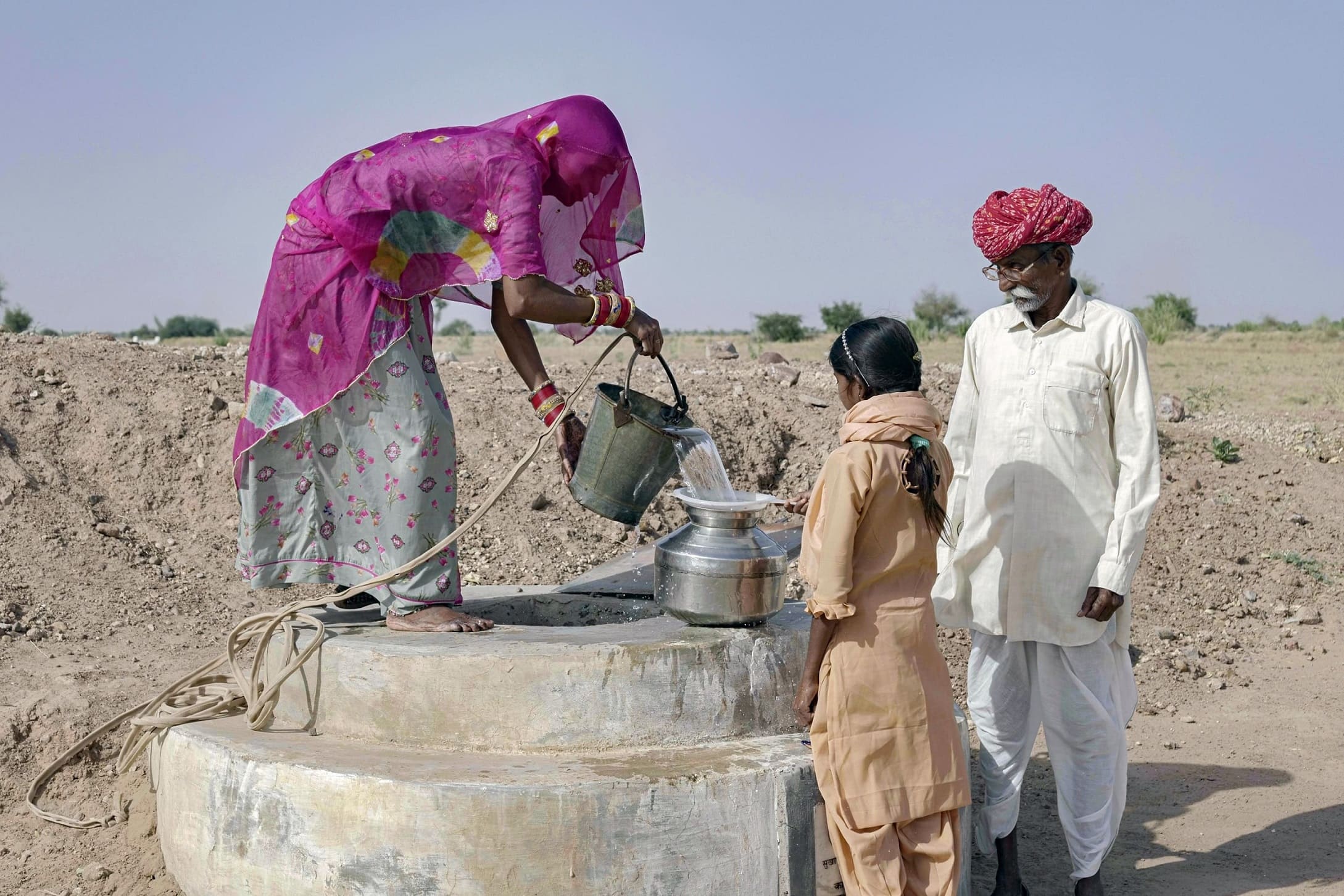
Ramesh says that in addition to slowing the flow of water, the structures also aid in recharging ground-water substantially. “As a result, many farmers are now able to cultivate crops twice a year,’’ he adds.
The structures proved to be a game changer for farmers like Shiv Prakash who had once thought of migrating from the village. “Since these structures were made, we haven’t suffered losses,’’ says an elated Shiv. He is confident that no matter how much it rains, the water will not rush towards the village and destroy crops any longer.
Structures like check dams aided in recharging ground-water substantially
Photo: Shawn Sebastian
“We can farm peacefully and the initiatives have made a positive impact on our lives,’’ says Shiv.
Govindpura’s example, where a challenge was turned into an opportunity successfully, shows that rainwater harvesting through traditional watershed infrastructure can prevent soil erosion and mitigate extreme droughts.
Watch the full film here.
The sound of thin wood beating against each other in harmony reverberates in the air in Chendamangalam, Kerala. At a workstation behind her home in this village in Ernakulam district, 55-year-old Ramla Gopalan pulls down a wooden lever of a loom as her feet pedal along; inch by inch, prints appear on a white cloth attached to her loom.
Chendamangalam has gained fame for its vibrant handloom culture over the years. The craft has been passed on through generations, and numerous weavers depend on it for their livelihood. But the weavers of Chendamangalam were caught off guard in 2018.
The devastating Kerala floods damaged several weaving units, especially those at weavers’ houses. With all the stock and machinery damaged by floodwaters of the overflowing Periyar river, the weaving community were in despair. The losses suffered evince how climate hazards could threaten livelihoods. According to CEEW analysis, Ernakulam district has recorded a five-fold increase in the frequency and intensity of extreme floods since 2010.
Recalling the peak of the flooding in 2018, Ramla says, “We couldn’t tell our houses from the roads. We had never seen anything like that in our lifetime.”
At the veranda of her house, Ramla marks the top edge of the main entrance door to indicate the water level during the flood. “Our workshed was flooded, and we found everything inside ruined,” she sighs. After spending days at a relief camp, they returned to find muddied yarn and destroyed looms.
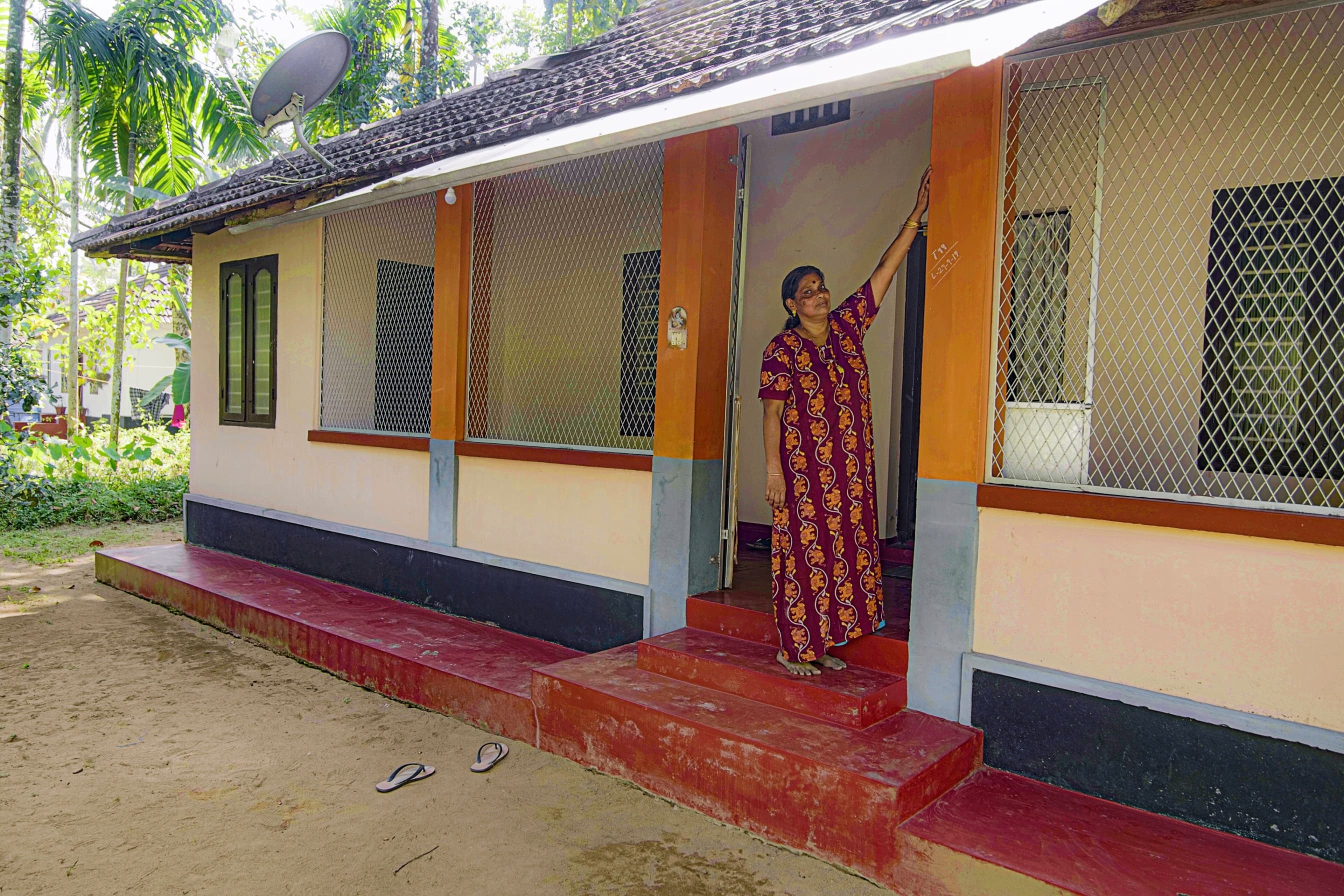
Photo: Shawn Sebastian
Ramla observes that several canals, which naturally drained water in the locality, were filled over the years to build roads and houses. Several experts have also pointed toward drastic changes in land use patterns for the devastating 2018 floods. According to CEEW analysis, over 64 per cent of Kerala’s districts, including Ernakulam, have undergone significant changes in land-use and land-cover attributes, thereby, triggering climate extremities.
Rama, another weaver, says that flooding, though not as grave as in 2018, is common in the locality because of the southwestern monsoon from June to August. “Due to erratic rainfall and changes in climate, it now floods even in December and January,” she says.
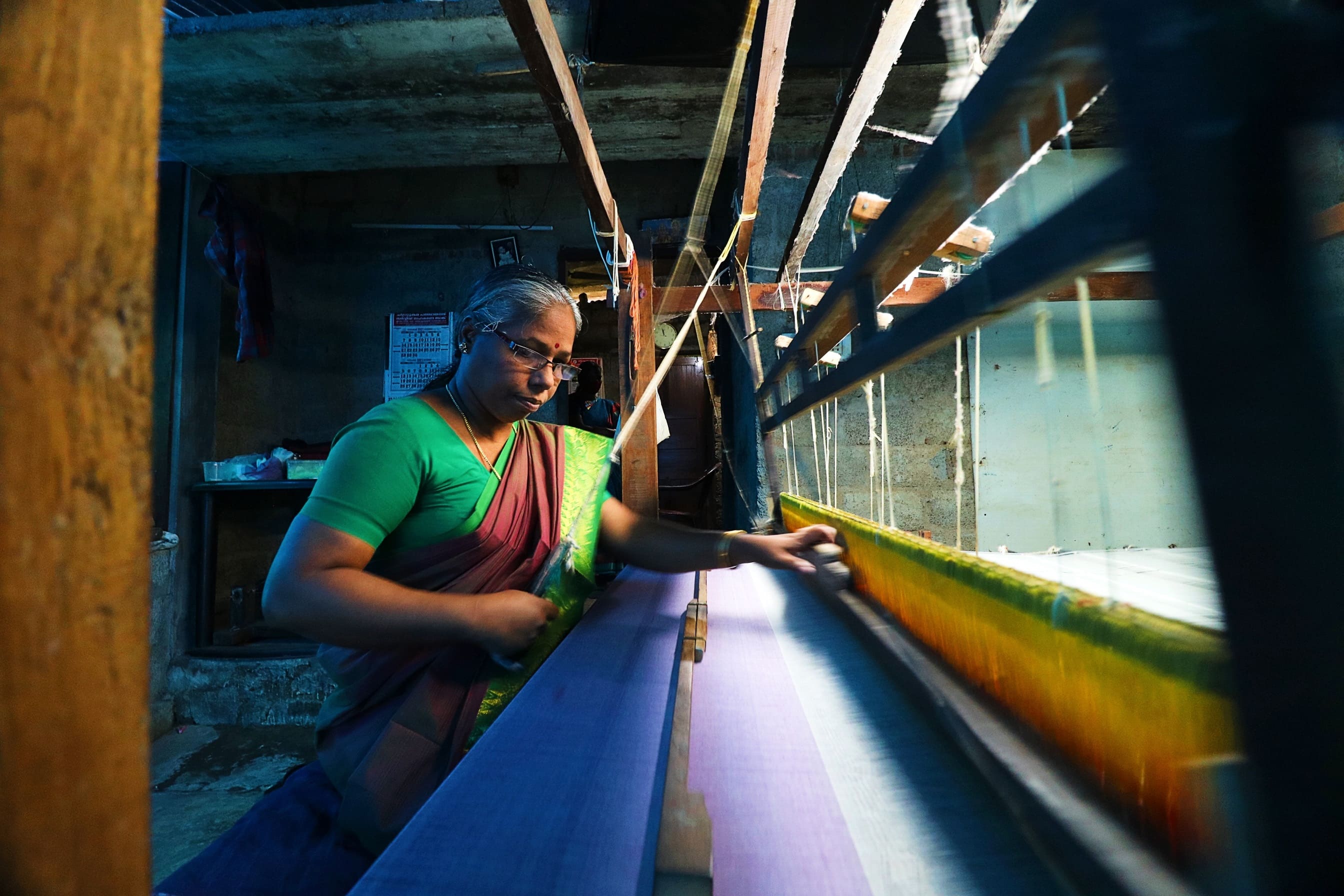
Photo: Milan George Jacob
Priyadarshini Gopalan, Secretary of the North Paravur Weavers Cooperative, of which Ramla and Rama are members, says that since 2018, the weavers — especially those living in low-lying areas — have been living in fear in anticipation of another flood.
“The cooperative society took the lead in repairing the damaged work units of about 100 weavers,” says Priyadarshini. After the events of 2018, the weavers are more alert and prepared in the event of another flood, she adds.
“As a precautionary measure, if the weavers run out of yarn, they do not order the next batch until the rainy season subsides,’’ she says, adding that it is now a common practice to hang the leftover stocks at a higher level.
In order to avoid a repeat of 2018, the weavers want the authorities to provide early and accurate warnings. This would give them enough time to make sure that as many of their assets as possible are moved to safety.
The lessons from Chendamangalam are mixed. While the weaving community suffered huge economic losses due to the floods, they have also become more conscious of the potential climate risks and the need to build resilience. Above all, the community realised that conserving natural ecosystems and receiving accurate early warnings could minimise losses due to increasing climate risks.
Watch the full film here.
Barely five kilometres off the bustle of India’s financial hub — the city of Mumbai — Kalpana wakes up to a deceptively green expanse. Unlike most other Mumbai residents, who open their windows to each other’s balconies, she has the view all to herself — only because no one wants to share it.
The 31-year-old raises her three children by a vast wetland that floods every time it rains. Kalpana is one amongst the 40,000 residents of Ambojwadi, an informal settlement in northwestern Mumbai that is highly vulnerable to the impacts of climate change. Living in a low-lying area, surrounded by wetlands, mangroves and the coastline, they are amongst the first to be affected by floods and cyclones.
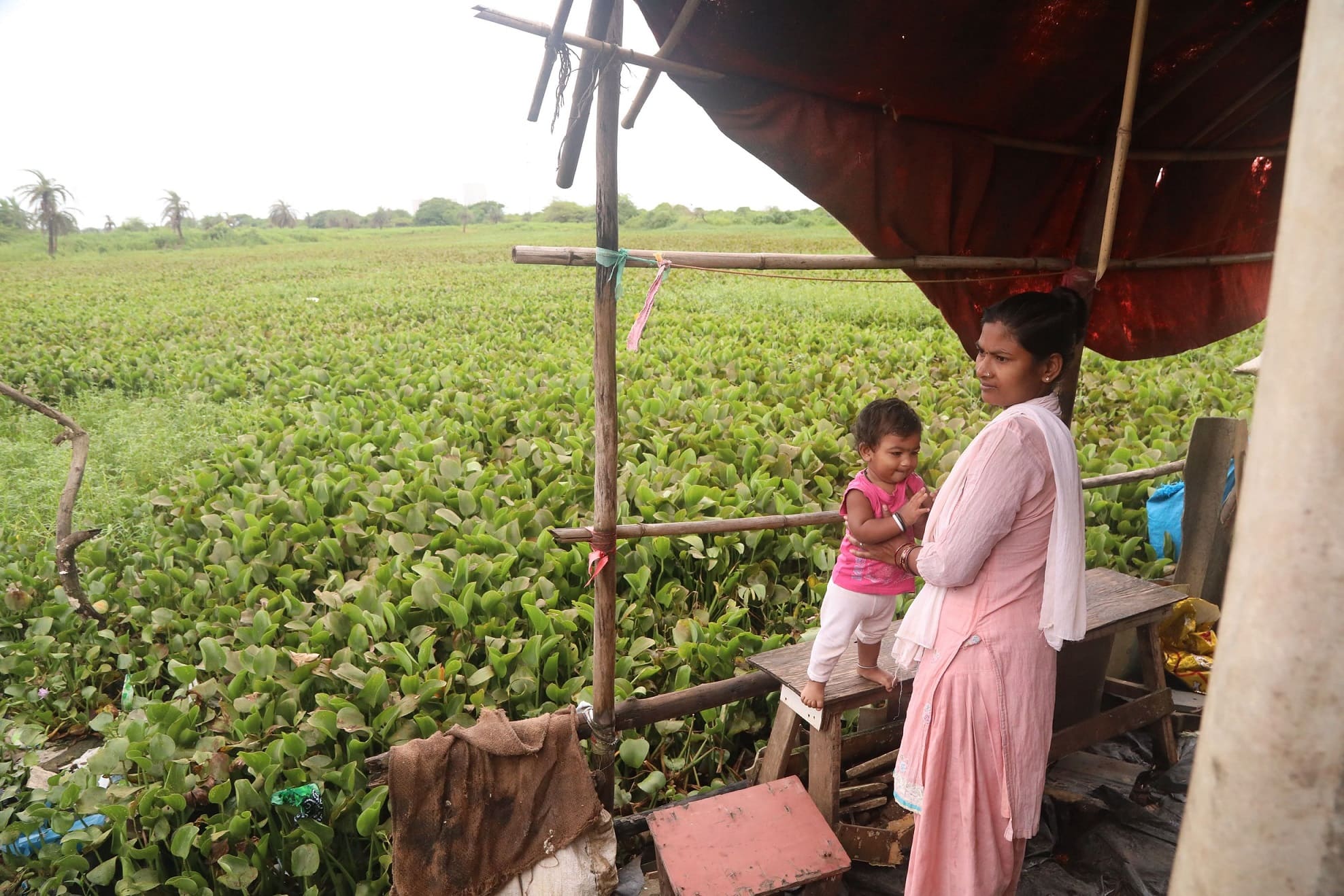
Photo: Shawn Sebastian
According to CEEW analysis, Mumbai district has recorded a three-fold increase in the frequency of extreme floods and a two-fold increase in the frequency of extreme cyclones since 2010.
Most of Kalpana’s neighbours flee their homes every monsoon. Those who can’t afford the seasonal migration collectively devise plans to stay afloat. “The climate has definitely changed over the last 10-12 years,” Kalpana says as she walks up to a common borewell to fetch two pots of water for her seven-member family. “I am worried for my children, especially when there are storms that can easily blow away our roofs.”
As a disaster is imminent, Kalpana and her neighbours want to be prepared. They have been surveying the climate-vulnerable areas in their settlement and building a first-response team with the help of a Mumbai-based community organisation, YUVA.
“This exercise was very useful. We don’t want people to get caught off guard in the event of a climate disaster,” says Amit, YUVA’s field coordinator in Ambojwadi. The team surveyed the settlement to identify areas more prone to flooding and cyclones.
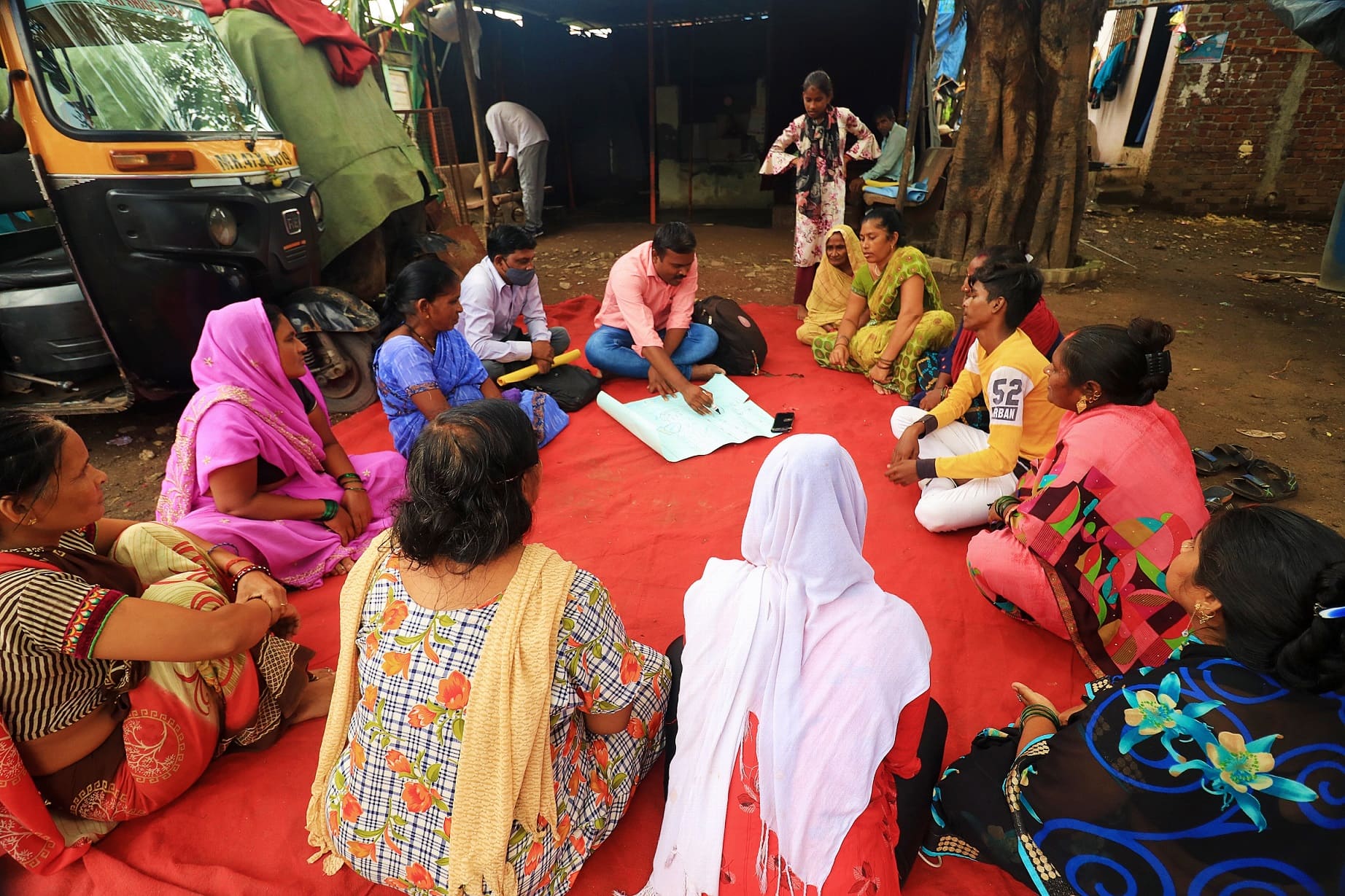
The community marked the areas prone to flooding to prepare themselves for any extreme weather event. They also formed a first-response team and trained its members.
Photo: Milan George Jacob
The first-response team, formed with the participation of community leaders, women and youngsters, has been working closely with the civic government departments to deal with emergencies in the event of heavy rainfall or cyclone. They were even called in to support a rescue mission in the adjacent settlement, Malwani.
Amit points out that the settlement has become more vulnerable after a large stretch of protective mangrove forest was destroyed for infrastructure projects. To raise awareness about the importance of mangrove conservation, YUVA has been engaging youngsters in the settlement through murals, street plays and film shows.
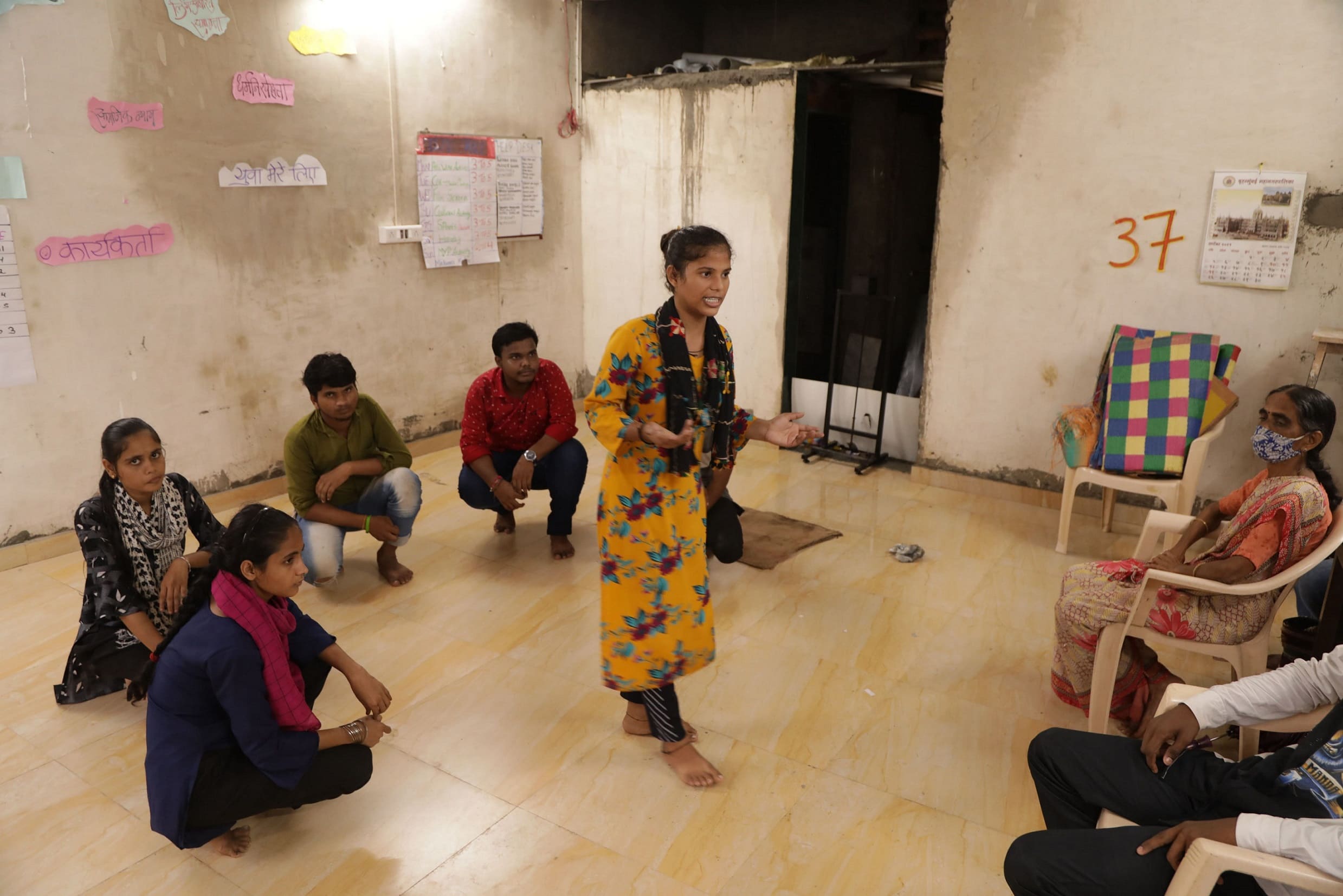
Youngsters from the Ambojwadi settlement prepare for a street play to raise awareness on mangrove conservation and their importance in preventing flooding.
Photo: Shawn Sebastian
“We’re collectively trying to be better prepared as a community so that we can fight climate change in our own capacity,” Amit says.
Watch the full film here.
30 Aug 2022 | 1000 – 1500 IST
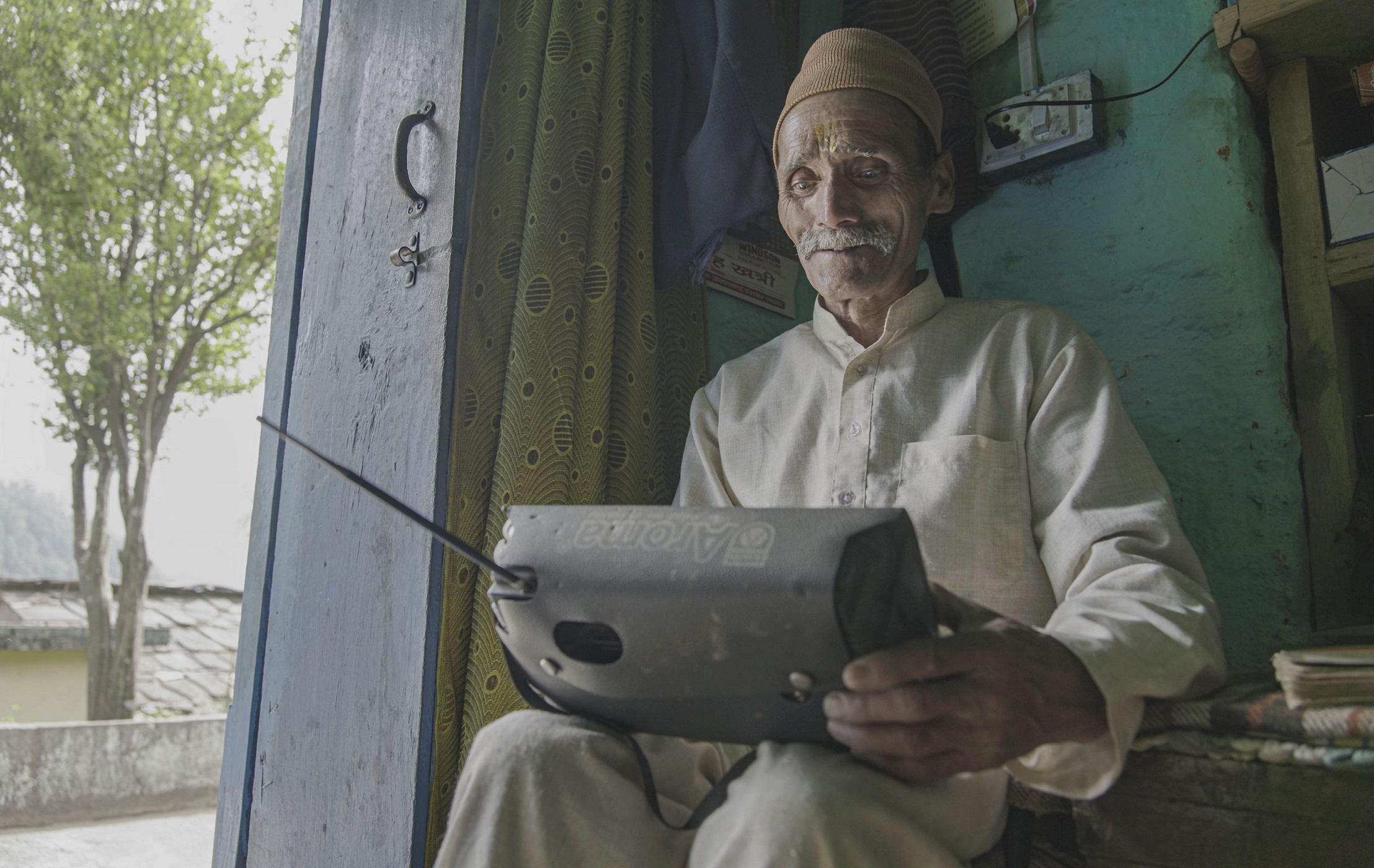
The National Dialogue ‘How can India make climate information people-centric?’ hosted by the Council on Energy, Environment and Water (CEEW) and the India Meteorological Department (IMD) aims to address the urgent need for a people-centric and comprehensive Multi-Hazard Early Warning System (MHEWS) at the national and sub-national levels to increase the resilience of India’s most vulnerable communities to extreme hydro-met disasters.
The Dialogue will bring together key stakeholders, including central agencies like the National Disaster Management Authority (NDMA) and IMD, state agencies like the State Disaster Management Authorities, meteorological agencies, etc., to improve impact-based forecasting and end-to-end information dissemination, and to encourage accurate and timely warnings to vulnerable communities. The Dialogue further aims to discuss the gaps around the availability, accessibility and effectivity of EWS/MHEWS that need to be addressed to enhance community and organisational resilience and the best practices to climate-proof lives, livelihoods, infrastructure and economies.
Dr M. Ravichandran
Secretary
Ministry of Earth Sciences (MoES)
Kamal Kishore
Member Secretary
National Disaster Management Authority (NDMA)
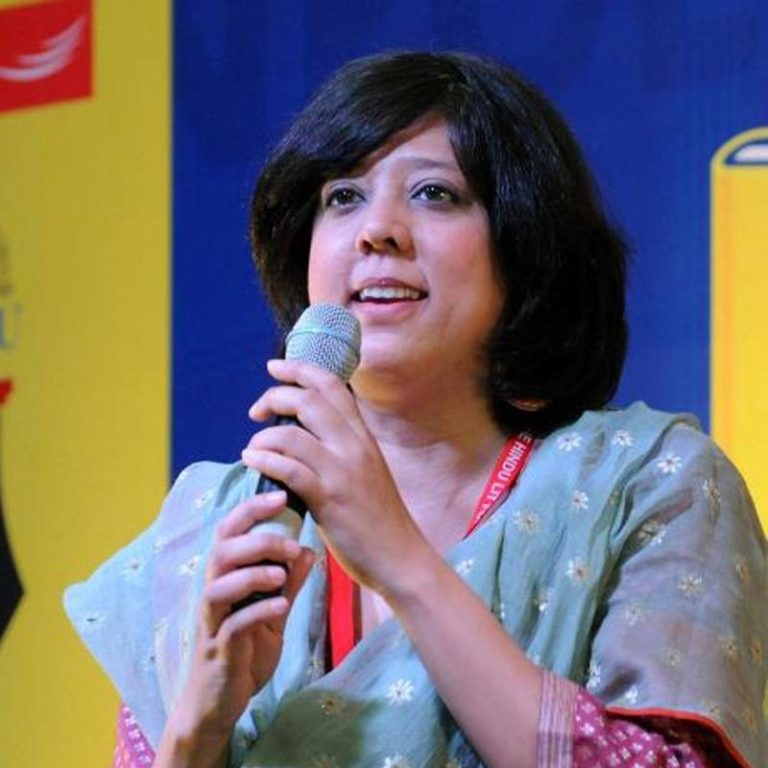
Bahar Dutt
Environment Journalist
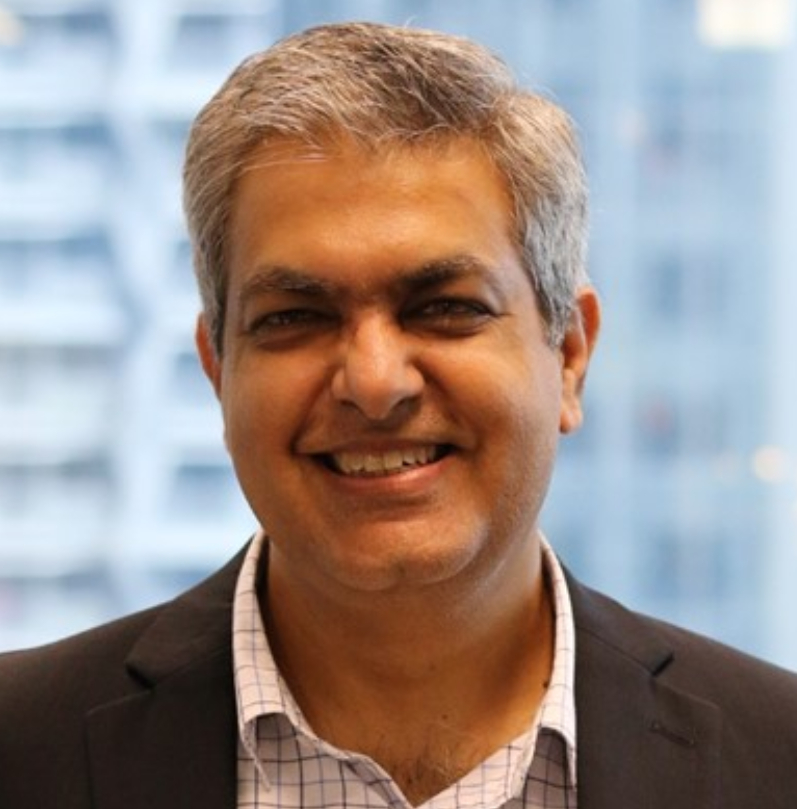
Amit Prothi
Director General
Coalition for Disaster Resilient Infrastructure (CDRI)

Krishna S. Vatsa
Member
National Disaster Management Authority (NDMA)
Harsh Gupta
IAS, Project Director
NCRMP (National Cyclone Risk Mitigation Project), NDMA
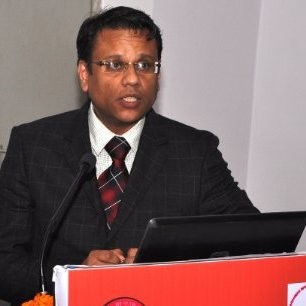
Dr Aakash Shrivastava
Additional Director and Head
Centre for Environmental and Occupational Health, Climate Change and Health, National Centre for Disease Control (NCDC)
Dr Madhavan Nair Rajeevan
Former Secretary
Ministry of Earth Sciences
Pradeep Jena
IAS, Development Commissioner-cum- Additional Chief Secretary and Managing Director
Odisha State Disaster Management Authority (OSDMA), Government of Odisha
Supriya Sahu
IAS, Additional Chief Secretary
Department of Environment, Climate Change & Forests, Government of Tamil Nadu

Dr Uday Kant Mishra
Vice Chairman
Bihar State Disaster Management Authority (BSDMA), Government of Bihar
Prof Janki Andharia
Dean of the School of Disaster Studies
Tata Institute of Social Sciences (TISS), Mumbai

Stefania Benaglia
EU-Asia, Public Diplomacy expert,
Center for European Policy Studies (CEPS)
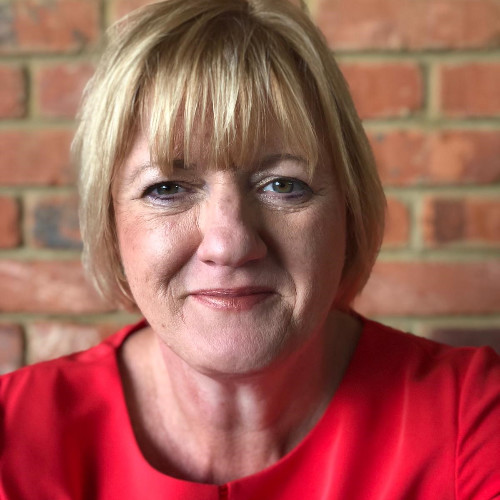
Valerie Risk
Vice President
Everbridge (International)

Arunabha Ghosh
CEO
CEEW
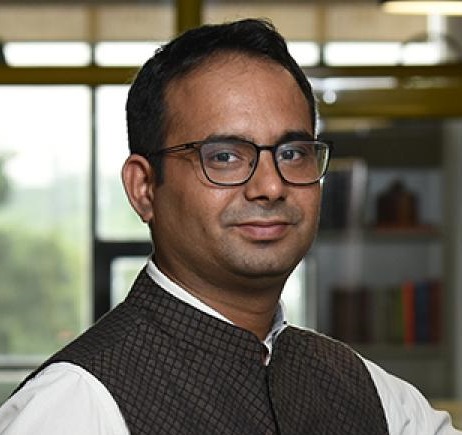
Dr Vaibhav Chaturvedi
Fellow
CEEW
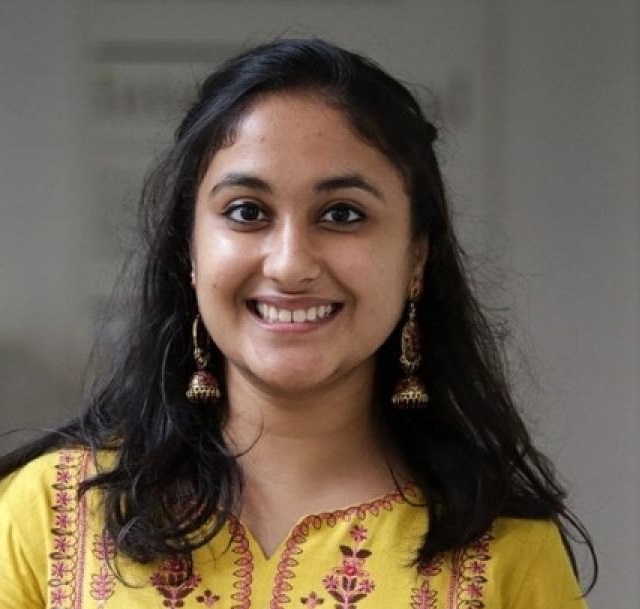
Shreya Wadhawan
Research Analyst
CEEW
28 Jul 2022 | 1800-1915 IST (1430-1545 CET | 0830-0945 ET)


As the climate crisis compounds globally, solar radiation management (SRM) is emerging as a potential technology to try and slow, or even reverse, climate change. The uncertainty, severity, and ubiquity of the potential impacts of SRM make its research and governance an absolute prerequisite. Currently, there is no governance mechanism to regulate such research, facilitate exchange of findings, or govern impacts.
This webinar brings together experts in the field of atmospheric chemistry, climate change economics, public policy, and geoengineering, to deliberate on the challenges of governing SRM research, development, and deployment.
We will also discuss the key findings from two recently launched reports: Solar Radiation Modification: Governance Gaps and Challenges and Solar Geoengineering and the Montreal Protocol: A Case for Global Governance.
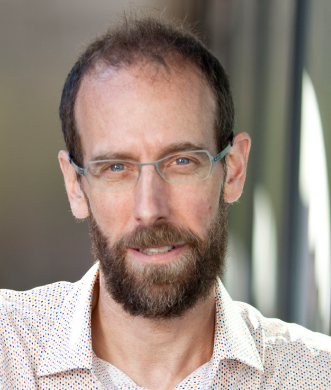
David W. Keith
Gordon McKay Professor of Applied Physics
Harvard John A. Paulson School of Engineering and Applied Sciences

Ana Maria Kleymeyer
International Law and Policy Advisor
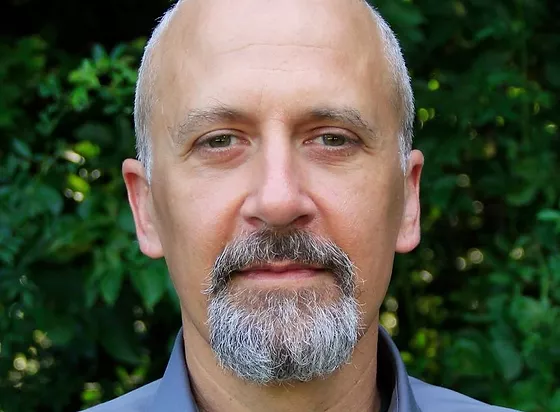
Jesse Reynolds
Senior Policy Officer
Global Climate Overshoot Commission, Paris Peace Forum

Christine Merk
Deputy Director
Research Center Global Commons and Climate Change Policy, Kiel Institute

Masahiro Sugiyama
Associate Professor
University of Tokyo

Janos Pasztor
Executive Director
C2G
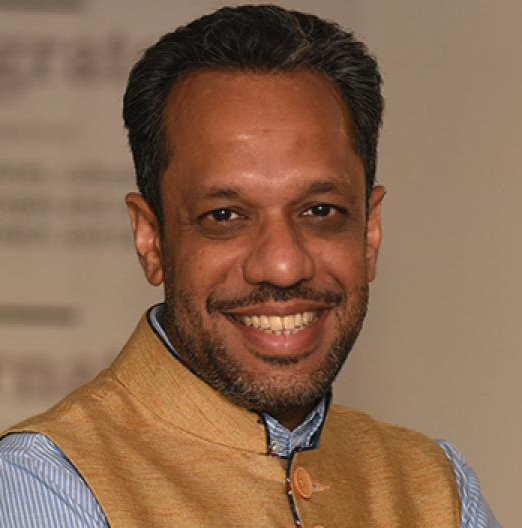
Dr Arunabha Ghosh
CEO
CEEW