Council on Energy, Environment and Water Integrated | International | Independent


Earlier this year, the Ministry of Power, Government of India, announced its ambitions to make the agricultural sector diesel-free by 2024, by switching to renewable energy (RE). The announcement is in line with India’s commitment to achieving net zero by 2070. Additionally, it will also reduce India’s import expenditure on crude oil, which nearly doubled in the fiscal year 2021-22 and stood at USD 119 billion.
After transportation, the agricultural sector is the second largest consumer of diesel in India. Among 30 million conventional agricultural pumps in India, ten million run on diesel. Therefore, harnessing solar energy for irrigation is crucial to enable ‘diesel free’ farms.
So far, the deployment of solar pumps have been limited, with only 380,000 units in operation. Moreover, most of the existing deployments are of higher capacity (2 horsepower (hp) and above). Interestingly, higher capacity pumps can effectively meet the irrigation needs of only 32 per cent of farmers who own land over one hectare. Whereas micro solar pumps, which are typically less than 1 hp in size, can meet the irrigation needs of 68 per cent of farmers who are marginal farmers and own land less than one hectare. But current schemes have not focused on micro solar pumps thus far.
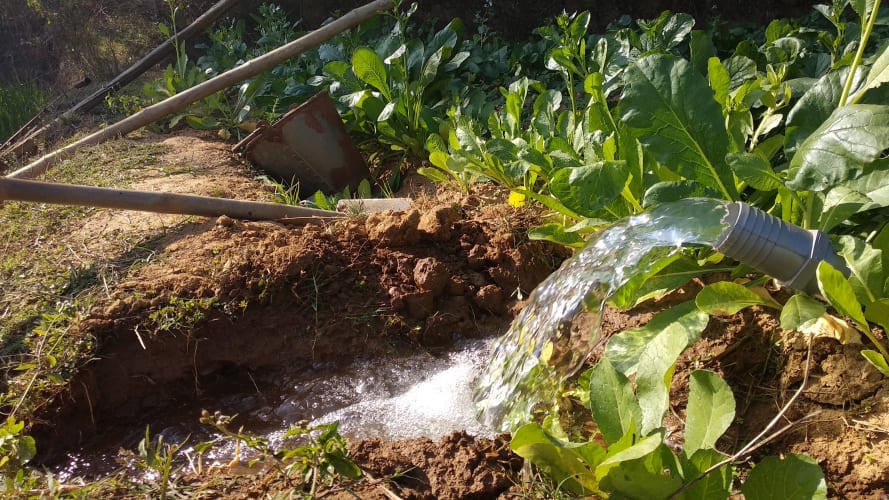
Source: CEEW
A report by the Council on Energy, Environment and Water (CEEW) estimates that micro solar pumps offer a market opportunity of INR 48,000 crore to meet irrigation demand. An additional opportunity of INR 10,000 crore exists for animal husbandry application, where these pumps can help improve access to water for livestock.
More than 9 million micro solar pumps could be deployed across India, impacting the lives of at least those many marginal farmers. However, realising this impact would require a focused effort along five key areas.
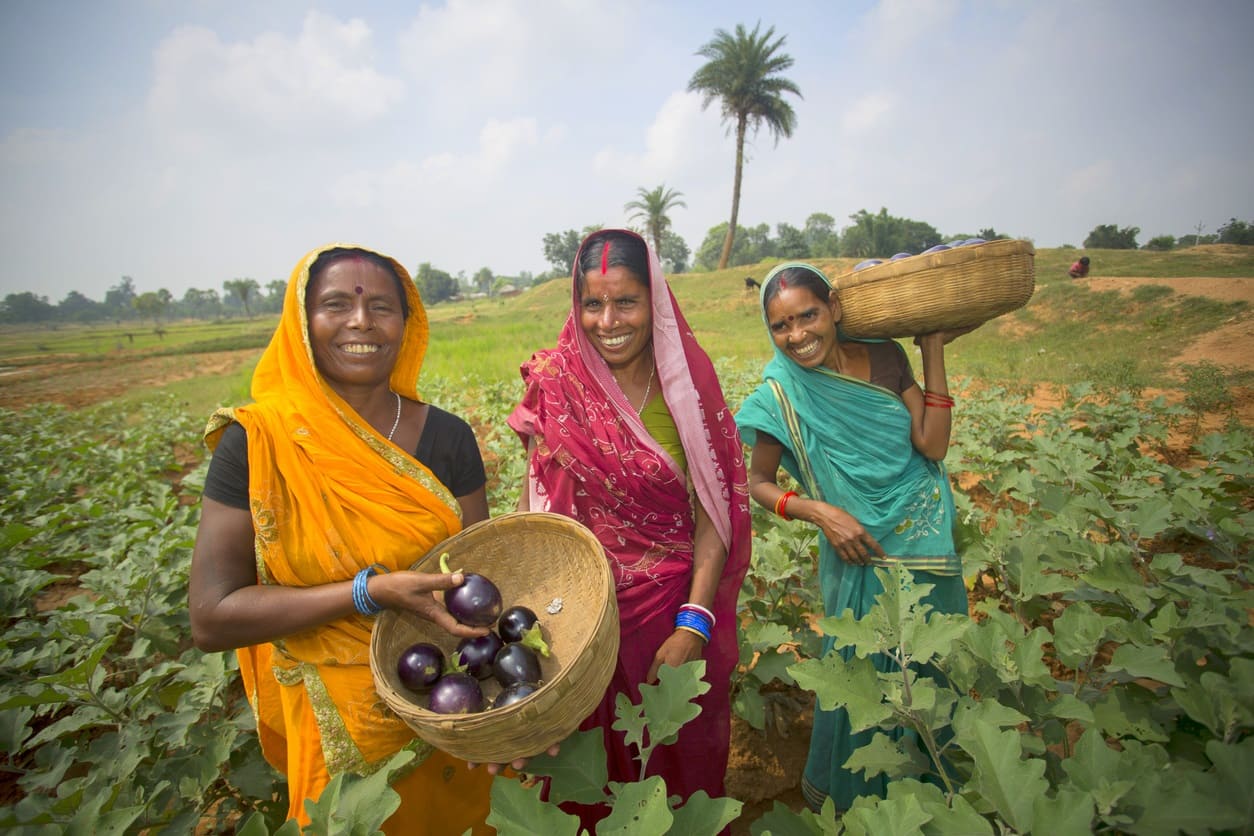
First, include micro solar pumps in schemes to generate interest. The exclusion of micro solar pumps from subsidy schemes creates an uneven playing field, where it competes against heavily subsidised (60–90 per cent subsidy) high-capacity pumps. As a result, most farmers, including marginal farmers, are tempted to purchase higher capacity pumps even if they do not need them. Hence, both national and state schemes should include micro solar pumps in existing schemes and recommend pump sizes to farmers in line with their needs.
Source: iStock
Second, revise the approach to pump performance standards to encourage innovation. Currently, for the micro pumps category, the Ministry of New and Renewable Energy (MNRE) has given performance standards for 250 W, and 500 W pumps only. Instead of fixed size-based performance benchmarks, MNRE should consider performance benchmarks on a per Watt basis, allowing innovators to design pumps of various capacities that can receive government support.
Third, adopt output-based instead of input-based tendering. Prevailing tendering approaches for solar pumps are based on the input (hp) capacity of pumps rather than their output. For example, if a tender for micro solar pumps is limited to 500W pumps, a more efficient pump with lower capacity but with an output equivalent of 500W is not considered. Hence, national and state agencies should adopt a water output–based tendering approach to support more efficient solutions.
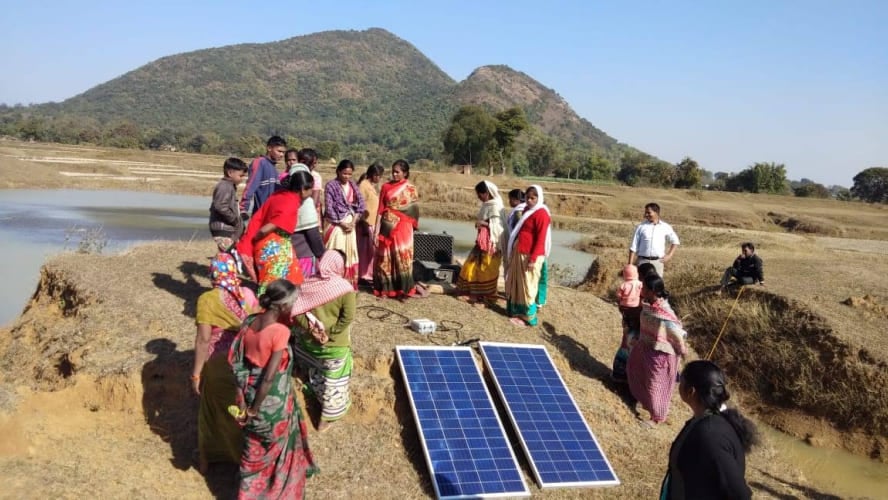
Fourth, support demonstrations to boost stakeholder confidence. A key reason for the sparse deployment of micro solar pumps has been a lack of awareness about their potential amongst the end-users, financiers, and state officials. The central ministry should work with State Nodal Agencies, State Rural Livelihood Missions, and other relevant departments to support 1,000 micro pumps in each high-priority district in the country.
Source: CEEW
Finally, improve access to end-user financing to enable deployment at scale. The PM KUSUM scheme, so far, has aided the adoption of solar pumps in India. However, there are around 100 million marginal holdings and providing solar pumps to all through subsidies is difficult. A majority of these pumps cost anywhere between INR 30,000 – 60,000. Access to finance is critical to enable the adoption of these pumps. By working with anchor organisations like National Bank for Agriculture and Rural Development (NABARD), MNRE should extend risk guarantees to financial institutions to unlock financing for micro solar pumps.
Further, institutions like NABARD can help build the capacity of the regional banks around the potential of micro solar pumps, thereby improving their confidence in the technology.
To conclude, the adoption of micro solar pumps by marginal farmers can have multiple benefits: reducing irrigation costs, reducing harmful local and global emissions, enhancing cropping cycles, increasing farmers’ net incomes and hence enhancing the resilience of the most vulnerable farmers.
However, challenges such as the absence of subsidies, inflexible performance standards and inefficient tendering processes hinder the large-scale adoption of micro solar pumps. Hence, a coordinated effort to support access to finance, targeted policy, awareness generation and technological innovation is required to enable the deployment of micro solar pumps at scale. This could help India achieve its ambitions of diesel free farms by 2024 and also contribute to the efforts around net zero by 2070.
Notes
https://www.koanadvisory.com/wp-content/uploads/2019/06/Micro-SWP-Koan-Advisory-Final-Report.pdf
https://www.deccanherald.com/national/centre-targets-to-end-diesel-use-in-farms-by-2024-1080509.html
https://mnre.gov.in/img/documents/uploads/8065c8f7b9614c5ab2e8a7e30dfc29d5.pdf
https://loksabhaph.nic.in/Questions/QResult15.aspx?qref=41907&lsno=17
Wase Khalid is a Programme Associate at the Council on Energy, Environment and Water (CEEW), an independent not-for-profit policy research institution. Send your comments to [email protected]
A detour from the national highway 120 km north-west of Pune, Maharashtra, takes one to a 45-year-old farmer Rajendra Khapre’s farm in Ahmednagar — one of the most drought-prone districts in India. Rajendra has a small land holding. He has been practising agriculture in a region where the soil is of low fertility and requires more fertilizers and water. Now, he also has to cope with erratic rains and longer, harsher summers — the impacts of climate change.
“In 2005, 2007, 2013 and 2016, Maharashtra faced massive droughts. Forget agriculture; we didn’t even have water to drink. Farmers abandoned their fields and migrated to cities for work,” Rajendra says.
Being a rain-fed area, people in the region had begun cultivating traditional crops that needed less water, such as millets, horse gram, moth bean and sunflowers. However, the water shortage has become acute in the last few years with unpredictable and declining rainfall, making agriculture unviable, Rajendra says.
According to CEEW analysis, the frequency and intensity of extreme droughts have increased 4X in the Ahmednagar district since 1970.
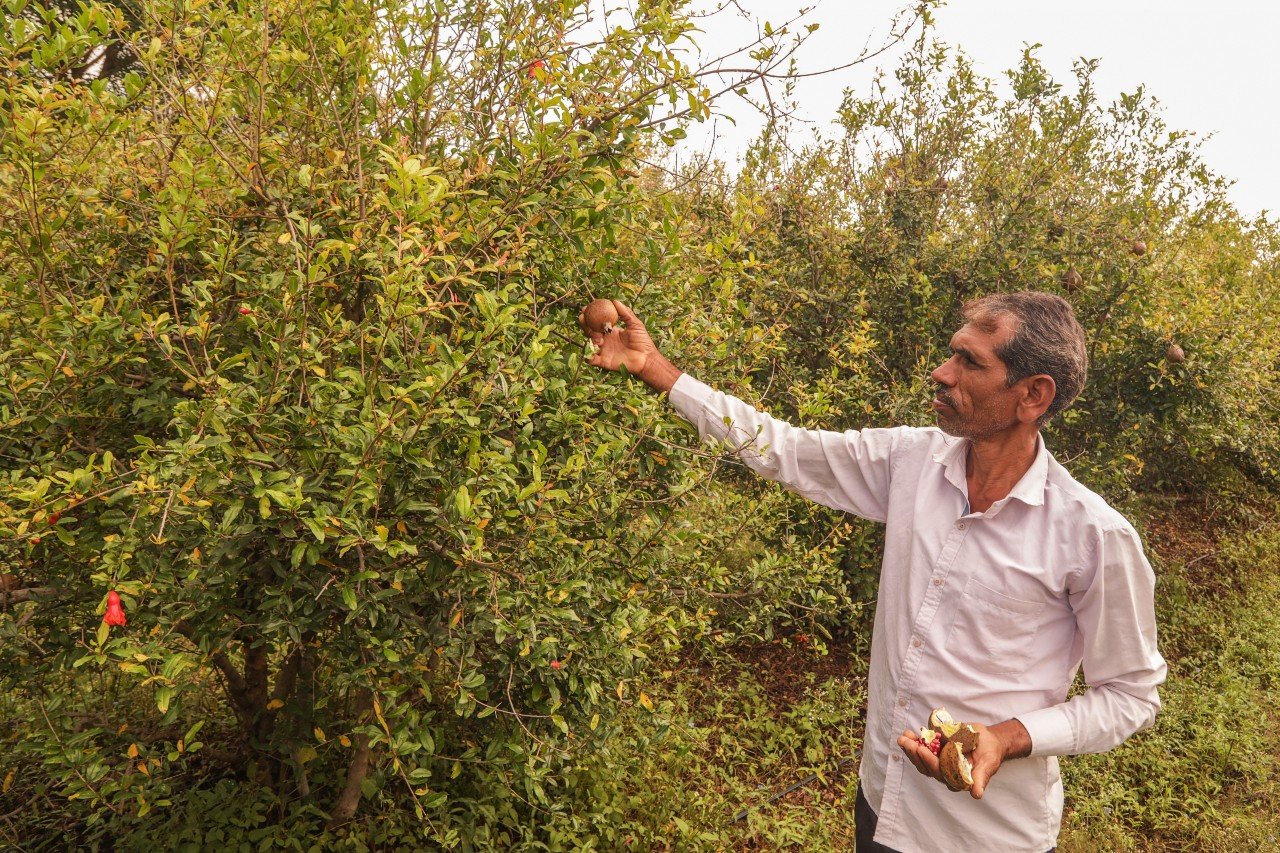
Photo: Shawn Sebastian
However, Rajendra and several other farmers have found ways to adapt to the challenges. They have taken to watershed management and efficient cropping techniques with the help of grassroots-level organisations.
“We benefited greatly from watershed programs that helped prevent run-off from the hills. Gradually, the groundwater recharged, replenishing water in wells and lakes,’’ Rajendra says.
Water availability also helped him shift to other crops, such as onion, soybean, pomegranate and papaya, which fetched more money in the market.
To adapt to droughts, Rajendra has also started burying diffusers connected to existing drip lines in his pomegranate garden. During dry spells, the diffusers help to optimise water usage as they keep the soil around the roots moist. The practice is an ideal example of using traditional wisdom to build resilience against the climate crisis.
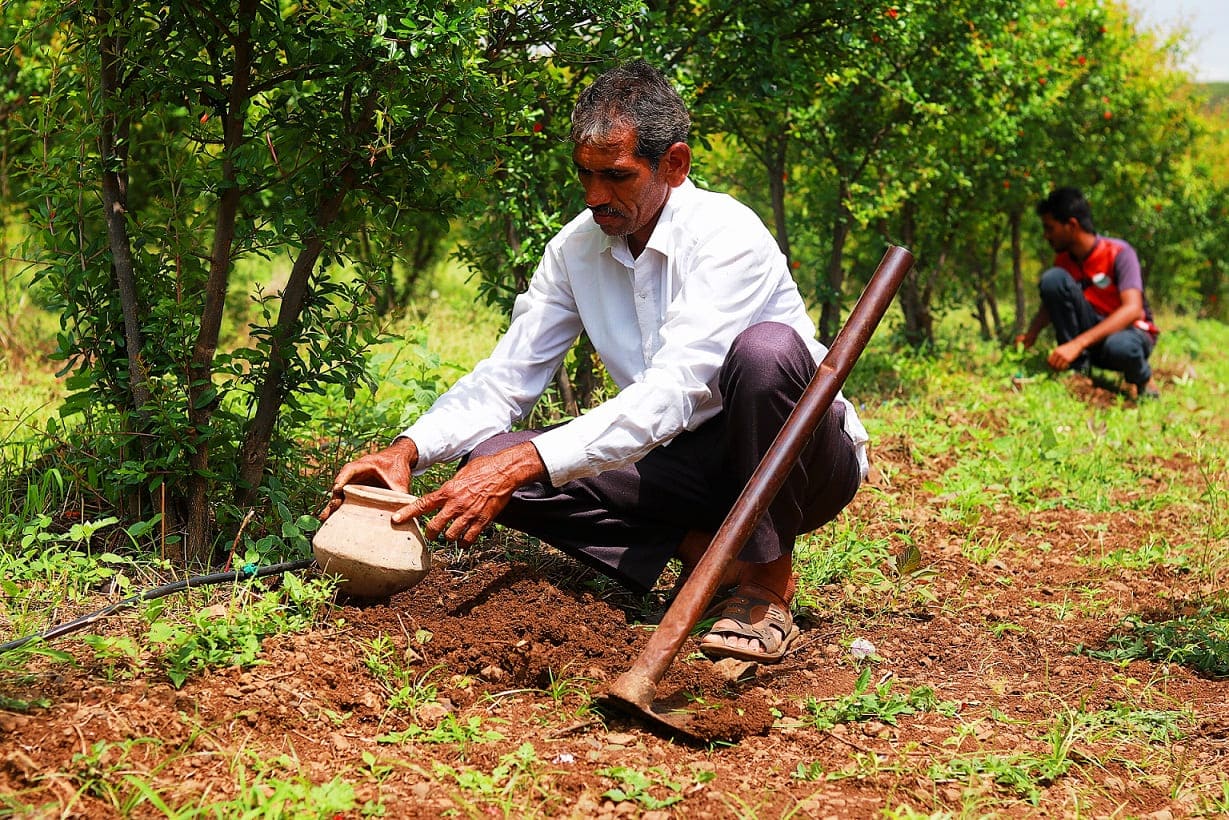
Photo: Milan George Jacob
Rajendra believes that only sustainable agricultural practices can help farmers fight climate change. “Chemical farming not only requires more water but also deteriorates soil quality. We must change our ways and shift to natural farming methods to adapt to impending climatic changes”. Climate-smart agriculture practices can promote effective water resource management and revitalise drought-prone ecosystems, especially in rain-fed areas.
Watch the full film here.
The Malwa region of Punjab houses several ‘high-burn’ districts and has the highest number of post-Kharif farm fires in the state. Currently, it accounts for over 80 per cent of the 40,000+ farm fires detected so far this year using satellite imagery in Punjab1.
Our last blog featured stories of stubble burning from Punjab’s Majha region. Field visits to the area presented challenges such as high operational costs of crop residue management (CRM) machines as well as small-scale solutions to the problem.
Recognising the importance of the Malwa region for paddy residue burning, we spent the second fortnight of October visiting Sangrur, Ludhiana, Patiala, and Faridkot, which have witnessed a recent uptick in fire counts. We interacted with farmers, agri-entrepreneurs, the state agriculture department, and Krish Vigyaan Kendras (KVKs) to understand what keeps Malwa’s farms on fire.
In addition to the cost implications discovered in Majha, findings in Malwa include the dependence on the PUSA 44 variety of paddy, a preference for ex-situ2 CRM, and high supply chain costs.
Persistent use of high-yield paddy, lack of government support for crop diversification, and unseasonal rains have contributed to farm fires.
Higher fire counts in this region can be attributed to farmers’ preference for the long-duration PUSA 44 paddy variety. PUSA 44 is a high-yielding rice variety that matures in about 160 days after sowing, which leaves less time for CRM, and has a high straw load, which increases crop residue. Despite the state government and the Punjab Agricultural University’s attempt to discourage its use due to its long-duration and input-intensive production, farmers continue to prefer this rice variety owing to its higher yield compared to short-duration alternatives. During Kharif 2020, over 27 per cent3 of the area across the Malwa districts was under PUSA 44 (Figure 1).
When asked if there’s been any shift in recent years, agriculture officers in Ludhiana said that the crop mix has not changed since 2020. “While the area under PR 126, PR 121, and PR 122 (early maturing varieties) has increased, PUSA 44 remains the first choice for a sizable number of farmers. According to our estimates, 38 per cent of the area under paddy in Ludhiana is of the PUSA 44 variety,” said an officer.
The time crunch for crop residue management arising due to the high prevalence of the PUSA 44 variety in the region was also compounded4 by the late retreat of the southwest monsoon and unseasonal rains in the first week of October 2022.
Apart from the diversity in seed varieties of paddy, the state has also accepted the need for crop diversification. The state government’s announcement of procurement was meant to act as a fillip to crop diversification. However, views on the procurement of moong in Malwa and its implications for crop diversification were identical to our observations in Majha. Agriculture officers highlighted that the lacklustre procurement of moong will dent future prospects of diversification. One officer pointed out: “Moong was not procured at scale as it did not meet procurement parameters. The parameters should have been relaxed as farmers are not acquainted with cultivation practices. In any case, the INR 1,000 deficiency payment5 was not enough6 as farmers sold their produce for as low as INR 4,500/quintal compared to the MSP of INR 7,755/quintal.”
The number of in-situ crop residue management machines in Punjab has surged. In-situ refers to the management of crop residue within the farm. This is done via surface decomposition or incorporation into the soil. In-situ CRM is facilitated by machines such as mulchers and Super Seeders as well as microbial decomposers.
The prevalence of PUSA 44 and the delayed harvest are both potent barriers to no-burn CRM. However, in-situ7 CRM machines such as Happy and Super Seeders should theoretically have enabled farmers to shun residue burning. Backed by the central government’s subsidy scheme, the stock of in-situ CRM machines has swelled in the region. Between 2018 and 2020, farmers (individuals and groups) in Sangrur8, Ludhiana, Patiala, and Faridkot procured over 6,300, 4,850, 4,000, and 3,850 such machines respectively.
However, the effective utilisation of these machines is hindered by a lack of technical know-how, underutilisation of older machines, and most importantly, the additional expenditure required for no-burn CRM.
The state government did propose10 an incentive of INR 2,500 per acre to cover the additional expenditure, but the plan did not materialise. In the absence of monetary support for the operational expenditure of in-situ machines, the agriculture department is betting big on its Information, Education & Communication (IEC) activities. Agriculture officers in Ludhiana highlighted the department’s 168 CRM training camps and deployment of 10 vans to cover 600 villages informing farmers of no-burn technologies.
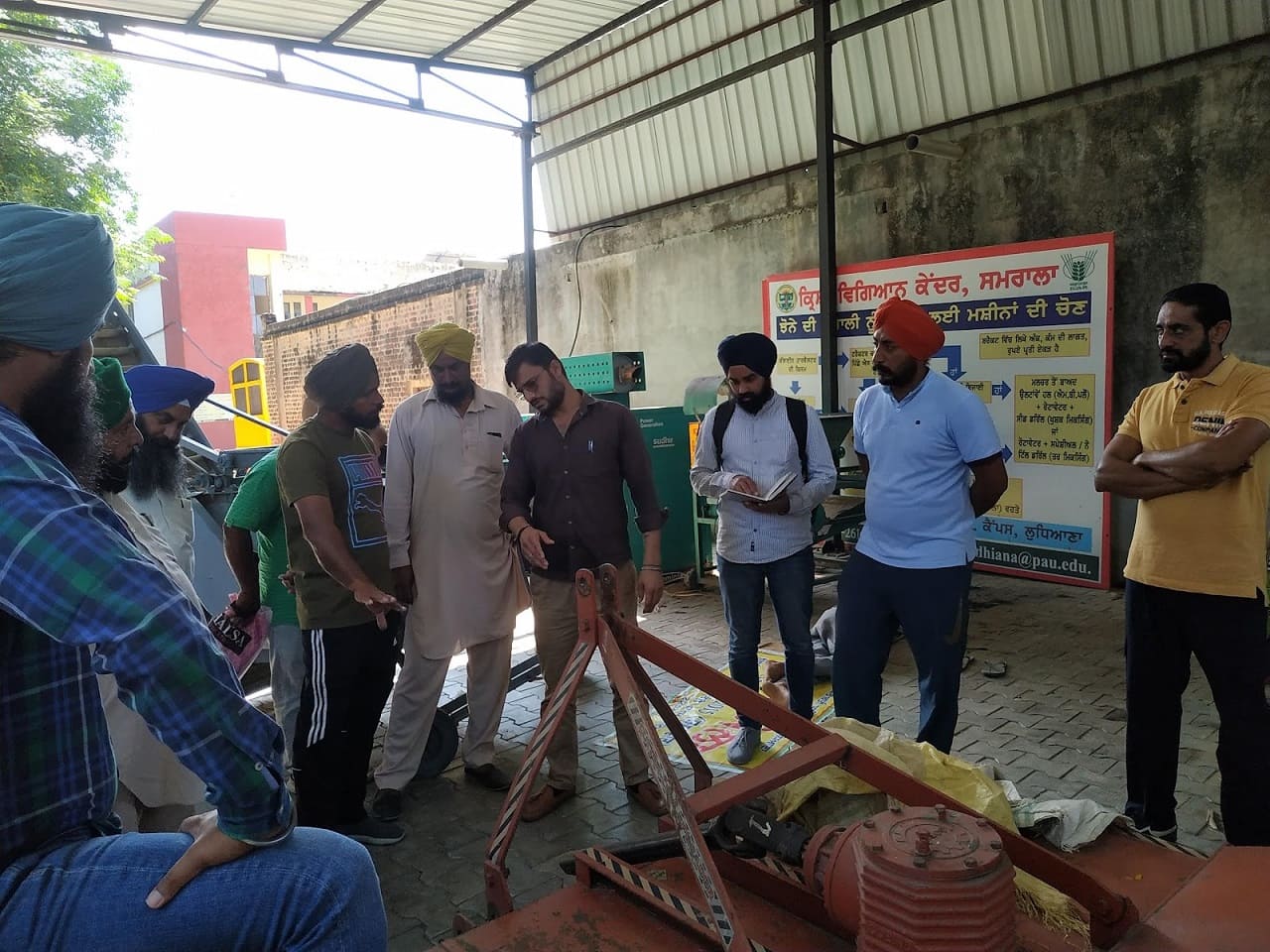
CEEW’s Ramandeep Singh at a training session on CRM organised by KVK Samrala (Ludhiana) Source: CEEW
A peculiar yet frequent observation in Malwa was farmers using Super Seeders after burning residue. The Super Seeder is a tractor-towed CRM machine that incorporates paddy residue into the ground while sowing wheat.
“Farmers are using the super seeder after partially burning11the stubble. This is common but not the norm. We cannot do much if farmers do not put our advice into practice,” an agricultural officer said. Although anecdotal, this shows that despite the scale of IEC activities, farmers' lack of technical know-how on in-situ CRM machines points to the need for reinvigorating agricultural extension education12.
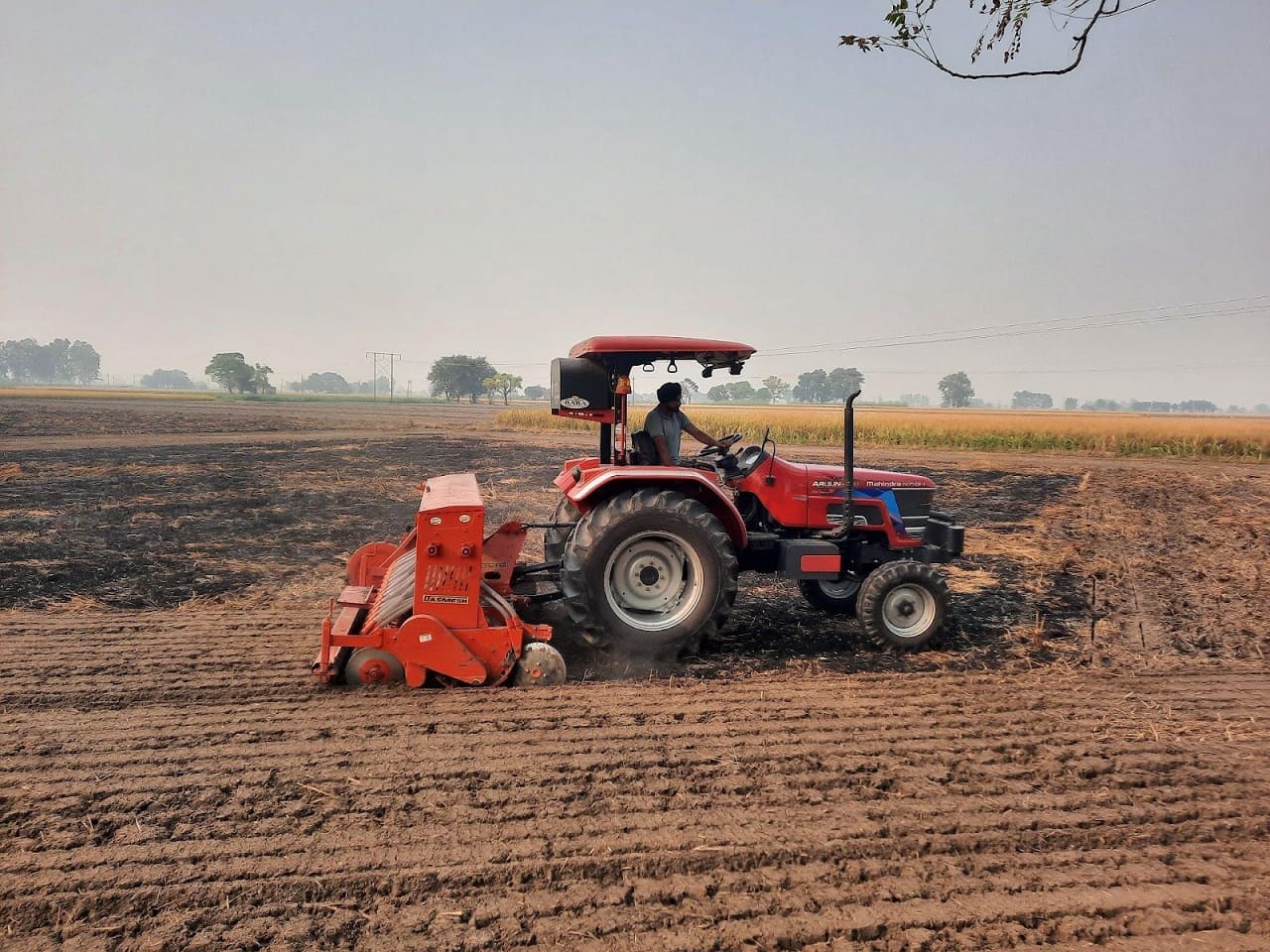
A farmer from Sangrur uses his Super Seeder after burning the paddy residue on his field. Source: CEEW
A positive takeaway from Malwa is the role of cooperative societies in providing rental CRM machines at affordable rates. For instance, the Hambran Co-op Society charges INR 650 per acre13 for each of their six Super Seeders (along with a tractor) with the farmer bearing the fuel cost.
As highlighted in CEEW’s October 2021 issue brief, farmer interactions revealed that the Super Seeder remains the most preferred in-situ machine. However, an average capital expenditure of INR 2,70,000 per unit deters farmers from buying the machine despite the existence of subsidies. The custom hiring centre (CHC) model was devised to bypass this expenditure by introducing rental services. However, rental rates of super seeders offered by individual farmers and farmer groups range between INR 2,000 to INR 3,000 per acre against government-recommended rates of INR 1,600 to INR 200014. The high operational expenditure of these machines prevents farmers from accessing the CHC model.
CEEW’s research has previously found ex-situ CRM to be highly acceptable among farmers. The sector is now expanding in the Malwa region.
The sight of tractors ferrying bales of paddy stubble was a big positive during our field visits. The Malwa region accounts for 8 of Punjab’s 11 biomass power projects (97.5 MW) that consume 0.88 million tonnes of stubble annually. The operationalisation of Asia’s largest compressed biogas (CBG)15 plant in Sangrur further augments the state’s ex-situ stubble use.
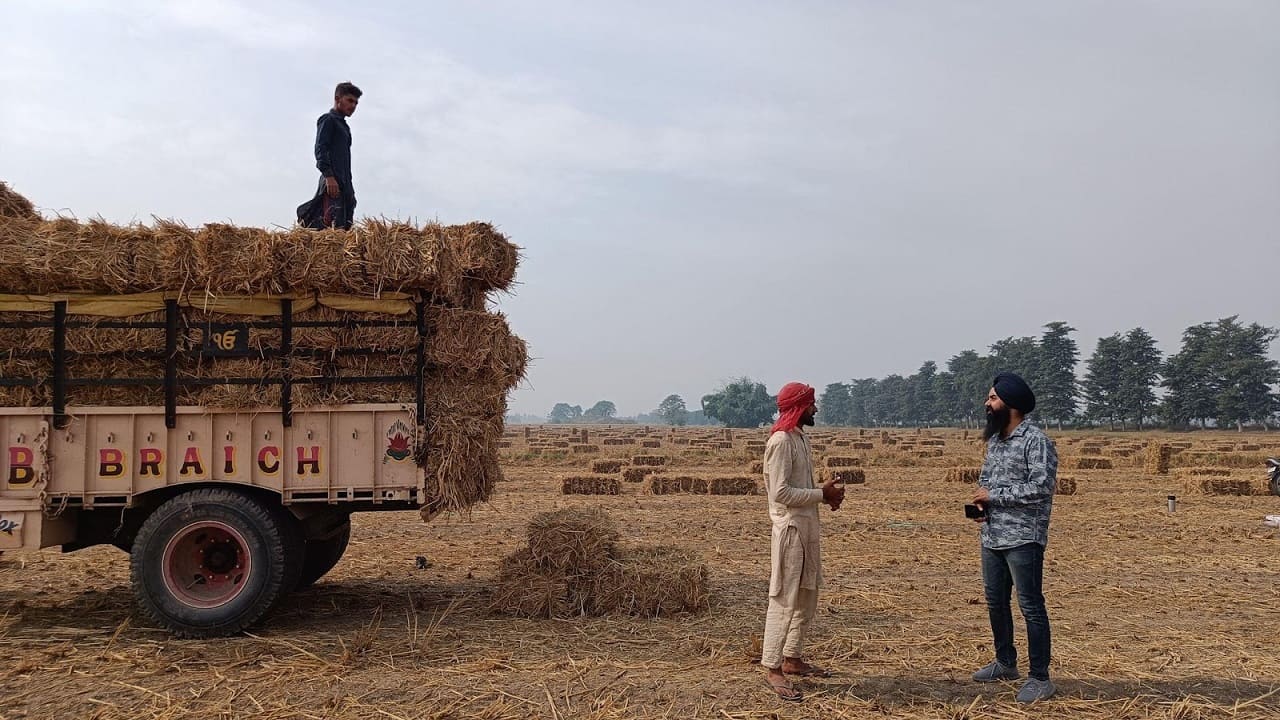
CEEW’s Ramandeep Singh interacting with a biomass aggregator in Ludhiana Source: CEEW
Farmers prefer ex-situ CRM for two reasons. First, unlike in-situ CRM, it does not alter their land.
“I will not use the super seeder I own because using it reduced my wheat yield. With in-situ, there is a fear of weak roots, low germination, and pest infestation. Baling is the best CRM method,” Gurvinder Singh, a farmer in Ludhiana, explained.
Second, ex-situ CRM provides scope for additional income16. However, in addition to the business model where farmers are paid, we also encountered farmers who received no payment and farmers who paid the aggregator for baling.
Despite the lack of standardised procurement models, farmers remain committed to ex-situ CRM. Harinder Singh of Duareana village in Faridkot summed it up by saying, “I don’t get paid for the residue baled out from my fields. It would be better if we are paid. But I am happy as I don’t have to spend on in-situ CRM. The only improvement needed is that balers should not delay the collection process.”
Rising preference for ex-situ stubble use has led to the development of successful public-private-people partnerships. The agriculture department in Ludhiana has tied up with biomass aggregators to guarantee residue collection and created a cluster of ten no-burn villages relying on ex-situ CRM. The aggregator benefits from employing a business model where they do not pay for the residue. Scaling up such partnerships can lead to the creation of sustainable business models for ex-situ entrepreneurs.
While the increasing ex-situ end-use is encouraging, aggregators and end-users highlight barriers including high delivery cost and lack of storage, which were identified by CEEW in 2021. Aggregator Farm2Energy revealed the cost of biomass and baling machines, maintaining appropriate moisture levels (up to 20 per cent), costly storage, and the unregulated price of bales, are yet to be addressed. End-users like Shri Ganesh Edible Oils Pvt Ltd and Tiwana Oil Mills Pvt Ltd based in Fatehgarh Sahib also concurred with this.
This year the Minister of Environment, Forest, and Climate Change informed18 the Indian Parliament, of Punjab’s plan to manage 20.589 million tonnes of paddy residue by 2023-24. The plan envisions that 5.22 million tonnes of paddy residue will be managed through crop diversification, 10.70 million tonnes through in-situ CRM, and 4.669 million tonnes through ex-situ CRM. Our field visits reveal that while all of these options are being exercised, legacy issues of high costs and lack of technical know-how persist. Reorienting policy to support operational expenditure and creating frameworks for scaling up existing solutions can help Punjab achieve its stubble management targets.
Notes
1 Open fires detected by NASA VIIRS 375 m between 1st September and 13th November 2022. Data accessed via NASA FIRMS.
2 Ex-situ refers to the utilisation of crop residue outside the farm. It entails transforming the crop residue into value-added goods such fuel, paper, cardboard etc.
3 Rajya Sabha Unstarred Question No. 2095. Ministry of Agriculture and Farmer Welfare Aug 6, 2021, https://pqars.nic.in/annex/254/AU2029.pdf
4 “Punjab CM Meets Farmers, Announces June 14, 17 as New Dates for Sowing Paddy.” ThePrint, May 18, 2022, theprint.in/india/punjab-cm-meets-farmers-announces-june-14-17-as-new-dates-for-sowing-paddy/961903.
5 “Punjab: Will Pay Difference to Farmers Selling Moong Below MSP, Promises CM Mann.” The Indian Express July 2, 2022, indianexpress.com/article/cities/chandigarh/punjab-moong-procurement-msp-cm-bhagwant-mann-8005870
6 Deficiency payment refers to financial support to farmers in case the market price falls below the Minimum Support Price.
7 In-situ refers to the management of crop residue within the farm. This is done via surface decomposition or incorporation into the soil. In-situ CRM is facilitated by machines such as mulchers and super seeders as well as microbial decomposers.
8 The district of Sangrur includes the district of Malerkotla created in 2021.
9 MoAFW. July 30, 2021. ‘Agriculture Mechanization for In-Situ Management of Crop Residue’.
https://pqars.nic.in/annex/254/AU1297.pdf
10 Vishnoi, Anubhuti. “Centre Rejects Punjab’s Rs 2,500/Acre Cash Sops to Stop Stubble Burning.” The Economic Times, Sept 7, 2022,
economictimes.indiatimes.com/news/india/centre-rejects-punjabs-2500/acre-cash-sops-to-stop-stubble-burning/articleshow/94036296.cms
11 Partial burning is a hybrid practice in which farmers burn a portion of heaped crop residue and incorporate the remaining into the soil.
12 “Towards Zero Stubble Burning.” The Financial Express, Nov. 2, 2022,
www.financialexpress.com/opinion/towards-zero-stubble-burning/2771495.
13 The Hambran Co-p Society charges INR 500 per hour for their super seeders. The rental charges have been converted to INR 750 per acre based on the average time taken by a super seeder to cover one acre of land which is approximately 80 mins.
14 Department of Agriculture. September 22, 2022. “Rental Advisory for CRM Machines.” Government of Punjab.
15 “Asia’s Largest Compressed Biogas Plant Launched in Sangrur.” Tribuneindia News Service,Aug 13, 2022, www.tribuneindia.com/news/punjab/asias-largest-compressed-biogas-plant-launched-421477
16 “Brothers’ Mantra for Stubble Trouble: Why Burn When You Can Earn.” Hindustan Times, Nov 1, 2022, www.hindustantimes.com/cities/chandigarh-news/brothers-mantra-for-stubble-trouble-why-burn-when-you-can-earn-101667314259916.html
17 “Farm2Energy - Stubble Burning Alternative and Biomass Upcycle Project.” Farm2Energy, Oct 7, 2019, www.farm2energy.com.
18 Rajya Sabha Unstarred Question No. 1320. Ministry of Environment, Forest and Climate Change. July 28, 2022. https://pqars.nic.in/annex/257/AU1320.pdf
Srish Prakash is a Consultant and Ramandeep Singh is a Research Analyst at the Council on Energy, Environment and Water (CEEW), an independent not-for-profit policy research institution. Send your comments to [email protected]
You’ve been hearing the number 1.5°C a lot when it comes to climate action goals. But what does it take to keep the planet on track to limit global warming to 1.5°C above pre-industrial levels?
If there is to be any mitigation of emissions, then climate accountability is essential to deliver on Paris Agreement goals. In its recent study, the Council on Energy, Environment, Water (CEEW) outlined the need to strengthen accountability in the global climate governance architecture, which has been missing so far and remains unaddressed under the Paris Agreement. With only a few days left, COP27 should now explore ways to enhance the ownership of the pledges committed globally as well as ensure compliance and enforcement of climate obligations and agreements.
The current state of climate efforts is alarming. With the current pledges, the world is on track to 2.5°C of warming by the end of the century. And about 86 per cent of the carbon budget for the 1.5 degrees Celsius (50 per cent likelihood) could be depleted by 2030, leaving only 70 Gt of the CO2 budget for post-2030. On this, several nations have expressed their concerns at the leadership summit in the initial two days of COP27.
But the larger question remains: How will we be on track with no accountability mechanism in place?
The question of missing accountability comes from the bad experience in the pre-2020 climate era. The poor performance of developed countries raised questions. In the early ’90s debate on climate change, the principle of common but differentiated responsibilities was established. Based on this principle, developed countries were bound to lead emission reduction measures. However, despite the relatively weaker targets, the efforts of developed countries were limited in the pre-2020 climate era. According to CEEW’s study, developed countries collectively emitted about 25 GtCO2eq more than their estimated emission allowances in the 2008-2020 period as a result of non-participation by major economies and misuse of accounting provisions.
Despite repeated demands, there was no effort by any developed economy towards revisiting or enhancing their pre-2020 levels. To add to this, on the support front, the target of USD 100 billion annually for developing countries by 2020 remains insufficient. As per a recent report by OECD, climate finance support from developed to developing countries was about USD 83.3 billion for 2020. And as we move ahead with the commitments under the Paris Agreement, Asian countries1 would need about USD 1.3 trillion each year for the next 9 years to support their climate measures.
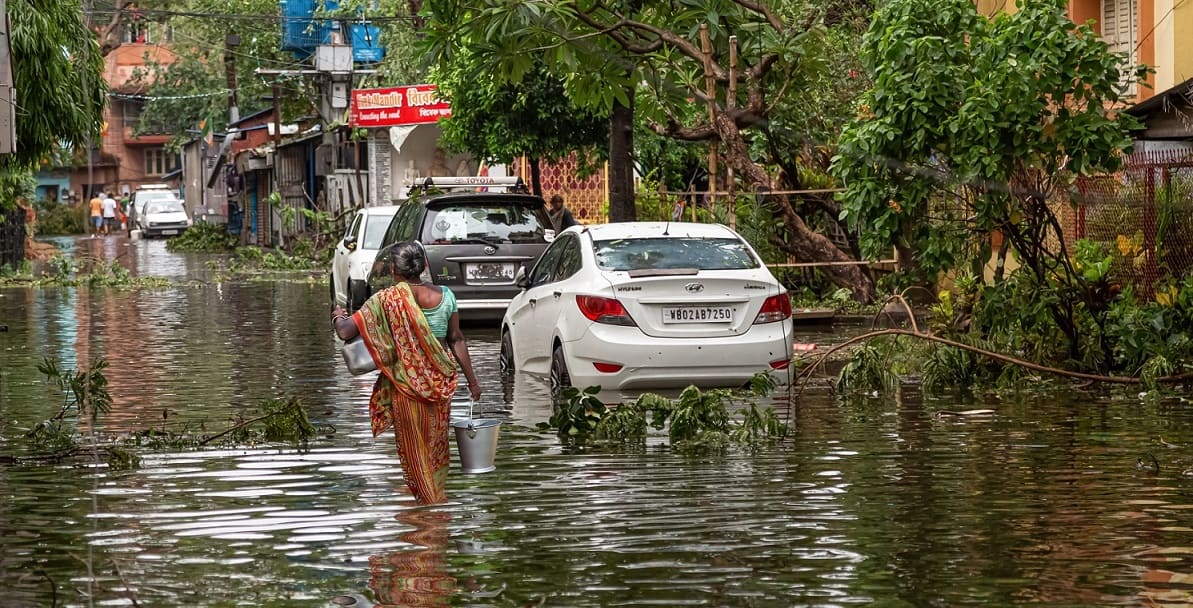
Woman carrying essential drinking water through water logged city street after massive cyclonic storm Amphan strike at Kolkata | Credit:Roop Dey/iStock
There were no hard measures set against countries for failure of delivery (implementing action or providing support), non-compliance, or non-participation. This puts the climate negotiation process into question. Also, the trust and faith, which is at the heart of the climate debate among the countries, non-state actors and civil society, dilute.
Accountability and compliance under the Paris Agreement are no different. Though the agreement embodies the global stocktake process, enhanced transparency framework and compliance committee, its functioning is limited to the procedural aspects of the agreement, rather than actual delivery or achievement. Little could be done to hold countries accountable for not meeting their promises because the Paris Agreement is based on facilitative, non-intrusive, and non-punitive principles.
The missing accountability in the climate change debate is a matter of grave concern and must be addressed as we implement the Paris Agreement. There are several opportunities that should be explored to strengthen accountability under the Paris Agreement. These are:
To bring back faith and trust in the climate negotiation process, developed countries need to act upon what was agreed upon in the pre-2020 era on action and support. They should also urgently scale up mitigation ambition and implementation and ensure the burden of additional consumption of carbon space in the pre-2020 climate are not transferred to developing countries.
The current global mean temperature is about 1.15°C above the pre-industrial average. With this alone we have seen extreme heatwaves, drought and devastating flooding that have affected millions and cost billions this year. Strengthen climate accountability now – it’s what will keep every stakeholder aligned with the ultimate goal.
Notes
1 Afghanistan, Bangladesh, Bhutan, Cambodia, China, India, Indonesia, Laos, Malaysia, Maldives, Myanmar, Nepal, Pakistan, Philippines, Sri Lanka, Thailand, Timor-Leste, and Vietnam
Sumit Prasad is a Programme Lead at the Council on Energy, Environment and Water (CEEW), an independent not-for-profit policy research institution. Send your comments to [email protected]
No matter what the struggles of the day are, a peaceful sleep at night is considered the ideal remedy. But a good night’s sleep evades Thressiamma Thomas, a 47-year-old resident of Mankombu in Kerala’s Kuttanad region. Before she hits the bed, she stacks up expensive electronic items on her shelves. Even the wooden cot she sleeps on balances atop thick bricks. The reason? Floodwaters that breach households and inundate farm lands in central Kerala’s Alleppey district. At 2.2 metres below sea level, this district lies at the lowest altitude in India.
For tourists, drawn to Kerala’s picturesque landscape, Kuttanad seems like a heaven with its green paddy fields, canoes crisscrossing the narrow canals and migratory birds passing through the landscape. But for the residents of this region, flooding has become part and parcel of life, especially in the past 15 years.
“Kuttanad is a beautiful palace to live in, if not for the flooding,” says Thressiamma who settled there after her marriage, 30 years ago. “We can no longer predict when it will rain or how long it will last.”
Local residents say that climatic changes play a big role in Kuttanad’s rising water levels, which is making the region more and more uninhabitable. Following a night of heavy rainfall, people like Thresiamma often wake up surrounded by a pool of water inside their own houses. She says that such flooding occurs at least four times a year. Each time, her house remains flooded for a minimum of 15-20 days. This has also increased the risk of water-borne diseases.
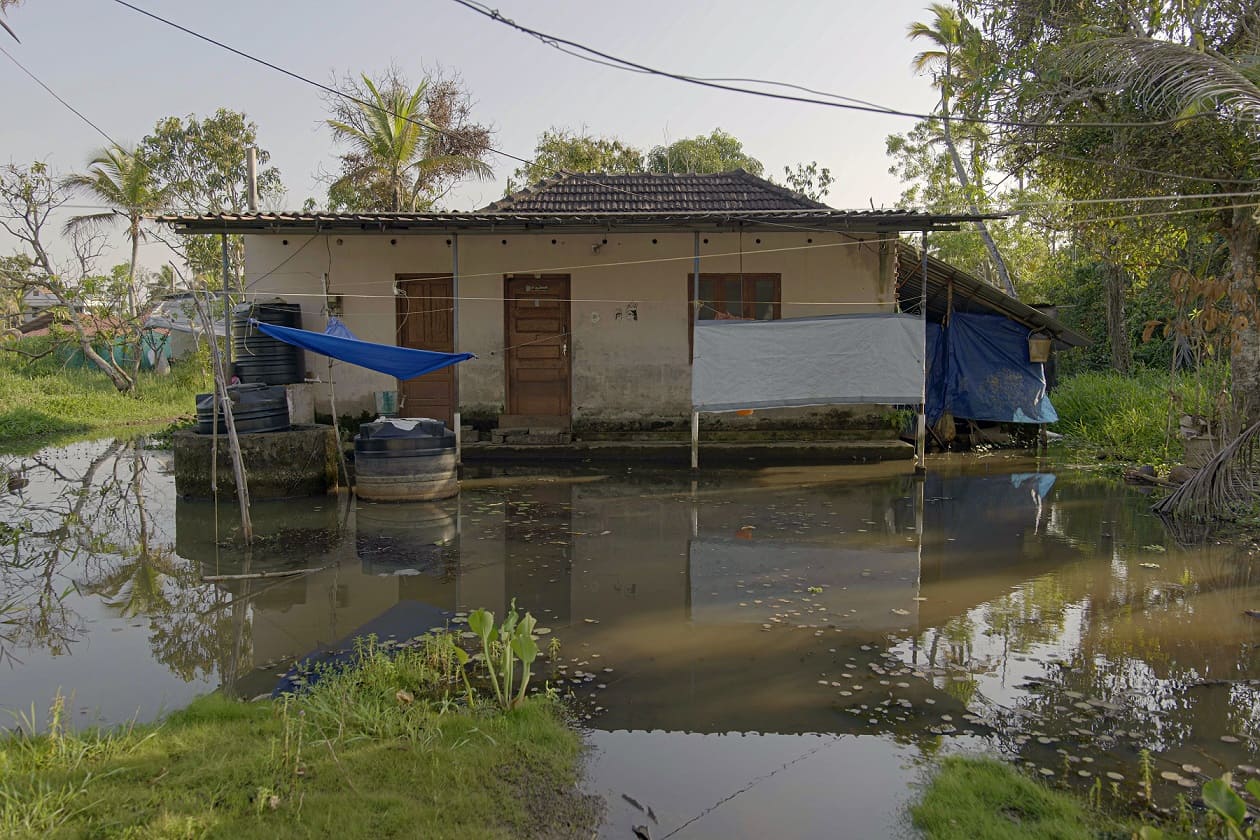
Photo: Shawn Sebastian
According to a CEEW analysis, every 100 mm of rainfall can inundate up to 8 per cent of Alappuzha district’s total land area.
Water doesn’t recede easily anymore since the massive 2018 Kerala floods, observes Thresiamma. As a result, ghost houses have become a reality in Kuttanad; those who can afford to leave have migrated to safer locations, hoping to return one day.
But Thressiamma’s family wished to remain in Kuttanad and overcome the crisis. Learning from the experiences of a few climate-resilient houses that were built in the locality, her family decided to demolish the old house and build a new one. Now, the basement is at an elevation of over five feet, supported by tall pillars that can withstand flooding.
“Now we don't need to worry that much because the flood waters won’t rise this high,” says Thomas Joseph, Thressiamma’s husband and an agriculturist.
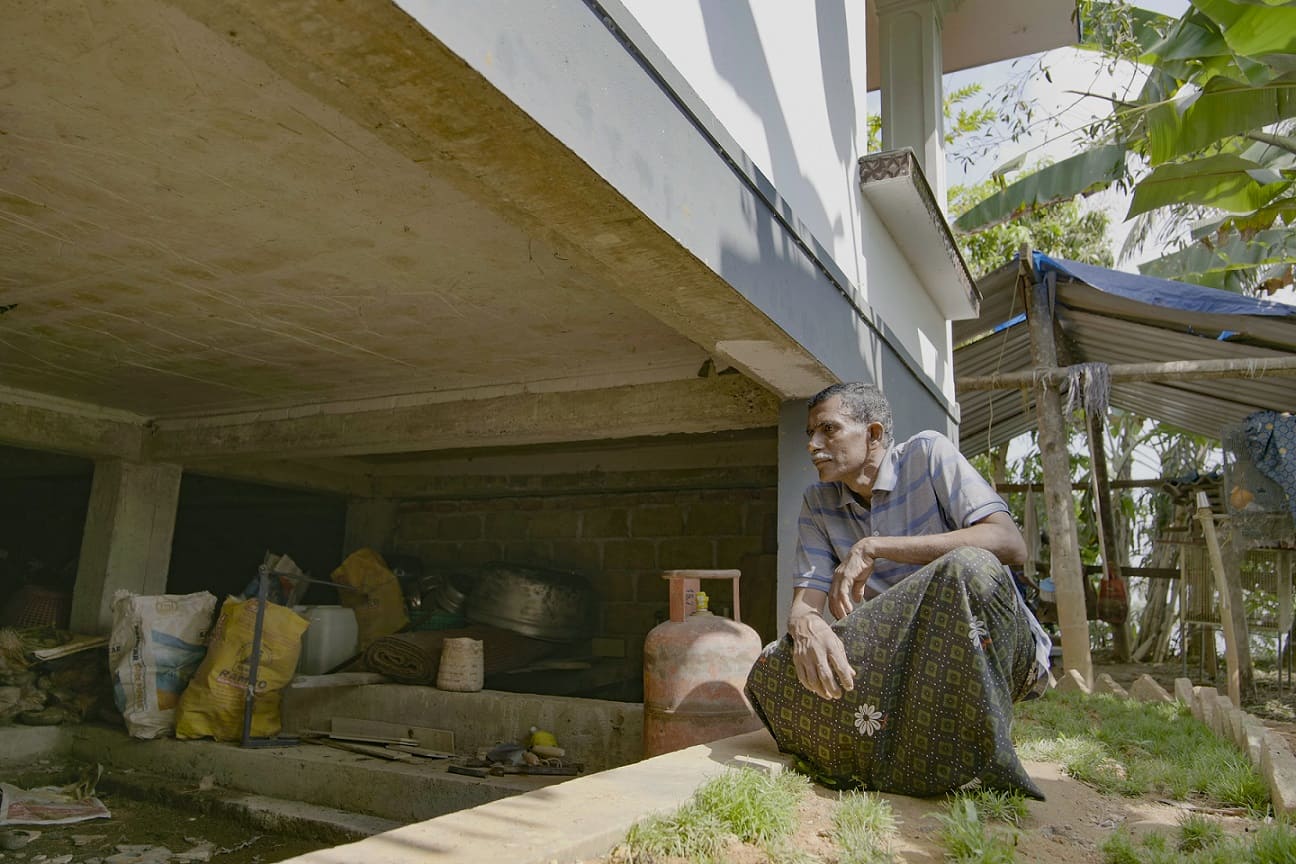
Thomas Joseph shows the elevation of the new house. Photo: Shawn Sebastian
While their children don’t want to stay in Kuttanad, the parents are determined to cope with climatic changes by making their home climate resilient – both due to their attachment to the land as well as financial concerns. As takers for land in Kuttanad are far and few, the family can only raise money for another piece of land by selling their existing one.
Since they elevated their houses, not just Thresiamma, but several families in the Kerala district, now feel at peace and secure. Both government and non-profit charity groups have started investing in houses with a higher basement level after the 2018 floods. These climate-resilient homes show that hazard-informed infrastructure planning and development can save lives, livelihoods, assets, economic losses and the memory of a home.
Watch the full film here.
As world leaders gather at the annual United Nations (UN) climate summit — COP27 — in Egypt, discussions on climate-induced loss and damage are taking centre stage. Often, developing countries with lower adaptive capacities are at the receiving end of such loss and damage. In 2022, rural areas of states such as Assam, Bihar, Uttar Pradesh and West Bengal were brought to a standstill due to extreme flooding impacting over 18 million people1, immersing houses, damaging crops and destroying lands. Our cities such as New Delhi and Bangalore too have been submerged in the aftermath of incessant rainfall in recent months. According to CEEW’s research, eight out of 10 people in India are vulnerable to extreme climate events such as cyclones, floods and droughts. However, what’s even more alarming is that nearly 25 per cent of these people lack the capacity to adapt to these escalating impacts.
To adapt better, communities at India’s grassroots have a critical role to play along with access to finance and technology and climate-proofing of infrastructure. Over the last year, CEEW interacted with people residing in some of India’s most climate-vulnerable states to explore how they are coping with the impending climate crisis. The stories captured from Kerala, Maharashtra, Odisha, Rajasthan and Uttarakhand as part of the ‘Faces of Climate Resilience’ project highlight how communities are becoming agents of change by embracing traditional wisdom and nature-based solutions. Just as Prime Minister Narendra Modi launched Mission LiFE (Lifestyle for Environment), which gives agency to people for sustainable lifestyle choices, there is a strong case for scaling up community action for adaptation.
First, mainstream a participative approach towards continuous risk assessments at the grassroots levels, especially in areas with a high risk of extreme climate events. Such granular information can equip communities and decision-making authorities for disaster risk reduction. For instance, with the help of a local NGO, a collective of residents in Ambojwadi — an informal settlement near the sea in northwestern Mumbai — have mapped out areas prone to flooding in the settlement and devised the first-response strategy in case of an extreme climate event. They are also sensitising their community about the climate crisis, which is the first step towards enhancing climate resilience.
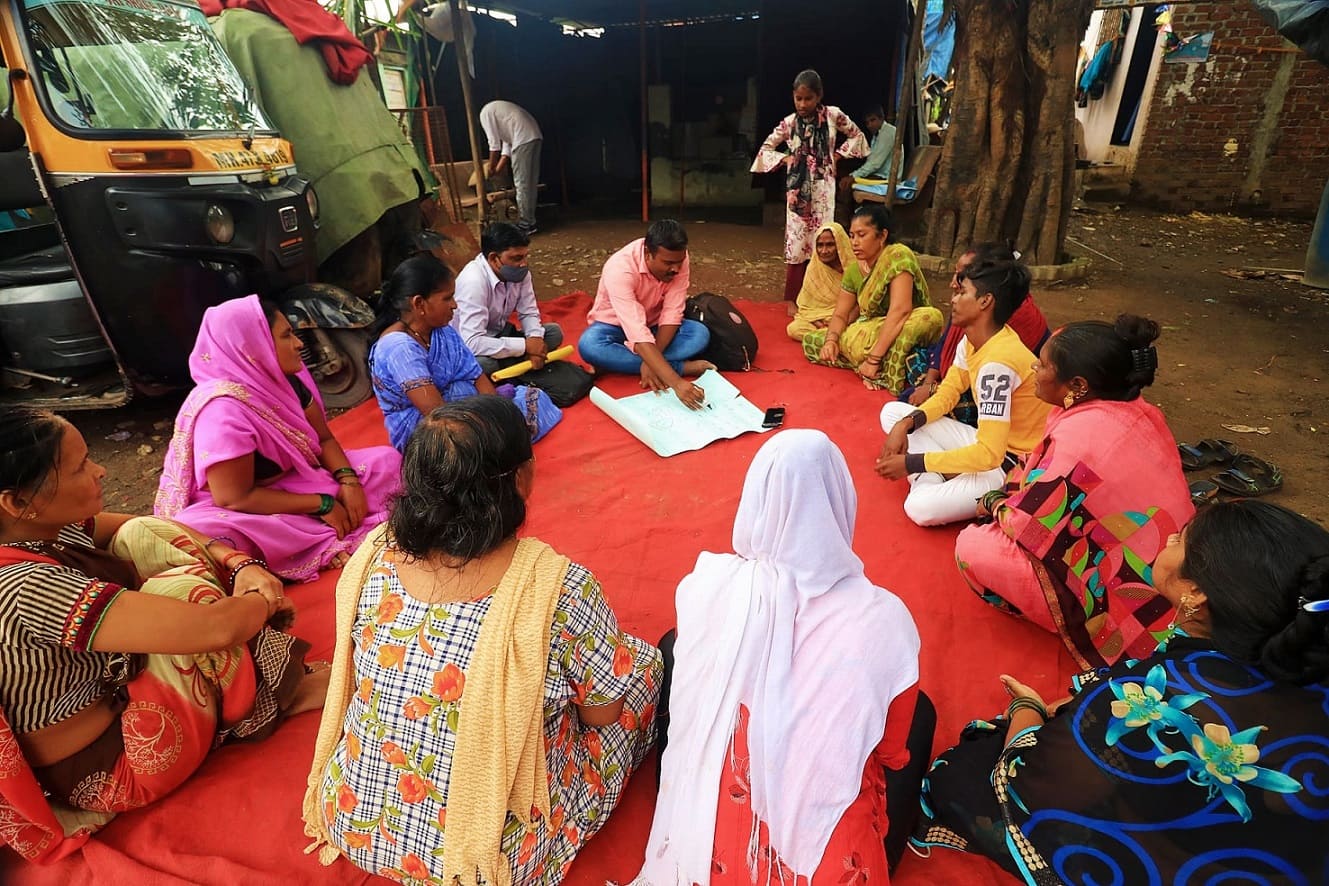
The community in Ambojwadi marked the areas prone to flooding to prepare themselves for any extreme weather event.
They also formed a first-response team and trained its members.
Photo: Milan George Jacob
Second, communities should actively engage in climate-proofing infrastructures to reduce loss and damage. Let's take the example of 49-year-old Jayachandran, whose house was swept away in the 2018 floods in Kerala's Idukki district. When he rebuilt his house, he ensured that a thorough risk zonation mapping was undertaken and the piece of land was certified ‘not landslide-prone’. Additionally, the new house is climate-resilient and can withstand the impacts of present and future extreme floods. This example highlights the urgent need for communities to understand the significance of climate-proofing infrastructure, especially in ecologically fragile regions such as hill stations and coastal regions. According to the World Bank, every USD 1 invested in climate-proofing infrastructure can fetch benefits worth USD 42.
Third, make climate information more accessible and people-centric by including communities in the information dissemination process. In Uttarakhand’s Rudraprayag district, Mandakini ki Awaaz — a community radio station — has become an invaluable link between the government and the communities in improving the effectiveness of early warning systems. They regularly correspond with the State Disaster Management Authority and the India Meteorological Department, Dehradun, to relay accurate and up-to-date weather information and early warnings. Scaling up such initiatives could help save lives and livelihoods across the country.

Villagers in Rudraprayag district, Uttarakhand, tune in to Mandakini ki Awaz for information on weather and disasters.
Photo: Shawn Sebastian
Fourth, educate and support communities to embrace multiple nature-based solutions (NbS) and build climate resilience for the long term. Some communities are already embracing NbS to protect themselves from climate extremities. For instance, 10 self-help groups in Tandahara village, in the Puri district of Odisha, are regrowing Casuarina forests along the coast to reduce the impact of cyclones and seawater intrusion. The super cyclone of 1999 uprooted the vast stretch of casuarina forest along the coast. But the villagers believe they would not have survived the cyclone if not for the forest acting as a buffer. Communities, with support from local authorities, should prioritise restoring natural ecosystems such as mangroves, forests, and wetlands to better prepare against climate shocks.
At the grassroots, communities are championing climate action. As India is set to take up the G20 presidency, promoting such a decentralised model could help the country emerge as a leader in climate adaptation. Together with Mission LiFE, community action could be India’s lesson to the world in building climate resilience bottom-up.
This blog was first published in Hindi in Rajasthan Patrika as an opinion piece.
Milan Jacob is a Communications Specialist and Shreya Wadhawan is a Research Analyst at the Council on Energy, Environment and Water (CEEW), an independent not-for-profit policy research institution. Send your comments to [email protected]@ceew.in
28 Nov 2022 | 0830 - 1830 hrs IST

The two-day workshop is being jointly organised with the International Centre for Sustainable Carbon (ICSC, UK), as a part of our USAID- funded ‘Cleaner Air Better Health’ (CABH) initiative.
Through the CABH initiative, we aim to improve air pollution mitigation and reduce exposure to polluted air. in India. We believe that building the capacity of key stakeholders is critical to this endeavour.
The two-day workshop is designed as an advanced-level training and knowledge-sharing platform for industries, regulators, and other relevant stakeholder groups on real-time emission monitoring technology and best practices. The training program will be led by experts from the USA, UK, Germany, and India. Additionally, there will be a multi-stakeholder panel discussion on the robust implementation of CEMS data for better compliance and regulation.

Lesley Sloss
International Project Manager
International Centre for Sustainable Carbon (ICSC)

Roland Zepeck
Founder
International business Development (IBD, Germany)

Stephen K. Norfleet, PE
President
Agora Environmental Consulting

Richard Sean Warden
President, Board of Directors
Source Evaluation Society (SES, USA)

Sanjeev K. Kanchan
Advisor
CEEW

Sankar Kannan
Vice President
SICK India Limited
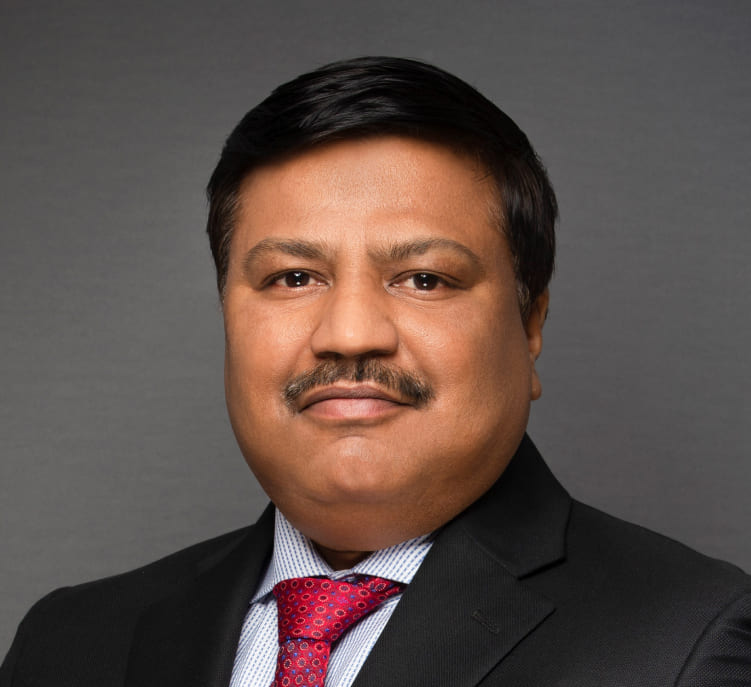
Sudheesh Narayanan
Founder and Chairman
Knowledge Lens Pvt. Ltd.
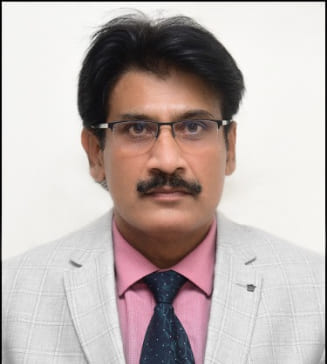
Ashish Tiwari
Secretary - Department of Environment Forest and Climate Change
Government of Uttar Pradesh/p>

William Harford
Environment, Science, Technology, and Health Officer
Embassy of USA

Soumitri Das
Project Management Specialist
USAID
23 Nov 2022 | 0930-1400 hrs IST
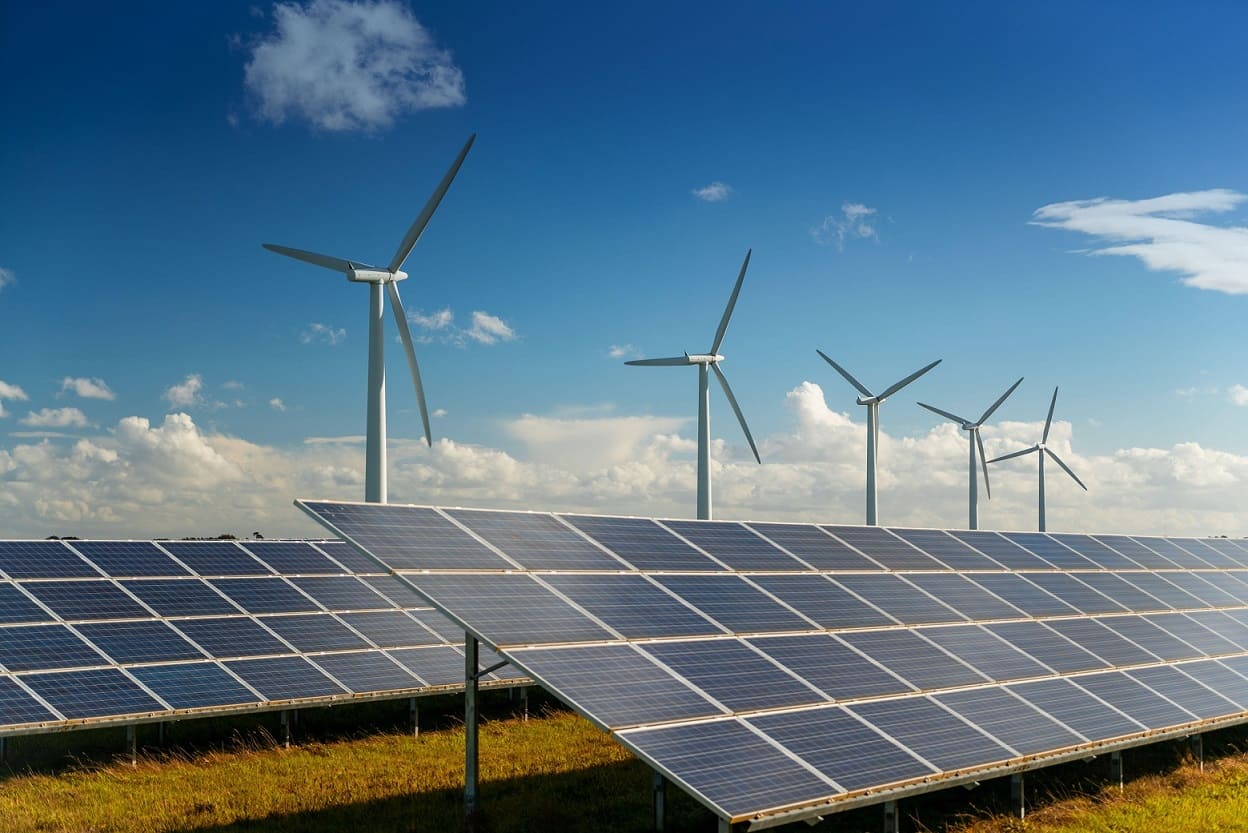
India has charted ambitious goals for its energy transition. These include achieving 50% cumulative electric power installed capacity from non-fossil fuel-based energy resources by 2030. Additionally, it has committed to reducing the emissions intensity of its GDP by 45% (compared to 2005 levels), also by 2030. From a longer-term perspective, India has stated its goal of achieving net-zero emissions by 2070.
Financing clean energy is critical in ensuring social, environmental, and economic security. The complexity of the challenge and diverse stakeholder perspectives requires alignment among all stakeholder groups. This roundtable presents an opportunity to stock-take and deliberate on the progress made and identify areas that can be accelerated in the year of India’s G20 Presidency.
The Council on Energy, Environment and Water (CEEW) with the World Economic Forum (WEF) are pleased to invite you to the Mobilising Investments for Clean Energy in Emerging Economies (MICEE) India Country Roundtable. The next few months will put India into the spotlight, as it assumes the G20 Presidency, where the role of new and renewable energy in promoting energy security and the need to accelerate investments into this sector is expected to be a key priority.
The roundtable aims to support this G20 focus priority area by showcasing specific solutions identified through several months of stakeholder consultation. The event will feature:
(a) Two-panel discussions - one high level on financing India’s clean energy transition and the other focused explicitly on the solution and implementation pathways to unlock capital
(b) The official release of a joint WEF and CEEW Report detailing solutions on two areas of intervention identified by stakeholders.
Venue: Tamarind Hall, India Habitat Centre, New Delhi

Riddhima Sethi
Communications Specialist

Srinivasan Vishwanathan
CEO
Vibrant Energy

Anita George
Director and Founding Partner
Piramal Enterprises and Edhina Capital
Mohit Bhargava
CEO
NTPC Renewable Energy Limited

Aditya Trivedi
Director - Business Development
AES India

Dibirath Sen
MD and Head-Global Banking, North India
HSBC

Espen Mehlum
Head of Energy, Material and Infrastructure Program
SICK India Limited
Arunabha Ghosh
CEO
CEEW