Council on Energy, Environment and Water Integrated | International | Independent

07 Dec 2023 | 1000 – 1630 GST
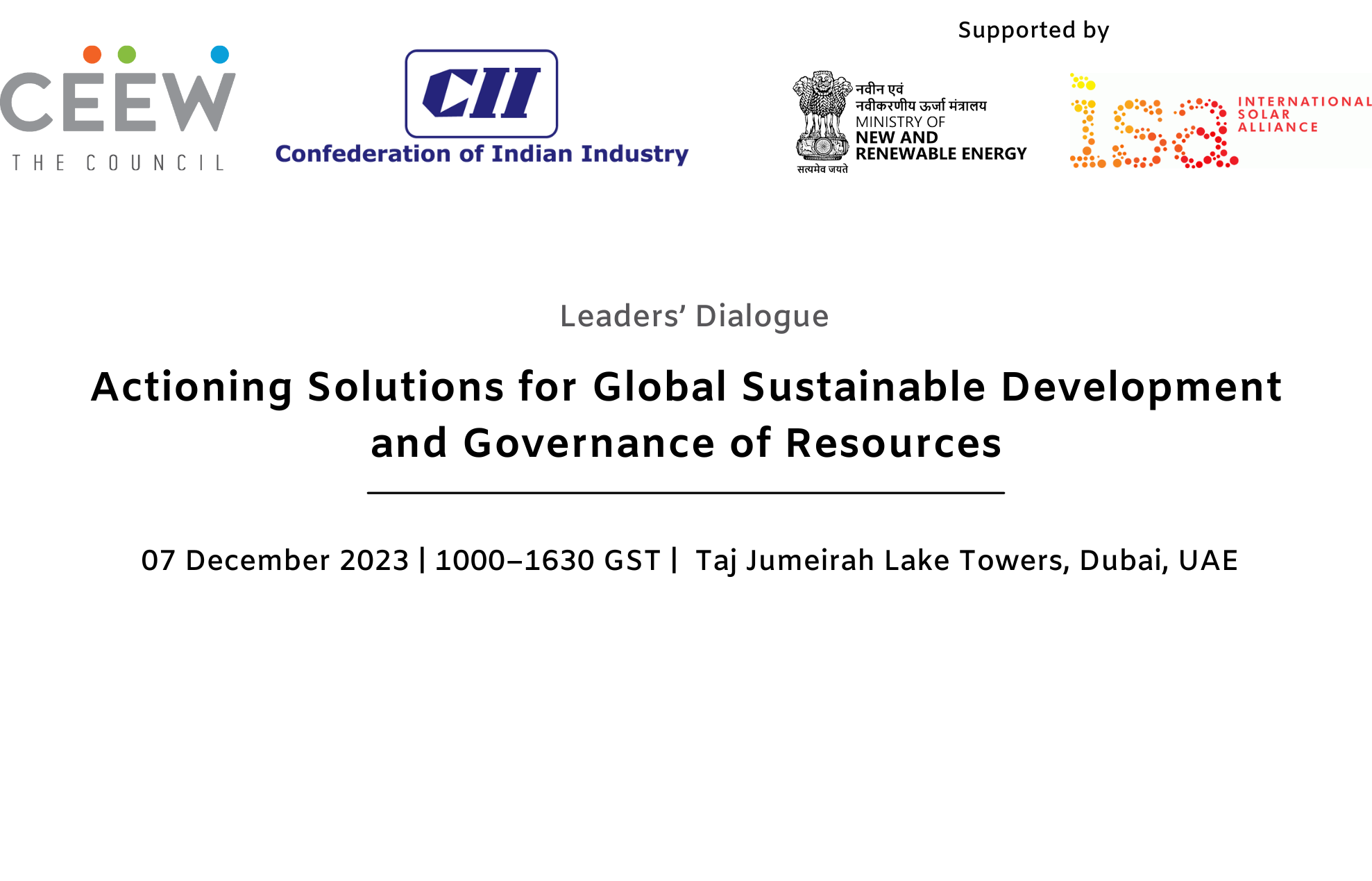
CEEW and CII, supported by the Ministry of New and Renewable Energy (MNRE), India and International Solar Alliance (ISA), are pleased to invite you to a Leaders’ Dialogue on Actioning Solutions for Global Sustainable Development and Governance of Resources on Thursday, 7 December 2023 from 1000–1630 GST at Taj Jumeirah Lake Towers, Dubai, UAE.
The conference will take forward some key outcomes of the Green Development Pact of India's G20 Presidency to COP, and beyond. This will include solution-oriented, sharply moderated discussions with global practitioners of sustainable water systems, renewable energy sectors, and financiers of the clean energy transition.
Note: This event is in-person only in Dubai, UAE. Seating is limited.
Submitting this form does not guarantee access to the event. All confirmed guests will receive official emails by 5 December 2023.

Sonam Gairola
Senior Communications Associate
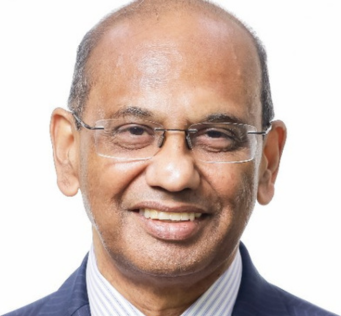
Ajay Mathur
Director General
International Solar Alliance (ISA)
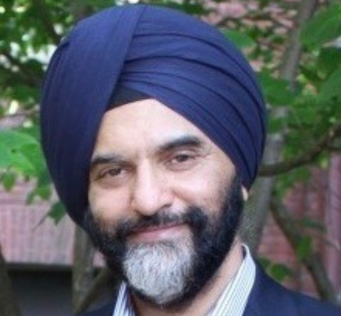
Bhupinder Singh Bhalla
Secretary
Ministry of New and Renewable Energy (MNRE), India
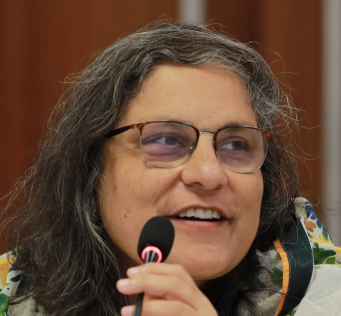
Debashree Mukherjee
Secretary
Ministry of Jal Shakti (MoJS), India
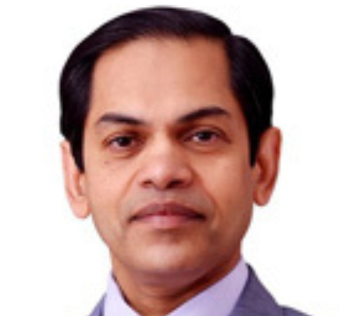
Sunjay Sudhir
Ambassador of India to UAE
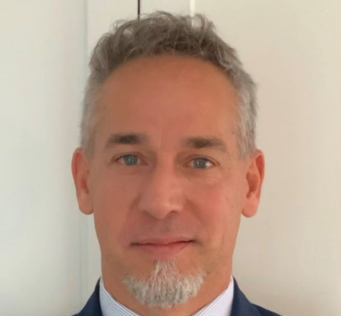
Jean-François Gagné
Head of Secretariat
Clean Energy Ministerial (CEM)
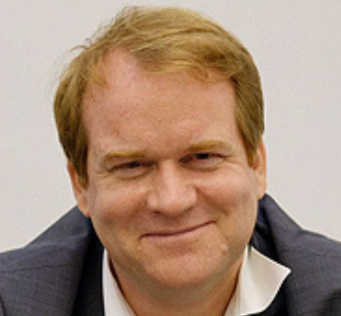
Nicolas Buchoud
Senior Advisor to the Dean & CEO
Asian Development Bank Institute (ADBI)
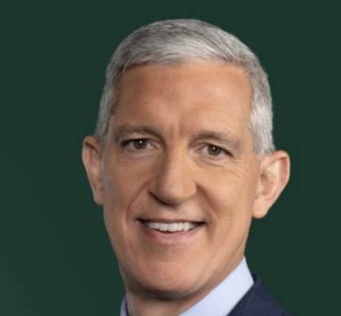
Marty Durbin
President – Global Energy Institute
U.S. Chamber of Commerce
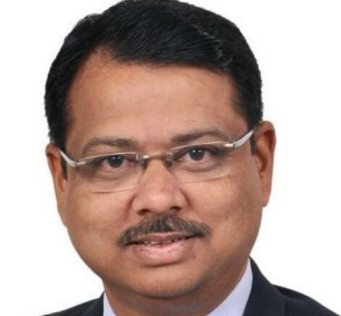
Dinesh D Jagdale
Joint Secretary
Ministry of New and Renewable Energy (MNRE), India
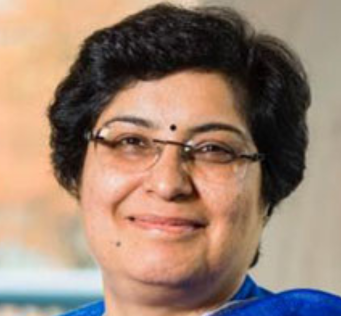
Seema Arora
Deputy Director General
Confederation of Indian Industry (CII)
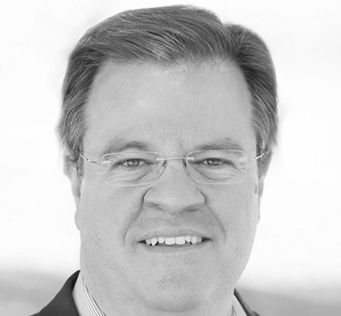
John Grimes
Chief Executive
Smart Energy Council
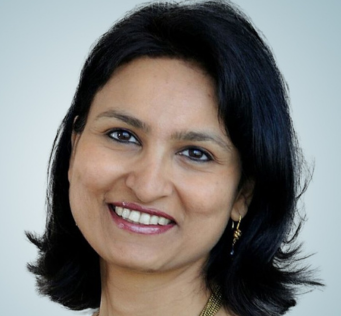
Anjali Bansal
Founding Partner
Avaana Capital
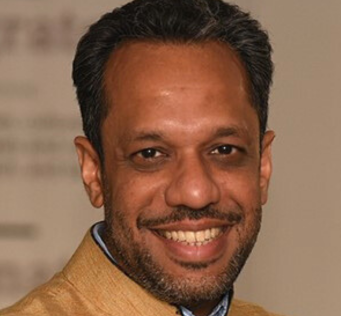
Arunabha Ghosh
CEO
Council on Energy, Environment and Water (CEEW)
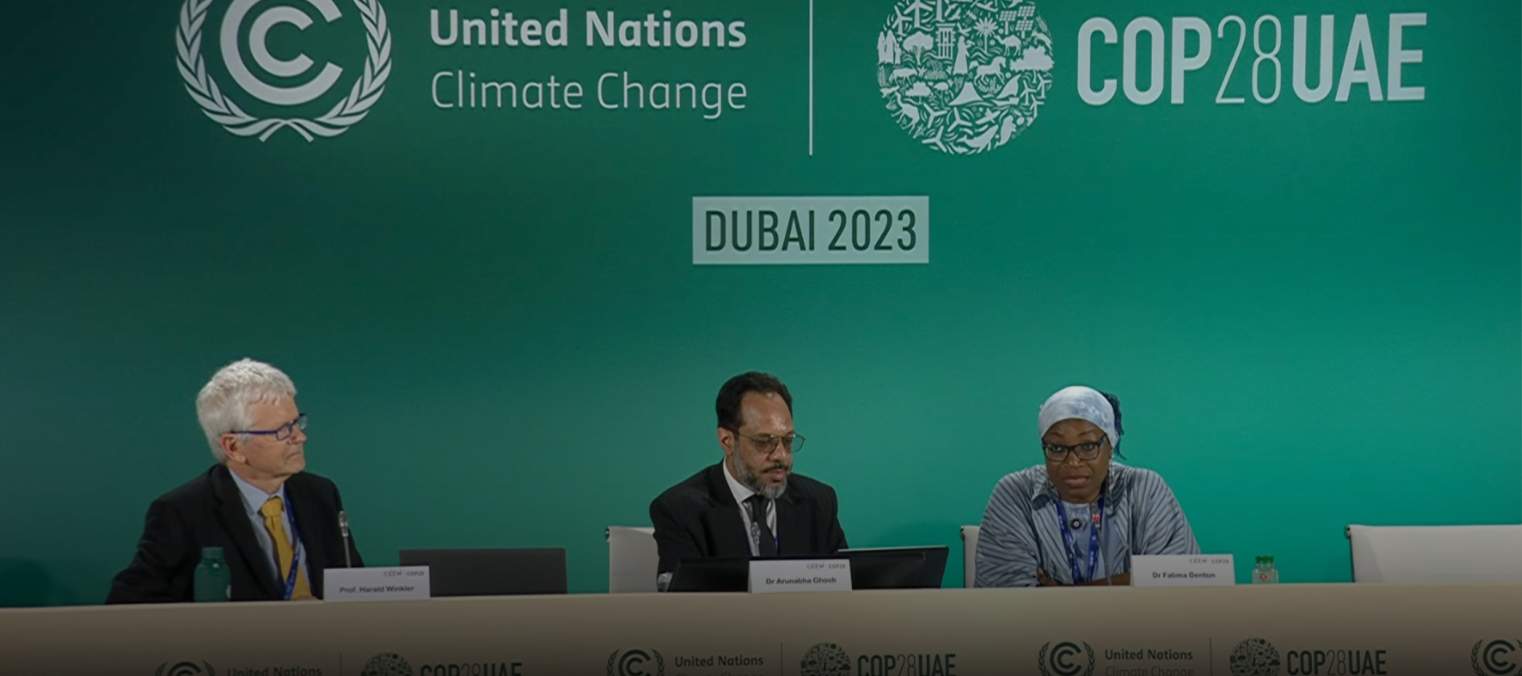
1 December 2023, Dubai: “To be successful, climate negotiations need to fulfil three purposes: set the agenda and targets, put in a process for their implementation, and monitor enforcement and progress. The year 2023 has underlined clearly why the UN’s Conference of Parties can not kick the can of climate justice, climate action and climate finance down the road. It has been the hottest year on record—with floods, droughts and wildfires—as well as a geopolitically turbulent one. The Global Stocktake will be a report card to our collective pledges so far,” said Dr Arunabha Ghosh, CEO, Council on Energy, Environment and Water (CEEW). “But climate action expected from developing countries can’t be divorced from ensuring livelihoods and security of the basics for the vulnerable–such as access to energy, food and water. In order for the Global South to shift from ambition to action and from action to acceleration of their energy and low-carbon transitions, finance needs to flow in a manner that is cheap, long and convenient. For developed country Parties to retain credibility, promises must convert into delivery along with a serious introspection about sustainable lifestyles. COP28 must take concrete steps to bridge inequities and set in a process that monitors progress and ensures accountability.”
India, which announced its target to achieve net zero by 2070 at COP26, has made significant progress to accelerate its energy transition. As part of its G20 Presidency this year, it drew consensus from the world’s major economies for a Green Development Pact, which seeks to balance development and the environment, and spoke up for the needs of the Global South. The Pact shifted the conversations from the billions to the trillions needed for the energy transition. It noted that developing countries will need USD 5.8-5.9 trillion in the pre-2030 period, particularly to implement their NDCs. India already has the fourth-largest renewable capacity in the world and the number of Indians employed in clean energy sectors increased by 47 per cent between FY21 and FY22. Further, the country saw the highest-ever electric vehicle sales in just the first six months of FY22-23. However, inequity in action, finance flow and technologies needed for the energy transition still exist.
1. Developed countries are not on track to meet 2030 emission reduction targets: By 2030, developed countries will overshoot their carbon budget by 38 per cent and collectively emit around 3.7 gigatonnes of extra carbon dioxide against their NDCs under the Paris Agreement, according to a recent analysis by CEEW. The US, EU and Russia are projected to be the highest overshooters. Even if developed countries were to meet their post-2030 reductions, their total emissions would still threaten the 1.5°C target.
2. Average earners in developed countries emit more CO2 than the richest 10% in India, Brazil, other developing countries: Not everyone is equally responsible for rising emissions found an independent study by CEEW that analysed per capita CO2 emissions for different income brackets across 14 countries, EU and the ASEAN region. Individuals in the top 10 per cent income group in the developing countries studied emit less CO2 than an average earner in developed countries. The study also found that a carbon tax on the richest 10 per cent in developed countries and China could generate USD 500 billion for climate change mitigation. Most importantly, it shows the adoption of low-carbon lifestyles must now become a central pillar of climate action.
3. Renewable energy supply chains are highly concentrated: Global manufacturing capacities of solar, wind, battery and green hydrogen tech are concentrated in a handful of countries, found a CEEW study commissioned by the Government of India to inform the G20 Energy Transition Working Group negotiations. Over the last decade, 70 per cent of the global exports in solar PV have come from only 4 countries, the study found. The concentration of global exports is particularly worrying for developing countries in the Global South as they progress towards net-zero targets. The study recommends increasing the supply of critical minerals by periodically tracking the critical mineral value chain, co-developing technologies and finding a common approach for creating a strategic stockpile.
4. Climate finance is still well short of what is needed: The scale of investment needed to meet the Sustainable Development Goals, Climate COP21 and Biodiversity COP15 objectives is an additional USD 4 trillion every year, according to One Planet Lab. However, only USD 204 billion of official development assistance came in last year. Further, only 25 per cent of global climate investment is directed to South Asia, Latin America and Africa, while human mortality from weather and climate extreme events was 15 times higher in these regions. At COP28, who needs to pay what and how much must be fairly negotiated.
5. India needs significant investments to decarbonise: In first-of-its-kind analyses, CEEW found India’s hard-to-abate sectors, such as steel and cement, will need USD 627 billion to achieve net zero. Moreover, USD 4.5 billion is needed to achieve the government target of setting up 50 GWh of lithium-ion cell and battery manufacturing plants. This indicates not just the scale of the challenge but the quantum of investments needed for the future across developing countries. Besides climate finance, efforts need to be stepped up in technology co-development. For instance, India's ambitious National Green Hydrogen Mission will need cooperation across the value chain.
What needs to be done
In order for COP28 to be successful and start bridging the inequity gap that exists, it will need to deliver on four crucial pillars:
1. Deliver an ambitious GST outcome: For the Global Stocktake outcome to deliver for India and the Global South, we recommend accounting for the pre-2020 gaps by holding developed countries collectively accountable. Additionally, the outcome should push for the best available science by ensuring equity in scientific development, providing sector-specific guidelines and establishing common methodologies for estimating disaster costs. It should recognise the role of carbon markets and sustainable lifestyles (Mission LiFE) in mitigating emissions and enhance technology partnerships and collaborations between countries.
2. Define scale of Loss and Damage fund and role of developed countries in it: It is encouraging that the Loss and Damage fund was adopted on the first day of COP28, to be hosted temporarily in the World Bank. However, there is no obligation for developed countries to provide support and no mention of the target the fund needs. Loss and damage from climate change is already costing developing countries billions of dollars. The fund needs to match this demand and define how much will be delivered as grants and how much as concessional loans. We also recommend developing a Global Vulnerability Index to quantify the size of the problem, encouraging attribution science via a Global South-led research consortium and promoting multilateralism for chronic risks by proposing a Global Resilience Reserve Fund (GRRF).
3. Action adaptation goals: The Adaptation Gap Report 2023 reveals that the adaptation finance needed to implement domestic adaptation priorities is about US$387 billion per year. Despite this urgent need, the adaptation finance flow to developing countries declined by 15 per cent to USD 21 billion in 2021, while mitigation increased by 11 per cent to USD 5.1 billion. COP28 must shift the narrative by placing adaptation finance first in all climate finance debates, against mitigation finance.
For developing countries and India, the Global Goal on Adaptation is a priority. The focus should be on ensuring that global goals for reducing vulnerability and mortality from extreme events are absolute, supported by overarching target and output-focused indicators, not outcome-based ones. Further, it should exclude measures with dual roles, like afforestation, to avoid overlap with mitigation-specific strategies.
4. Develop countries should enhance mitigation goals: To fulfil their role as climate leaders, developed countries must step up mitigation efforts and bridge the projected 3.7 GtCO2e implementation gap by 2025 and do more than the global average and enhance NDCs. Even if net zero by 2050 is achieved, developed countries would still consume 40-50 per cent of the remaining carbon budget. The mitigation efforts of developed countries have direct implications for the limited carbon budget available to developing countries, which need sufficient carbon space to address their economic and social development challenges and eradicate poverty. Developed countries must also strive to achieve net zero by 2040 to free up carbon space.
5. Accelerate finance flows: COP28 must define climate finance uniformly. It must balance public and private funds, grant and non-grant flows, and ensure fairness between mitigation and adaptation. The new quantified goal should be needs-based, emphasising 'trillions of dollars' and prioritising previous commitments. Strengthening and reforming international financial institutions (IFIs) and multilateral development banks (MDBs) are crucial for increased climate funding in developing countries.
In a turbulent world, with multiple climate-change-induced disasters in 2023, COP28 cannot afford to delay translating intent into acts. While the adoption of the Loss and Damage fund on the first day is a promising start, bridging the inequity gap between the Global South and the Global North will need long-term action, ambition and acceleration – and without riders.
For media queries contact: Tulshe Agnihotri – [email protected] | +91 9621119643 / +91 7905717812
– Richest 10% in developed nations, China adopting low-carbon lifestyles could save 3.4 billion tonnes of CO2 yearly
– A carbon tax on the richest 10% in developed countries and China could generate USD 500 billion for climate change mitigation
New Delhi, 28 November 2023: The carbon dioxide emissions of an average earner in many developed countries are much higher than the emissions of the richest 10 per cent in developing countries such as Argentina, Brazil, India and the ASEAN region, according to a new independent study released by the Council on Energy, Environment and Water (CEEW) today. The emissions divide between developed and developing countries is starker when we compare the poorest populations. The carbon emissions of an individual in the bottom 10 per cent income bracket of Saudi Arabia, the US, or Australia are 6 to 15 times more than an individual in the poorest decile of India, Brazil or the ASEAN region. As world leaders gather at the 28th Conference of Parties (COP28) in Dubai for a Global Stocktake, the CEEW study underscores the urgent need for developed countries and China to embrace sustainable lifestyles and vacate carbon space for developing countries.
The CEEW study—using data from the World Inequality Database and the World Bank—analysed per capita CO2 emissions for different income brackets across 14 countries, EU and the ASEAN region spanning the developed and developing world. These major economies, taken together, represent approximately 81 per cent of global emissions, 86 per cent of the world’s GDP, and 66 per cent of the global population. Among the countries considered for the analysis, the study, The Emissions Divide: Inequity Across Countries and Income Classes, found that the richest 10 per cent in the developed countries and China emitted 22 per cent more CO2 than the total emissions of all the developing countries studied.
Dr Arunabha Ghosh, CEO, CEEW, said, “The CEEW study clearly shows that not everyone is equally responsible for increasing global carbon emissions. The top 10 per cent in many developing countries emit less than the average per capita emissions in developed countries. This, once again, drives home the scientific basis for ‘common but differentiated responsibilities’, especially as COP28 holds up a mirror to past pledges and broken promises. The findings make the need for accountability and long-term climate finance both imperative and immediate. We can no longer argue why emerging economies need carbon space, or cheap and convenient finance to power their sustainable futures. Moreover, there is no technological substitute for more conscious consumption. Developed countries must make sustainable consumption aspirational, just like India’s Mission LiFE, which nudges individual action to catalyse global changes for people, prosperity and the planet.”
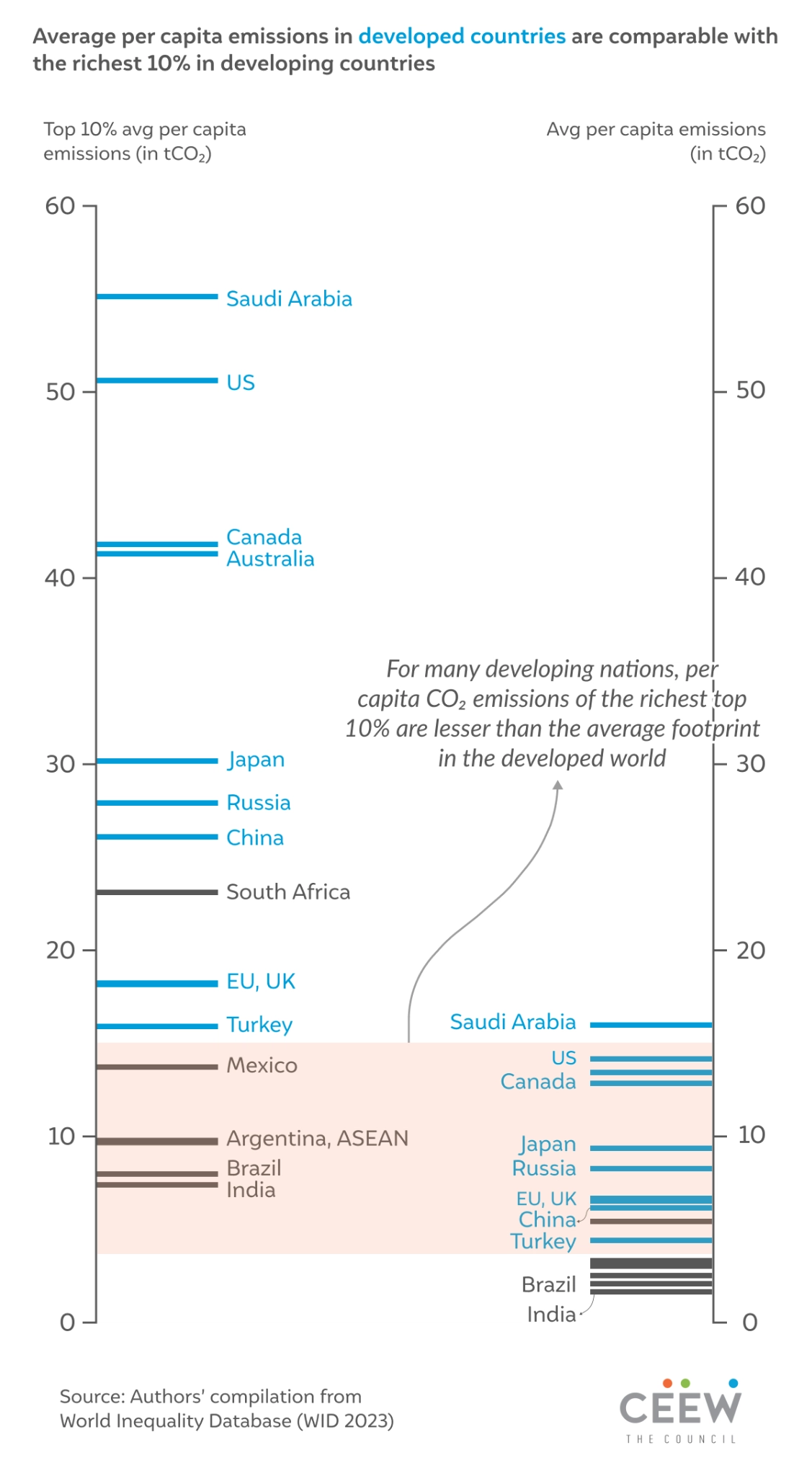
The CEEW study also found that encouraging the adoption of low-carbon lifestyles among the richest can lead to significant emission reductions. If the richest 10 per cent of developed countries and China reduce their carbon footprint even by half, they can save more than 3.4 billion tonnes of CO2 annually. Moreover, a carbon tax on the richest 10 per cent of developed countries and China could shore up USD 500 billion and discourage highly carbon-intensive consumption patterns, the study found. These funds could be used for climate change mitigation, research and development, de-risking clean technology, and building resilience. This is crucial since another recent CEEW study showed that developed countries are not on track to meet their 2030 emission reduction targets, and will overshoot their Nationally Determined Contributions (NDCs) by 38 per cent.
Pallavi Das, Programme Lead, CEEW, said, “Inequity in the climate debate has a long-standing history and the rich in developed countries are primarily responsible for carbon emissions. Our study shows that while the emission intensity of income has reduced for the highest earners (top 10 per cent) in most countries between 2008 and 2018, overall emissions are increasing because of the rise in incomes. With the carbon budget depleting to keep the world below the 2°C threshold, the rich must be held accountable and nudged to pursue sustainable lifestyles.”
The CEEW study also highlighted that the carbon emissions across both developed and developing countries reveal significant inequities between the wealthiest and poorest income brackets. The difference in the carbon footprint between the top and bottom income 10 per cent ranges between 8 and 22 times for the countries studied. This makes it clear that high earners must make concerted efforts to adopt low-carbon lifestyles and practice responsible consumption.
Sustainable living should include practices such as installing energy-efficient appliances in homes and offices, switching off appliances when not in use, increasing the set temperature in air conditioners for appropriate thermal comfort, and using natural daylight. Furthermore, embracing measures such as the use of public transport and carpooling can significantly decrease emissions related to personal commuting. Emissions that cannot be avoided can be offset through carbon offset programmes. Finally, by shifting to low-carbon products and technologies, individuals can create demand that can incentivise businesses to develop and provide sustainable alternatives, which can then spur a low-carbon economy.
In this study, ‘developed countries (or regions) and China’ include: Australia, Canada, China, European Union, Japan, Russian Federation, Saudi Arabia, Turkey, the United Kingdom, and the United States, and ‘developing countries (or regions)’ include: Argentina, Brazil, India, Mexico, South Africa, and ASEAN.
For media queries contact: Tulshe Agnihotri – [email protected]
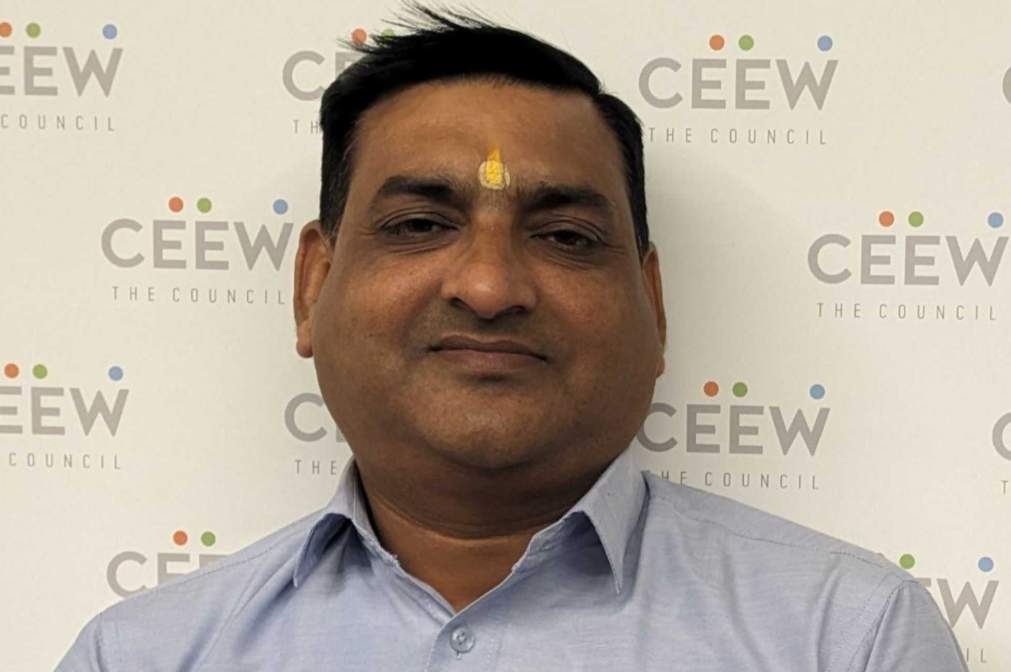
Rahul Jauhari
Administrative Executive
Rahul Jauhari joined The Council in June 2023 and supports Administration, procurement, and office management. He has over Ten years of experience in the private, NBFC and non-government sector.
Prior to joining The Council, he worked with the Mercados Energy Markets India Pvt. Ltd. He has also worked as an admin and Infrastructure with Progressive Cooperative Credit Society Ltd.
Rahul Jauhari holds a Graduation degree from Allahabad University.
He enjoys listening to music and singing.

World Water Crisis Is Getting More Attention, but Action Is Key